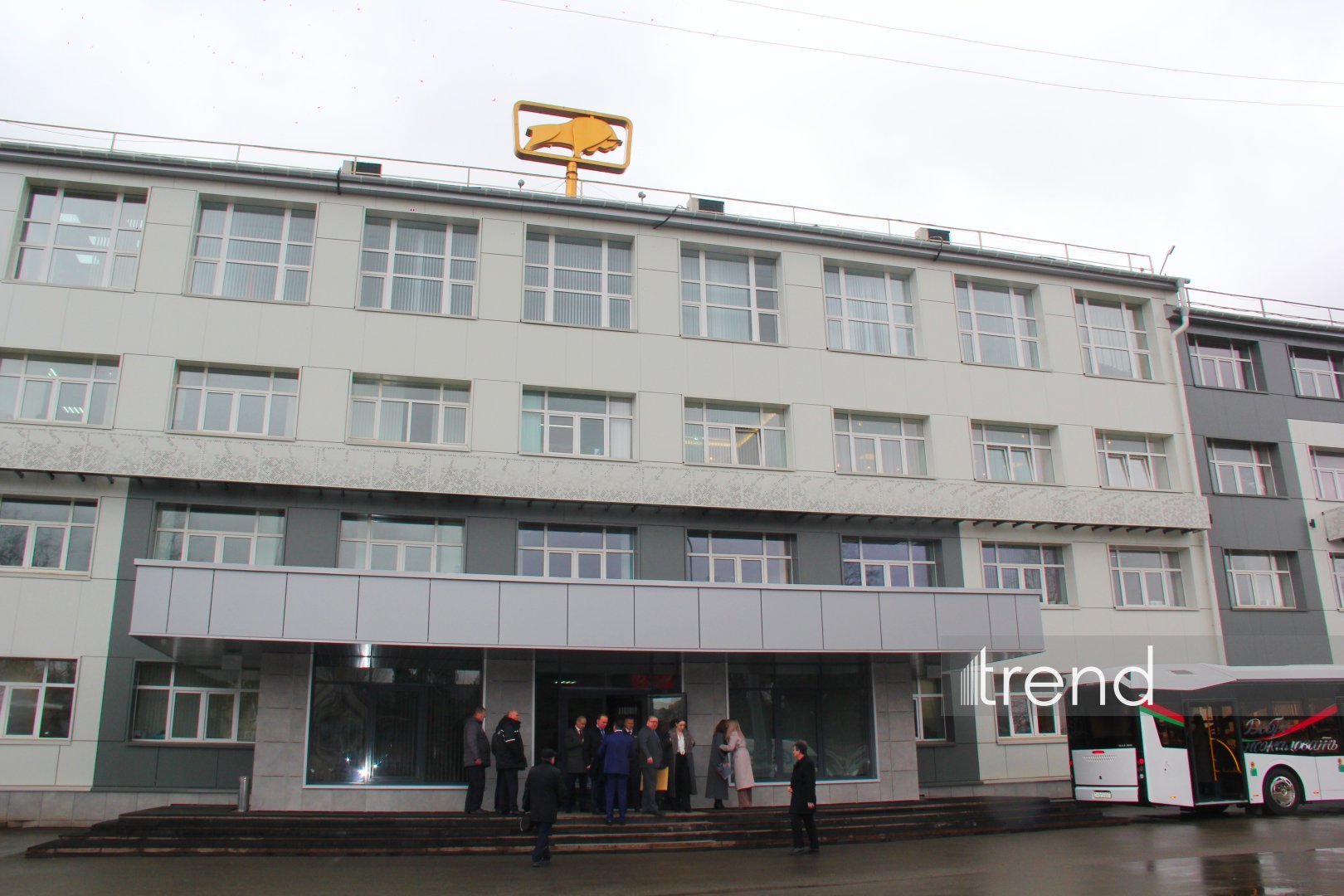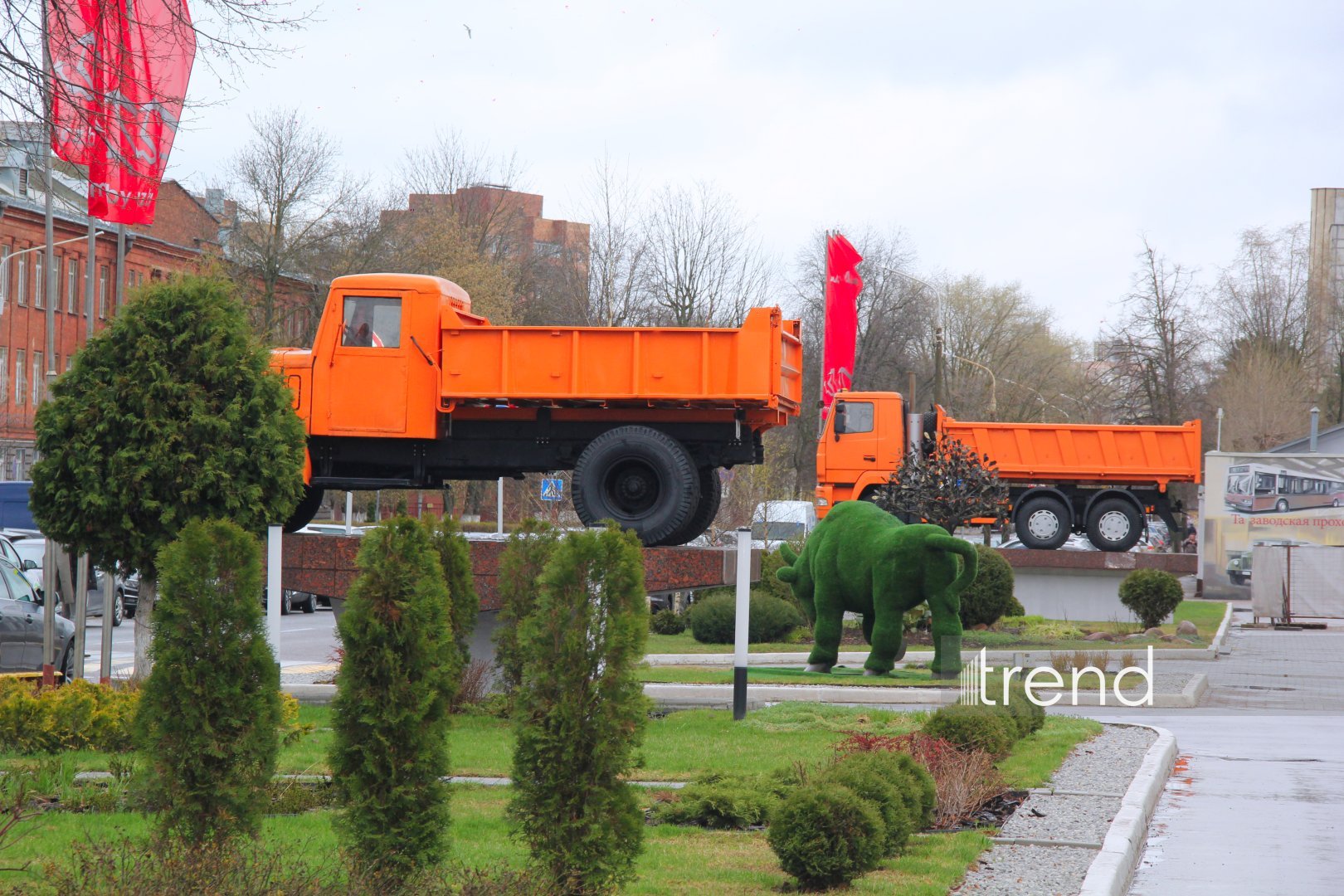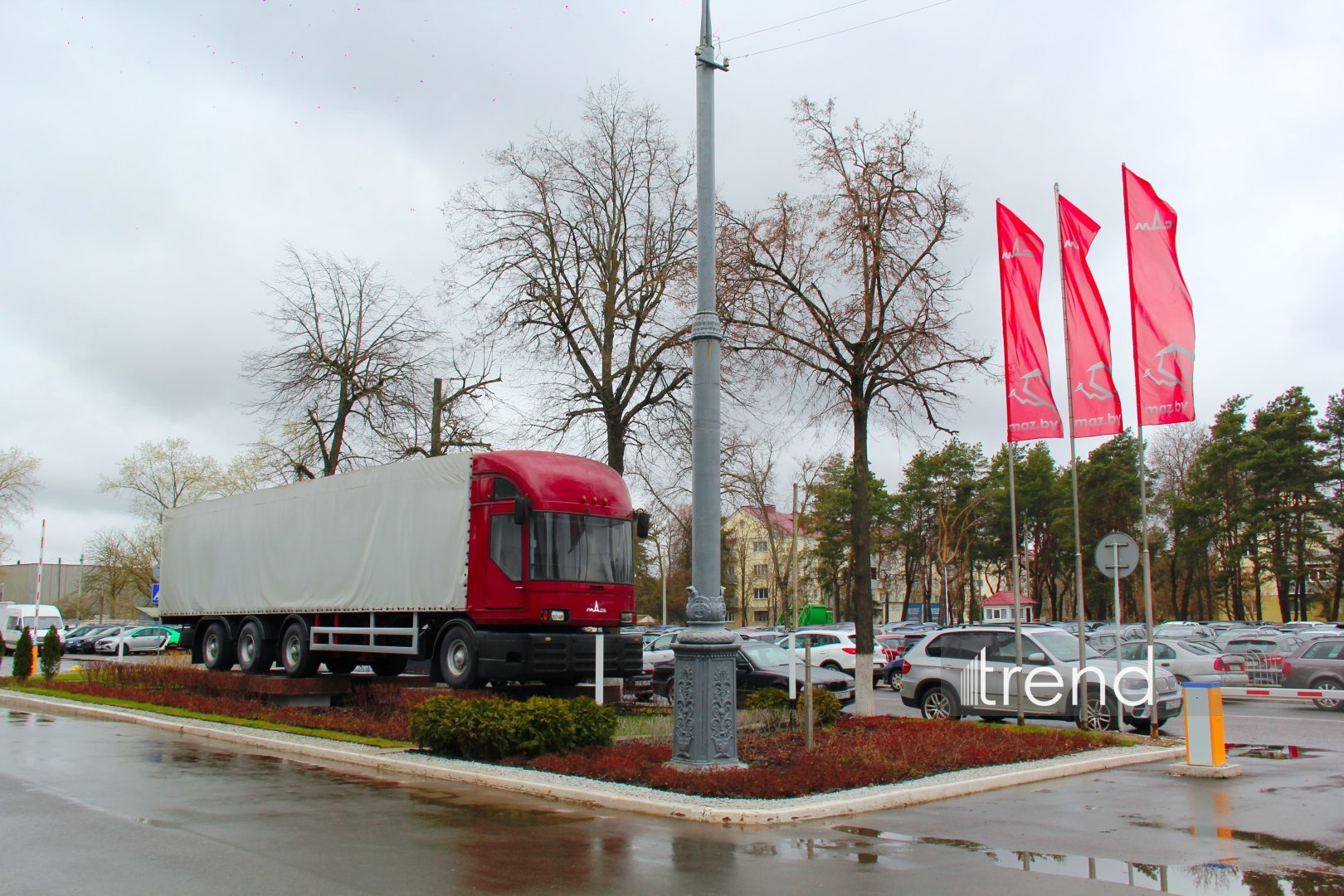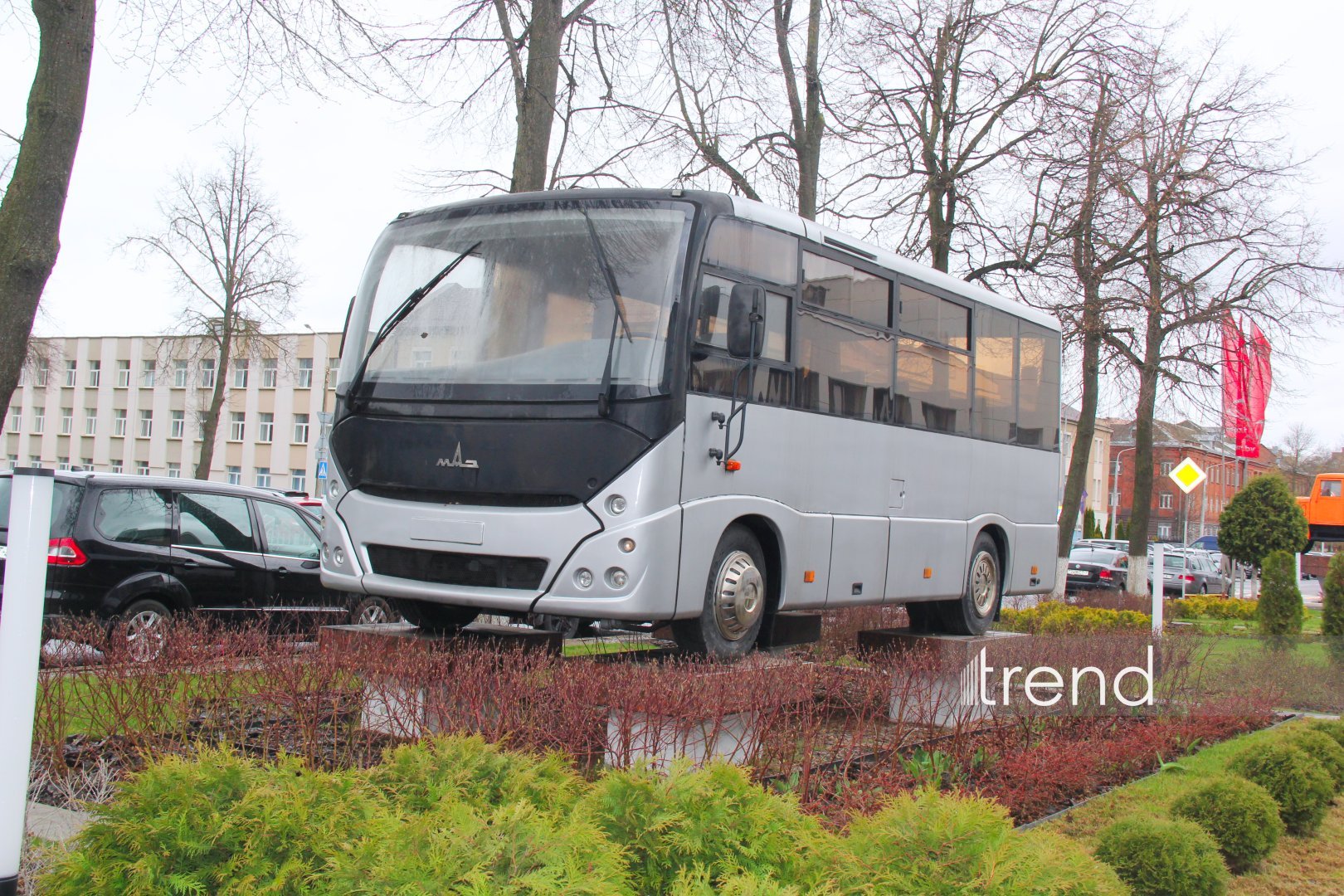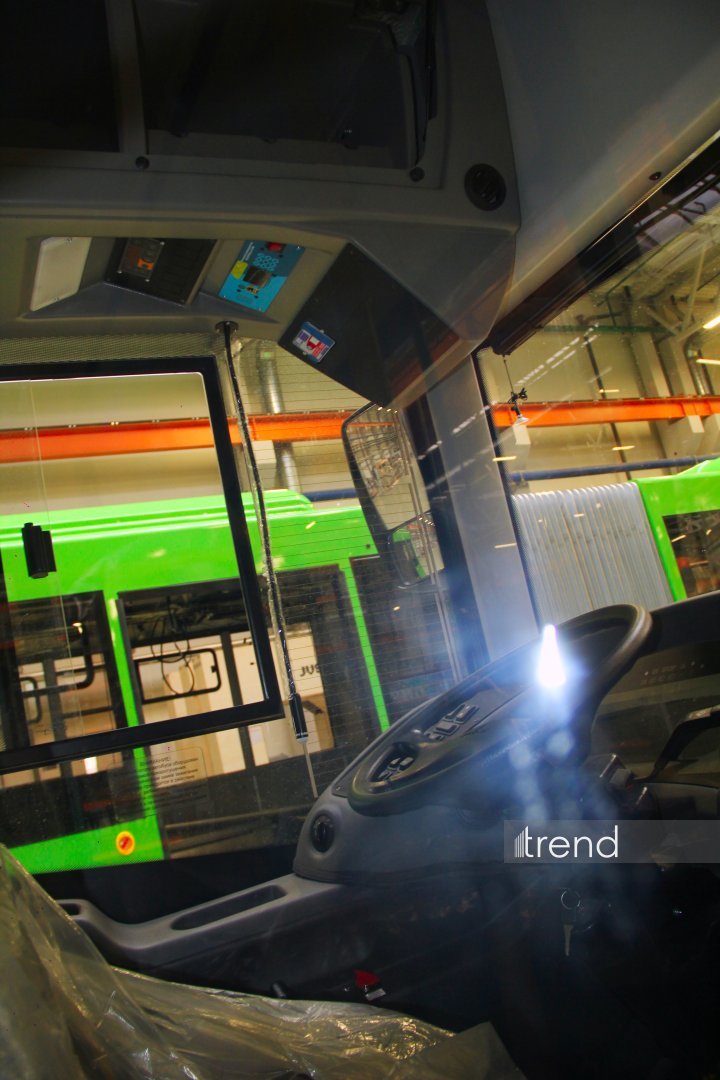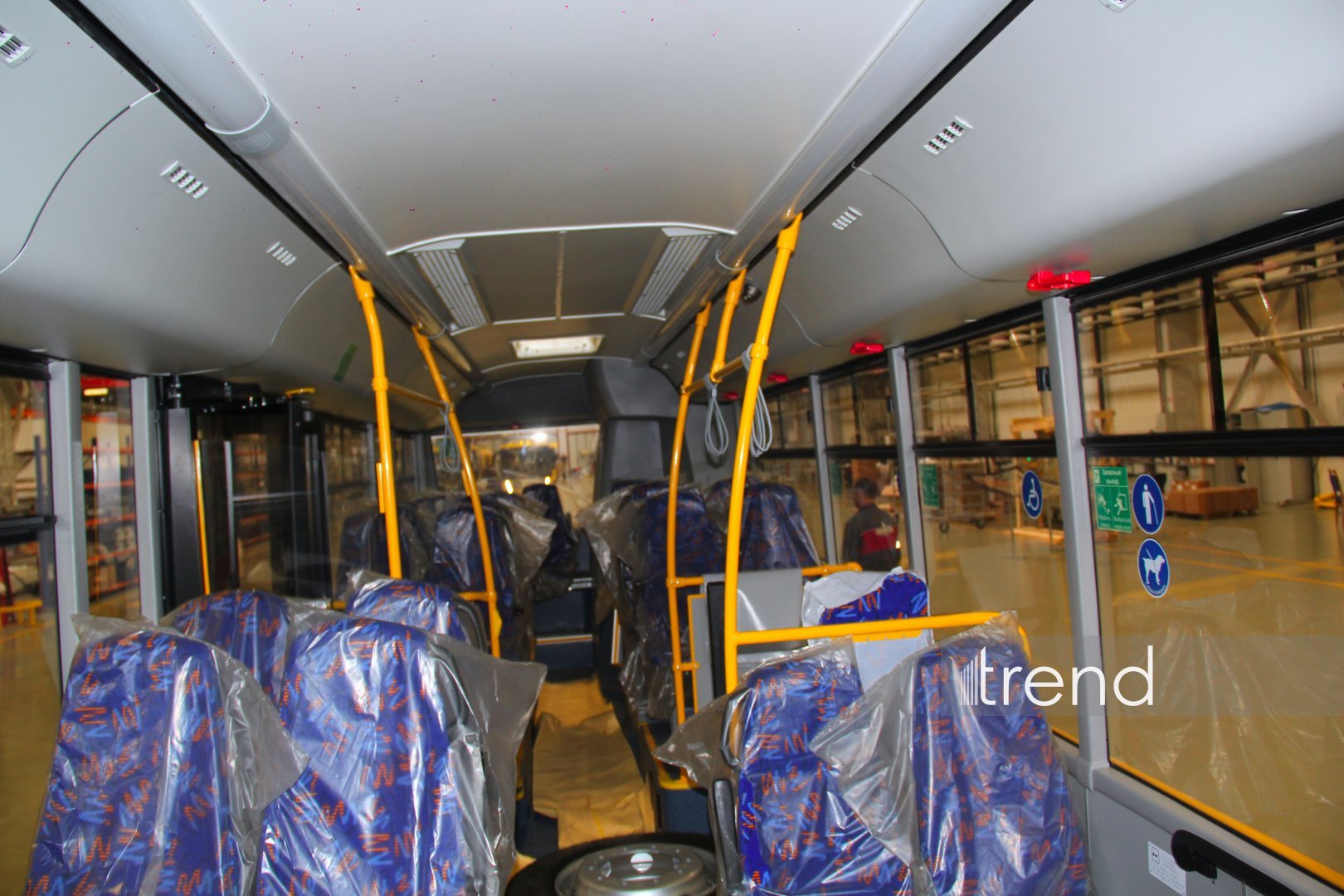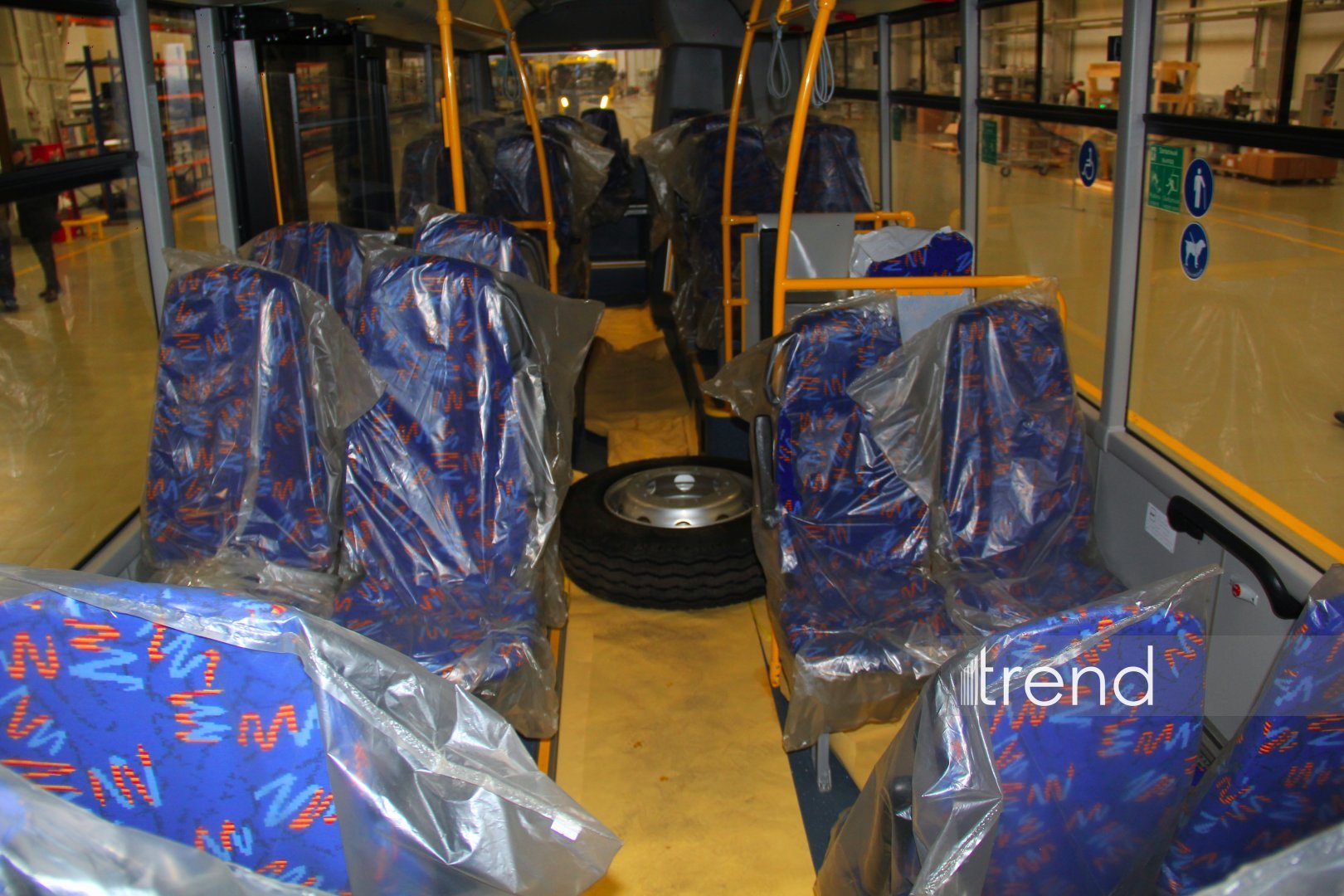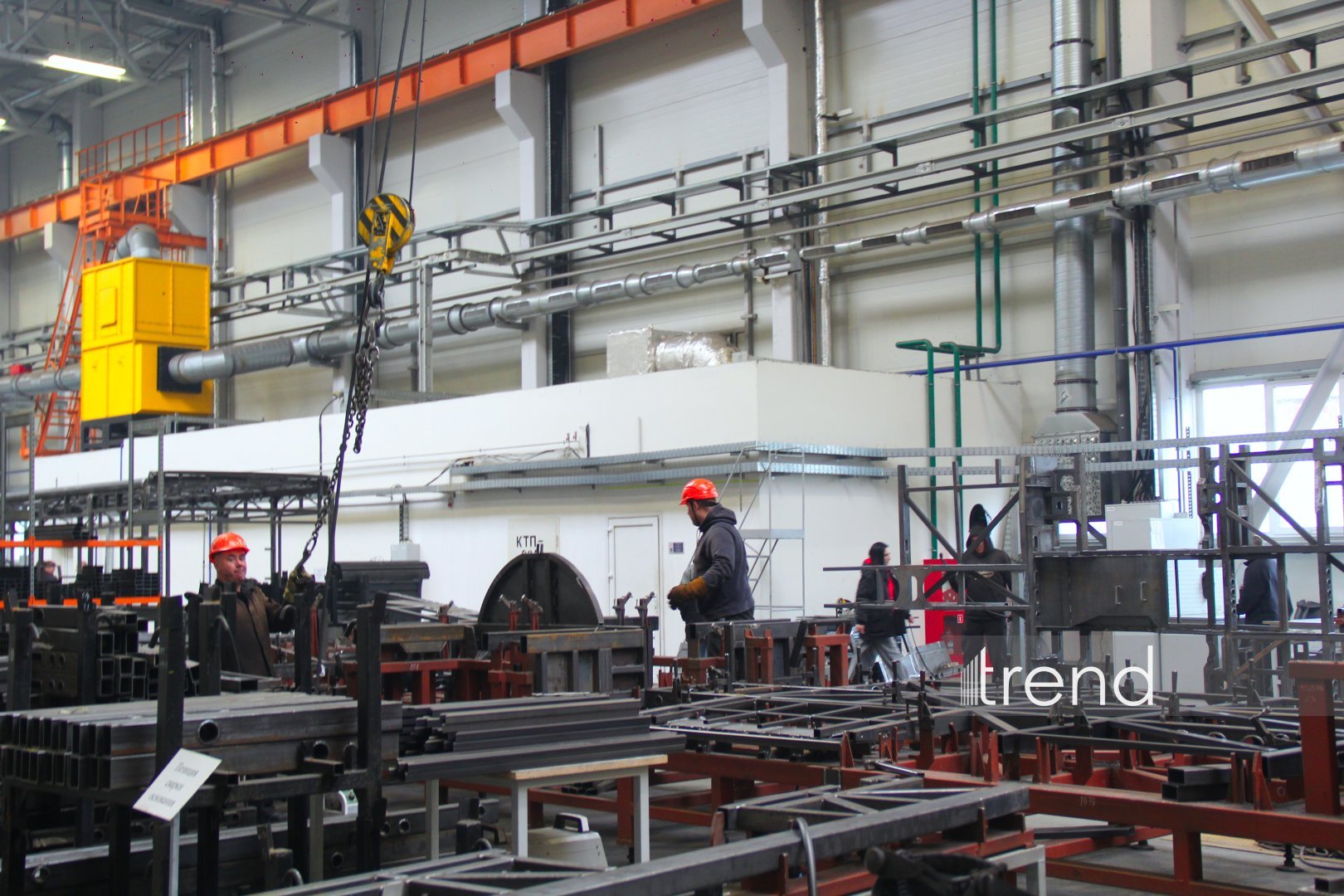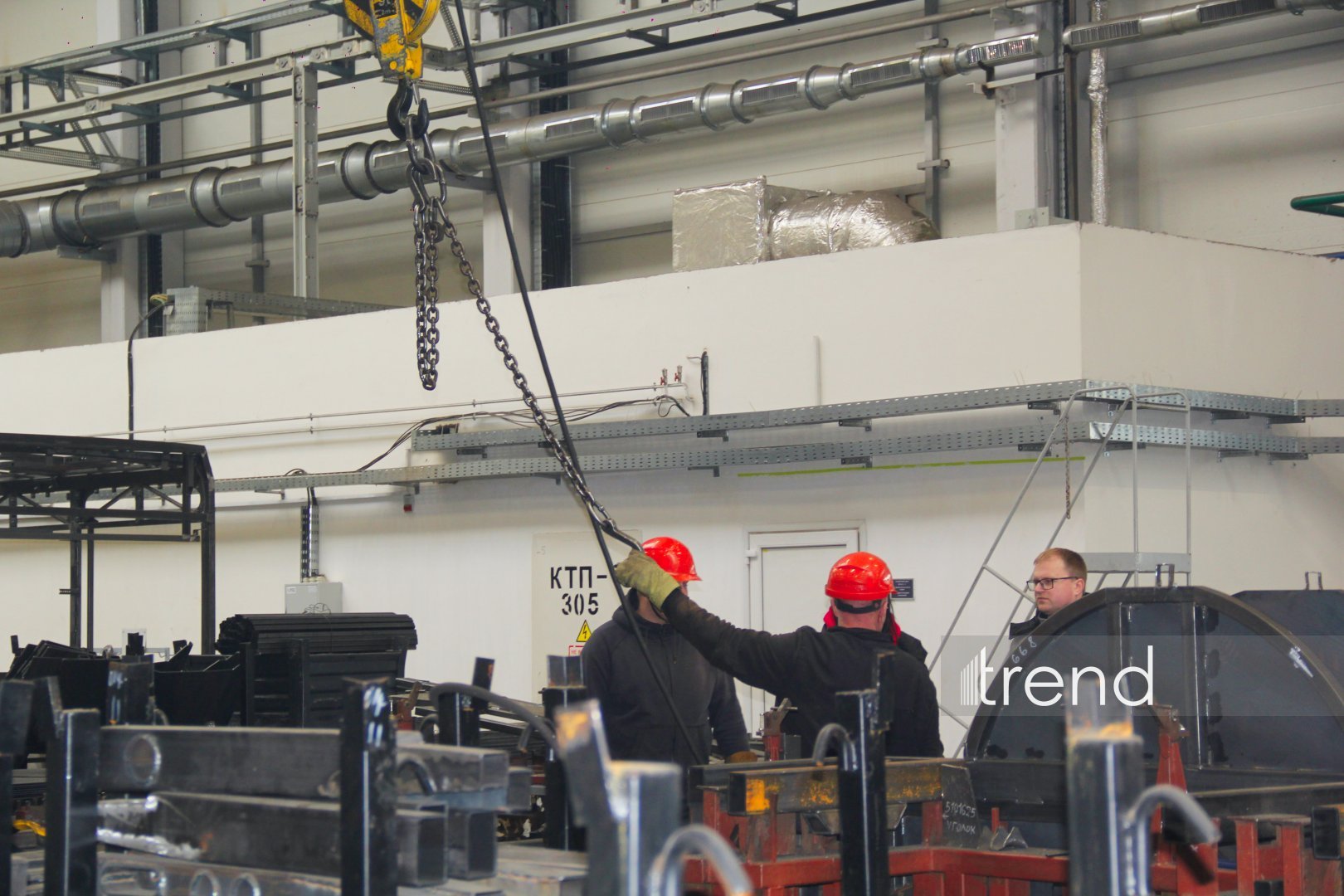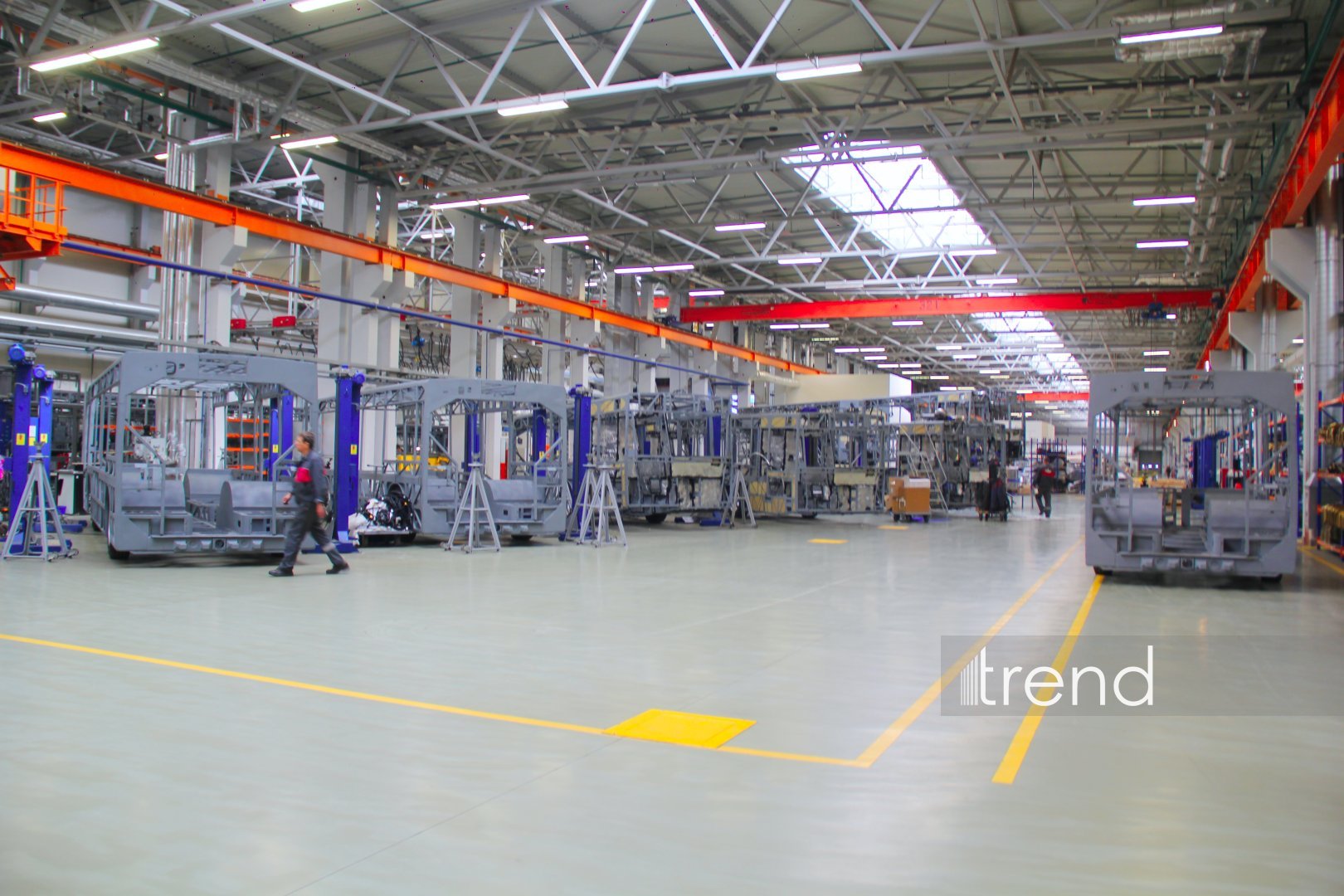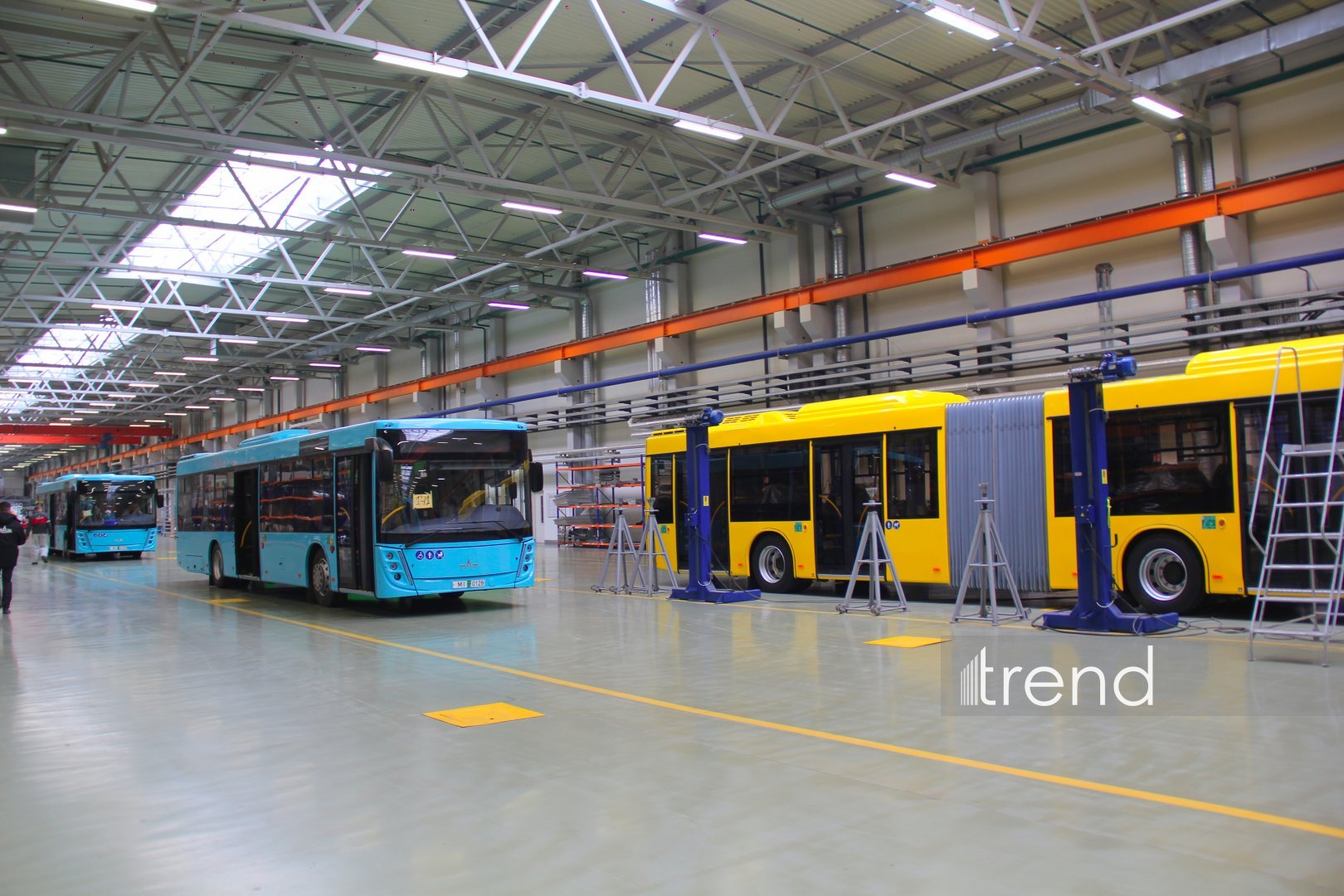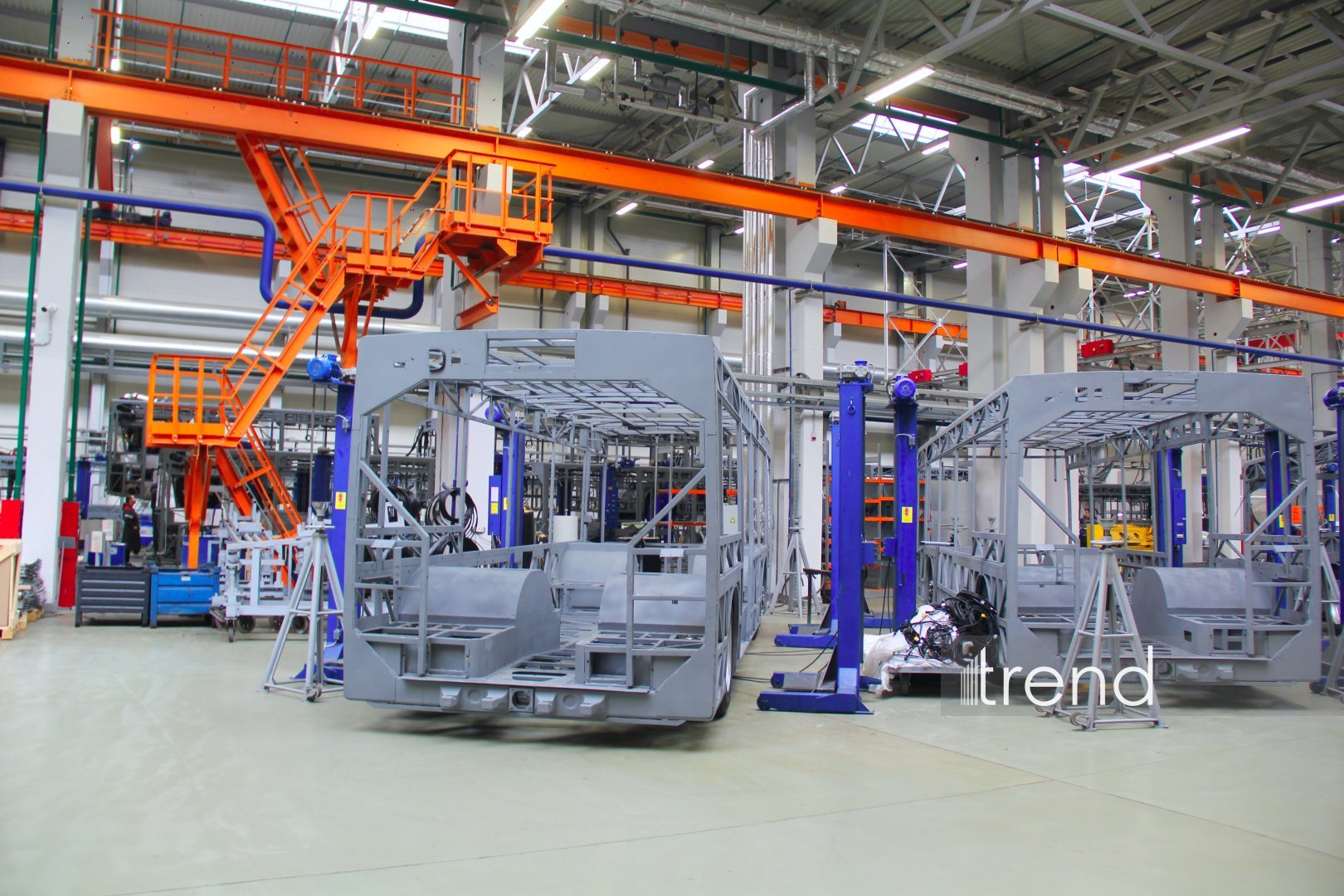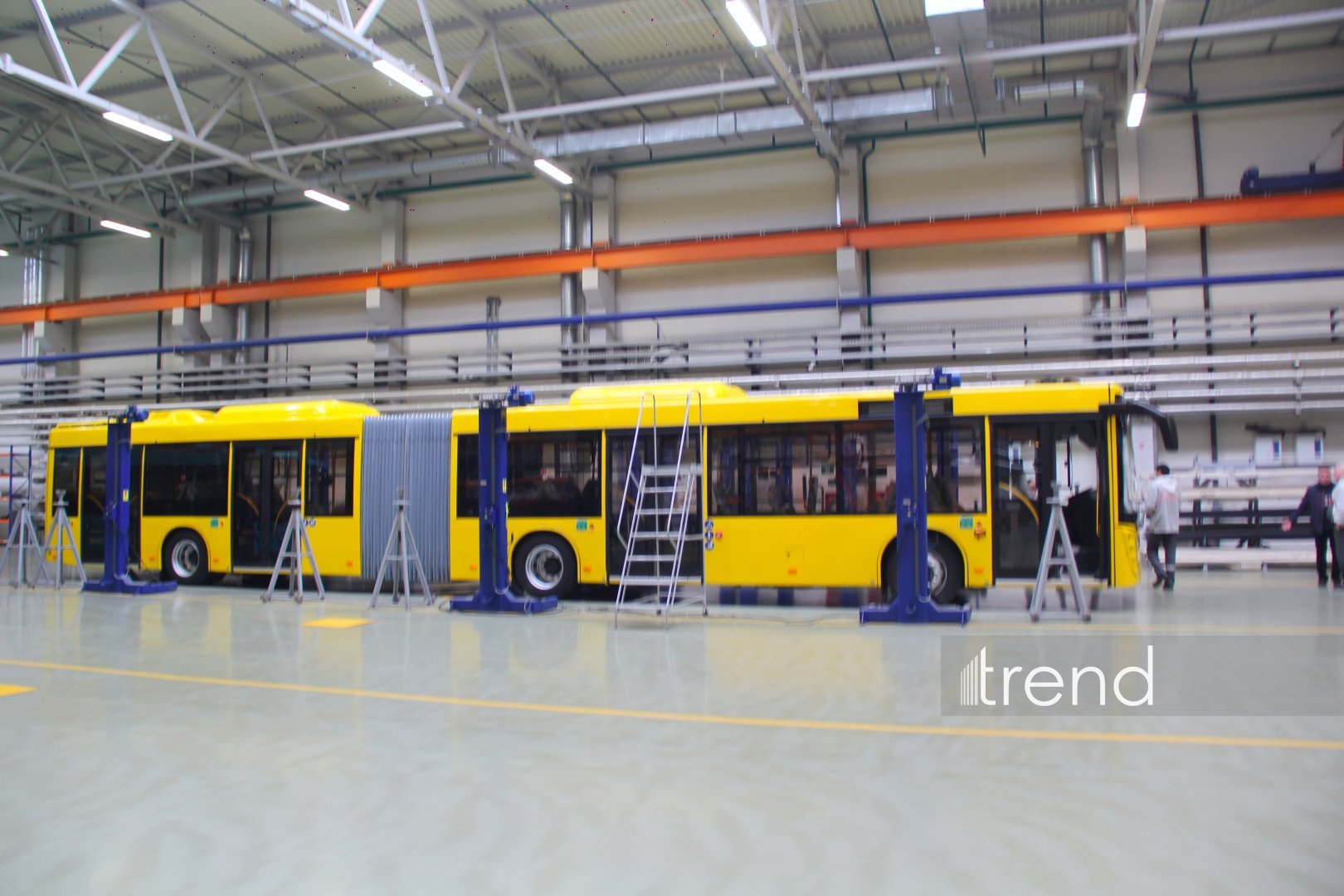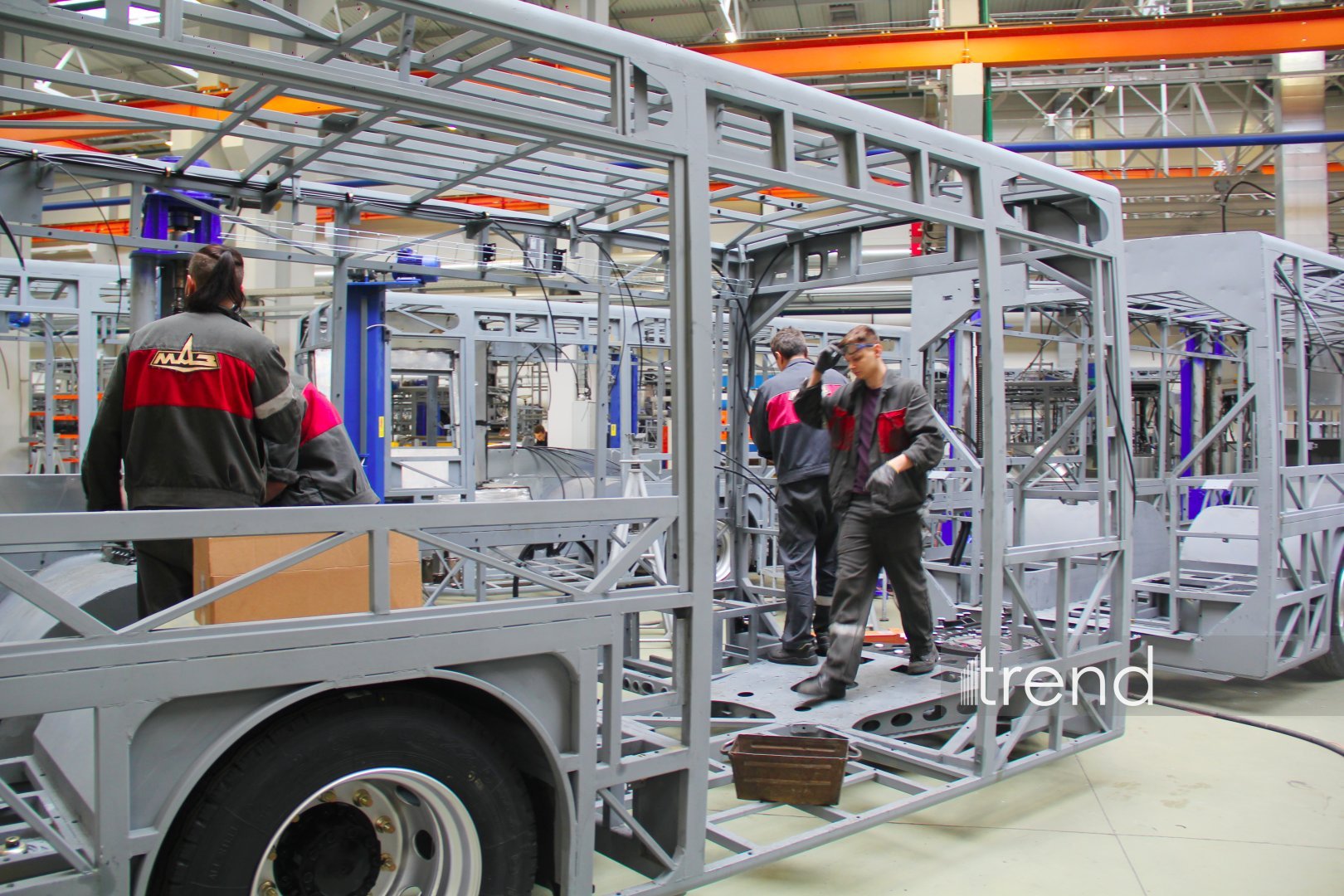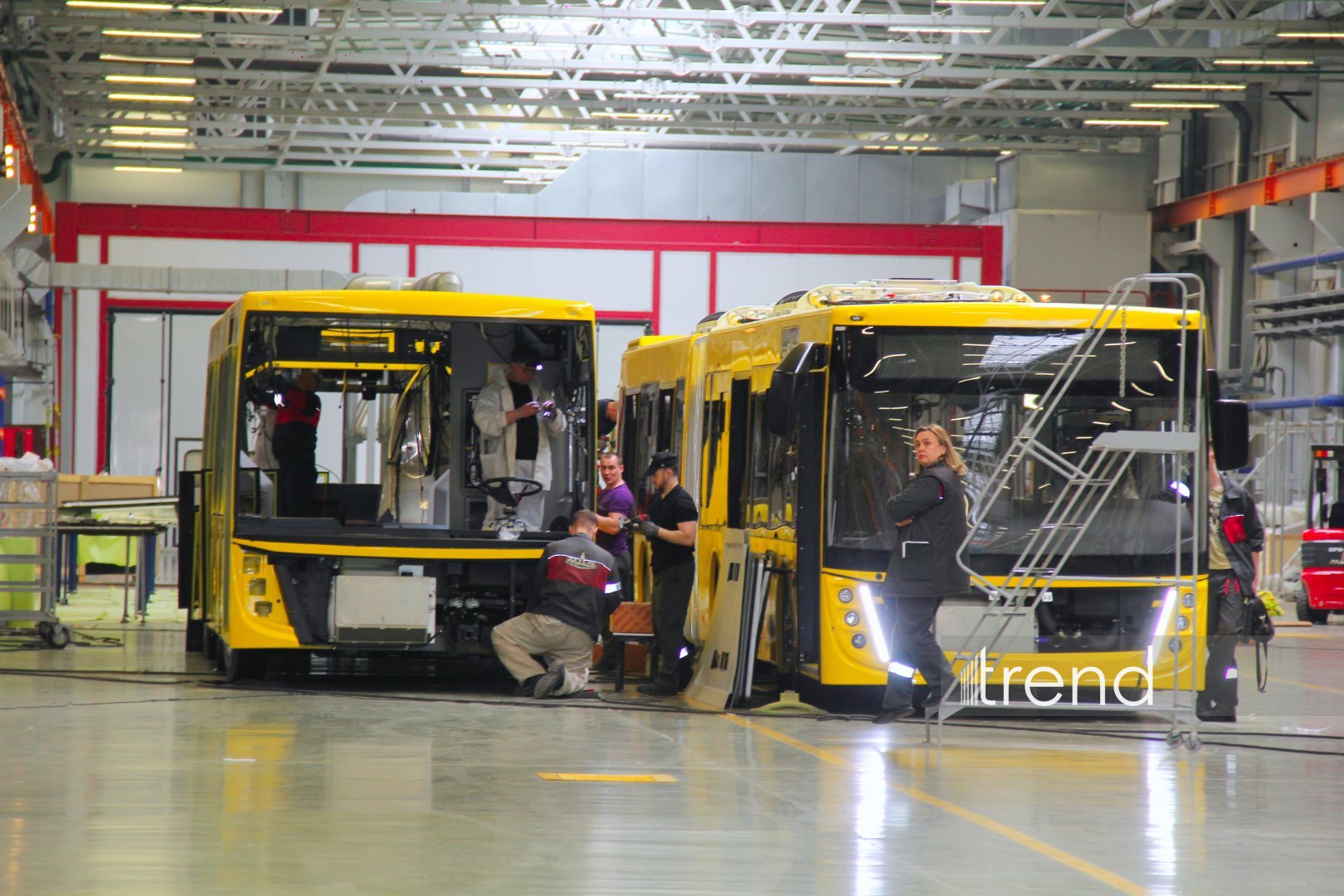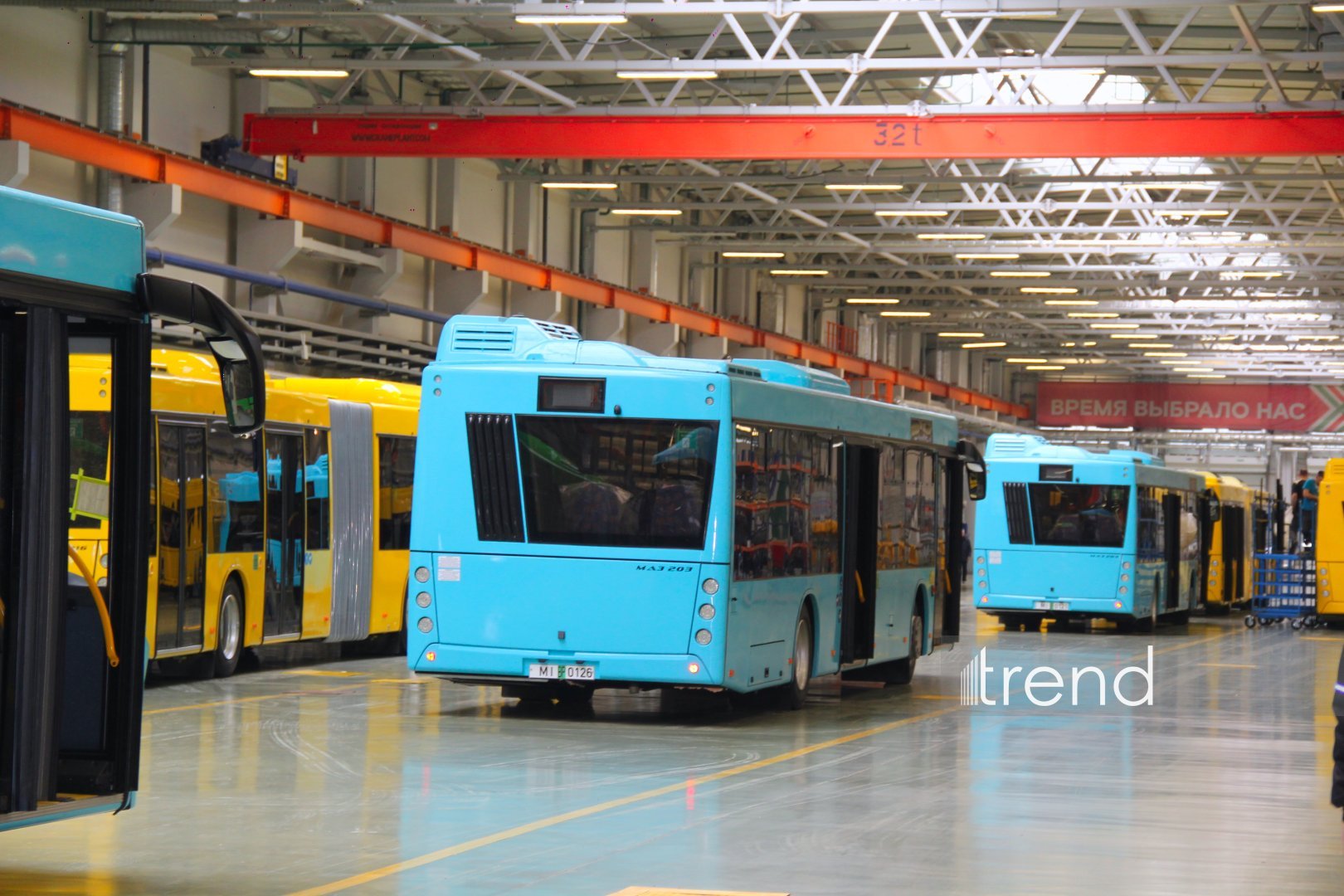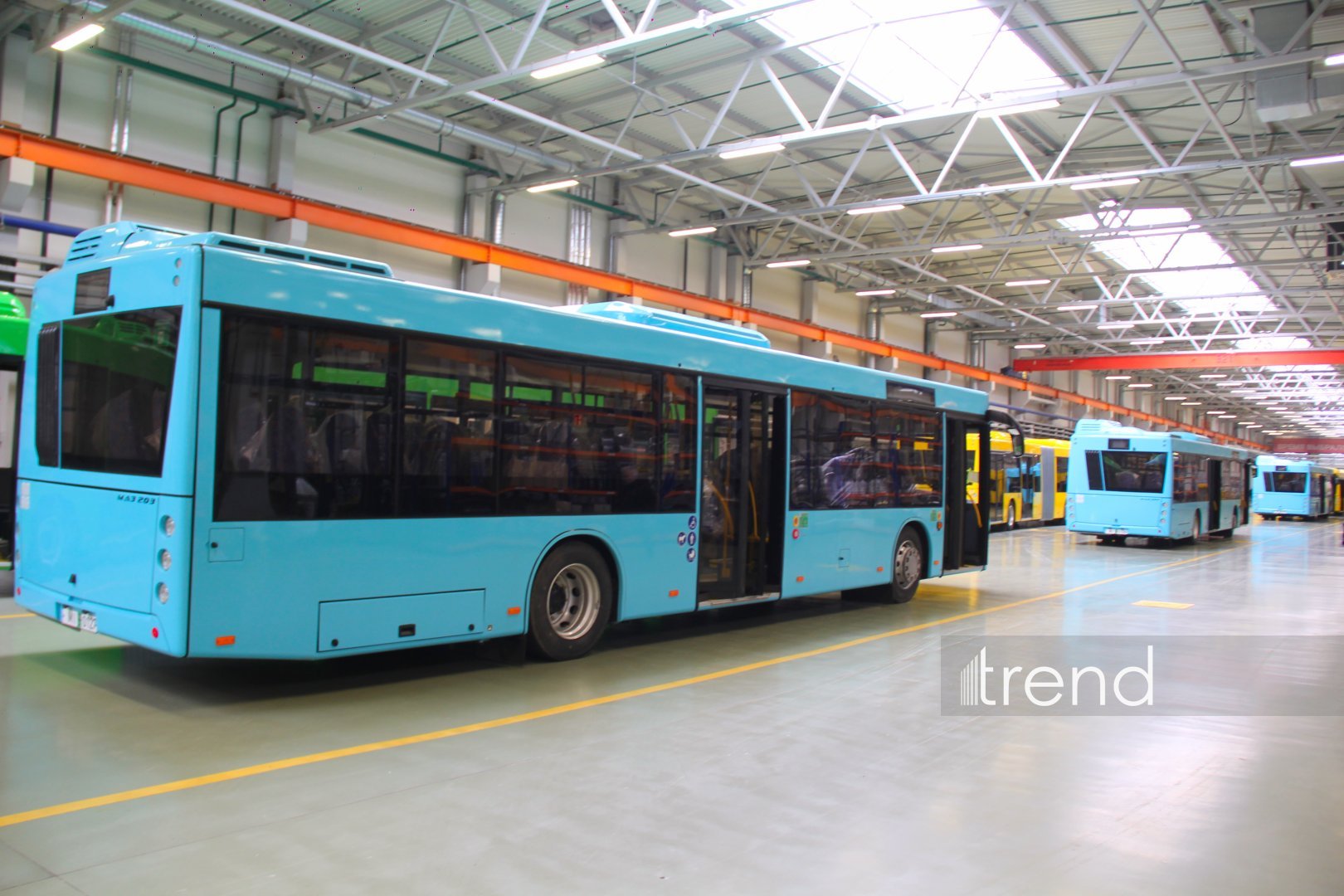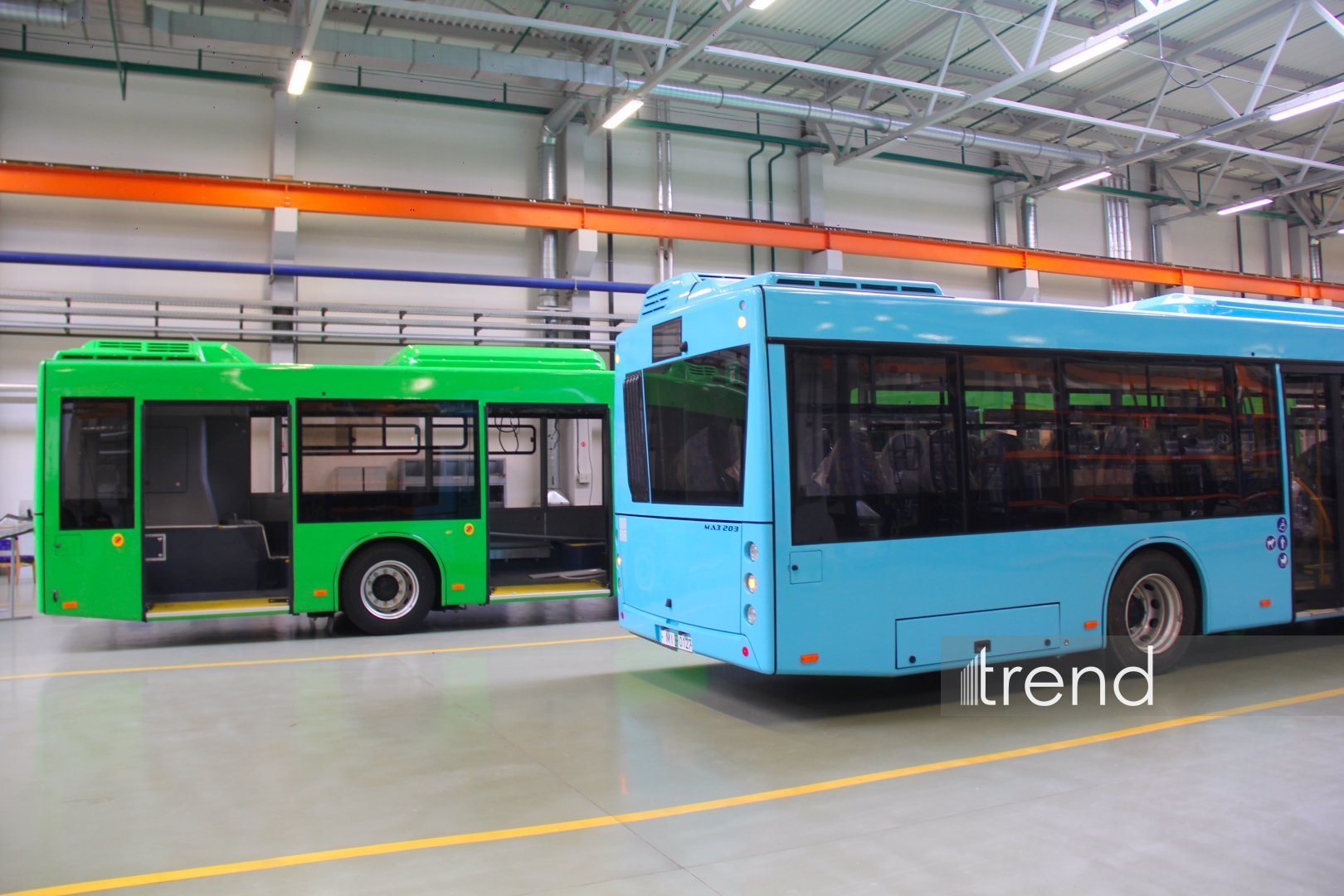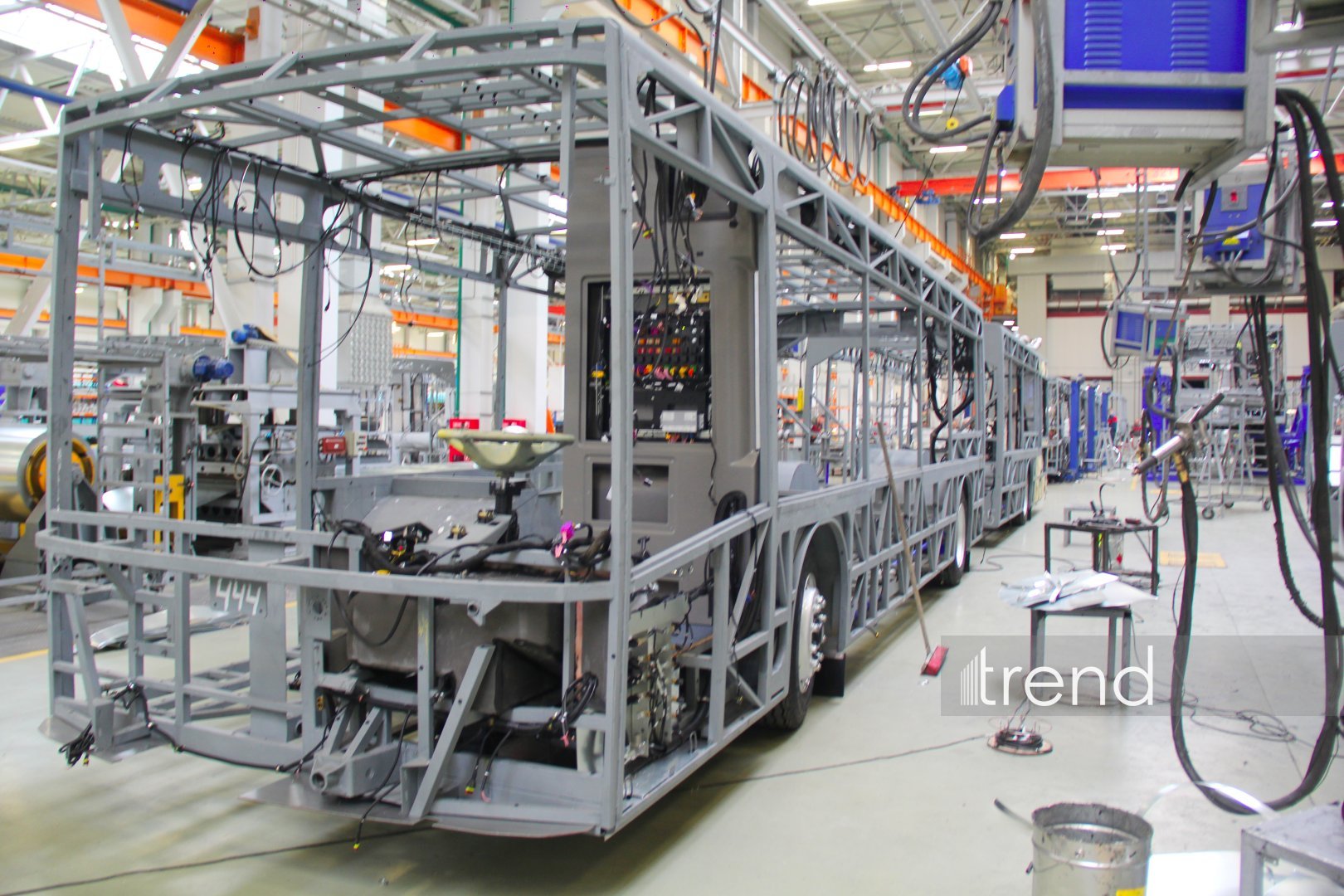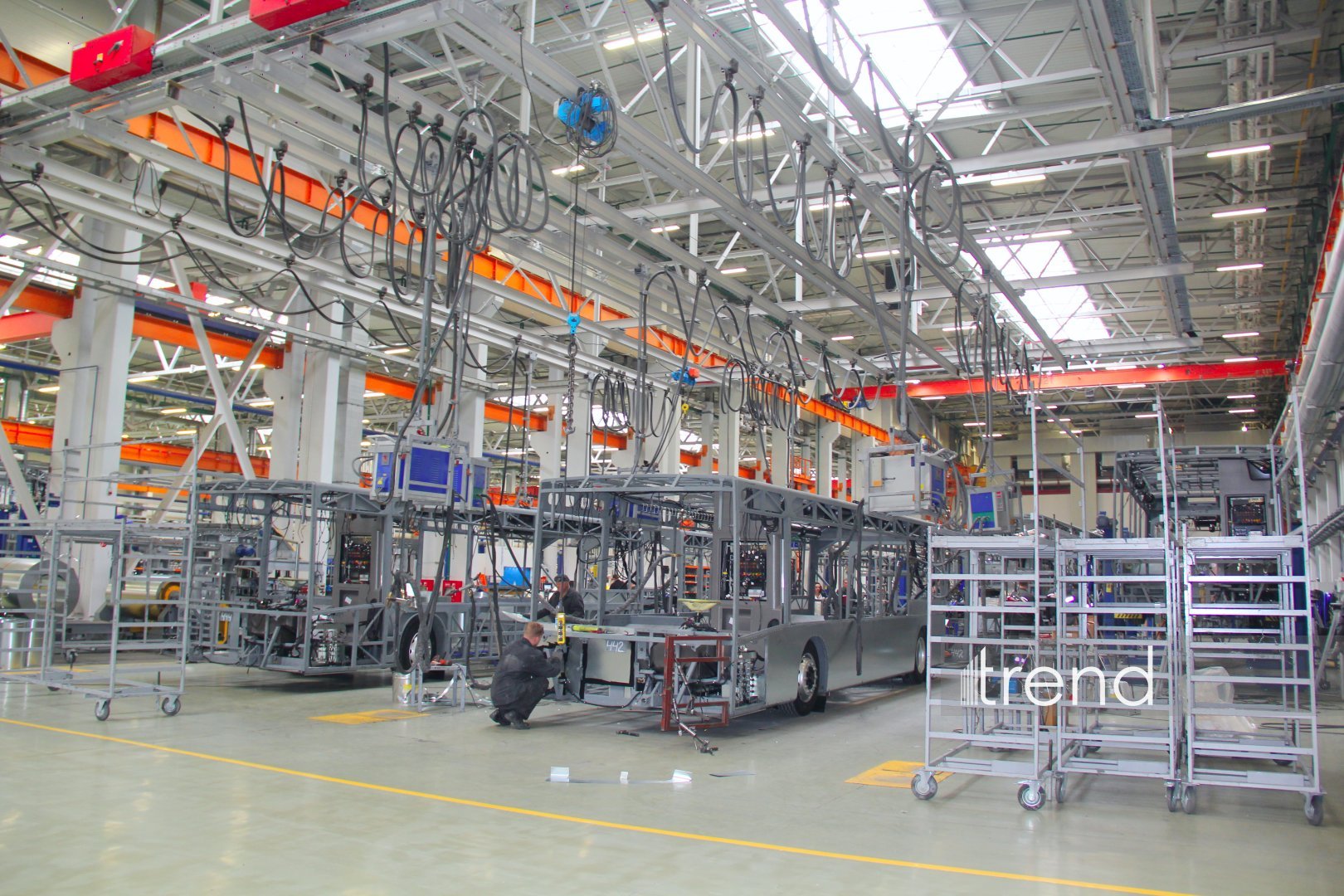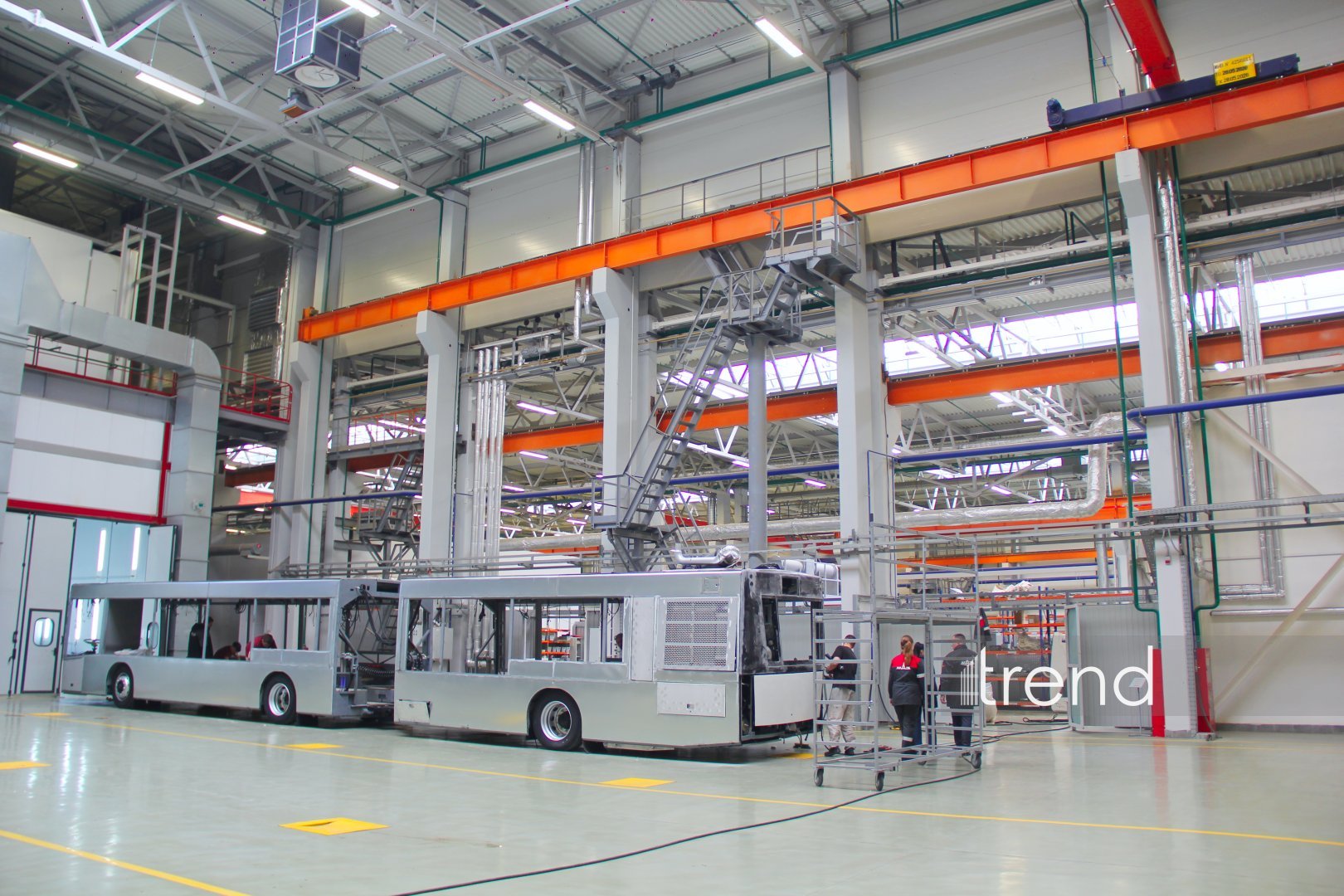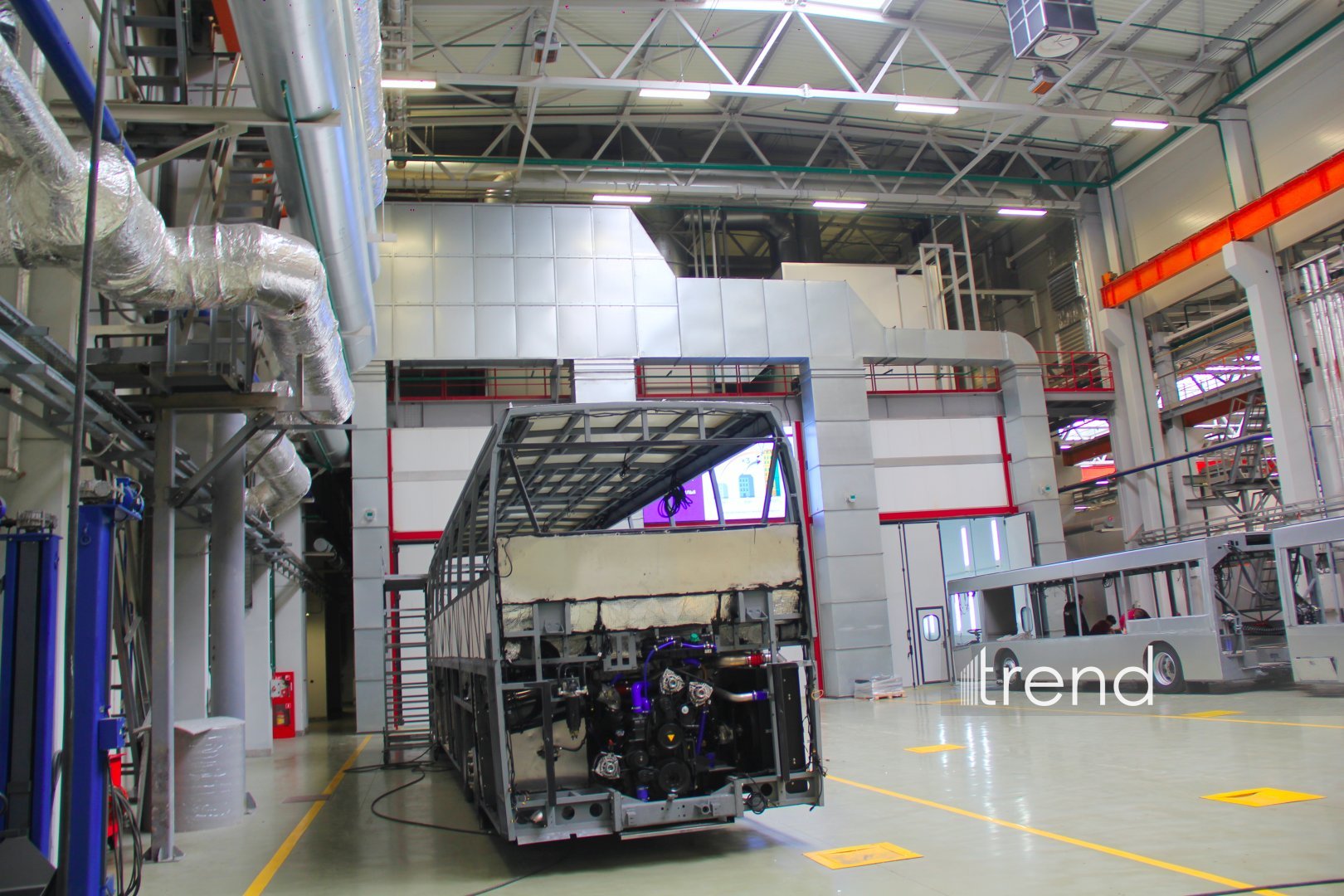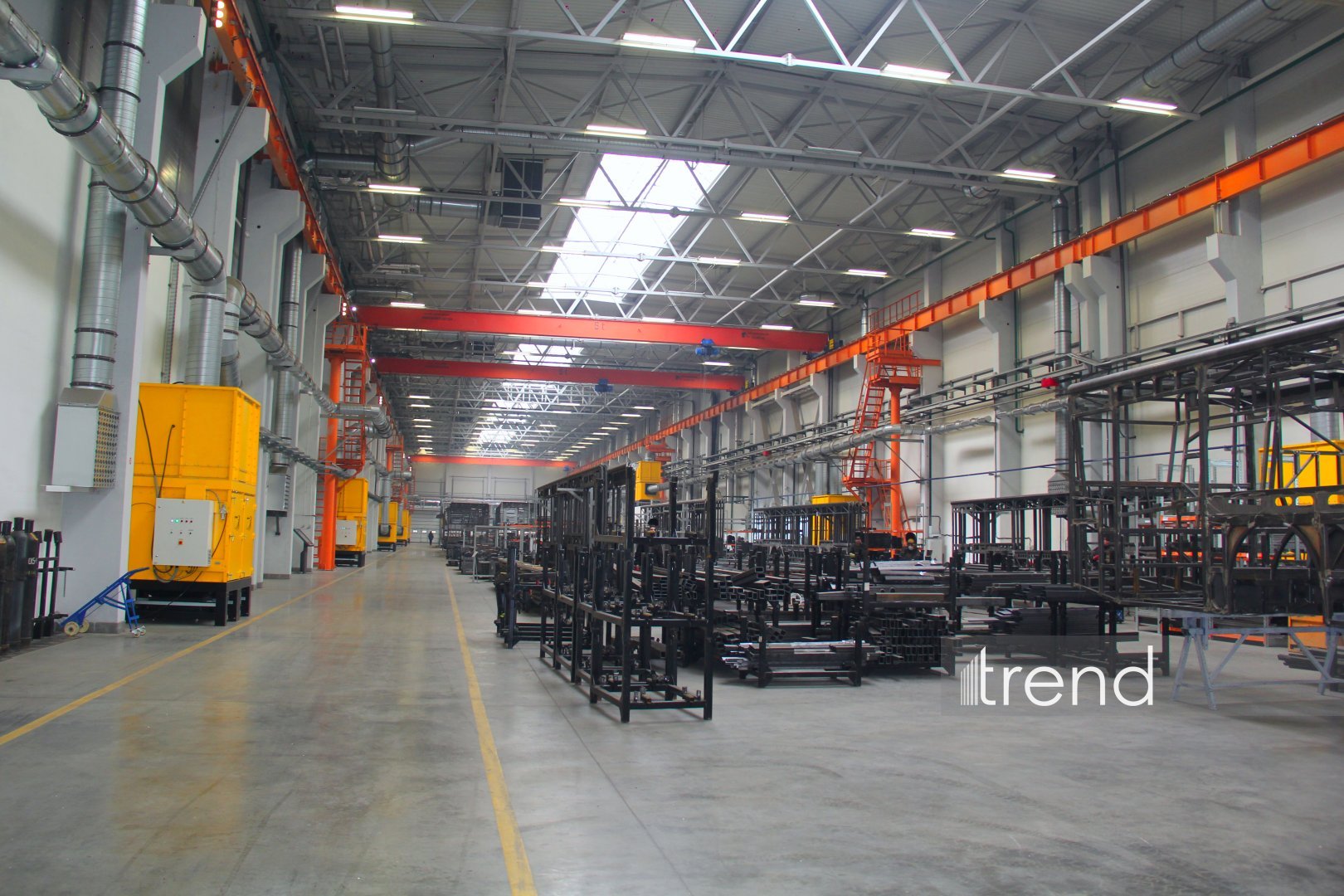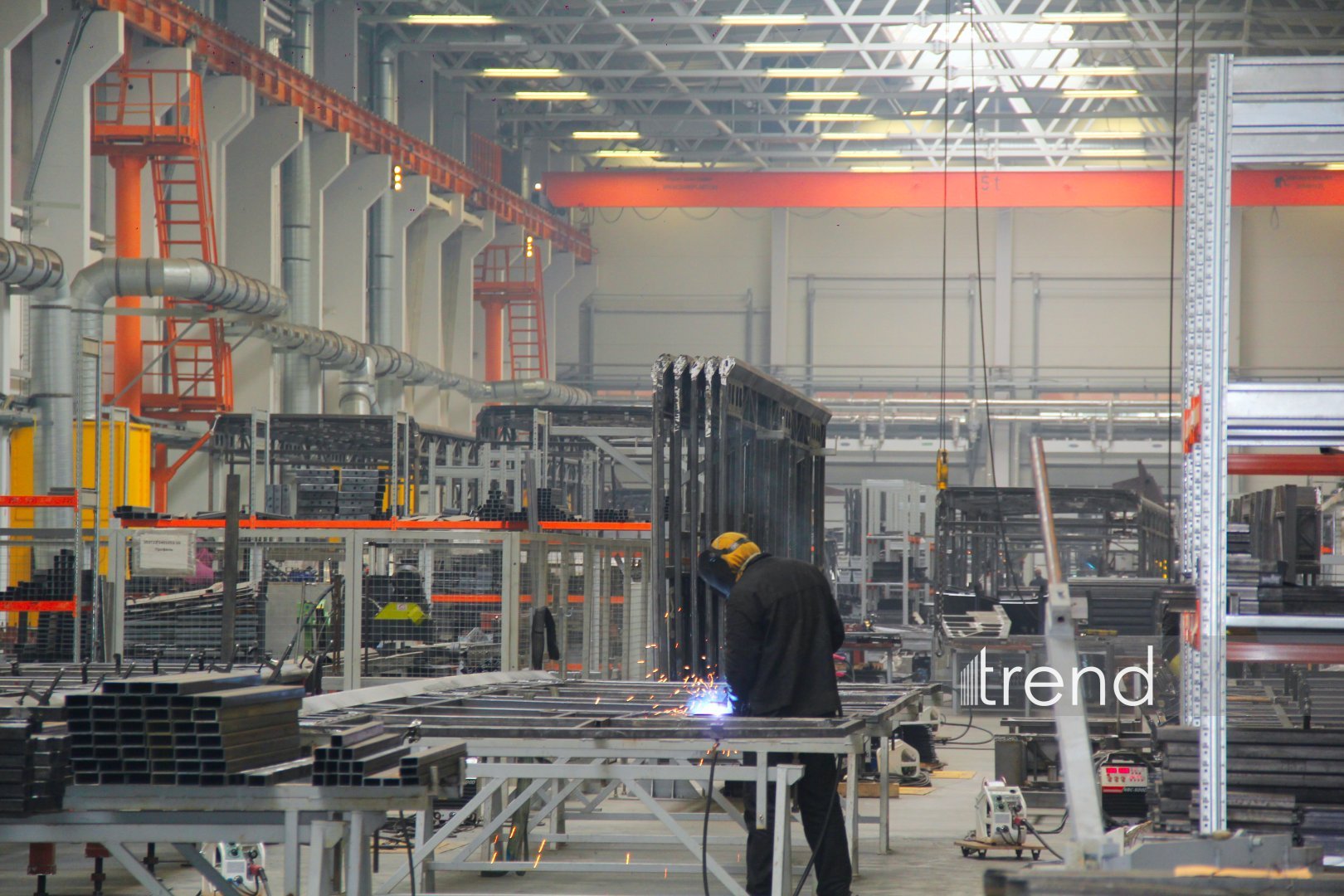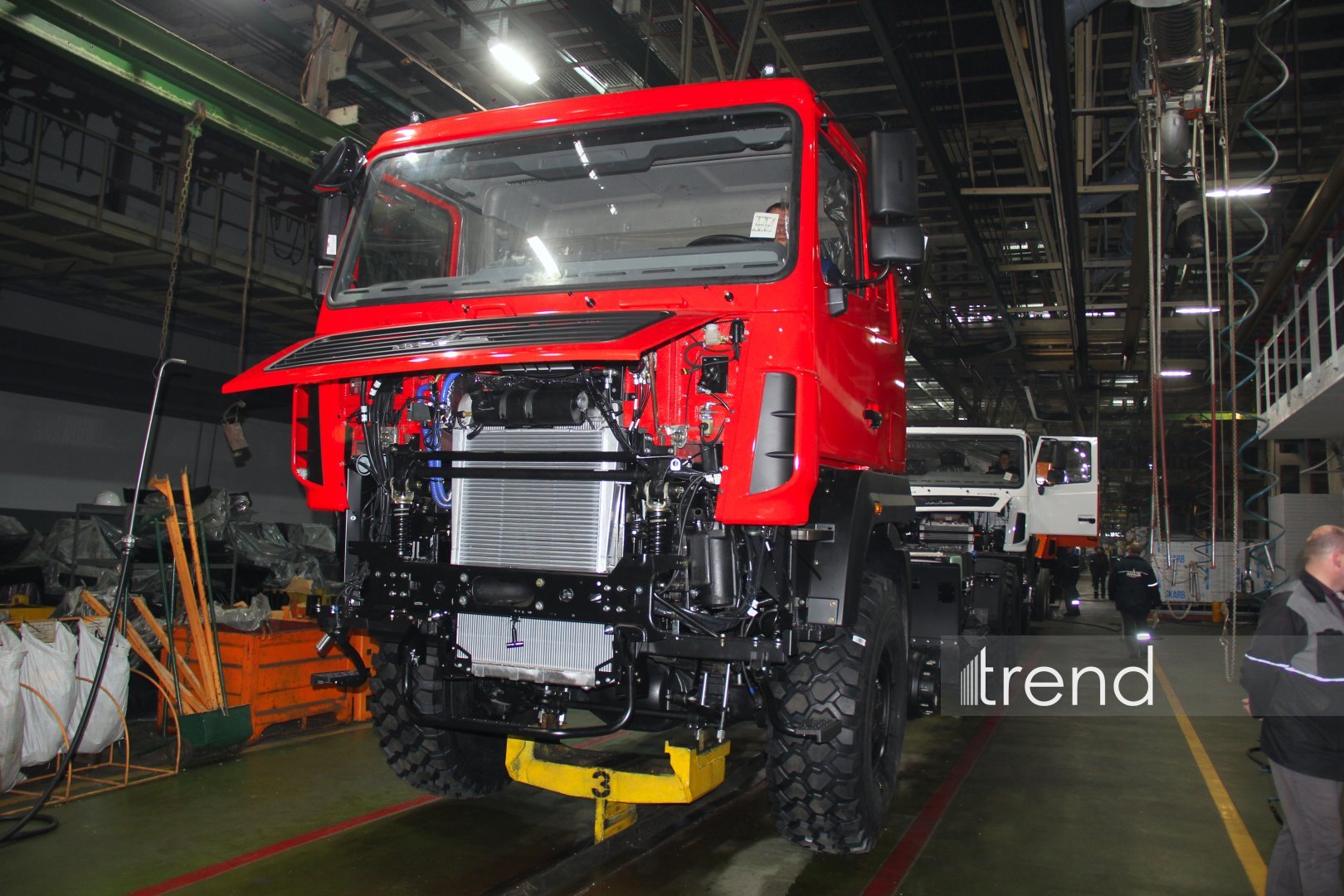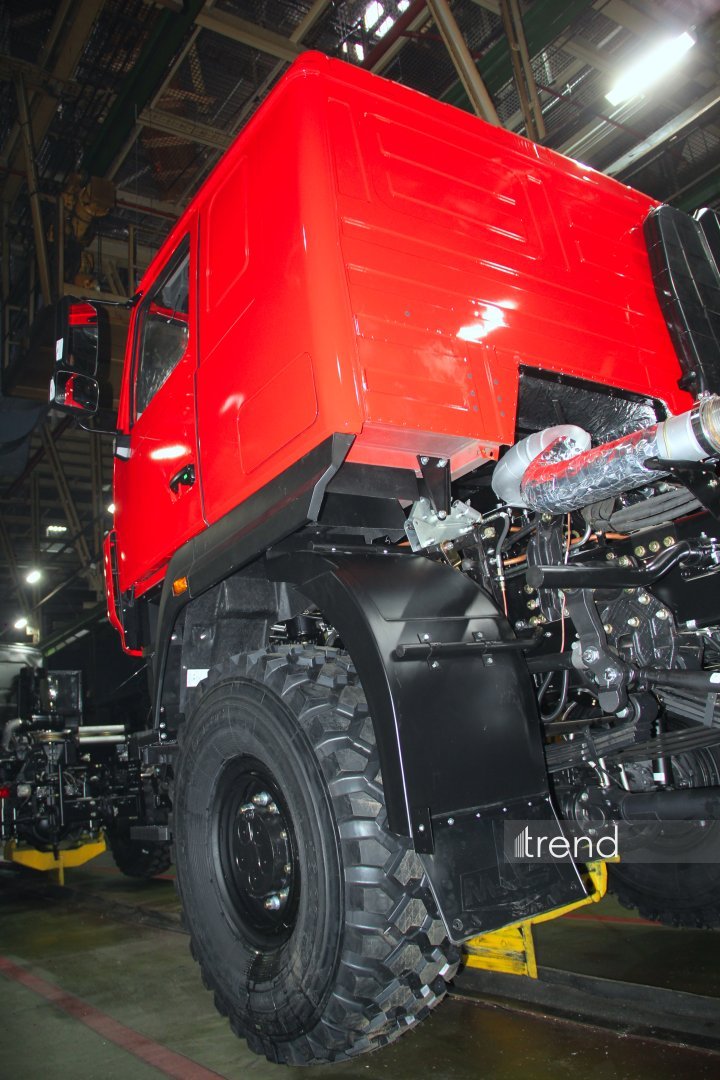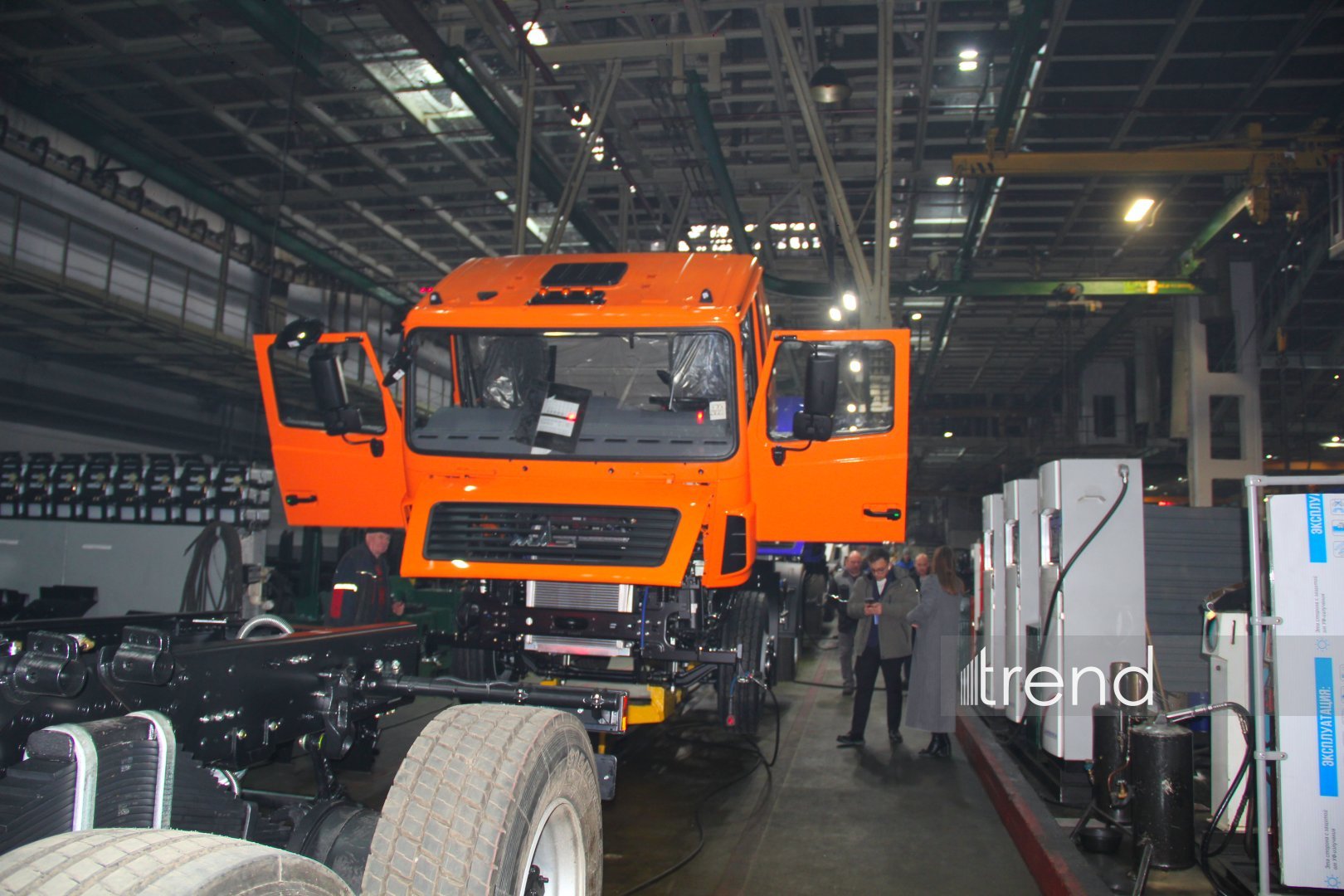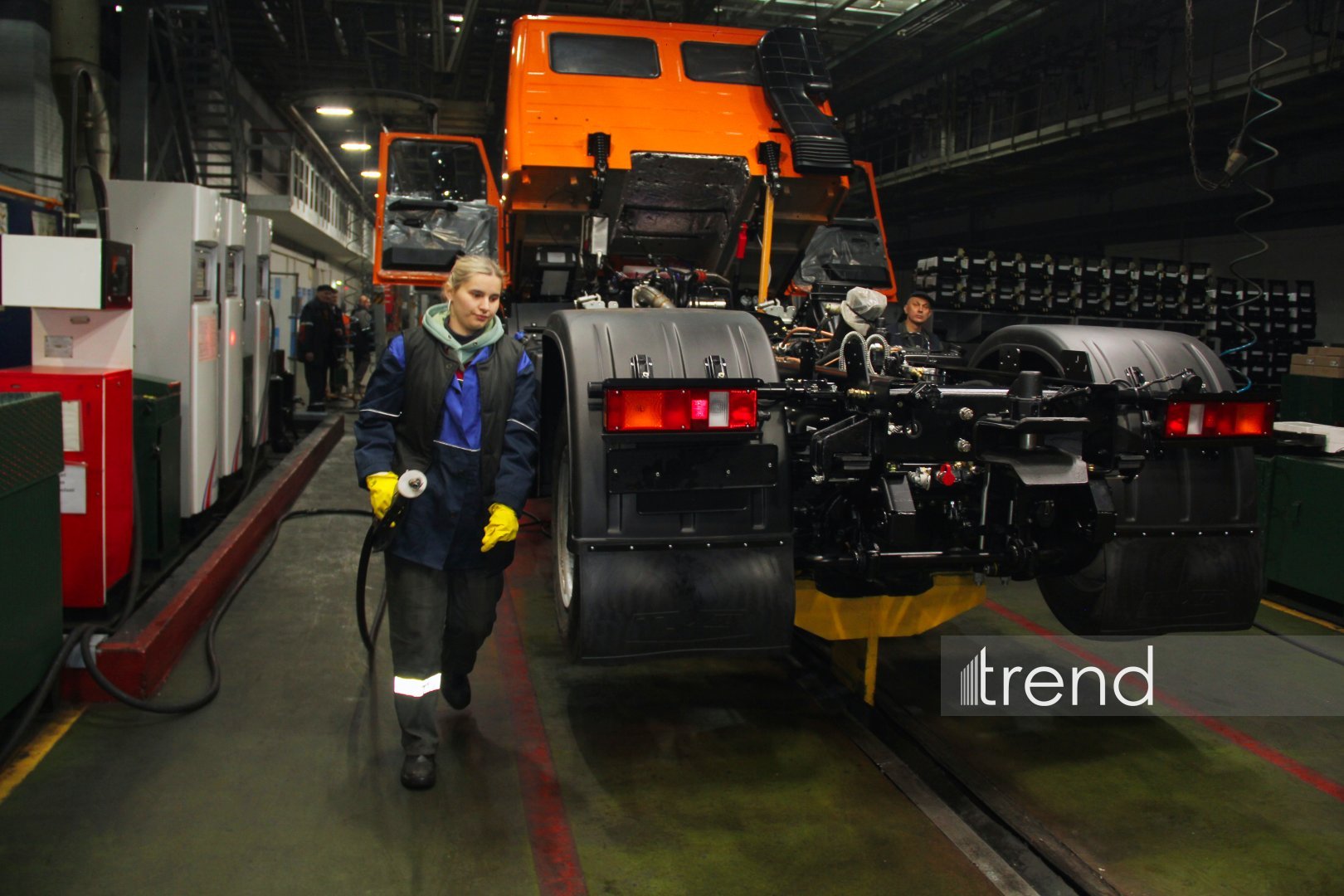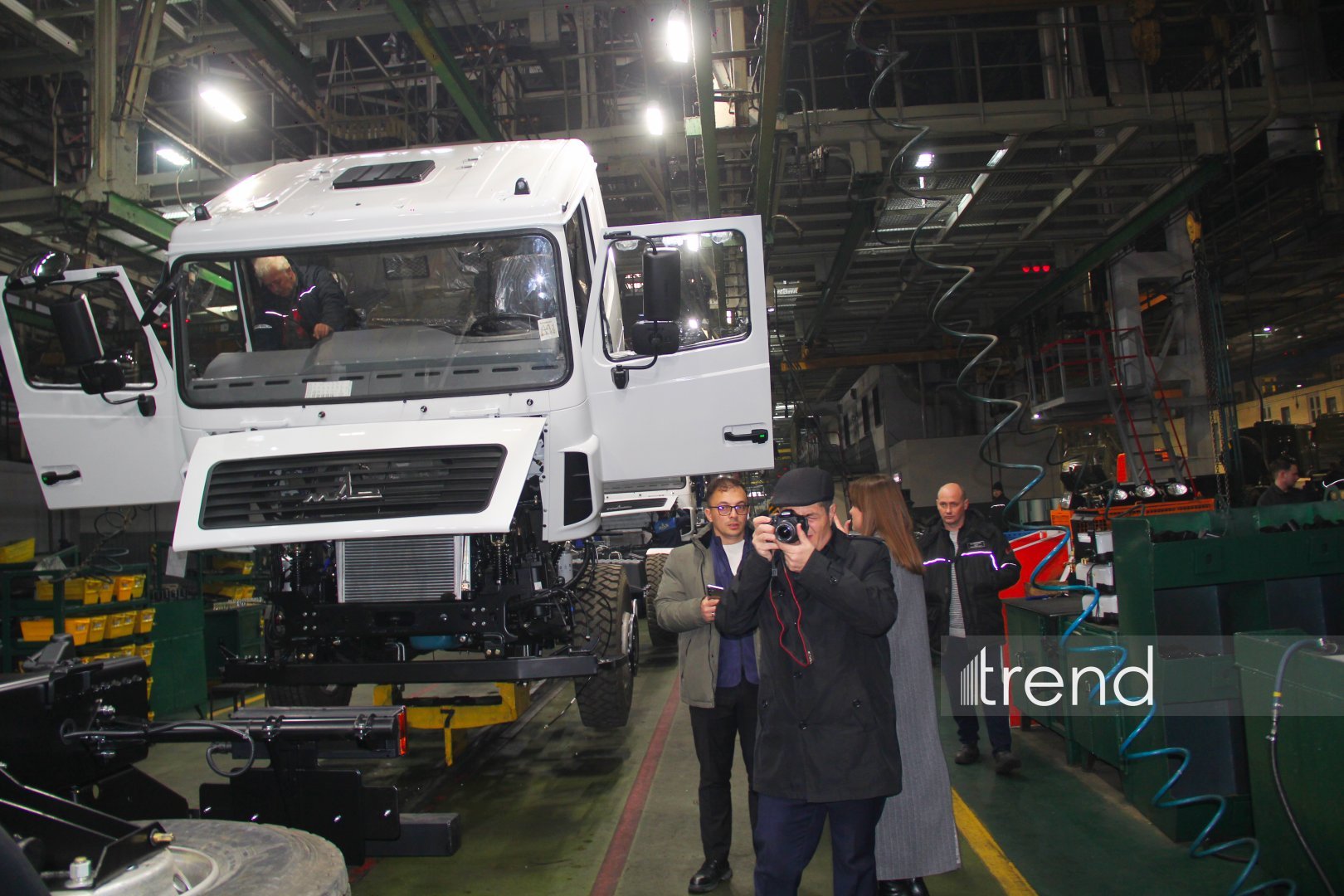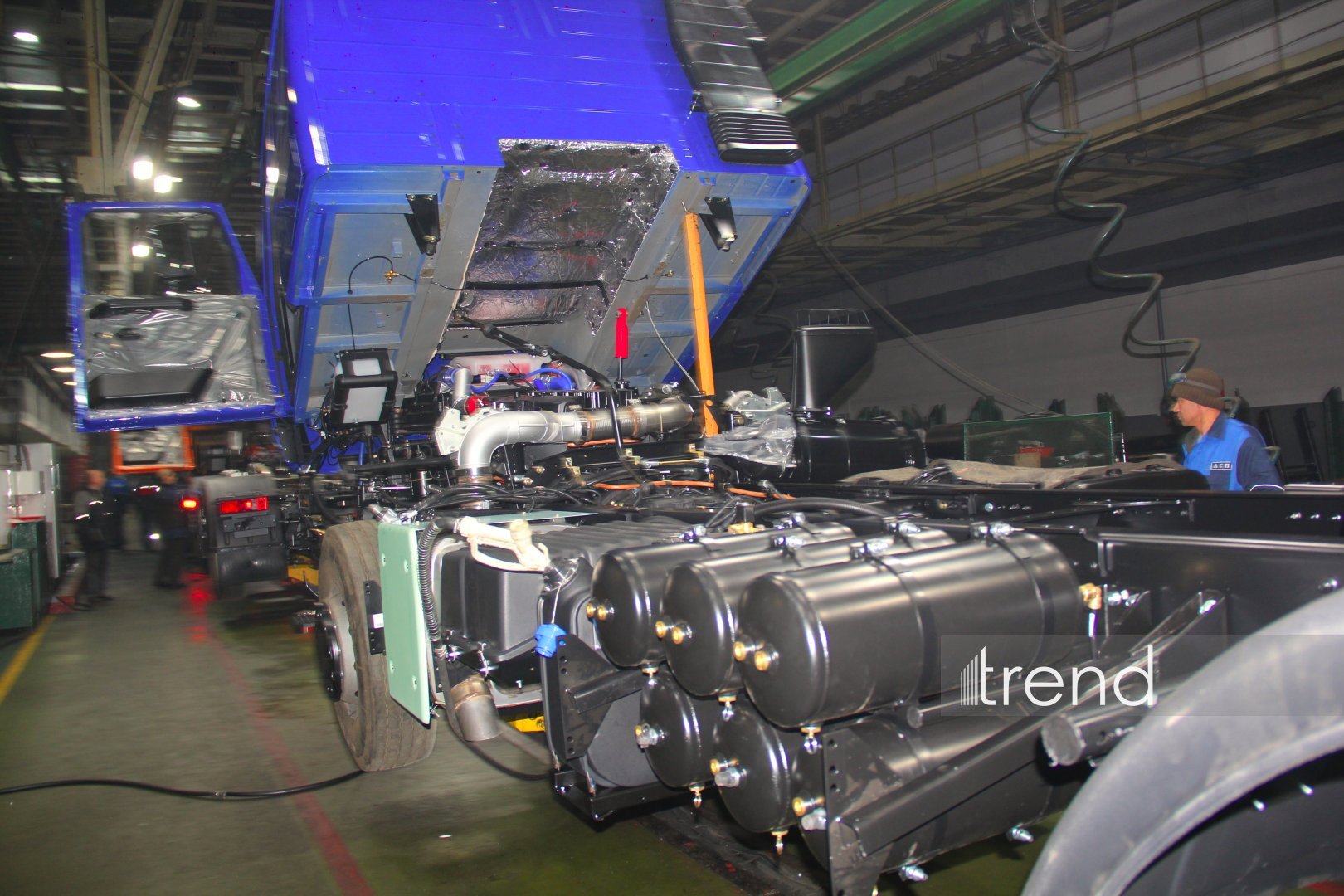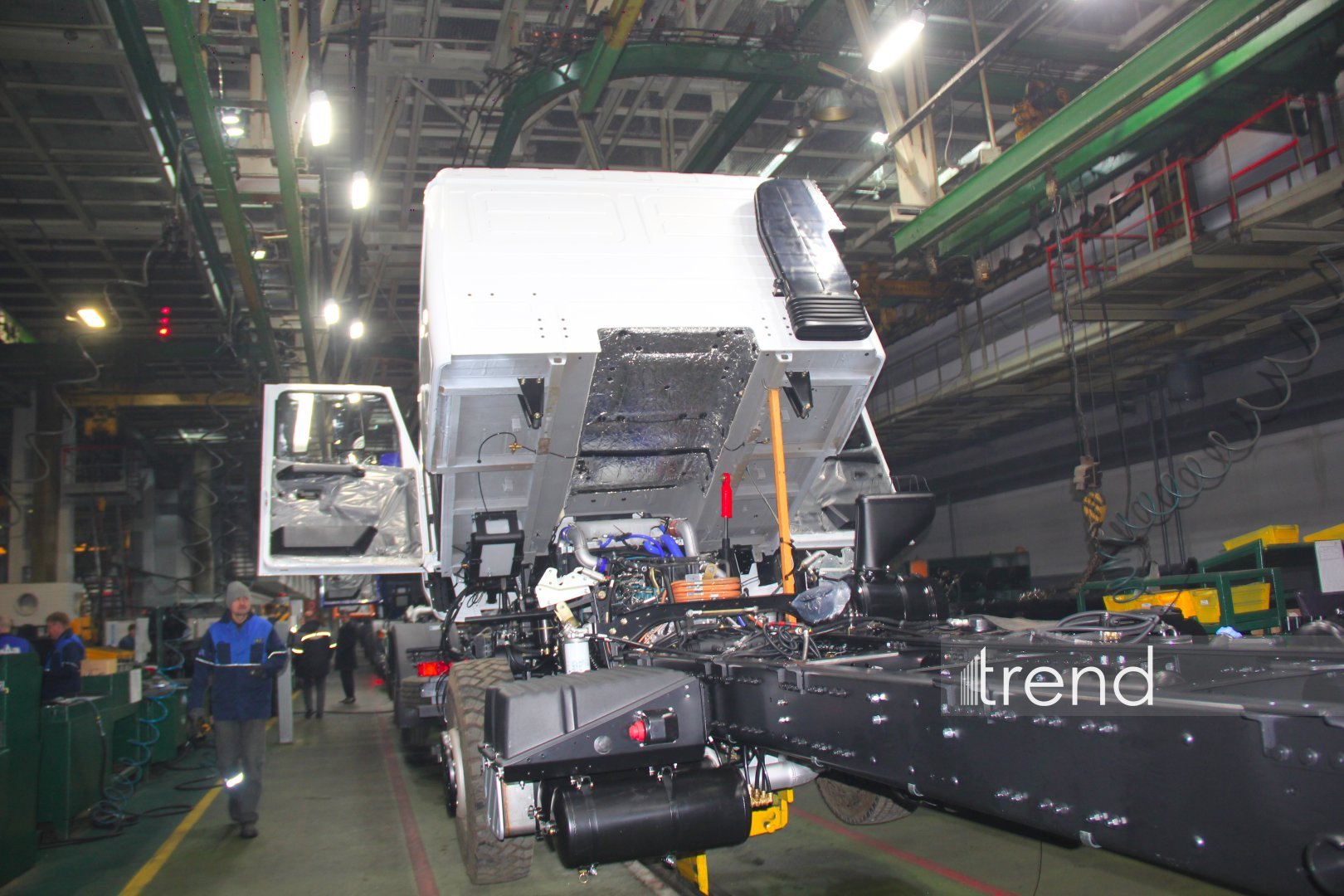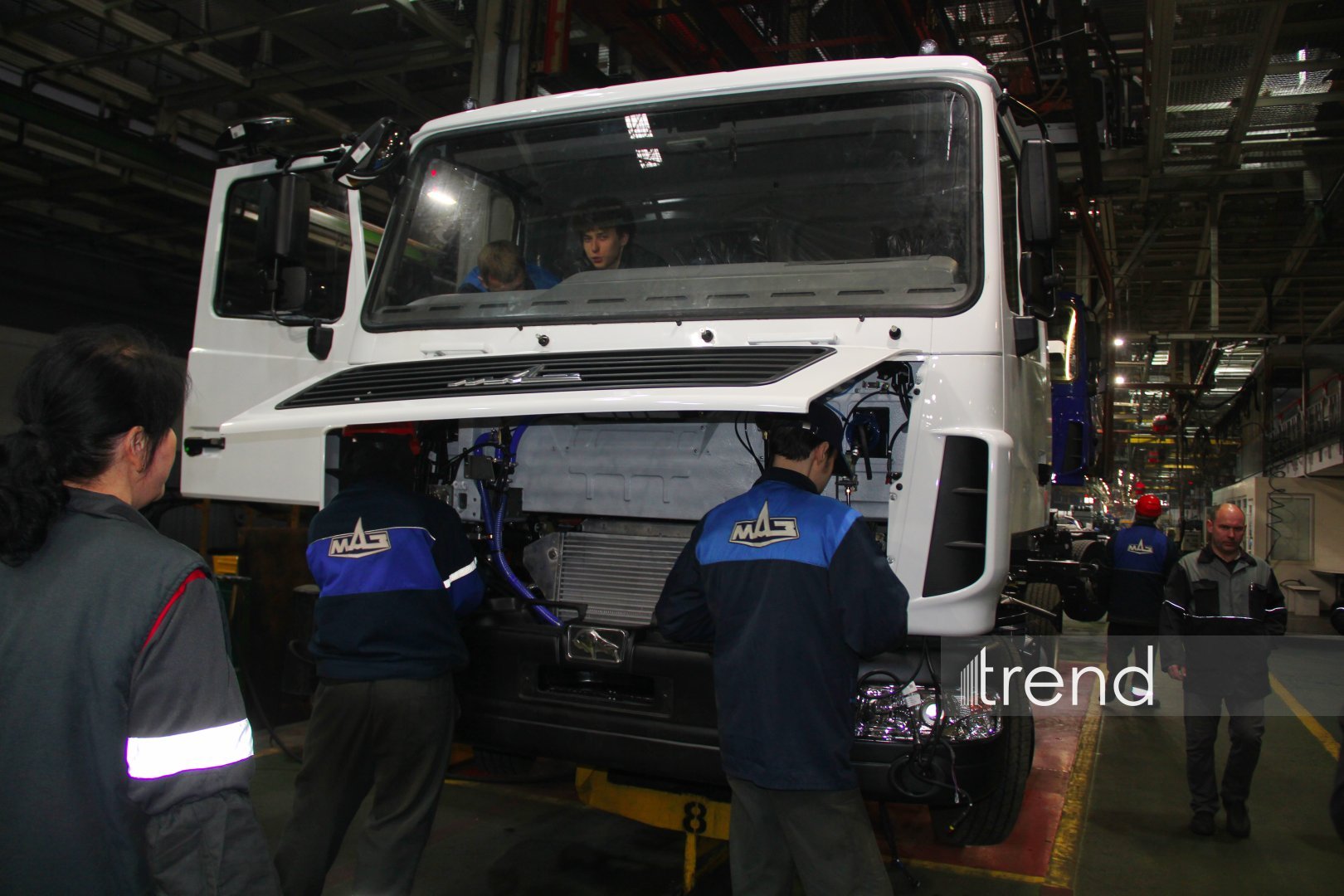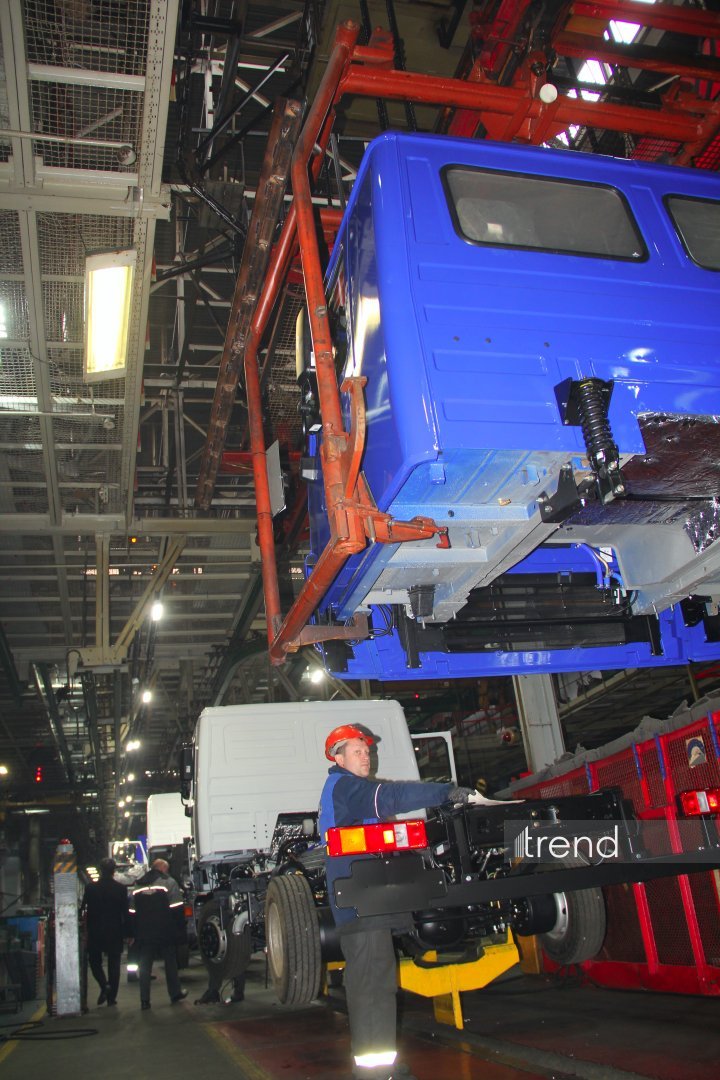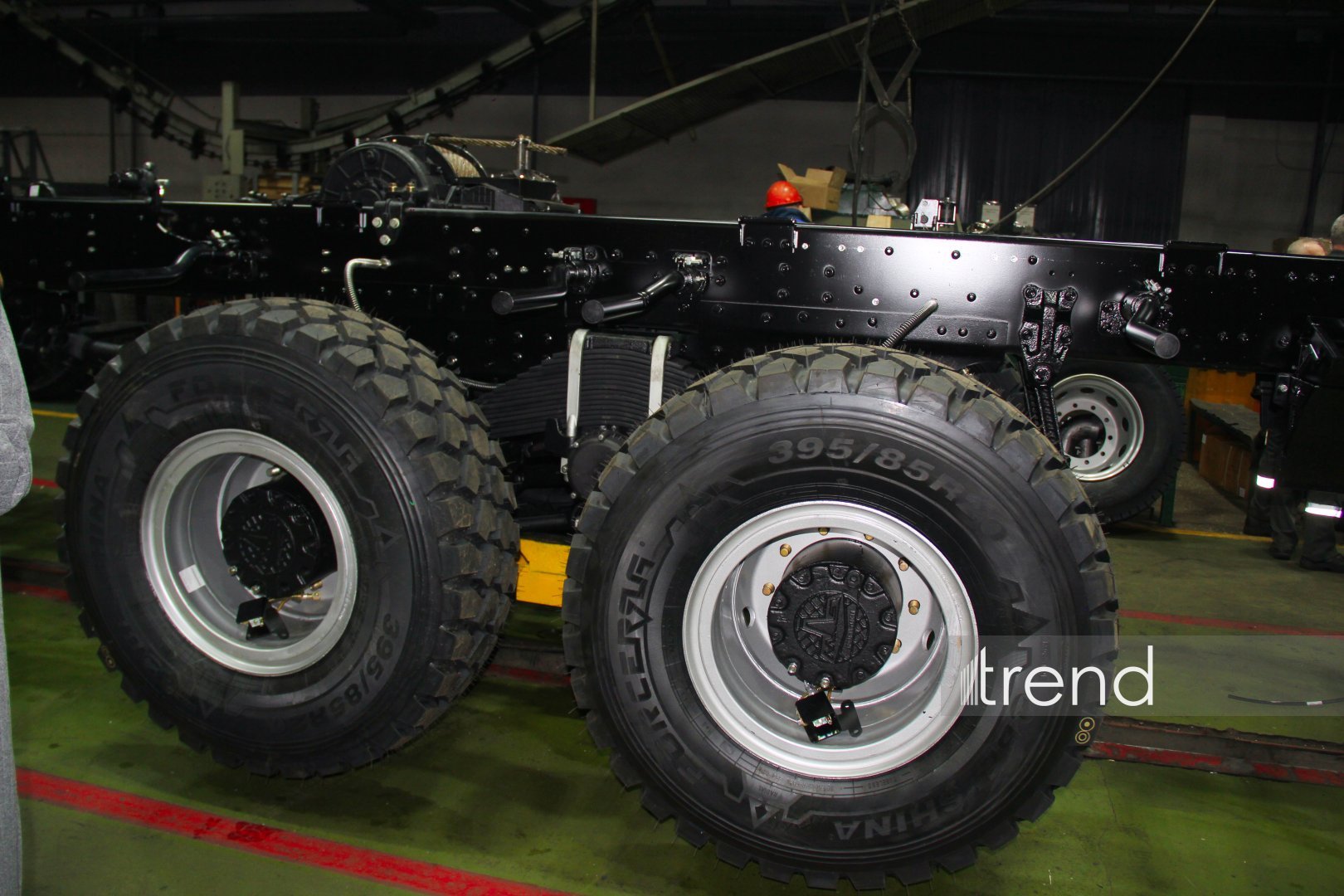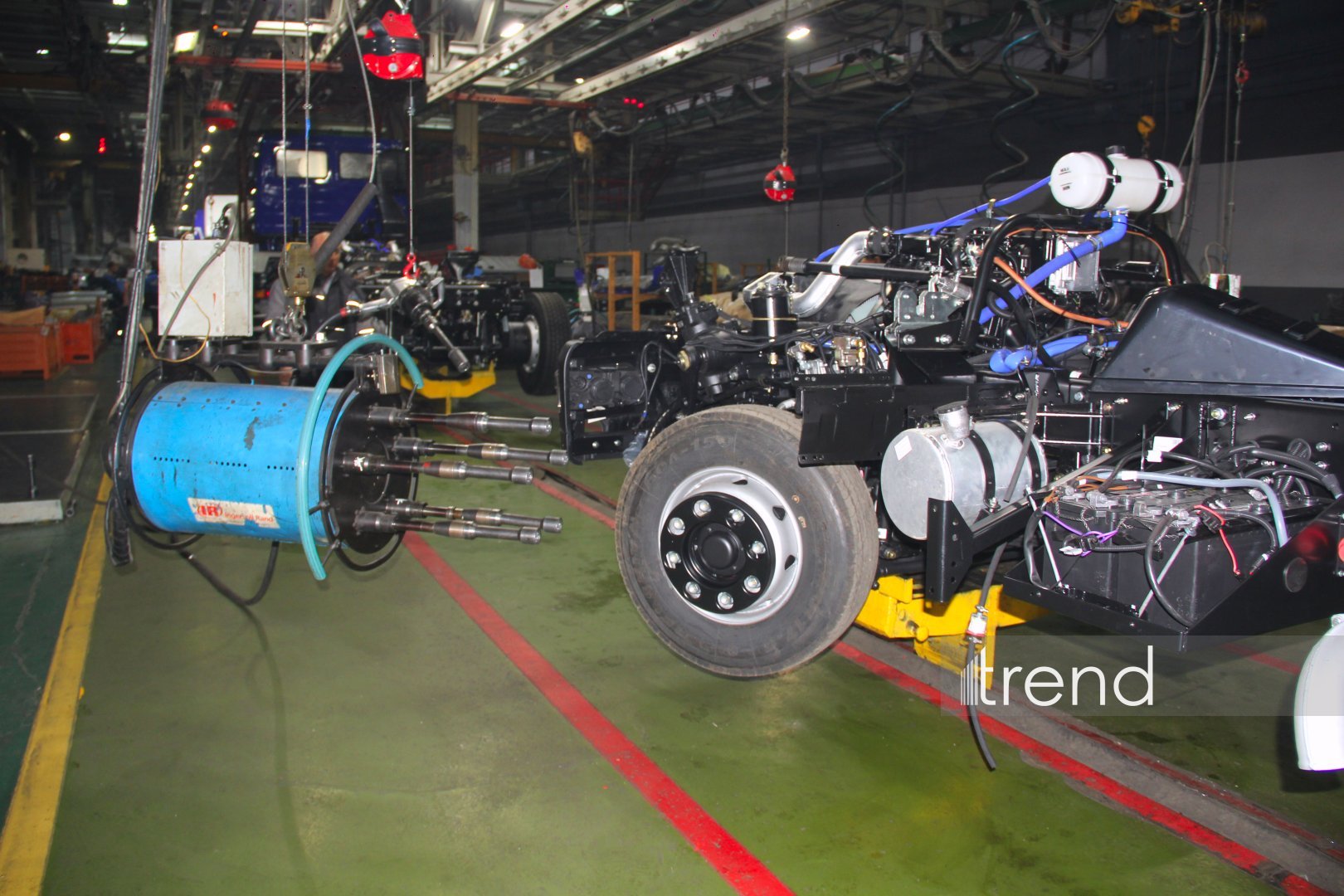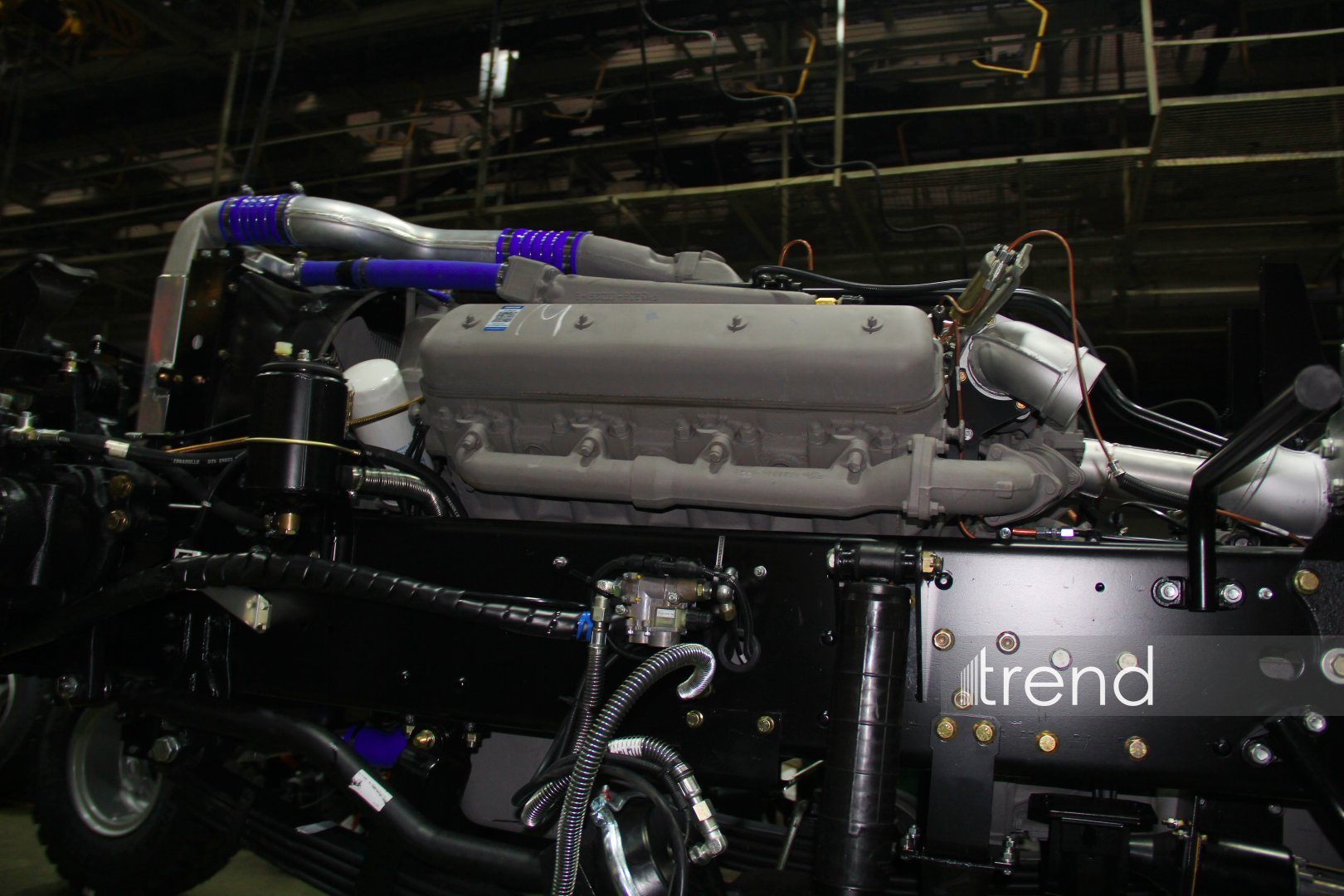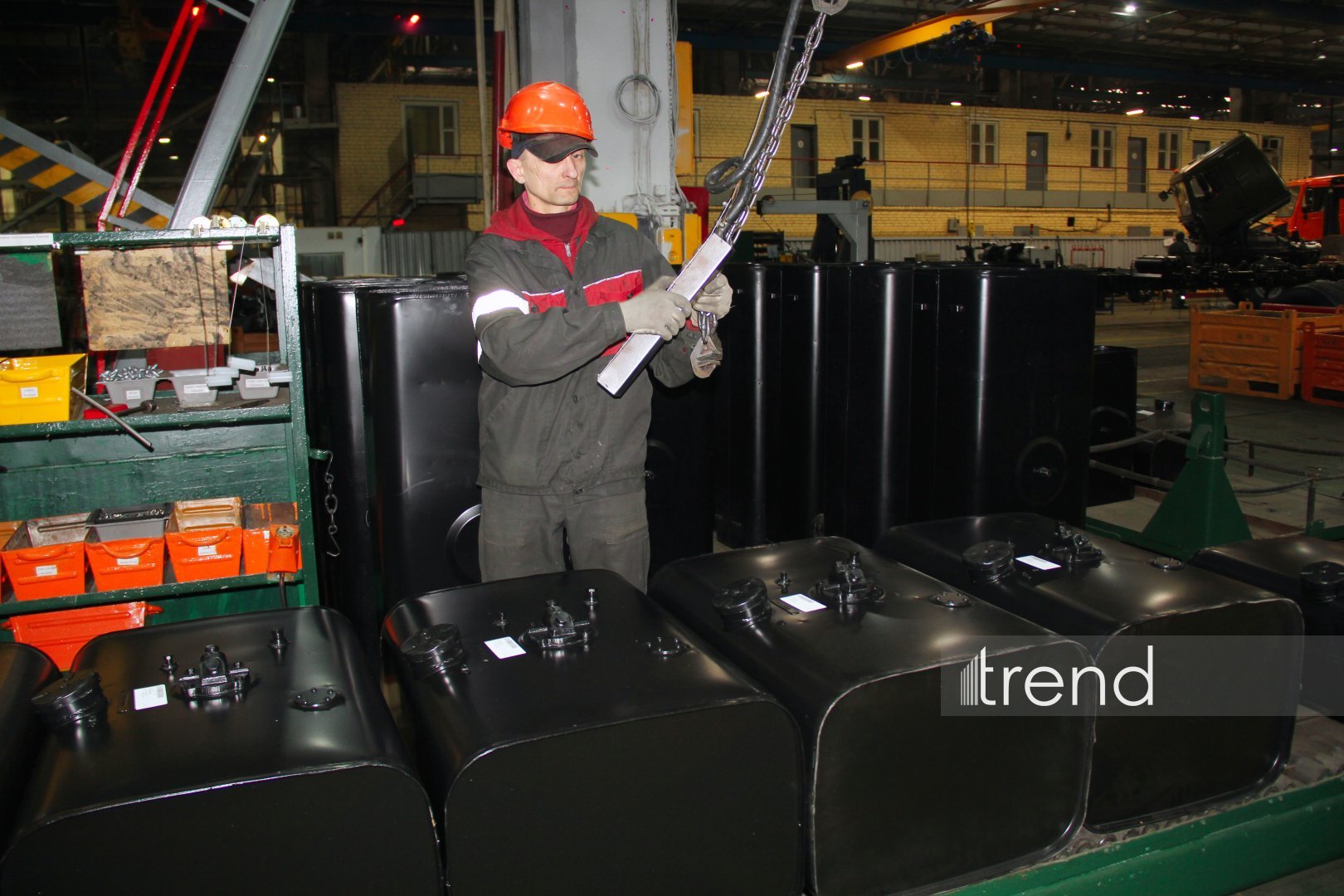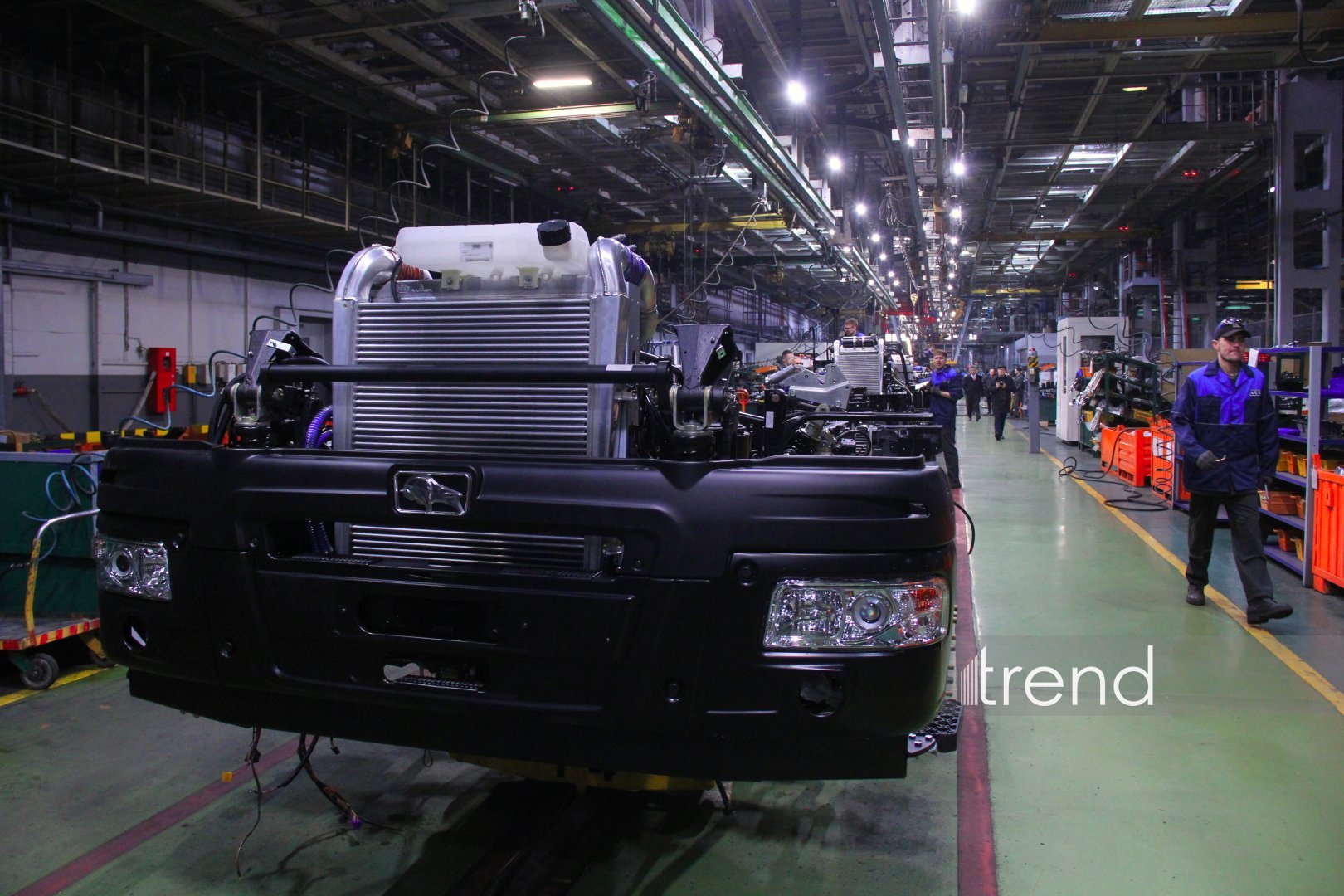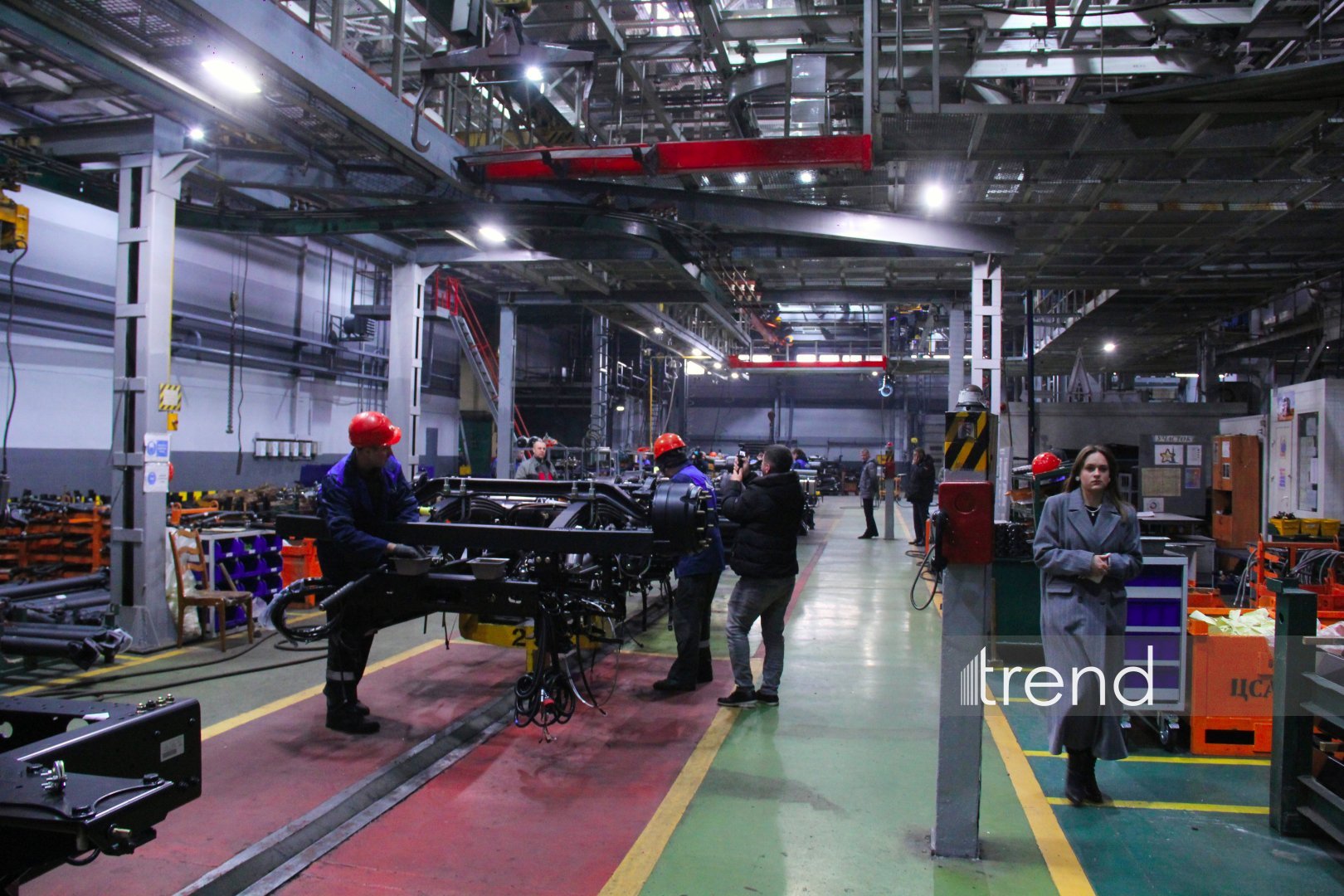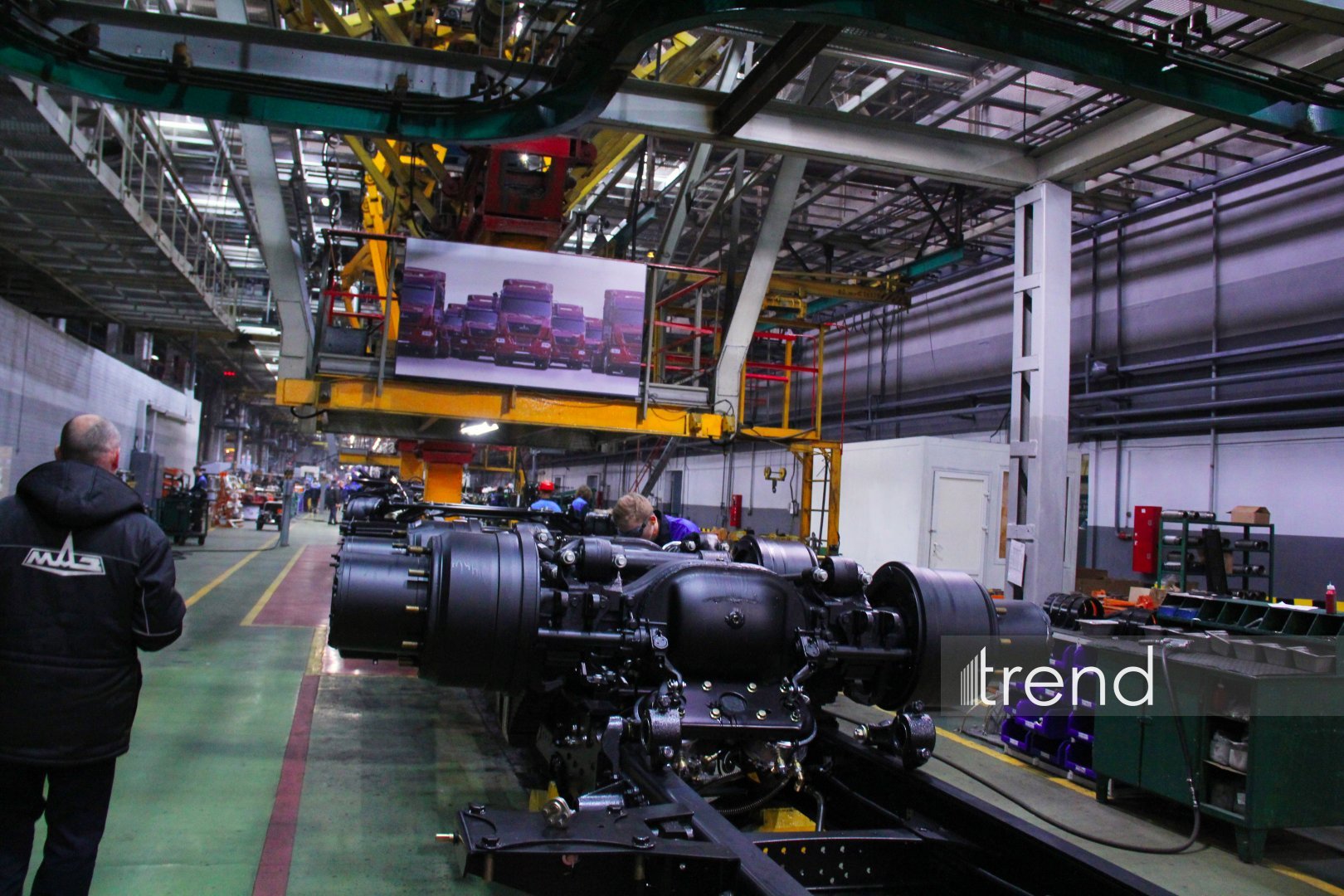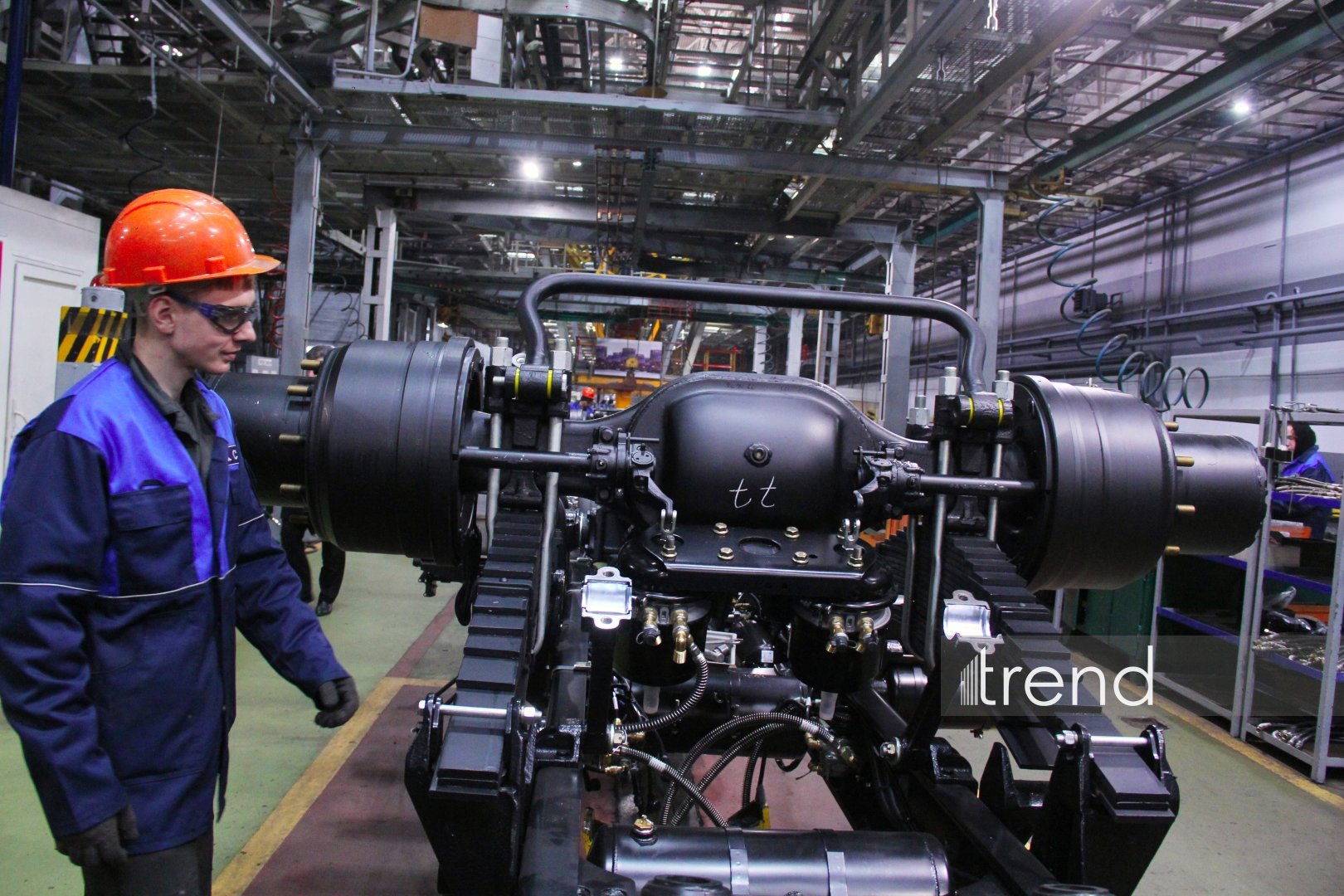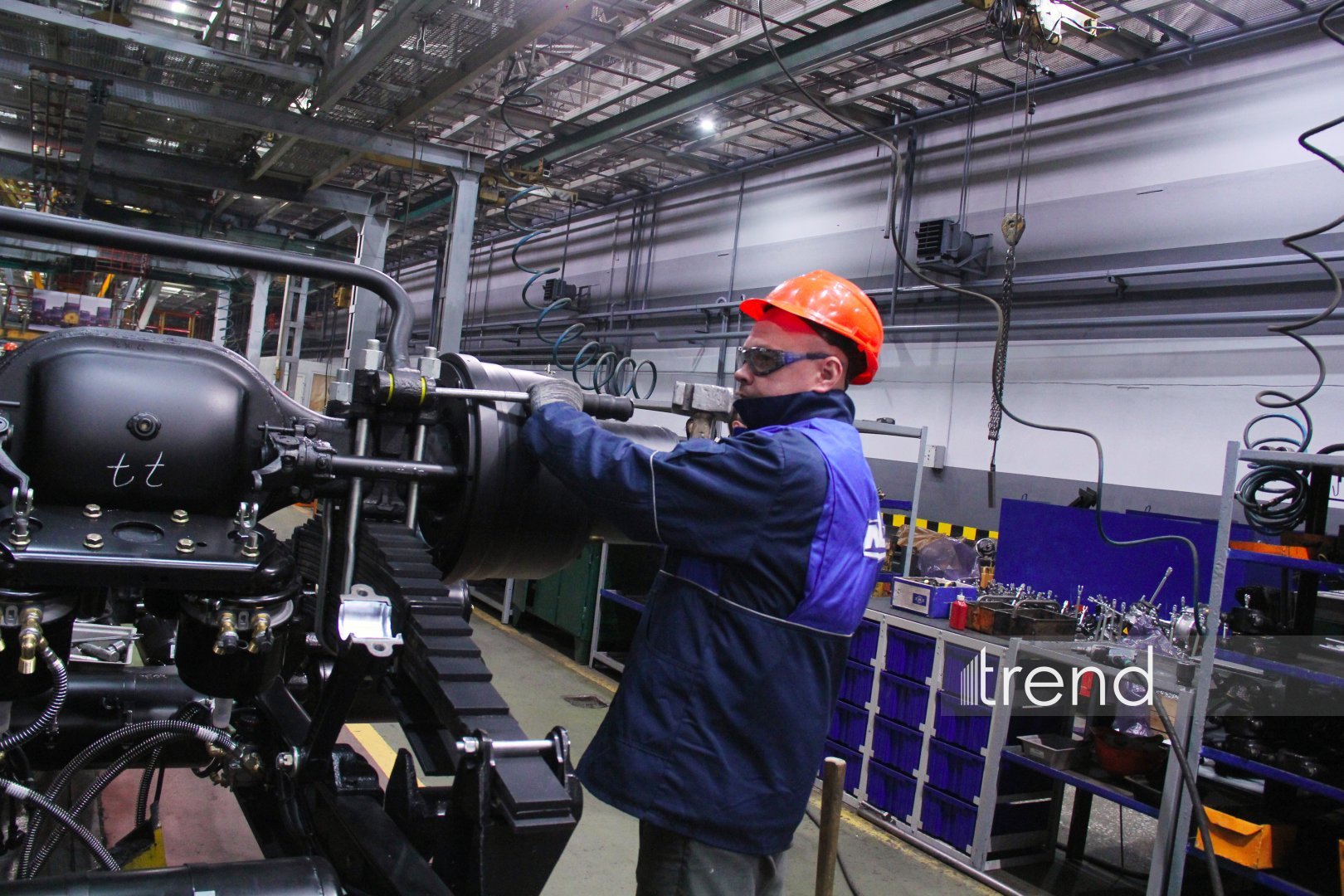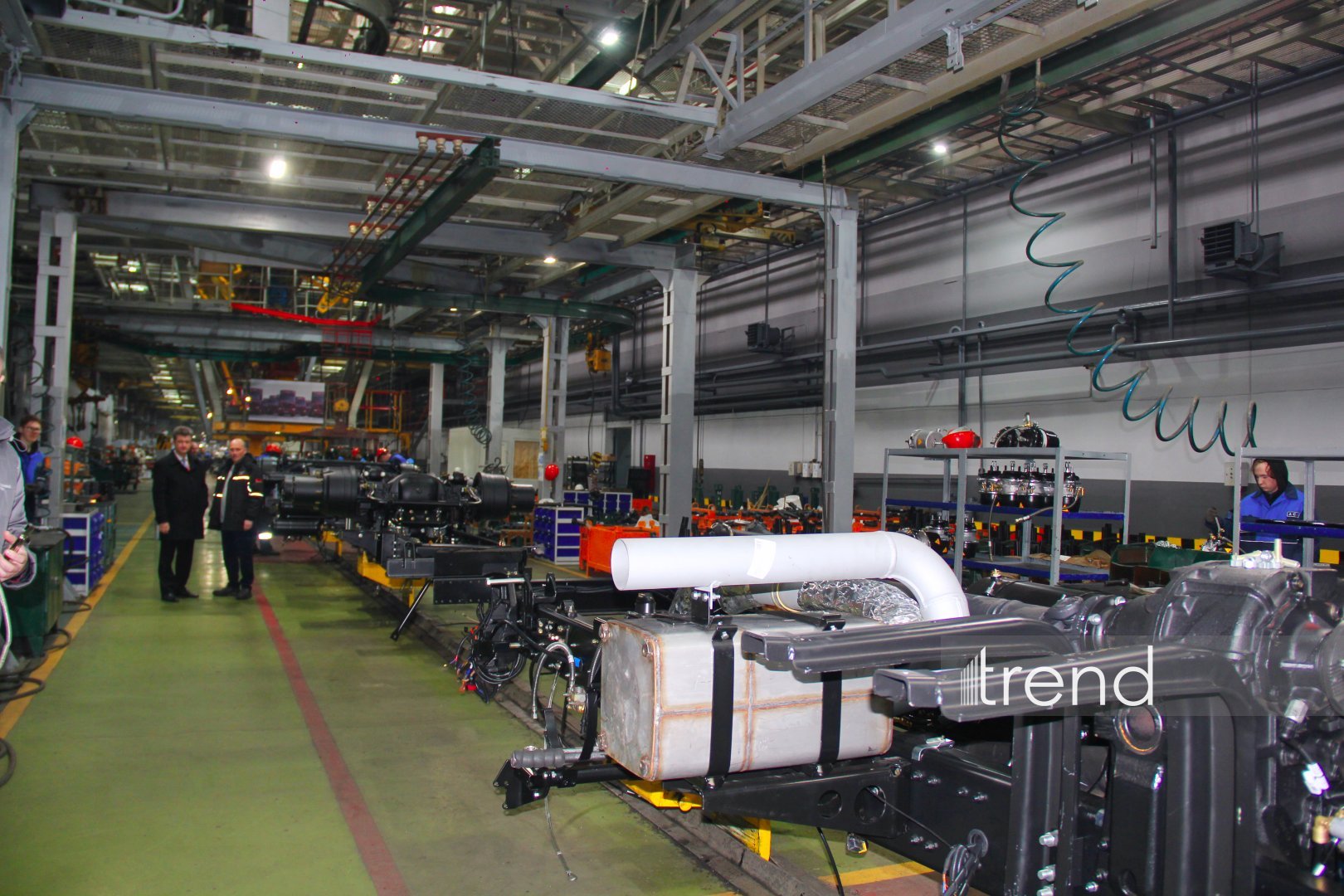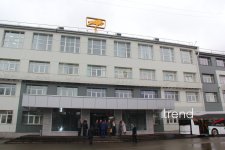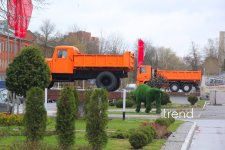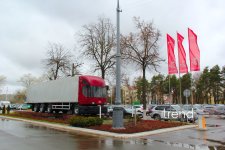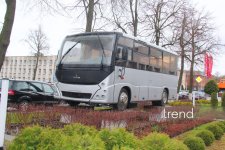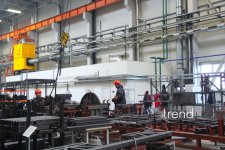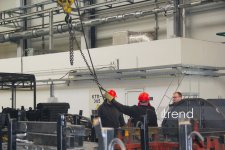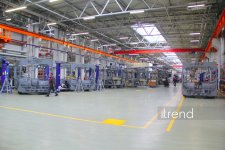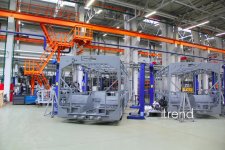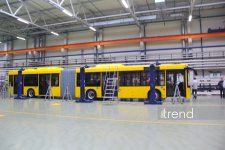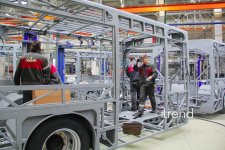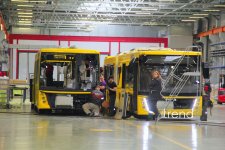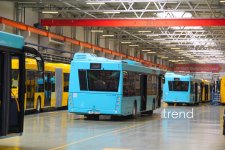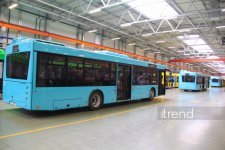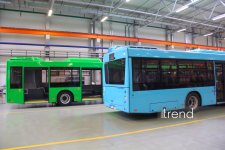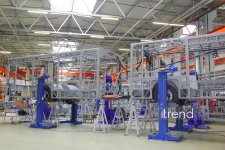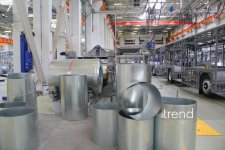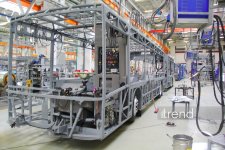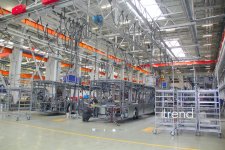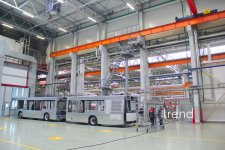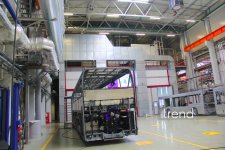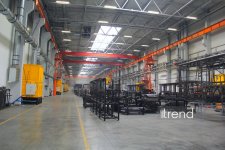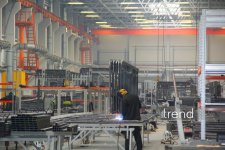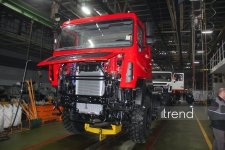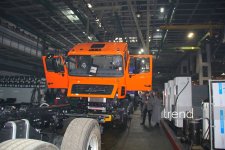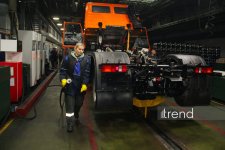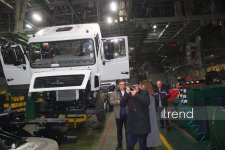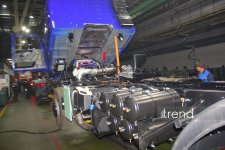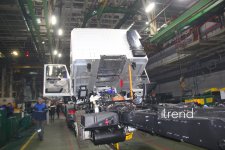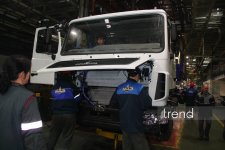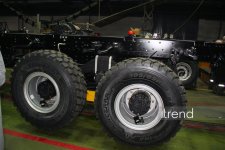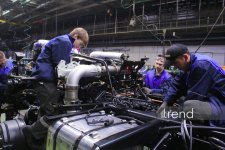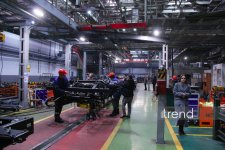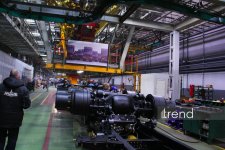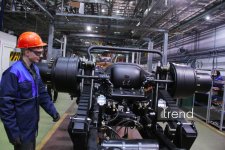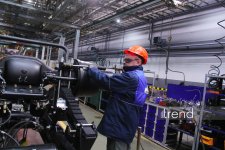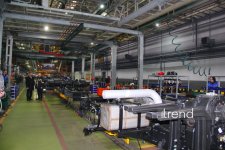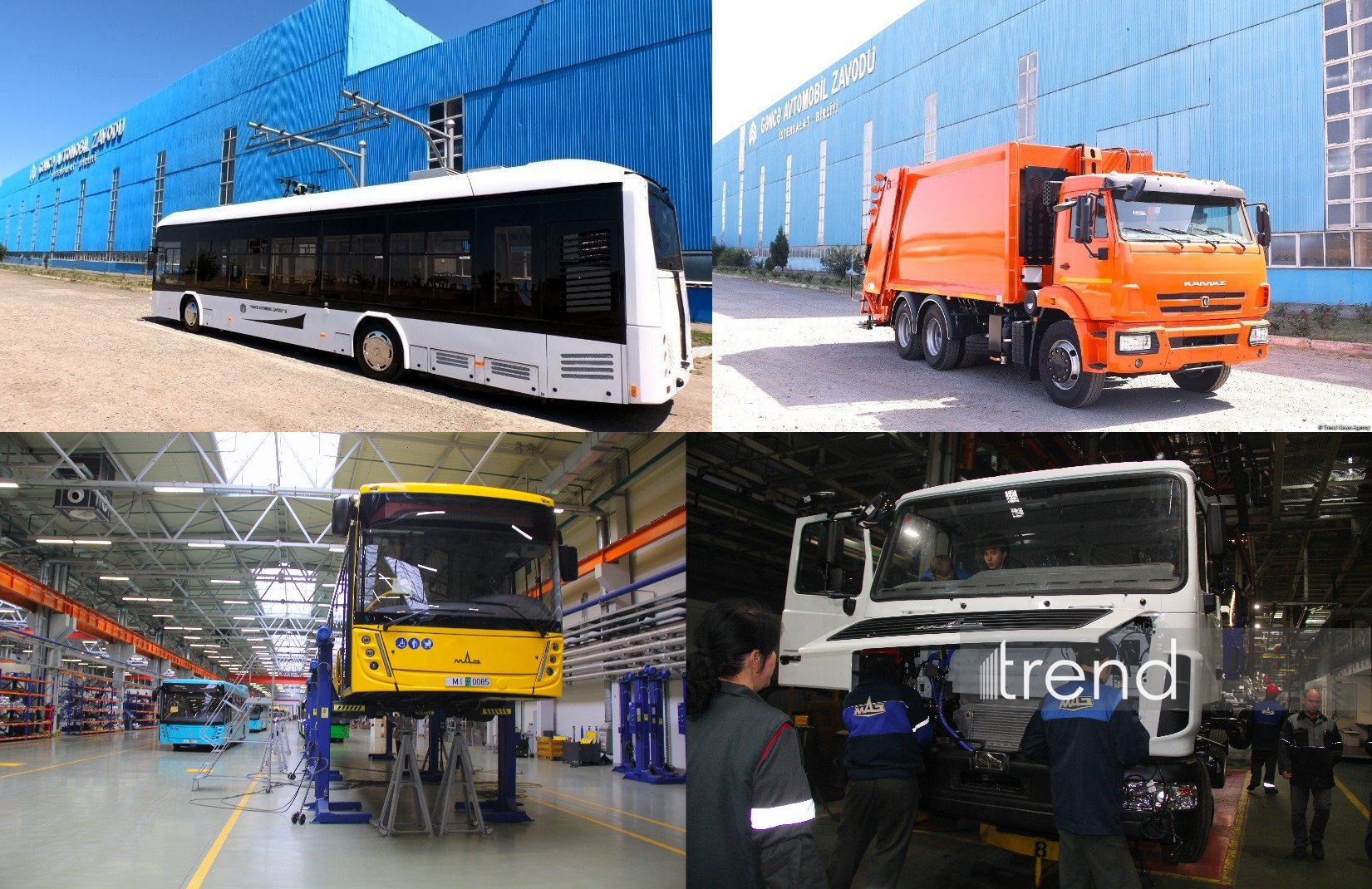
MINSK, Belarus, April 11. Representatives of Azerbaijani and Belarusian media visited the Minsk Automobile Plant—one of Belarus’s largest machine-building enterprises, specializing in the production of commercial and passenger vehicles, Trend reports.
The event was organized as part of the signing of an agreement to assemble a new batch of municipal vehicles (100 units) based on MAZ chassis at the Ganja Automobile Plant. This agreement was signed as part of the implementation of instructions given by Azerbaijani President Ilham Aliyev and Belarusian President Aleksandr Lukashenko during the Belarusian head of state’s official visit to Azerbaijan. The document was signed by Khanlar Fatiyev, Chairman of the Supervisory Board of the Ganja Automobile Plant (GAZ) Production Association and a member of the Azerbaijani Parliament, and Valery Ivanovich, General Director of MAZ OJSC. The cooperation between GAZ and MAZ is aimed at expanding and strengthening the bilateral economic ties between Azerbaijan and Belarus, as established by the heads of state.
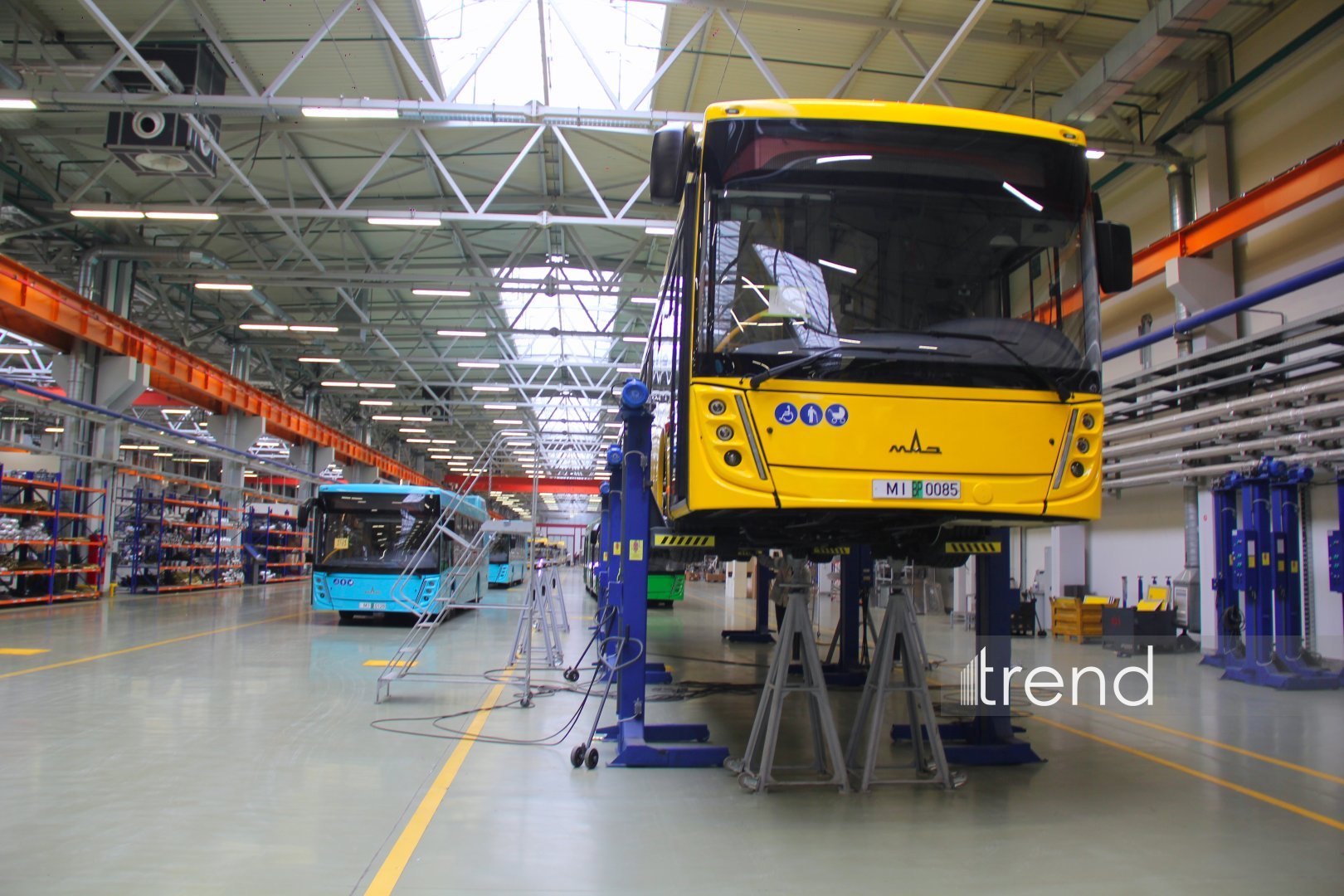
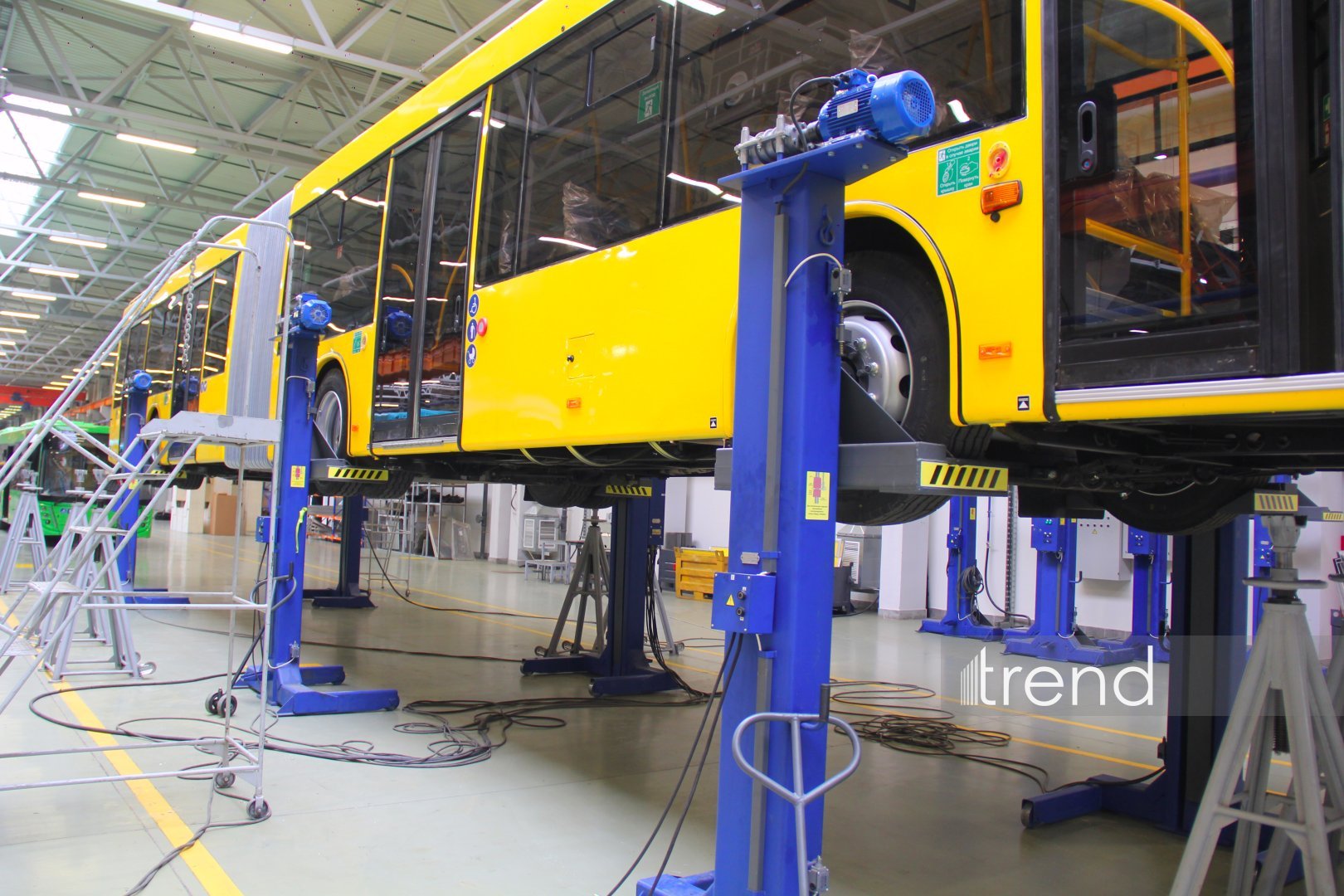
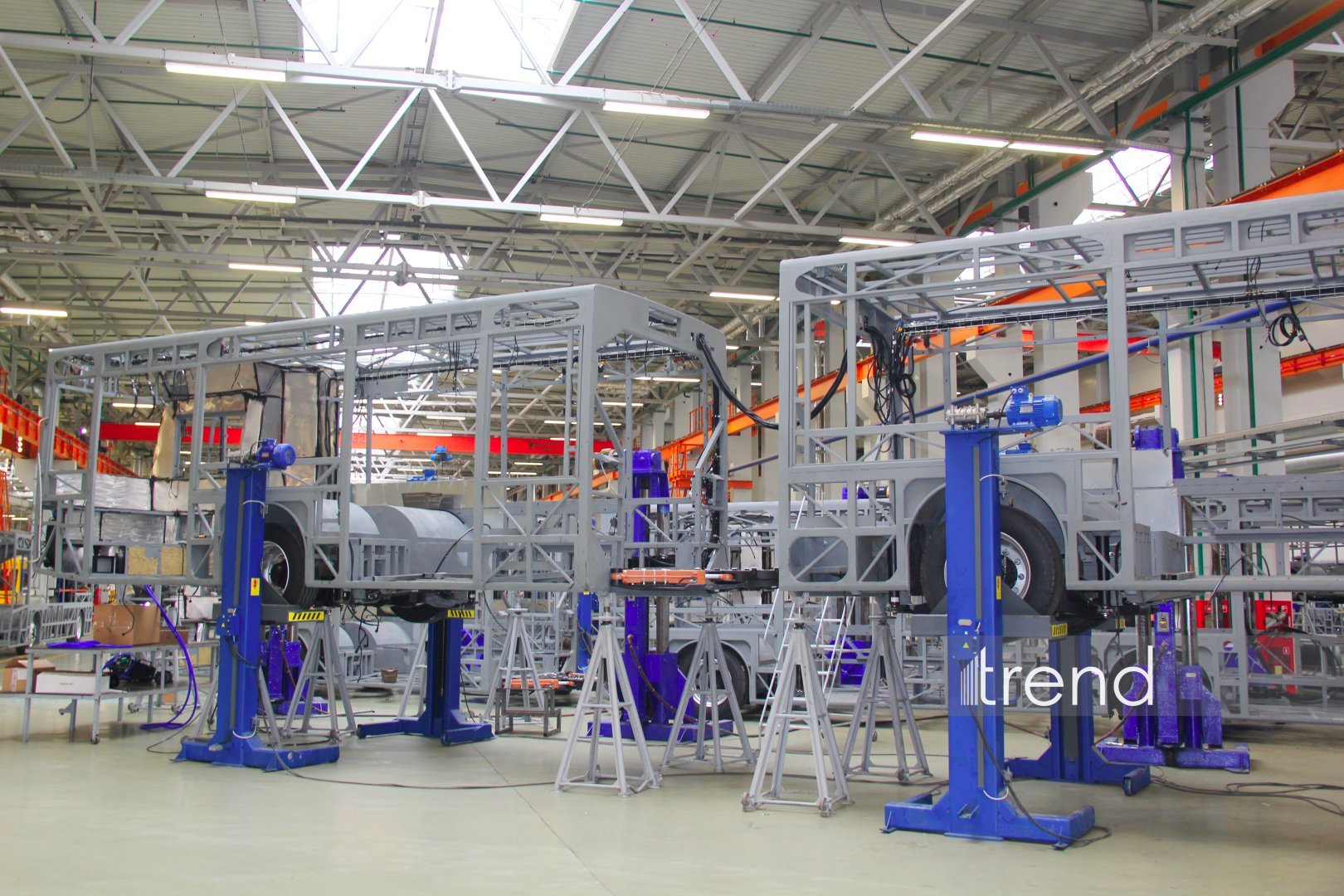
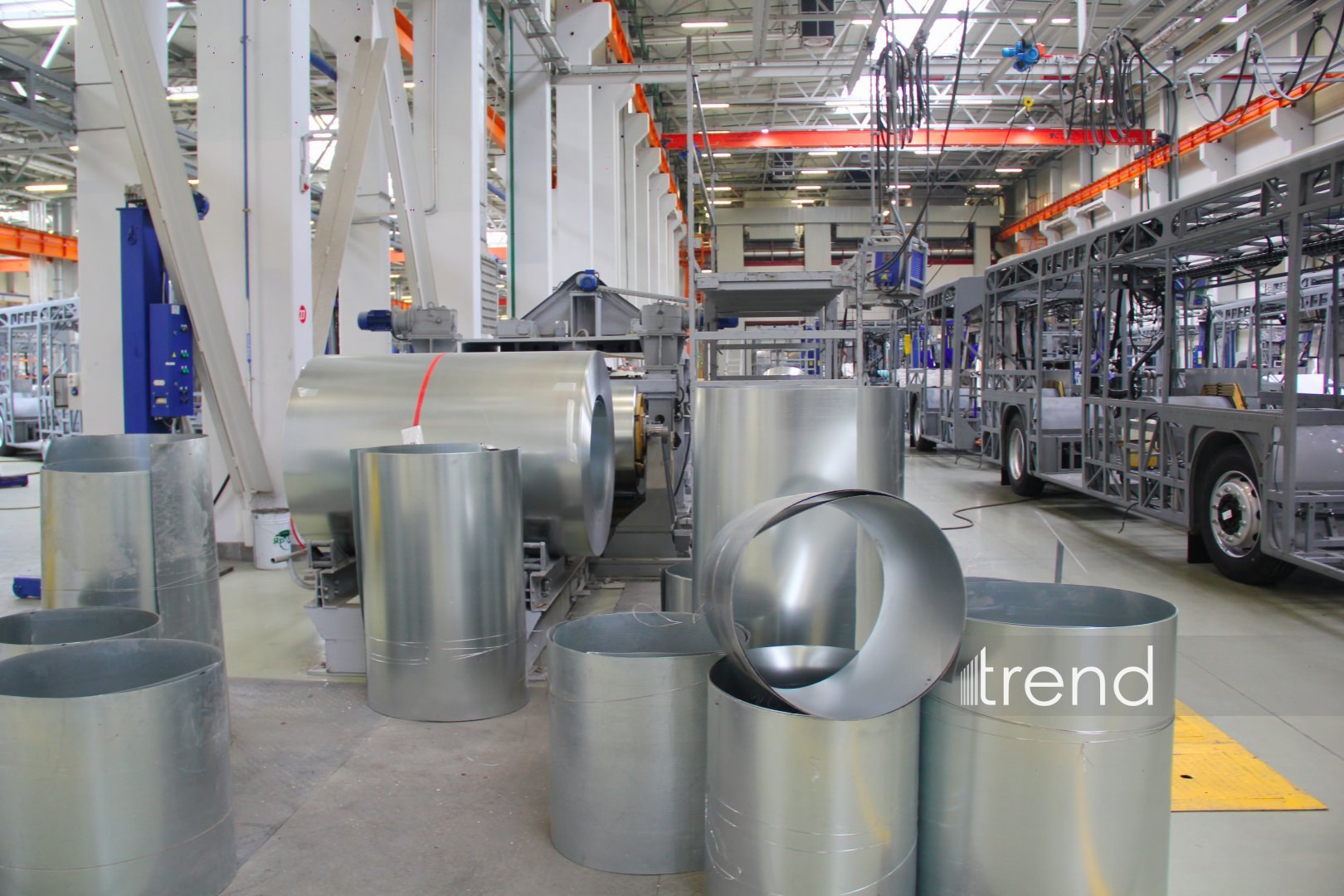
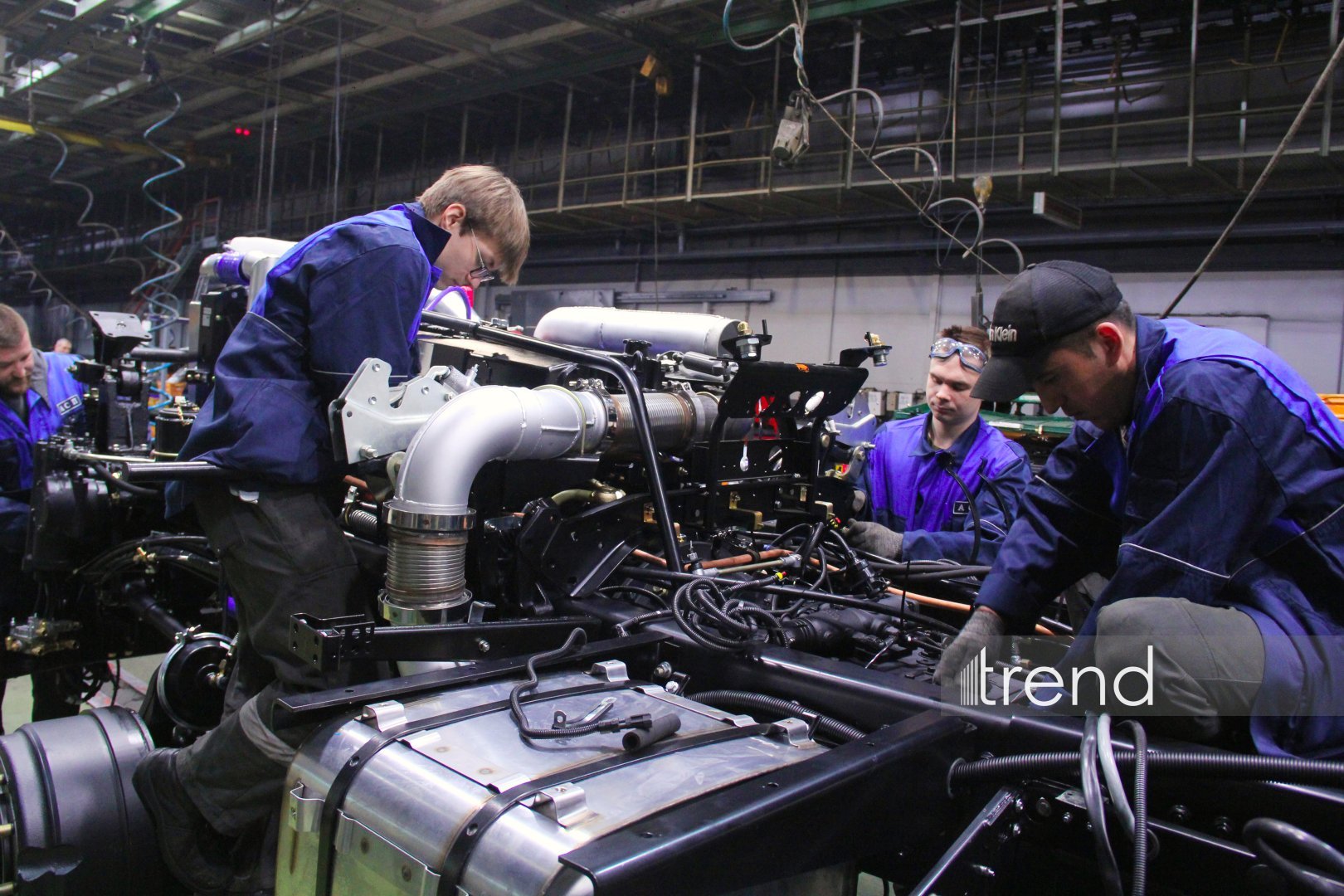
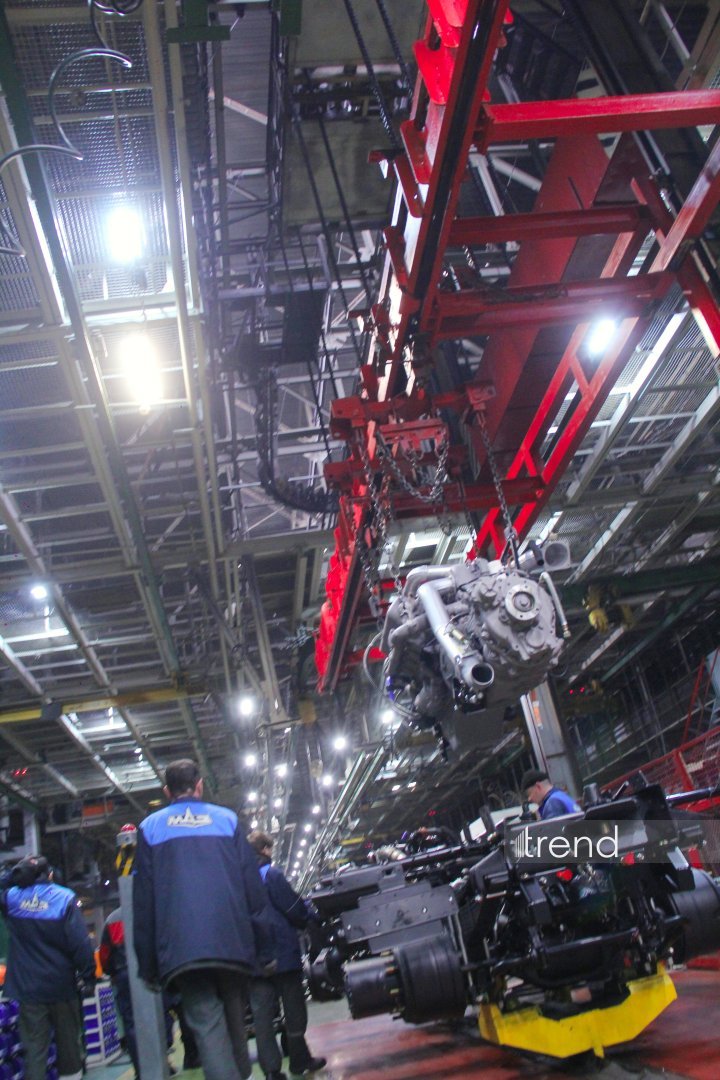
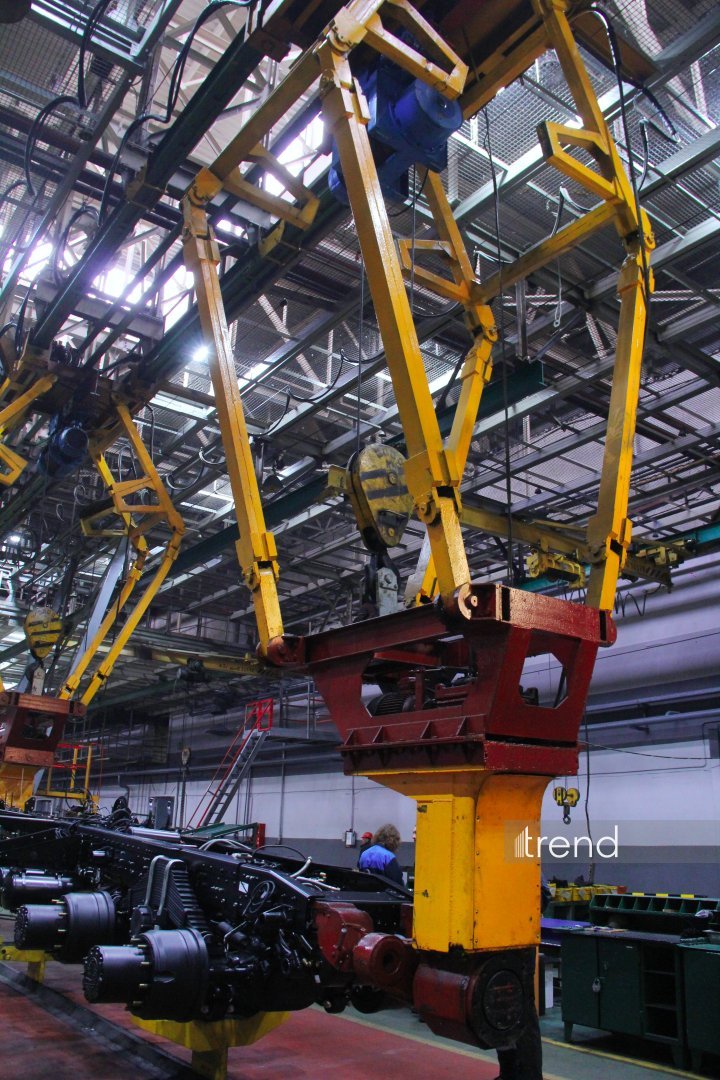
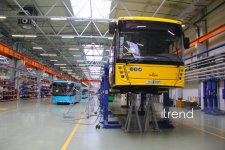
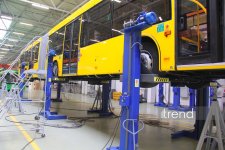
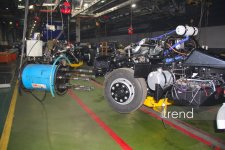
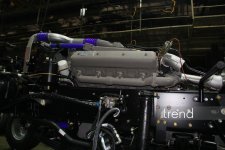
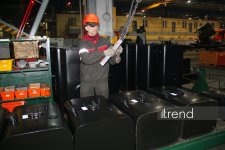
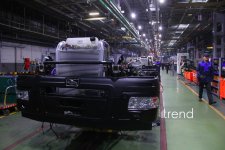
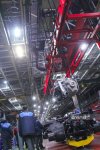
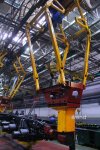
Media representatives were briefed on the production process of high-quality commercial and passenger vehicles, as well as the history of the plant, which was founded in 1944.
MAZ is considered one of the symbols of Belarusian industry, a key manufacturer of heavy-duty trucks in the region, and a major exporter of vehicles. The company manufactures a wide range of vehicles: trucks, tractor-trailers, dump trucks, truck cranes, timber trucks, buses and minibuses, trolleybuses, special-purpose vehicles, and trailers. The product range includes over 400 models, variants, and configurations.
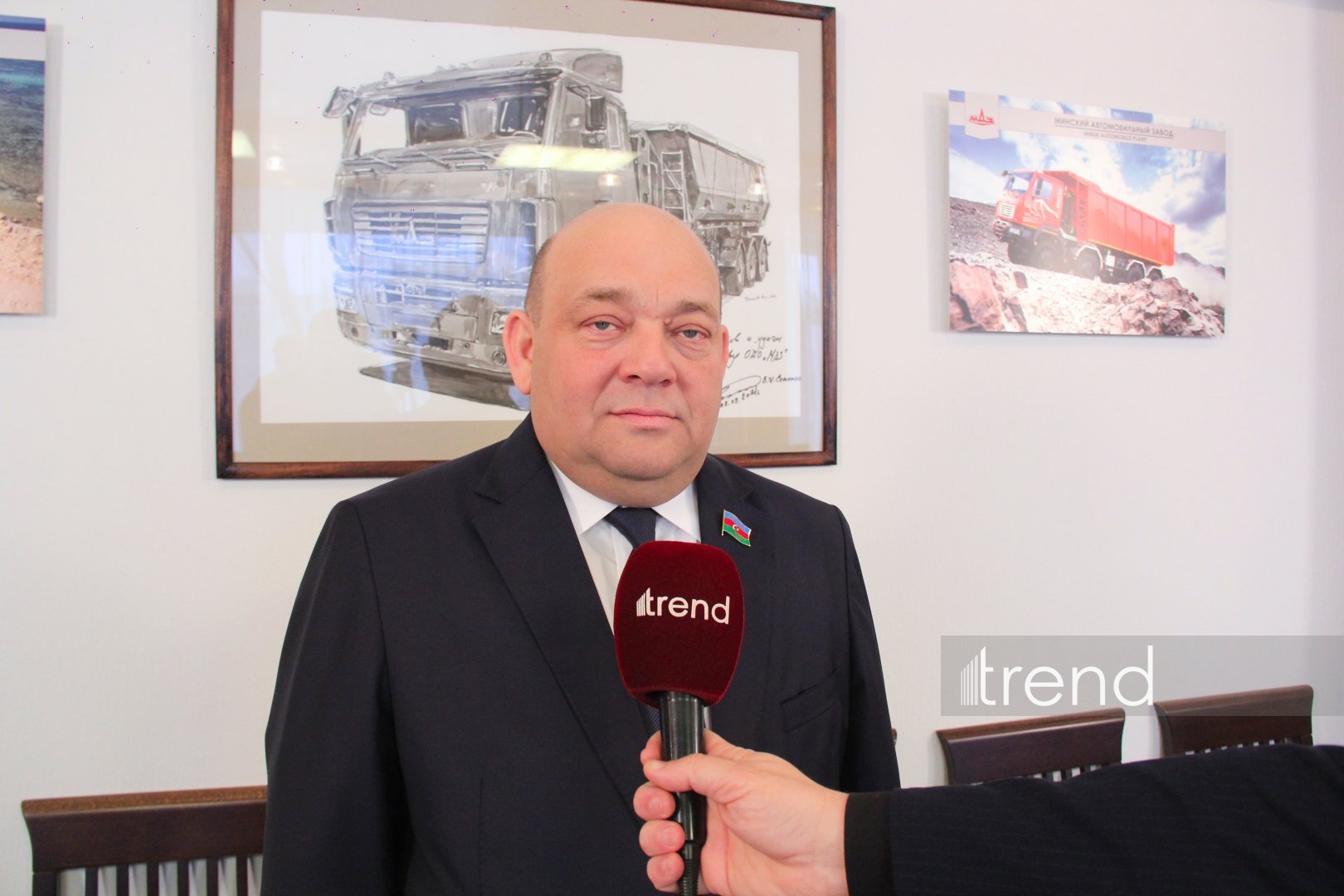
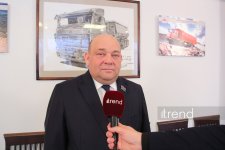
In an interview with Trend, Valery Ivankovich, General Director of MAZ OJSC, emphasized the particular significance of the new agreement, highlighting the technological partnership and the expansion of production capabilities.
"The new agreement marks another stage in the consistent and systematic development of cooperation between our plants. Over the past ten years, we have been developing joint cooperation with the production facilities that we are establishing and promoting together in Azerbaijan. This is such an important technological integration, an impetus provided by the visit of Belarusian President Aleksandr Lukashenko to Azerbaijan. The new agreement opens up even broader prospects and opportunities to increase production volumes to a thousand units.
“Particular attention is being paid to the development of municipal equipment production, which is directly linked to addressing social issues and improving the quality of life for the population. We are talking about equipment that is essential for everyday life in cities and regions,” noted the CEO of MAZ.
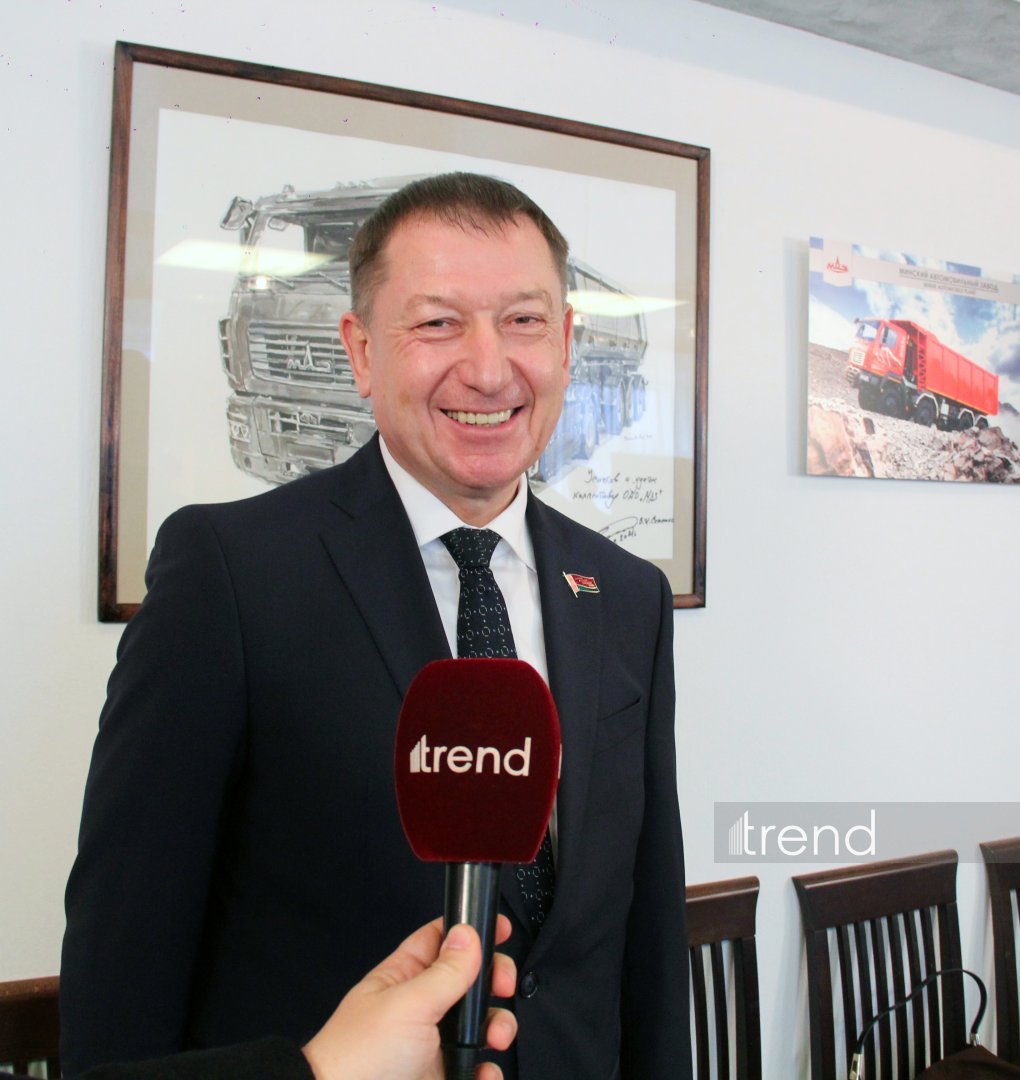
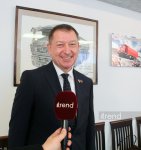
Khanlar Fatiyev, Chairman of the Supervisory Board of the Ganja Automobile Plant, emphasized in an interview with Trend that all of the company’s achievements today are directly linked to the name of President Ilham Aliyev.
According to him, in 2004, the enterprise—which had been in a state of unfinished construction for many years—transformed into one of the leading plants not only in the western region but also in the entire country in the field of automotive and agricultural machinery production.
A key stage of development, as Fatyiev emphasized, began after the official visit of the President of Azerbaijan to Belarus in 2006. The friendly and fraternal relations between the heads of state laid the foundation for taking bilateral cooperation to a qualitatively new level.
“We are proud to be at the center of the development of Azerbaijani-Belarusian economic ties,” he noted.
Following that visit, assembly lines were established at the plant, modern technical equipment was introduced, and employees underwent specialized training courses. To date, the plant has produced more than 15,000 tractors of various models and over 4,000 MAZ vehicles.
Fatiyev also stressed that economic cooperation projects with Belarus are constantly a priority for the head of state.
As part of this cooperation, a contract has already been signed with MAZ to supply components for the assembly of 100 vehicles for household waste collection. At the same time, about 90% of the bodywork for the vehicles is manufactured locally—in Ganja—by local specialists.
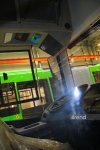
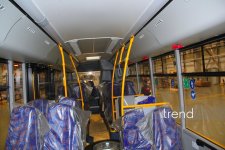
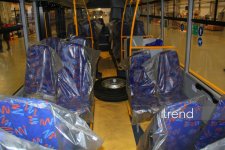
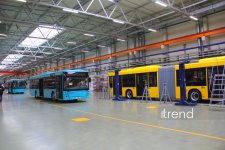
Speaking about other areas of cooperation with Belarusian enterprises, Fatiyev noted the development of bus and electric bus production. To date, six city buses and four experimental E-321 electric buses have been manufactured as part of the partnership. He noted with particular pride that these electric buses are currently serving our citizens in our beloved Shusha, which has been liberated from occupation.
The buses comply with the Euro 5 environmental standard, are fuel-efficient, and are suitable for operation in Baku, Ganja, Sumgait, and other cities. They are designed to carry up to 83 passengers and are equipped with 26 seats, air conditioning, information monitors, and a video surveillance system.
Electric buses, in turn, are environmentally friendly and economical. They can reach speeds of up to 60 km/h, and their batteries can be fully charged in just 6 minutes at an RGZP/G/300KW 600V-EN charging station in urban conditions.
In conclusion, Fatiyev stressed that cooperation with Belarusian enterprises will continue and expand. According to him, Belarusian equipment is highly reliable and durable, and the products of the Ganja Automobile Plant have already won the trust of consumers.
“With orders for buses and electric buses, our production base and the professionalism of our specialists allow us to implement large-scale projects in this area as well,” he added.