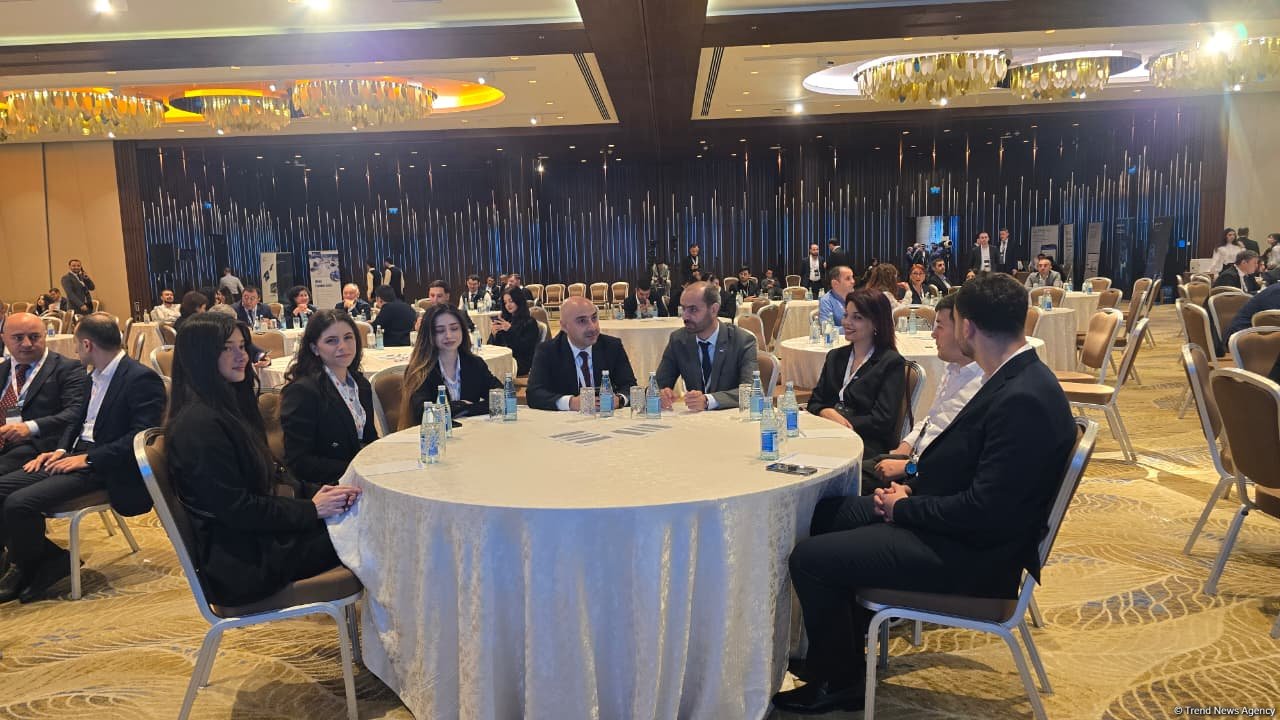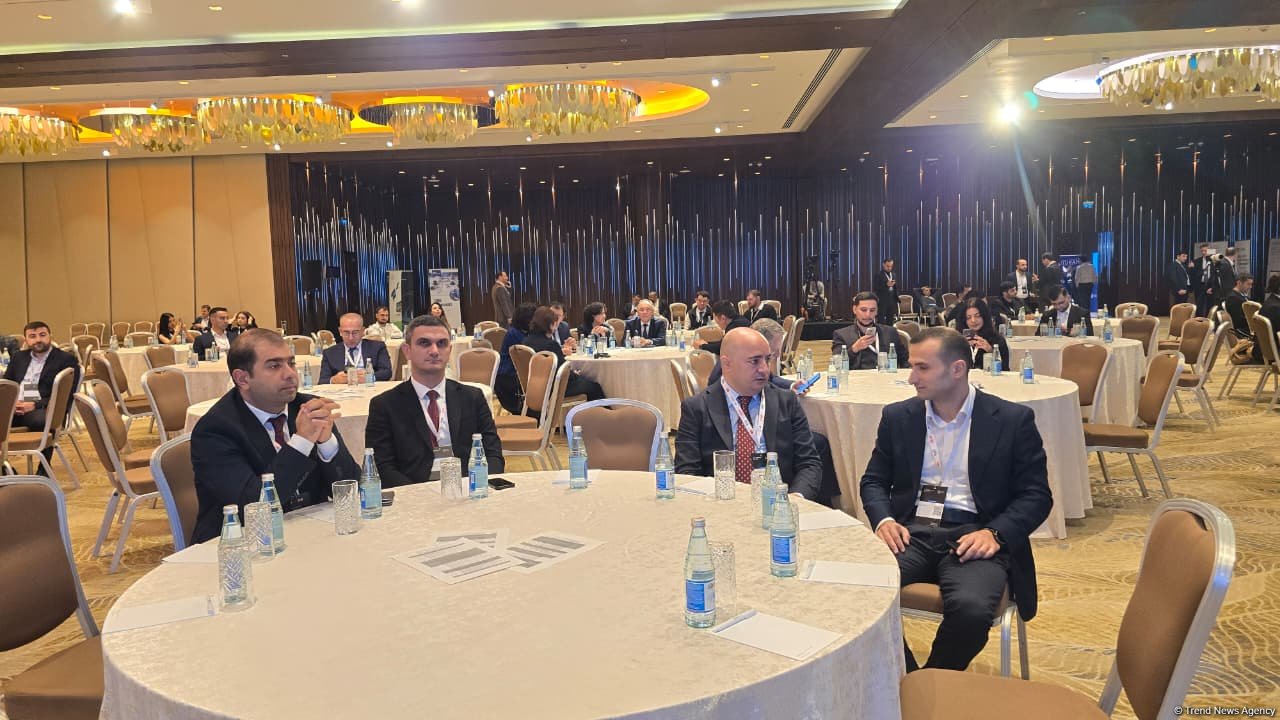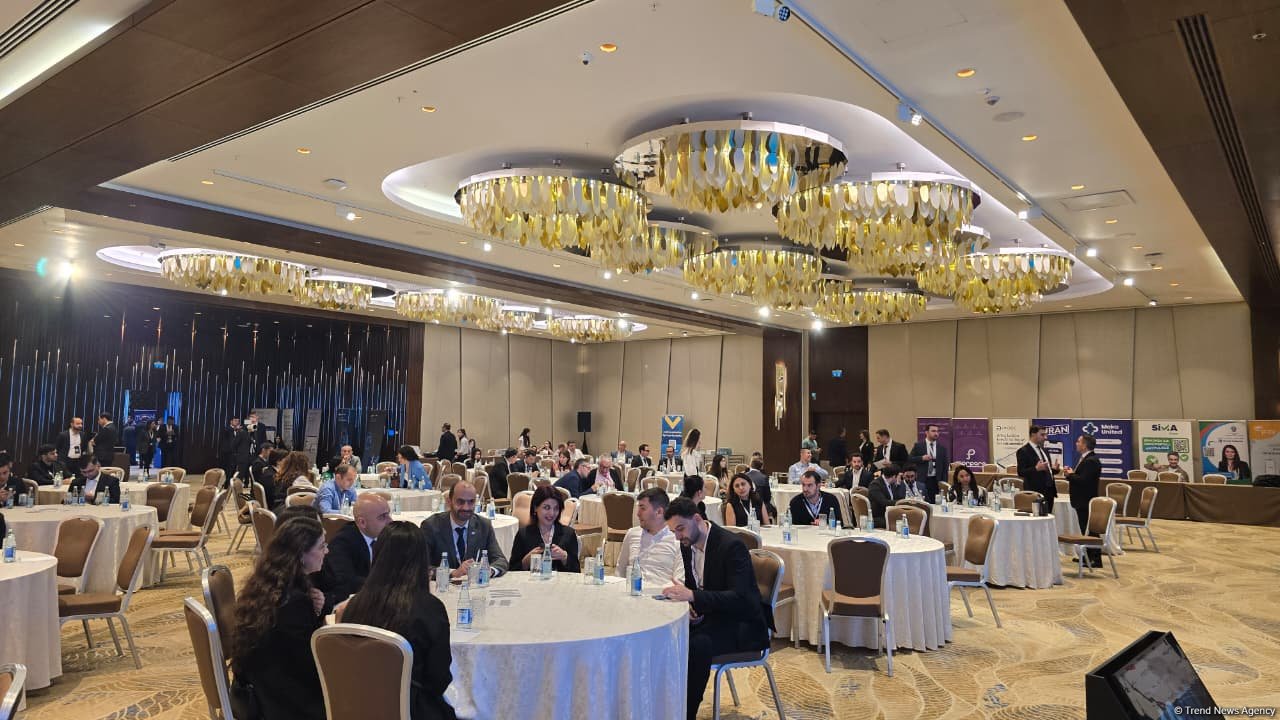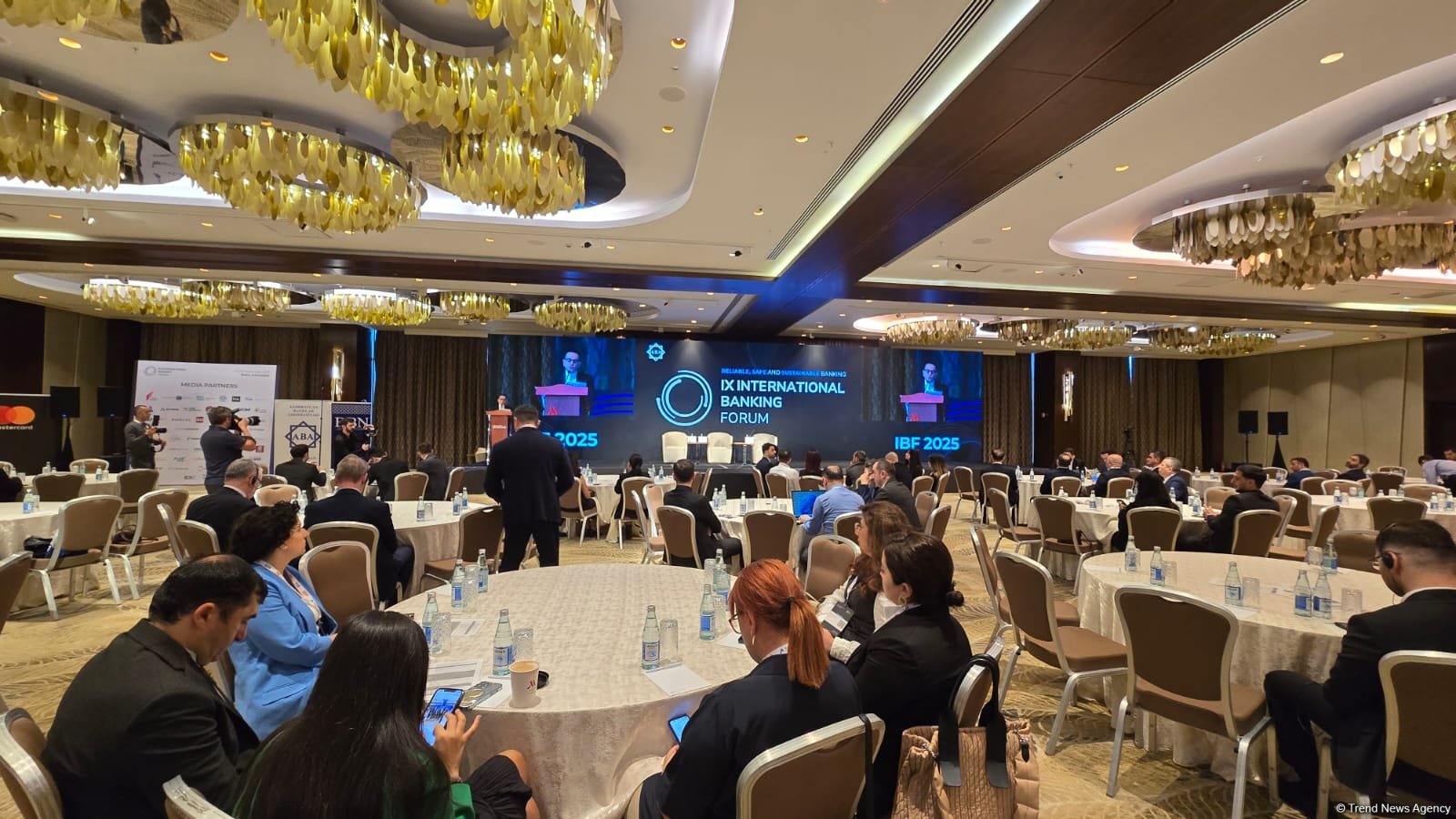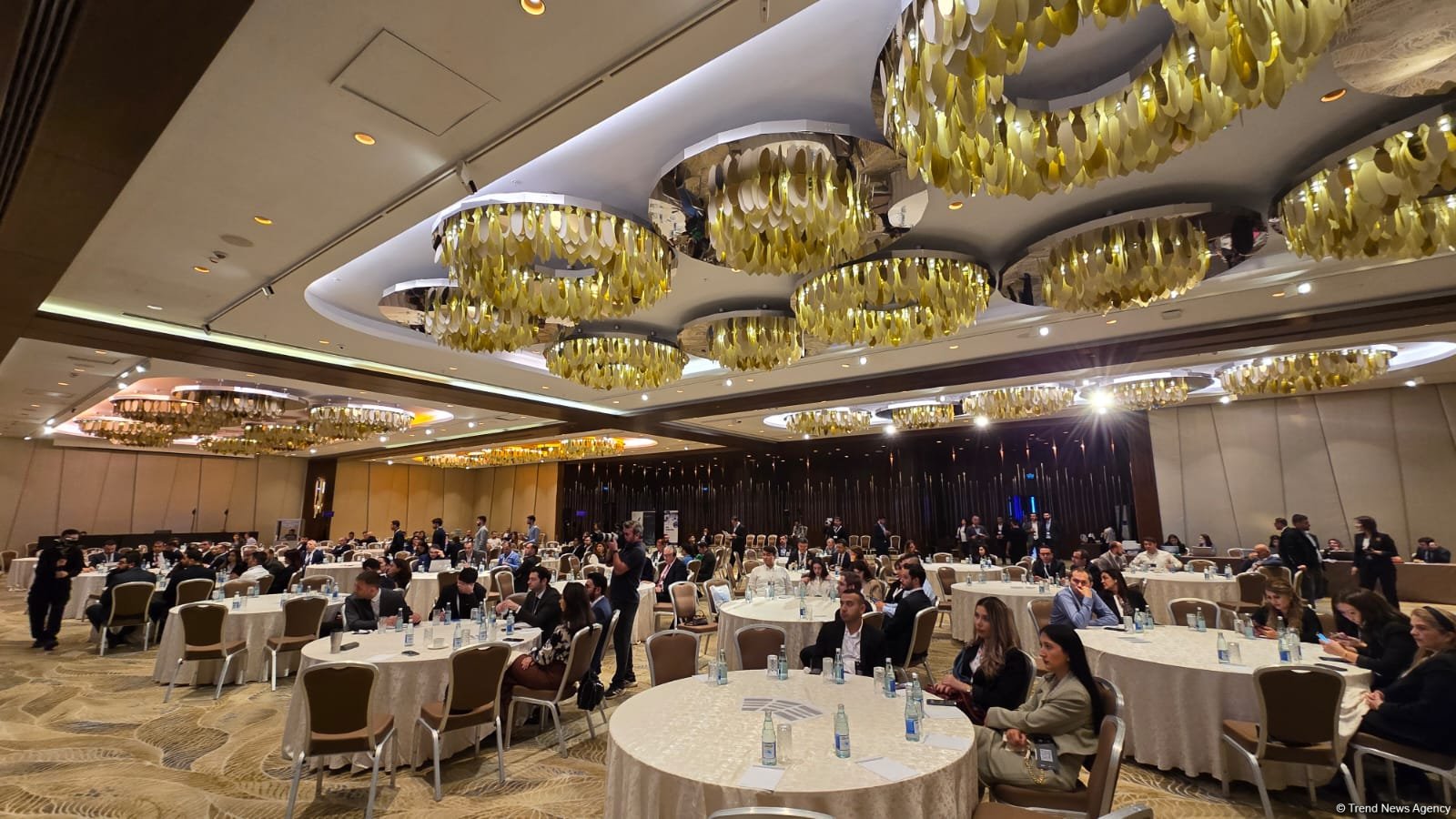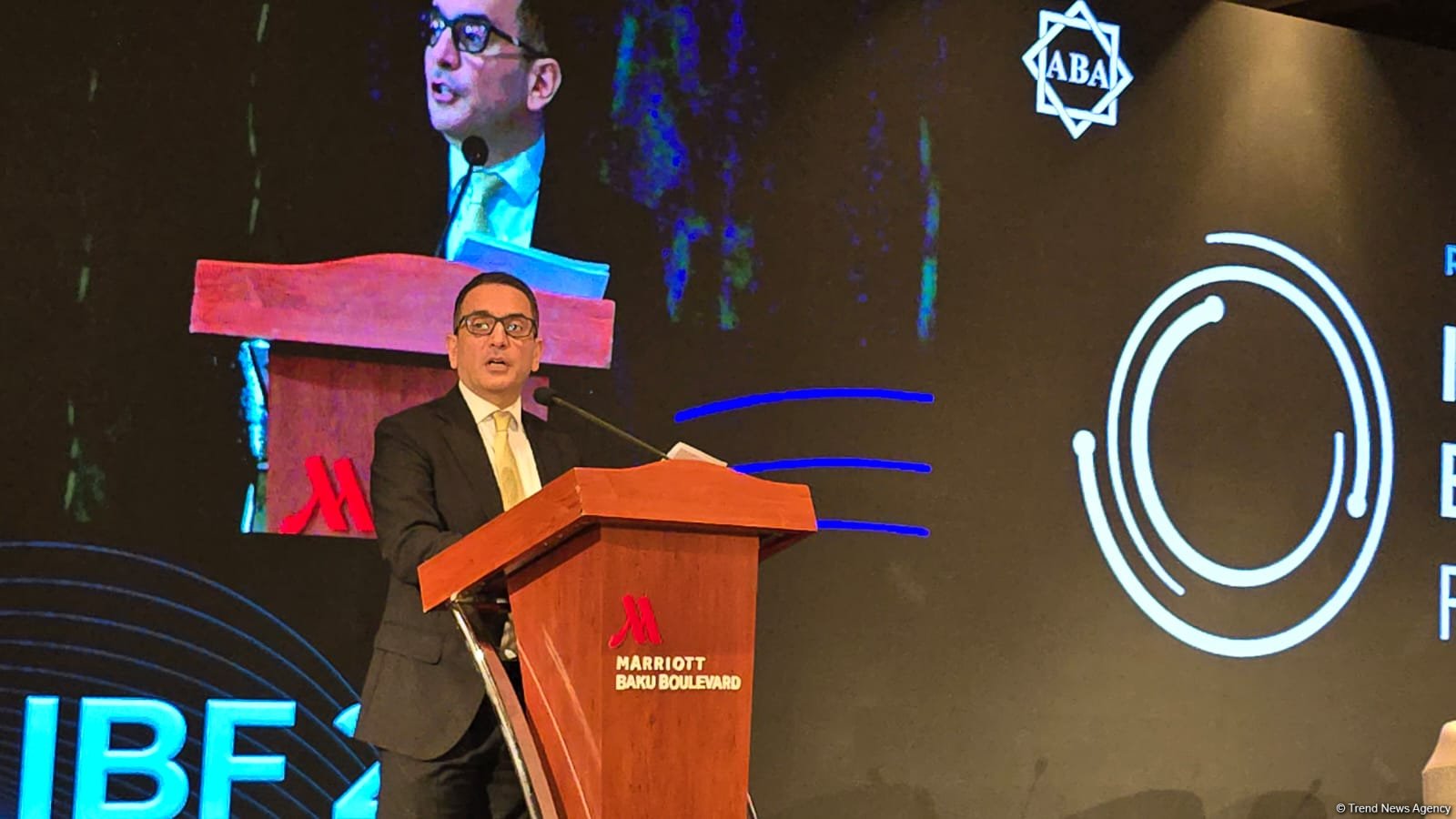

BAKU, Azerbaijan, November 20. The two-day 9th International Banking Forum was held in Baku, Trend reports.
The event was held under the motto “Reliable, Secure, and Sustainable Banking.”
The second day of the forum continued with extensive sessions covering topics such as digital finance, cybersecurity, capital markets, and the digital transformation of banks.
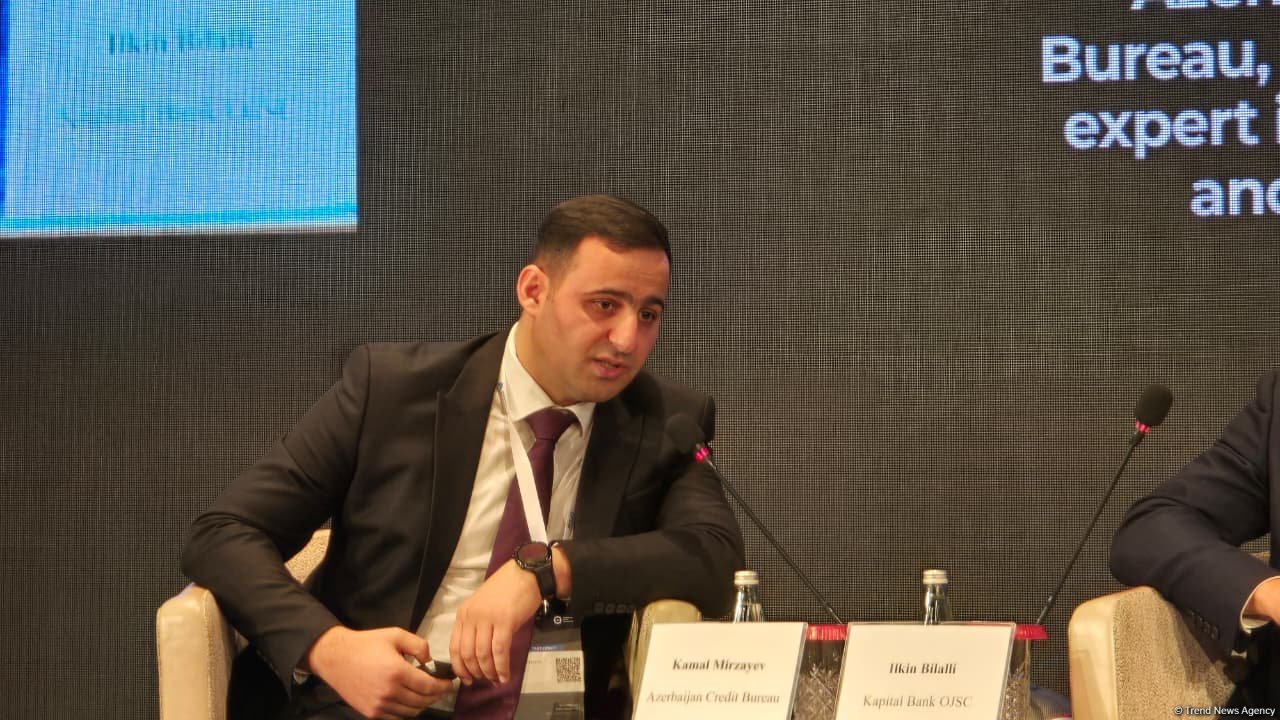
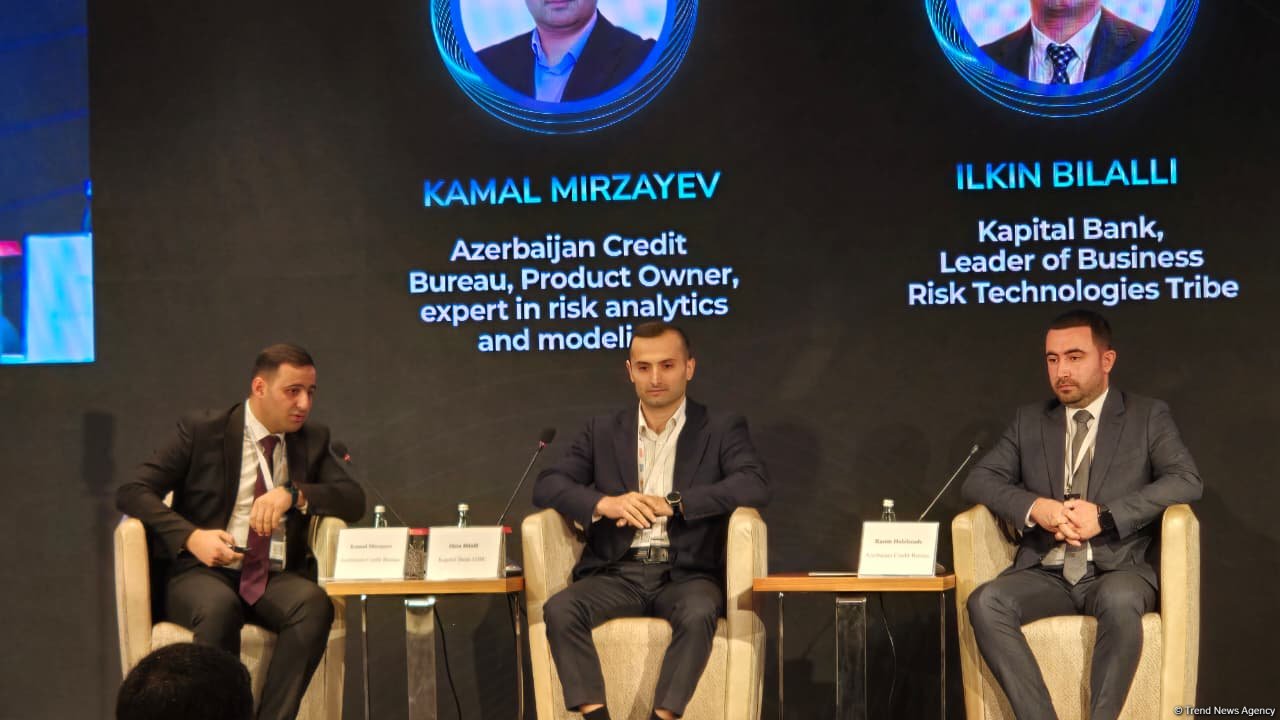
Speaking at the event, Kamal Mirzoyev, product manager at the Azerbaijan Credit Bureau, stated that 4.9 million people in Azerbaijan have a credit score, of which 3 million have an active score.
“The distribution of current credit scores by category is as follows: 8 percent in the ‘poor’ category, 26 percent in the ‘satisfactory’ category, 33 percent in the ‘average’ category, 21 percent in the ‘good’ category, and 11 percent in the ‘excellent’ category,” he said.
Mirzoyev added that the predominance of the “average” category among borrowers is due to factors such as long-term obligations, debt burden, and the number of loans.
Rasim Habibzade, product manager at the Azerbaijan Credit Bureau, said that a new module for analyzing credit ratings by region is being prepared.
According to him, the bureau is currently working on a new module called “Analysis by Region.”
“This module is planned to be launched by the end of this year. Thanks to the new module, users will be able to determine the average rating of new loans in their portfolios in different regions of the country. In other words, this module will allow analyzing the dynamics of loan ratings issued in each region for different periods,” Habibzade noted.
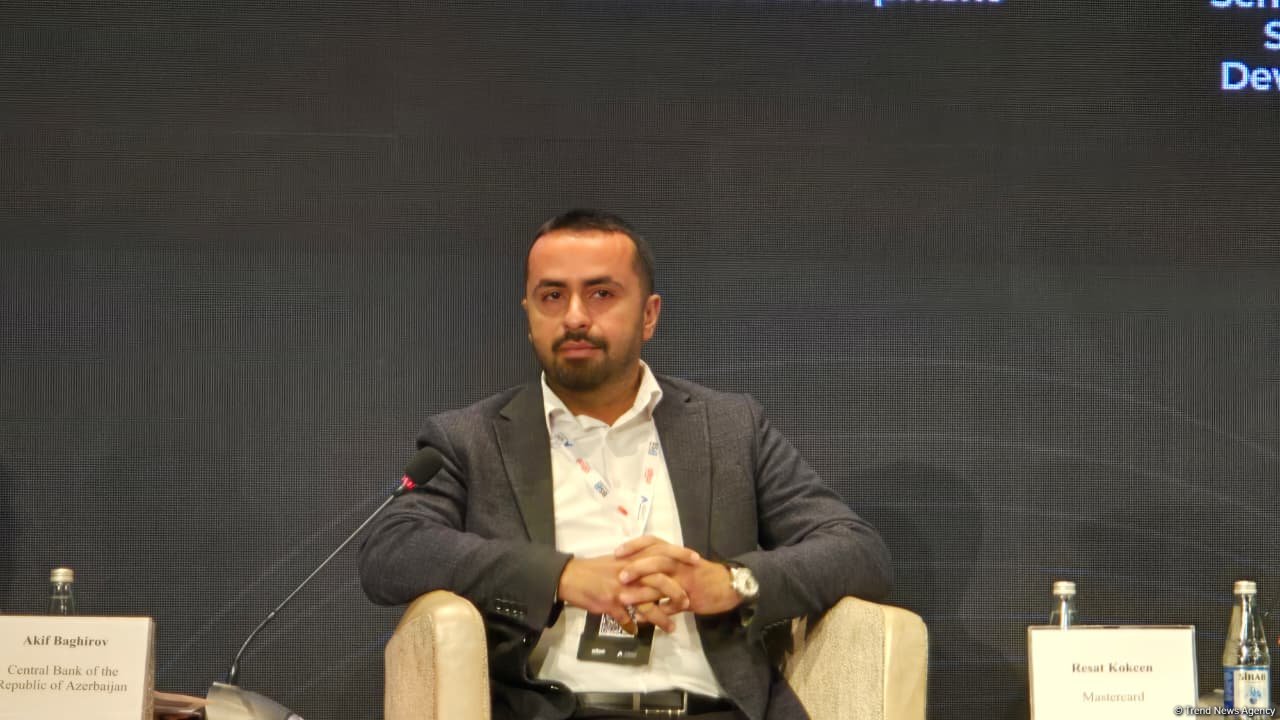
Furthermore, Mastercard Vice President, Resat Kokcen, noted that in Azerbaijan, the three sectors most vulnerable to cyber threats are financial institutions, the public sector, and the technology sector. Of the 100 cyber-attacks on the country, about 12 are directed at financial institutions.
According to him, the goal of the attacks is to disrupt business continuity, gain access to critical information, and use it for financial gain.
Mastercard's specialized cybersecurity consulting teams have also implemented various projects with Azerbaijani banks. The company also announced that its new Mastercard Threat Intelligence product is now available to Azerbaijani banks. The product tracks cards sold on the Dark Web and Deep Web, analyzes traces of card movement in the Mastercard ecosystem, and aims to proactively notify banks of fraud risks.
Overall, the forum was devoted to discussing current trends in areas such as the cashless economy, digital transformation, artificial intelligence, cybersecurity, open banking, capital markets, and new payment ecosystems.
The event was attended by representatives of government agencies, banking and financial institutions, the fintech ecosystem, international organizations, and leading companies.