



ASTANA, Kazakhstan, January 21. Kazakhstan is setting its sights on trimming down the shadow economy's slice of the GDP to 15 percent, aligning itself with the standards of developed OECD nations, Trend reports.
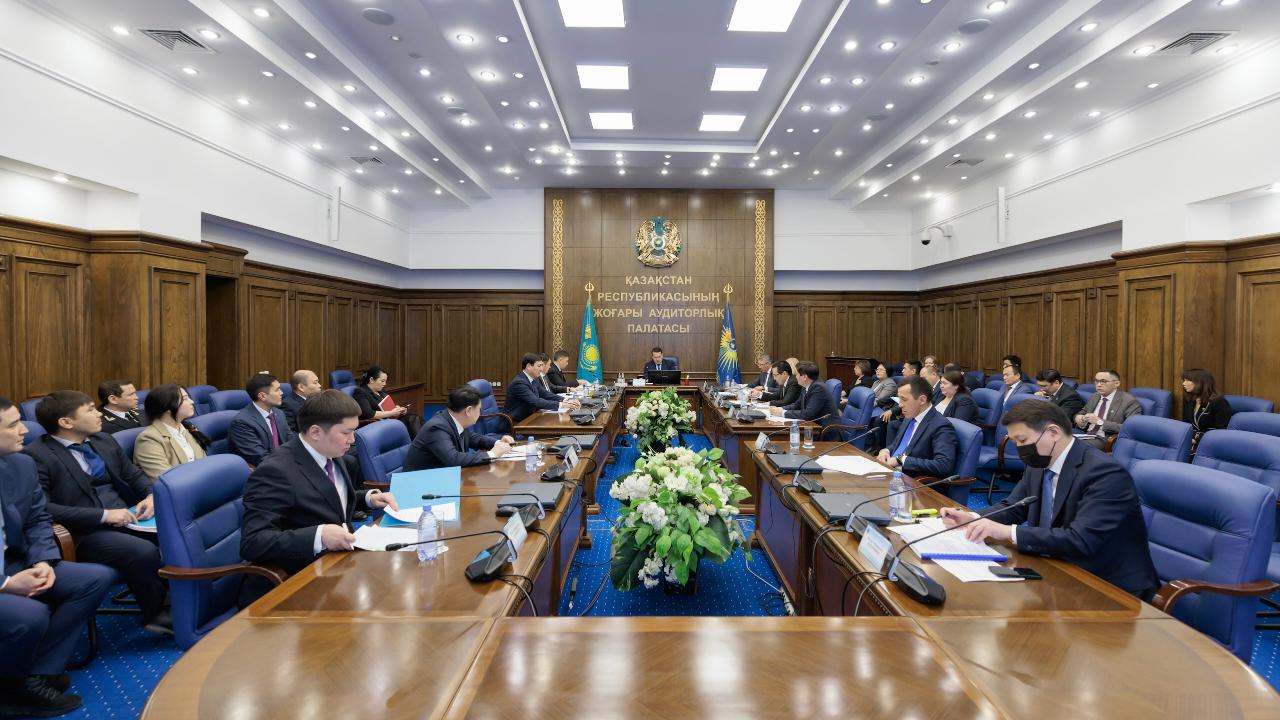
The nation's Accounts Chamber has completed a state audit of the effectiveness of the government’s policy to combat the shadow economy. The results were reviewed at a meeting of the Accounts Chamber, chaired by Alihan Smailov.
The shadow sector of the economy negatively affects the country’s development by reducing the level of fair competition, hindering the growth of small and medium-sized businesses, and also decreasing revenues to the state budget.
During the meeting, it was noted that, at present, there is no government body responsible for developing a unified policy to combat the shadow economy and coordinating the efforts of other agencies. These functions were initially assigned to the Financial Monitoring Agency. However, the agency's regulations later excluded them.
As a result, each government body takes measures within its own competence, but there is no cohesive system with clear distribution of responsibilities. Comprehensive plans to combat the shadow economy do not cover all sectors, and some activities are formal.
“There is no coordinated work among government bodies. The comprehensive plans fail to sufficiently focus on reducing the shadow economy. The activities are poorly developed; some are actually removed from control without being implemented. There is no assessment of their impact on reducing the shadow economy. At the same time, the audit showed that there is a significant volume of hidden turnover in the country,” said the chairman of the Accounts Chamber, Alihan Smailov, during the meeting.
As a result of the audit, indirect losses to the budget in terms of revenue were estimated at 74 billion tenge (approximately $140.6 million), as well as 18 procedural violations and 23 systemic shortcomings.
The Accounts Chamber has developed necessary recommendations and instructions on all the problematic issues. These will help eliminate existing deficiencies and achieve the set goals in combating the shadow economy.
In recent years, Kazakhstan has seen a steady trend of reducing the share of the shadow economy from 28.8 percent in 2017 to 17.5 percent in 2023.
The Organization for Economic Co-operation and Development (OECD) is an international economic organization of developed countries that recognize the principles of representative democracy and free market economy.



