


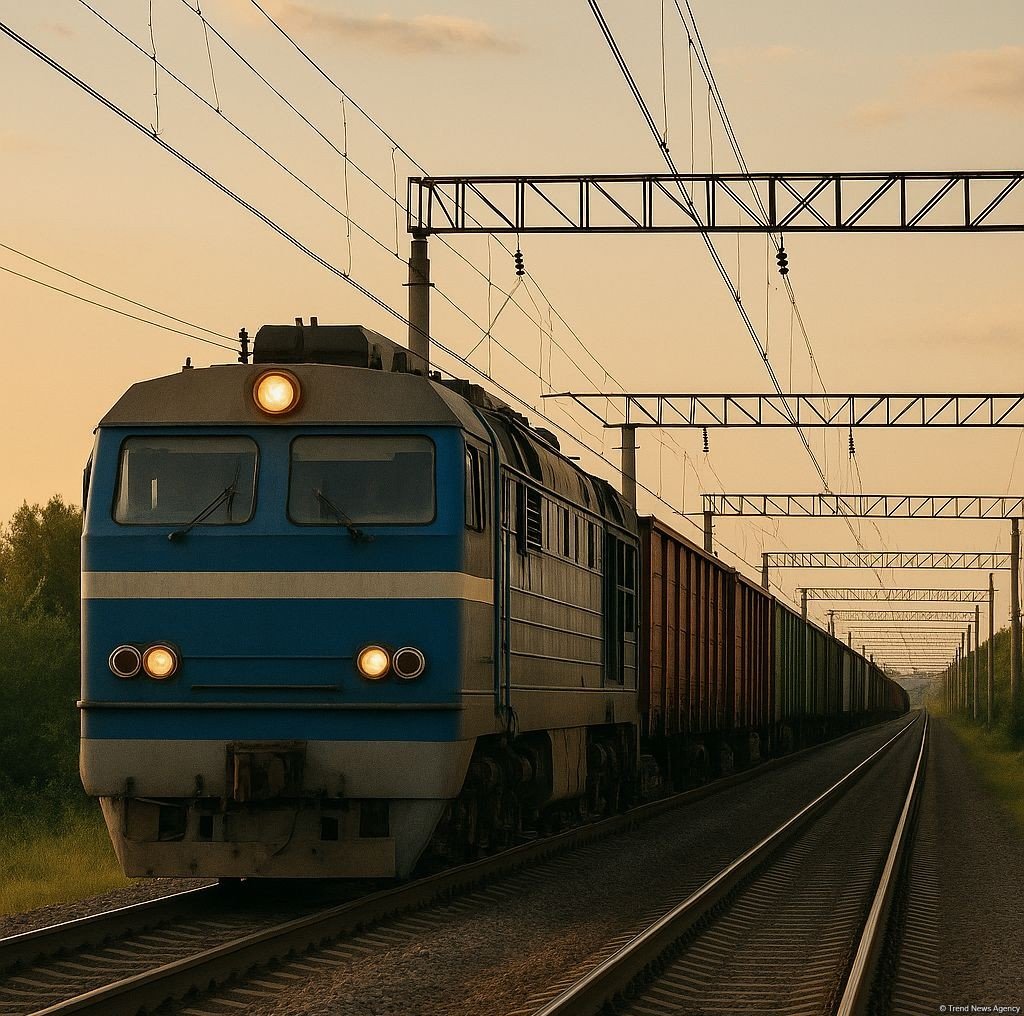

TASHKENT, Uzbekistan, July 22. The construction of the Trans-Afghan Railway is expected to take approximately five years, Deputy Minister of Transport of Uzbekistan Jasurbek Choriev said, Trend reports.
On July 17, Uzbekistan, Afghanistan, and Pakistan signed a framework intergovernmental agreement to jointly develop a feasibility study for the proposed railway line, which will run along the Termez – Nibabad – Maidan Shar – Logar – Kharlachi route.
The agreement marks a critical milestone, enabling the launch of technical groundwork such as route alignment, geological surveys, and comprehensive economic and financial analysis.
“This agreement is a first and very important step — one we have long worked toward. It will serve as a strong foundation to present the project not only domestically but also to our international partners,” Choriev told local media.
The railway aims to provide Uzbekistan with the shortest and most economically viable access to seaports, connecting directly to Pakistan’s Karachi and other ports. In its initial phase, the corridor is expected to handle up to 3 million tons of cargo annually, with capacity projected to grow to 15–20 million tons by 2035–2040.
According to Choriev, the Trans-Afghan Railway will offer a more efficient and cost-effective alternative to existing routes through Turkmenistan and Iran, which have become increasingly unreliable due to geopolitical influence affecting neighboring transit countries. This has made the search for new, stable transport corridors a strategic priority for Uzbekistan.
The Afghan government has provided security guarantees, including infrastructure protection throughout all stages of the project’s implementation. The Uzbek Ministry of Transport emphasized that Afghanistan is itself deeply interested in the development of transit corridors, viewing them as essential for achieving long-term economic growth.
The Trans-Afghan Railway is a key element in Uzbekistan’s broader vision to become a major transit hub, linking Central and South Asia through a modern, integrated transport network that enhances regional trade, connectivity, and economic resilience.



