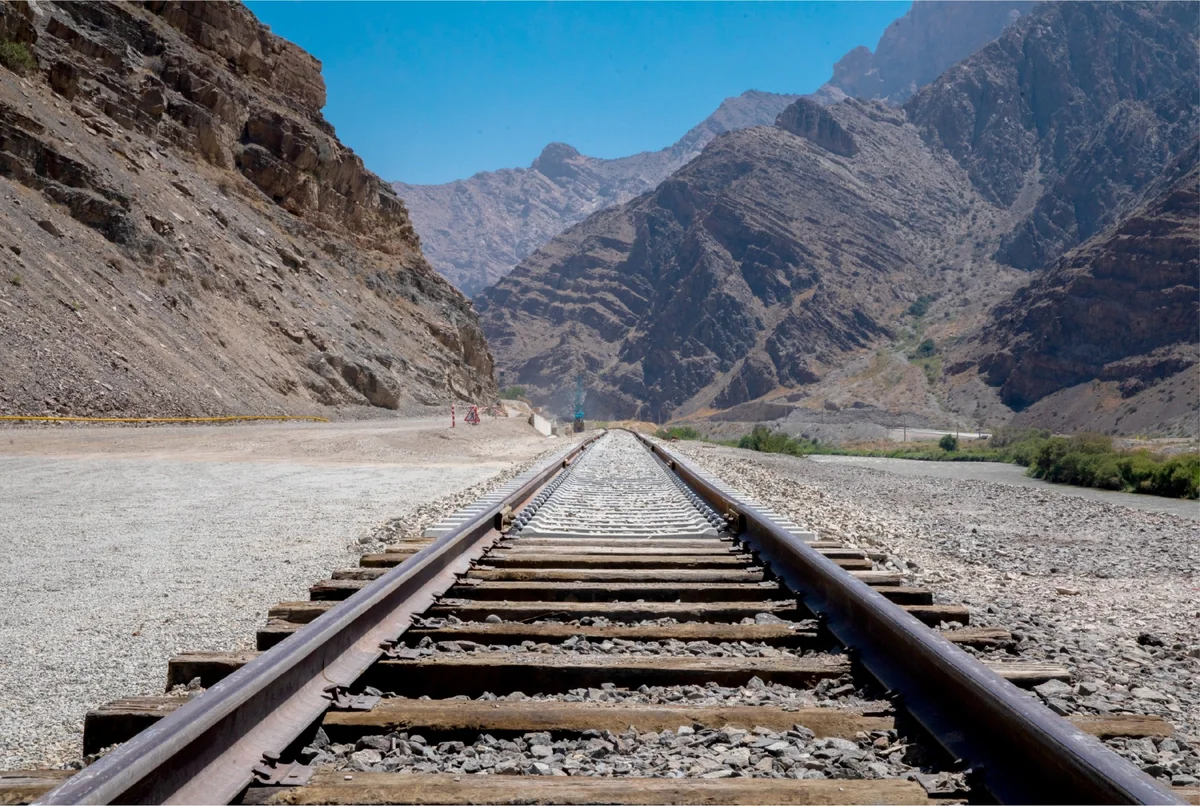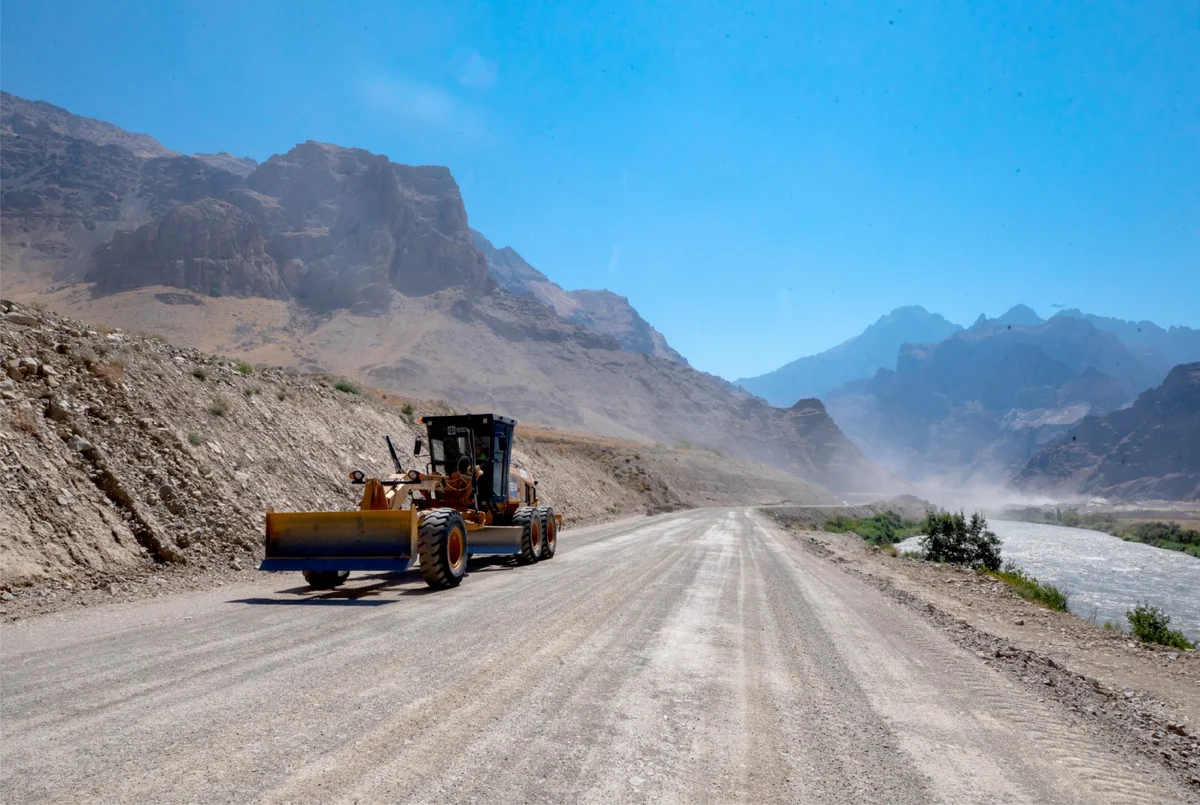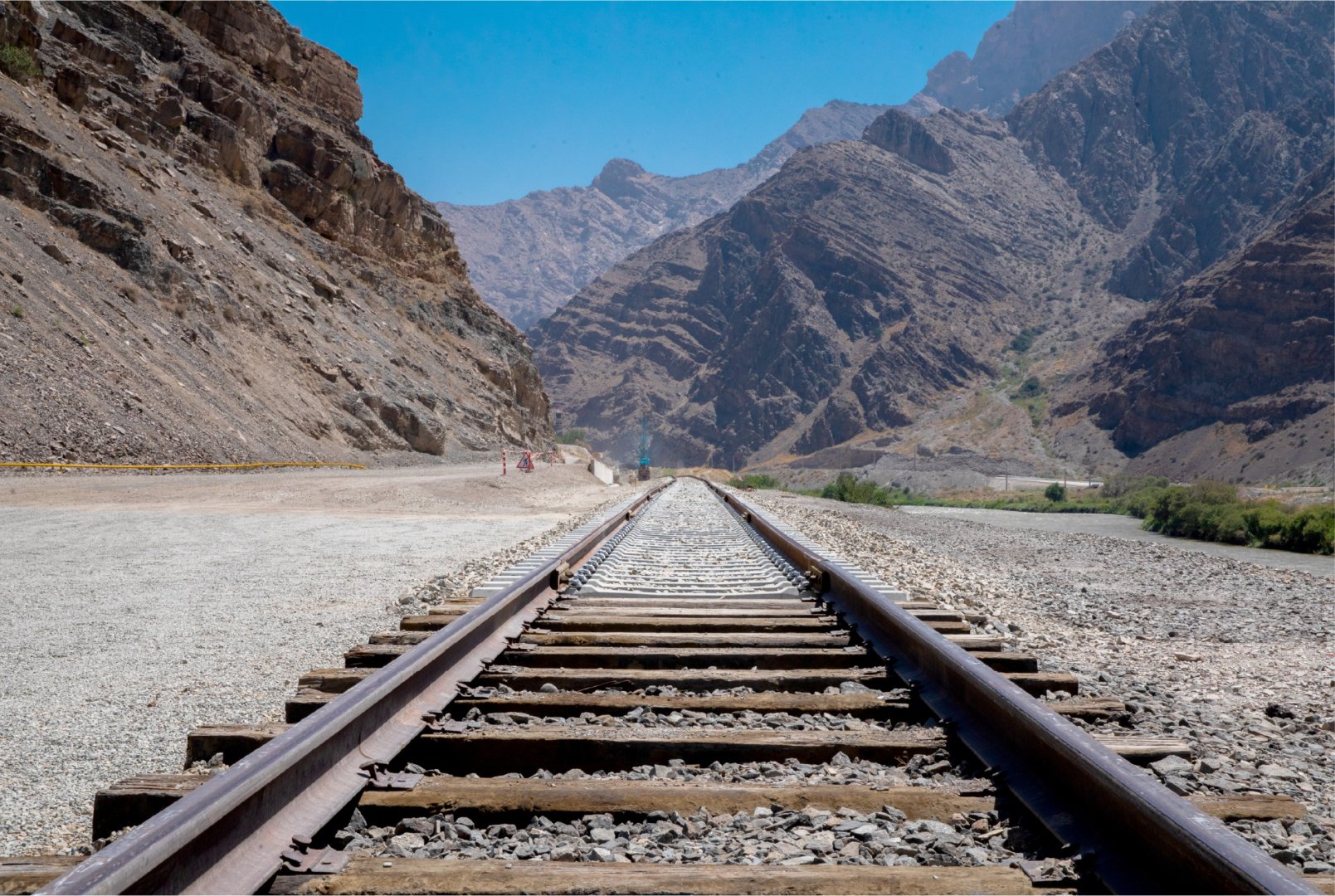

BAKU, Azerbaijan, August 12. Azerbaijan Railways CJSC (ADY) continues construction work on the first 7-kilometer section from the Azerbaijan-Armenia border to Ordubad as part of the reconstruction of the railway infrastructure in Nakhchivan.
This was announced by the press service of ADY.
The first stage of design and construction works, which began in late 2025, covers the areas of Salammalik, Ordubad, Aza, and Julfa. Currently, earthworks and work on the renewal of the railway line are continuing on the section of the route from the border to Ordubad.
The length of the reconstructed railway line along the axis is 194 kilometers, and the total length, together with side roads, is 264 kilometers. The project envisages the construction and restoration of 814 engineering structures, including 10 stations, 3 platforms, 29 bridges, 11 overpasses, and various crossings.
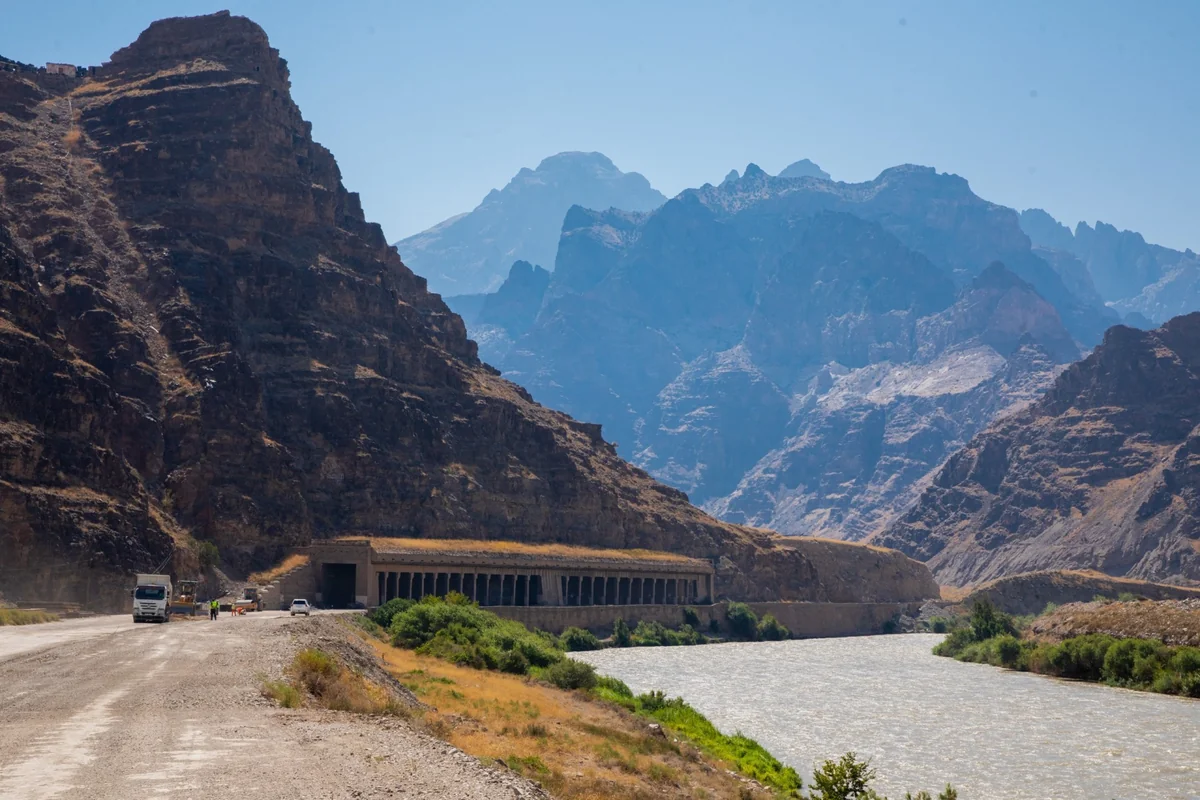
In addition, 12 protective galleries located along the route are being fundamentally reconstructed. Work on overpasses, concrete channels, and other engineering structures is also continuing.
Currently, earthworks have been completed on a 6-kilometer section. Installation of new rail-sleeper frames has begun on a 700-meter section starting from the Salammalik station.
After the completion of the project, it's planned to boost the annual cargo carrying capacity of the Nakhchivan railway to 15 million tons.
The reconstructed railway network in Nakhchivan will connect to the Zangezur corridor from the Ordubad direction, and the Horadiz-Aghband railway line from the main part of Azerbaijan. This is intended to establish a direct railway connection between the main part of Azerbaijan and the Nakhchivan Autonomous Republic, as well as to form a direct transport connection with Türkiye.
Within the framework of the agreements reached in Washington on August 8, 2025, it is envisaged to establish the Trump Route for International Peace and Prosperity (TRIPP) and restore the railway connection along the Zangezur corridor.
Currently, work is underway in other directions of the corridor. Thus, 60% of the project in the Alat-Osmanli direction and 73% in the Horadiz-Aghband line have been completed.
The new transport connection is expected to expand the capabilities of the Middle Corridor, contribute to the development of freight transport between Europe and Asia, and increase access to the Turkish and European markets.
At the same time, the Zangezur corridor is of strategic importance for strengthening Azerbaijan's transit potential in terms of integration with the North-South transport route.