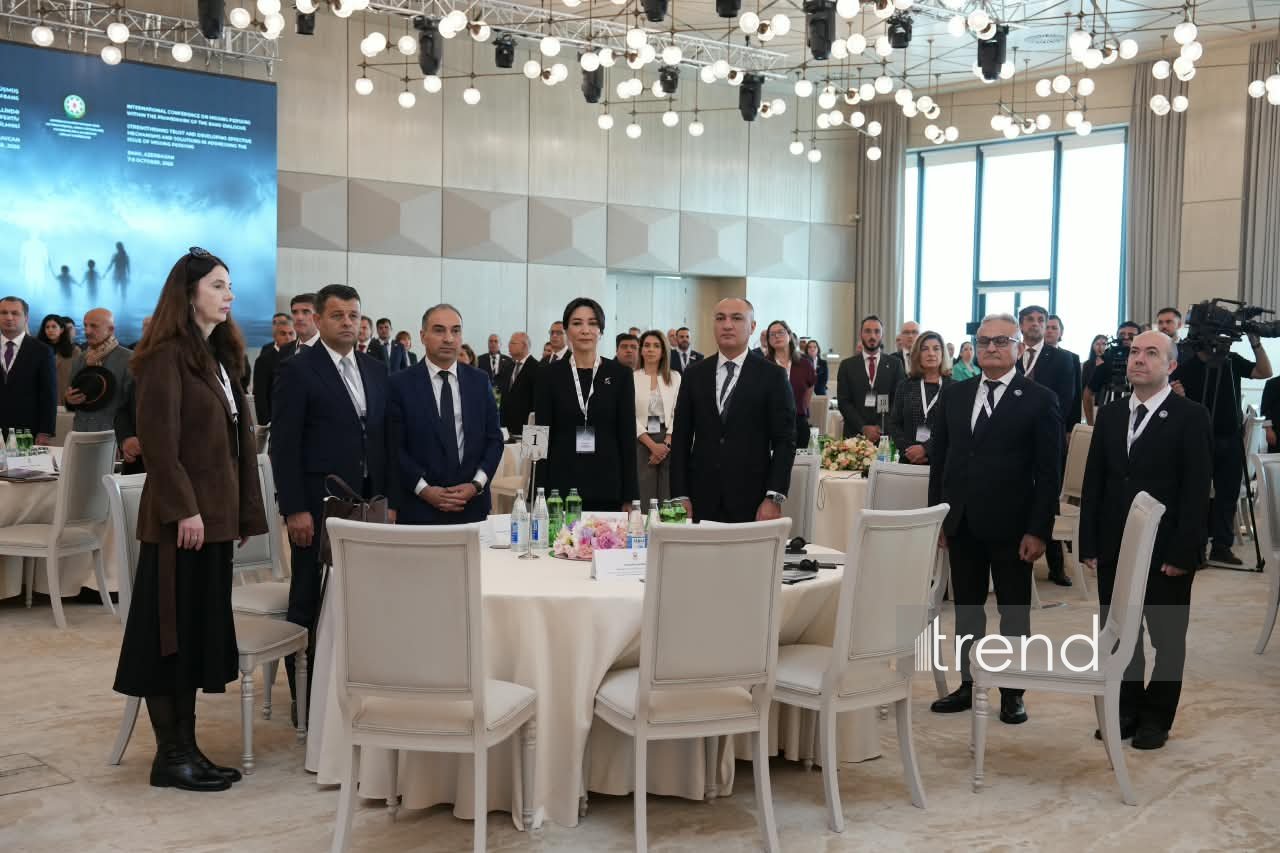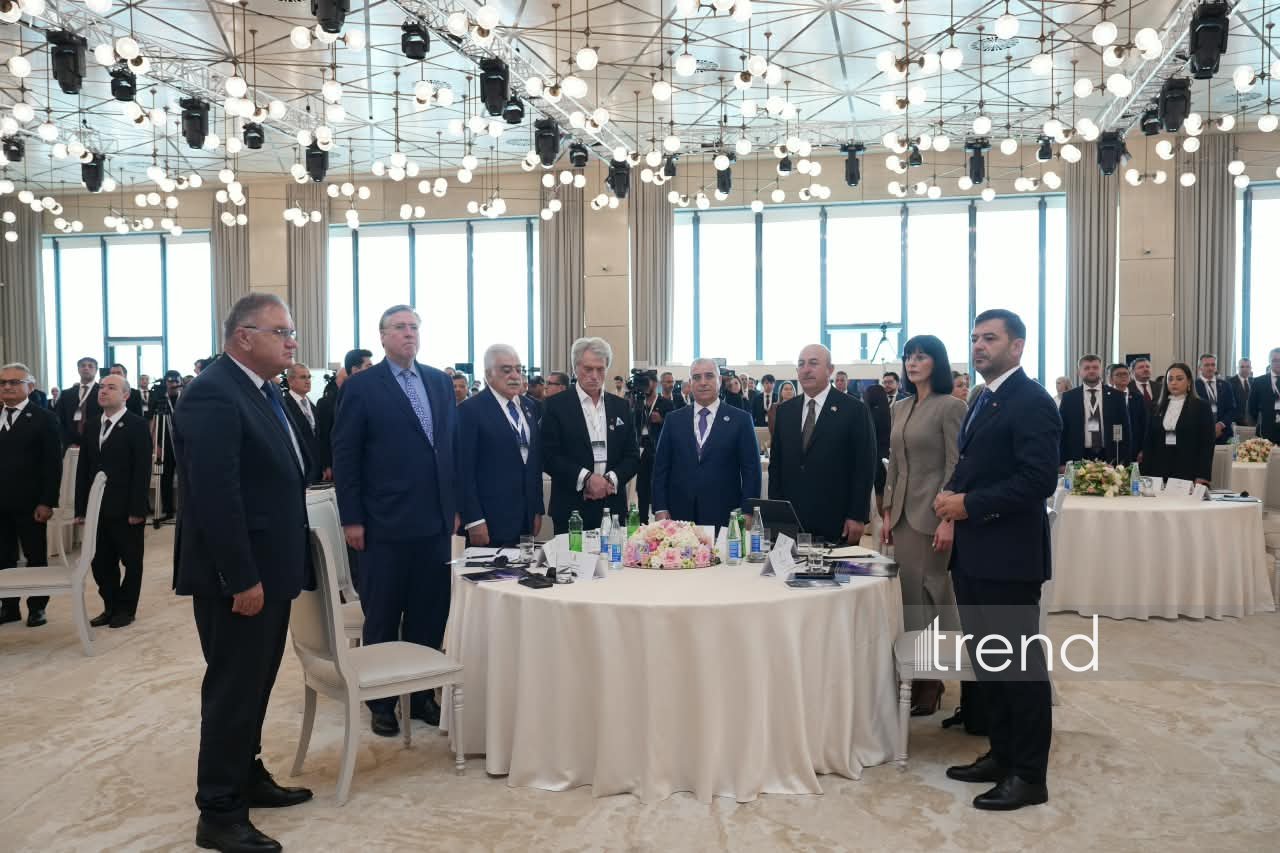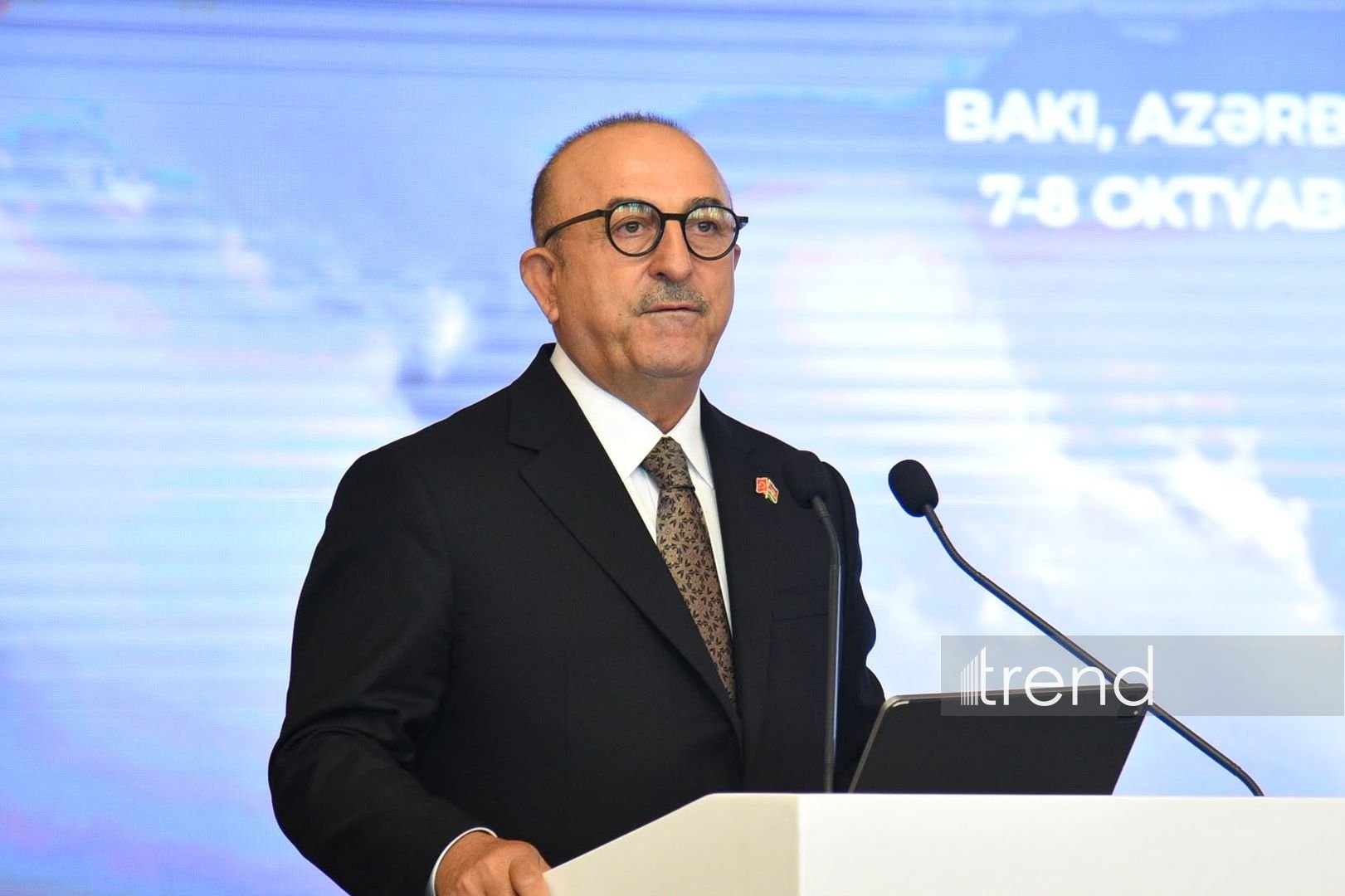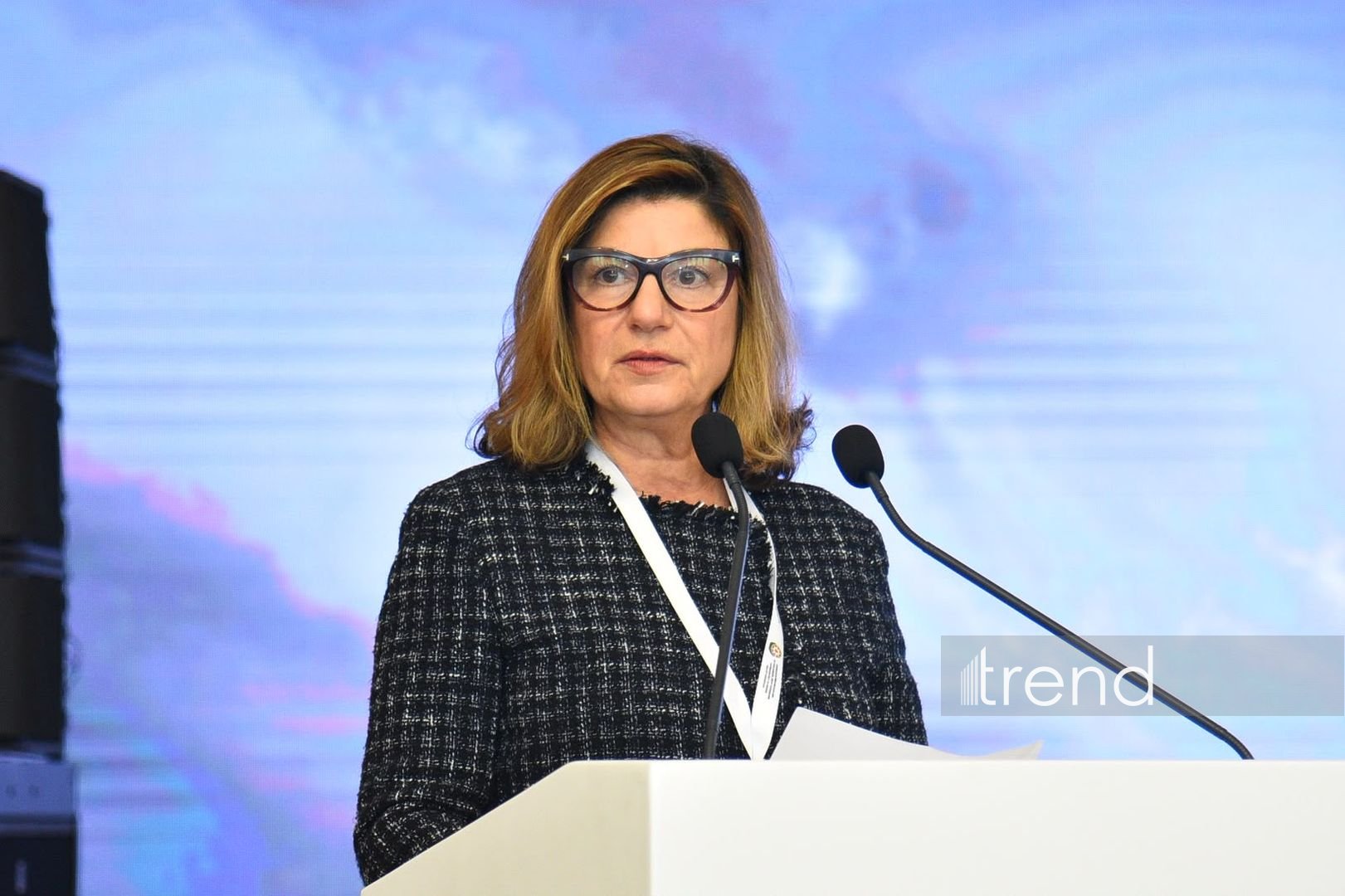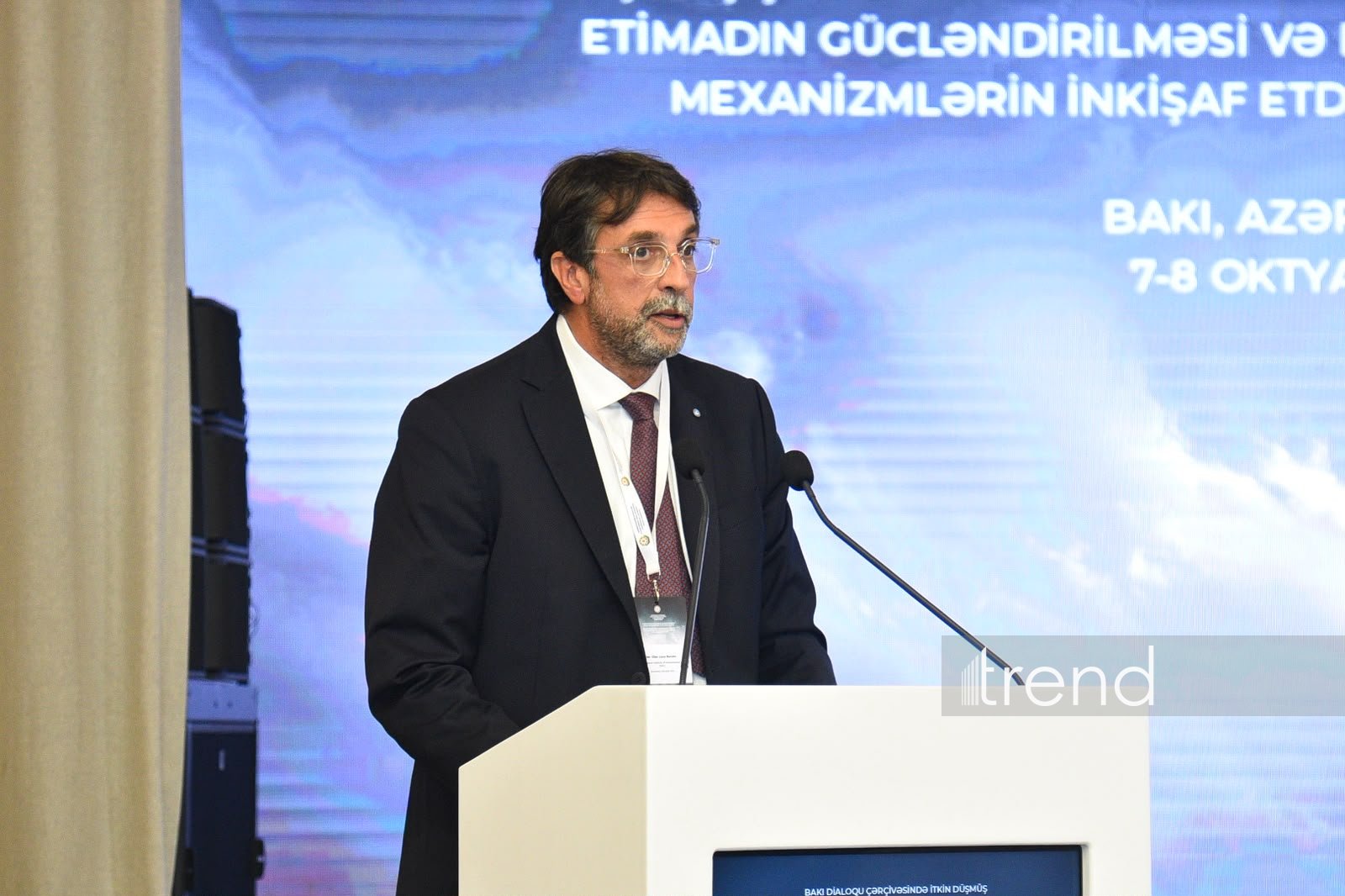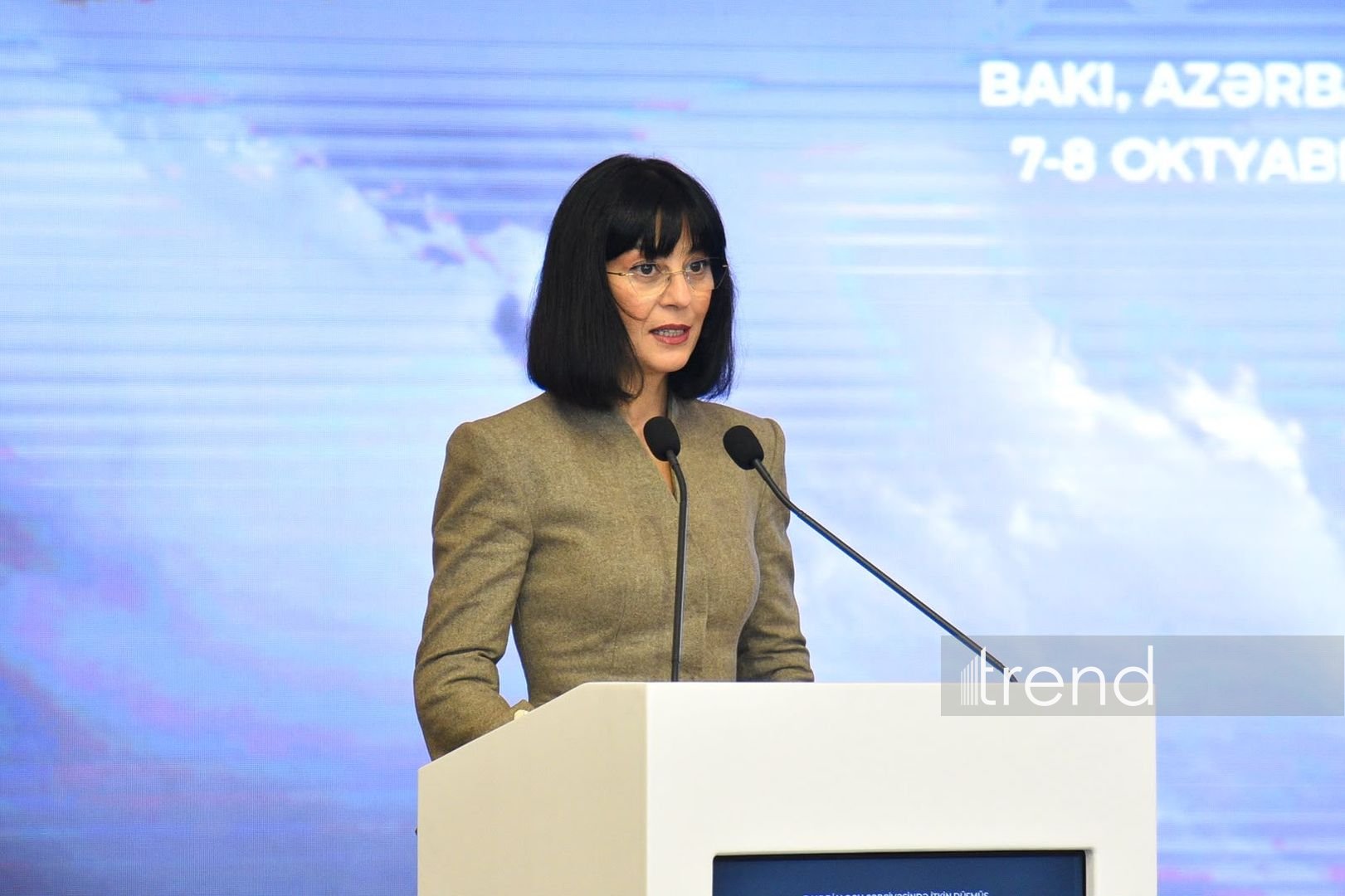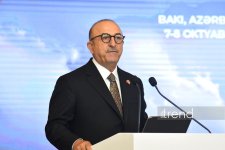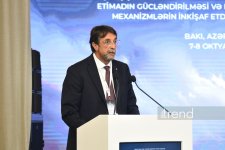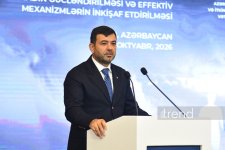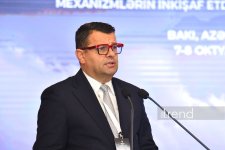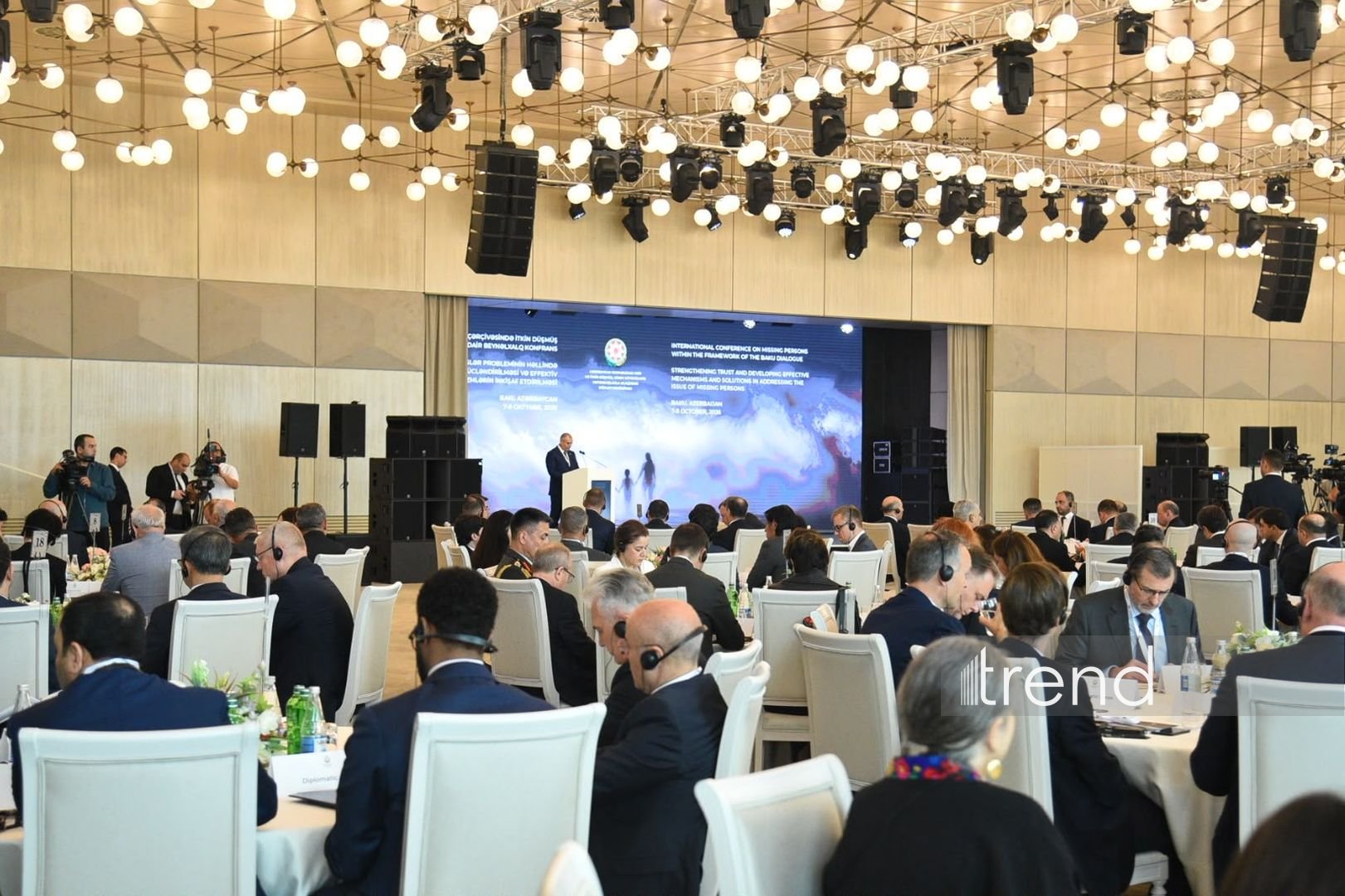

BAKU, Azerbaijan, October 7. The 4th international conference on the theme "Strengthening trust and developing effective mechanisms to resolve the issue of missing persons" was held in Baku within the framework of the Baku Dialogue on Missing Persons, Trend's correspondent reports from the event.
The conference was organized by the State Commission on Prisoners of War, Hostages and Missing Persons.
The event was attended by former heads of state and government, high-ranking representatives of international organizations and foreign countries, heads of agencies dealing with missing persons, experts, representatives of non-governmental organizations, and human rights specialists, as well as ambassadors and military attachés of foreign countries accredited in Azerbaijan and other officials.
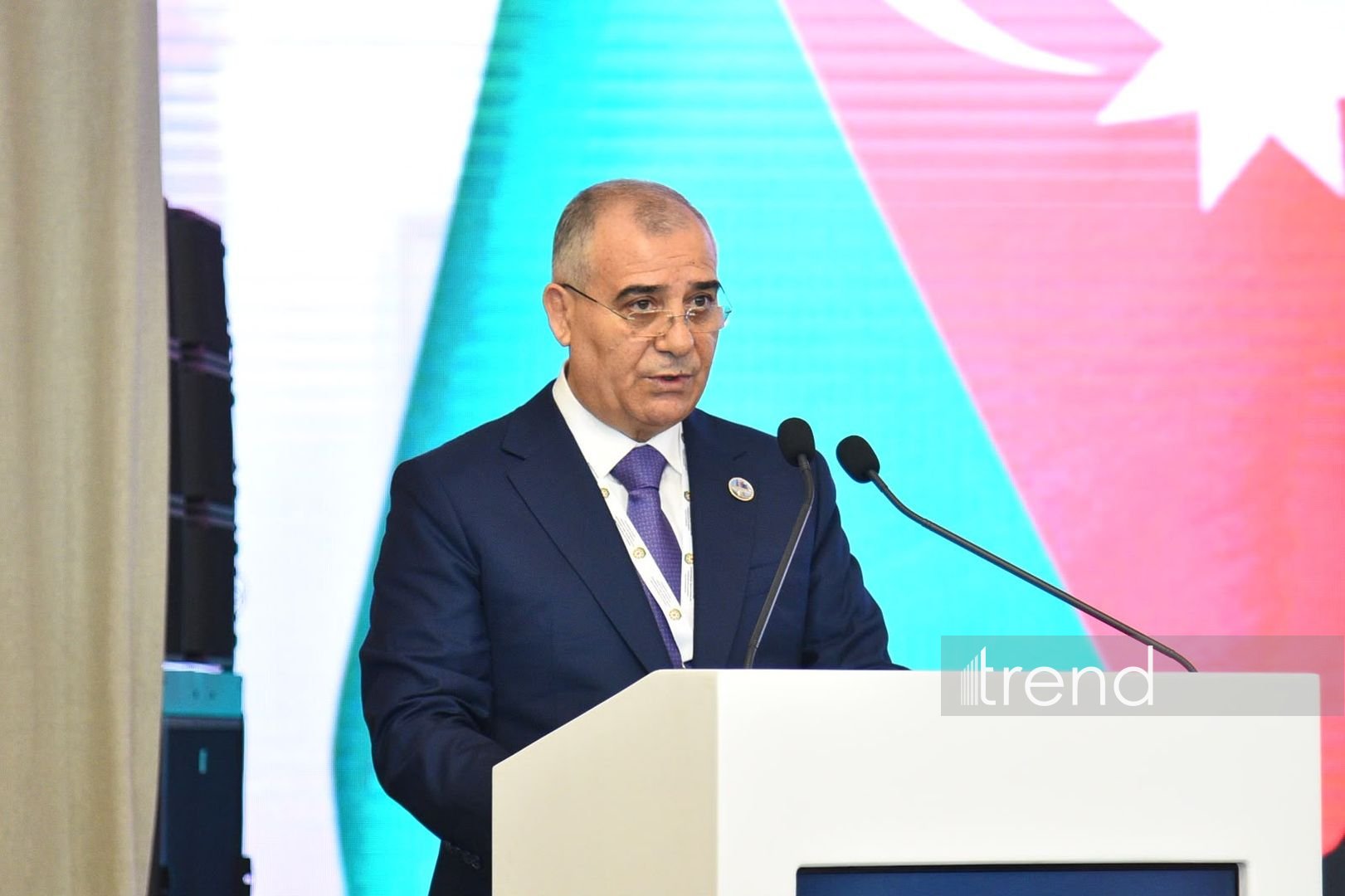
Speaking at the event Chairman of the Azerbaijani State Commission on Prisoners of War, Hostages and Missing Persons, Ali Naghiyev, said that determining the fate of the missing persons is a crucial condition for lasting peace between Azerbaijan and Armenia.
“Determining the fate of the missing is our humanitarian responsibility, our moral obligation to their families, and a crucial condition for lasting peace,” he noted.
The official pointed out that the goal of the Baku Dialogue, now held for the fourth time, is to bring together the expertise of states, international organizations, and specialists, and to develop cooperation mechanisms that accelerate search efforts and help families find answers.
"Azerbaijan is one of the countries suffering from the issue of missing persons. In the past, Armenia's unfounded claims and policy of occupation resulted in grave humanitarian consequences for our people. Although the war has ended, the period of waiting continues for families who remain unaware of their loved ones' fates.
The state commission has registered 4,010 persons who went missing as a result of military aggression. Of these, 4,004 went missing during the First Karabakh War, and six during the 44-day Patriotic War of 2020. Among the missing, 3,228 were military personnel and 782 were civilians. The civilians include 71 children, 288 women, and 319 elderly individuals. These figures illustrate the scale of the tragedy," he said.
Naghiyev added that the State Commission, in collaboration with relevant agencies, has expanded efforts regarding the identification of burial sites, excavation and exhumation, and the identification of remains.
"Biological samples have been collected and cataloged from a total of 11,566 donors who are close relatives of the missing persons. This data serves as a crucial foundation for scientifically based identification. As of October 1, 2026, human remains believed to belong to 913 missing persons have been discovered and recovered, and remains presumed to belong to 253 individuals have been exhumed from 32 mass graves found in the liberated territories," he emphasized.
Azerbaijan’s Deputy Foreign Minister Fariz Rzayev said that the parties to the armed conflict must take all necessary measures to investigate the fate of missing persons, record and share the information in their possession, search for the deceased, and treat their remains with respect.
He noted that for the family of a missing person, that individual is never merely a statistic or a registration number.
"This uncertainty shapes the future decisions of their loved ones, whether spouse, child, or parent. It remains unknown whether there will be a grave they can visit and where they can mourn. More than 4,000 Azerbaijani citizens are missing, and their fates remain unknown. Thousands of families endure this suffering amid uncertainty for years, or even decades.
Following the liberation of Azerbaijani territories, we discovered numerous mass grave sites containing human remains. The remains were examined, identities were established, and dignified burials were arranged. However, the fate of the vast majority remains unknown," he explained.
Rzayev added that mines and unexploded ordnance continue to make search operations in the area dangerous.
"I once again call upon all parties to share all information in their possession that could help clarify the fate and whereabouts of thousands of missing Azerbaijanis and other persons.
Azerbaijan hasn’t limited its commitment to humanitarian obligations solely to cases involving its own citizens. Since November 2020, it has continued search operations despite security challenges and the risk of mines.
This demonstrates our commitment to a responsible humanitarian approach and the value we place on human dignity, regardless of whose remains are involved," he emphasized.
Director-General of the International Commission on Missing Persons (ICMP), Kathryne Bomberger added that locating missing persons is not just a single task, but a system.
According to her, families are not merely waiting for answers, but they are partners in this process.
"They provide information, records, and DNA samples. Even as institutions change and years pass, they persist in the search. It is safe to say that women, mothers, wives, daughters, and sisters often shoulder the greater part of this responsibility for their families and communities. Their voices and rights must be part of that system.
We have also learned that there is no single institutional mechanism that can simply be transferred from one country to another. Conditions, laws, and institutions vary, as do the nature and scale of disappearances. Yet, the fundamental principles remain constant," she explained.
Bomberger emphasized that accounting for the missing means providing reliable and accurate information to families and society.
"However, this is also about the right to the restoration of rights, the right to justice, the right to accountability, and the right to truth and compensation. It is also about strengthening the rule of law and ensuring accountability where appropriate. Ultimately, it is an investment in peace and security.
When cases of disappearance remain unresolved, their consequences do not fade with time. Mass graves are open wounds. Unanswered questions can remain with families and communities for generations," she noted.
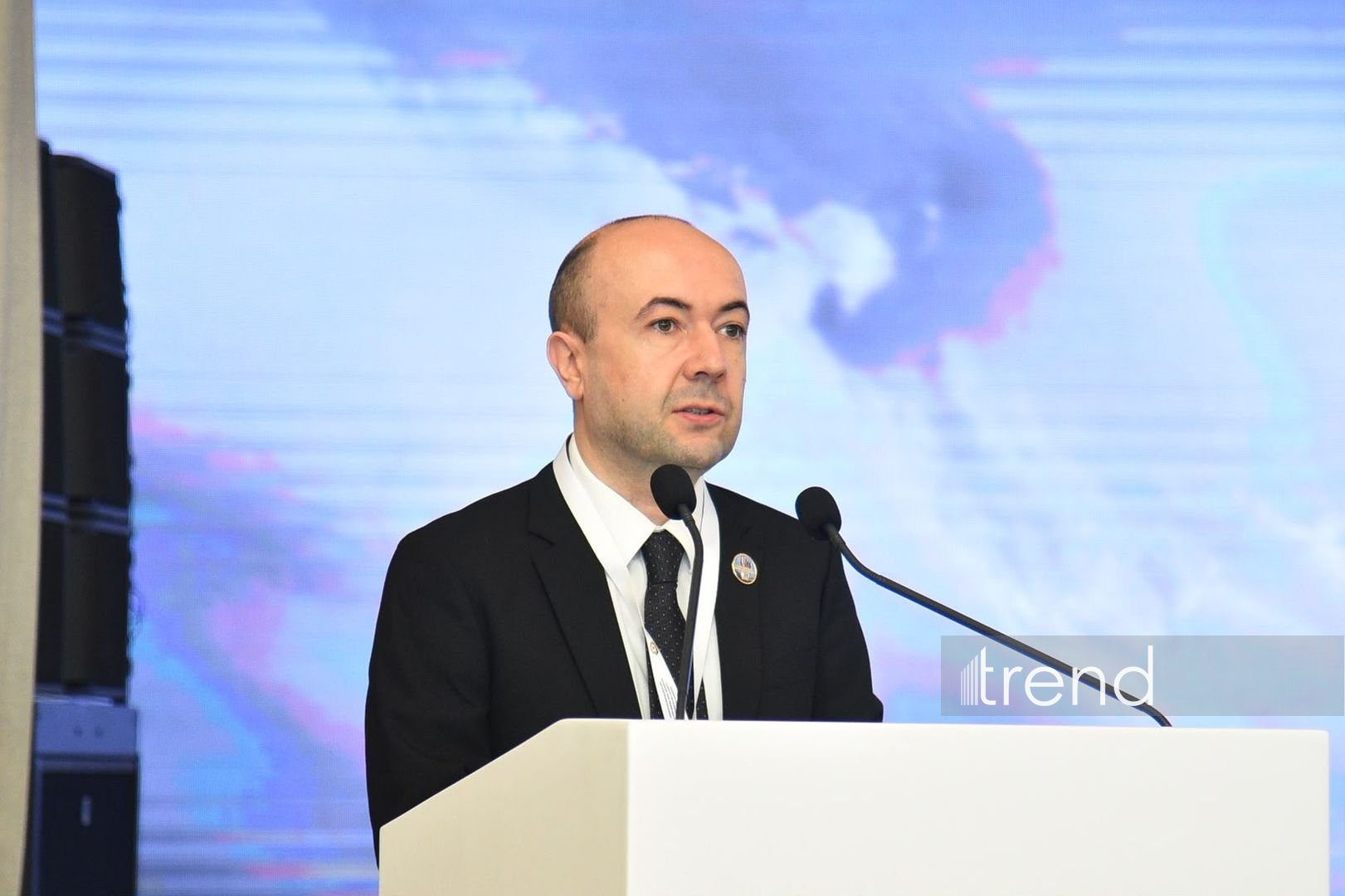
Secretary-General of the International Institute of Humanitarian Law (IIHL, Sanremo) Gian Luca Beruto said that the development of effective mechanisms to address the issue of missing persons is particularly important.
He pointed out that providing answers to families also depends on the ability of authorities and organizations to work together, share reliable information and coordinate their efforts.
“Trust is essential for achieving this cooperation and making tangible progress. The International Institute of Humanitarian Law operates as an independent and neutral platform for the promotion of international humanitarian law and human rights. Its mission has always been grounded in training and capacity building. This work brings together military personnel, civilians, diplomats, academics and other experts from diverse regions and fields around the world.
To be effective, training in international humanitarian law and human rights must be continuous and systematic,” he added.