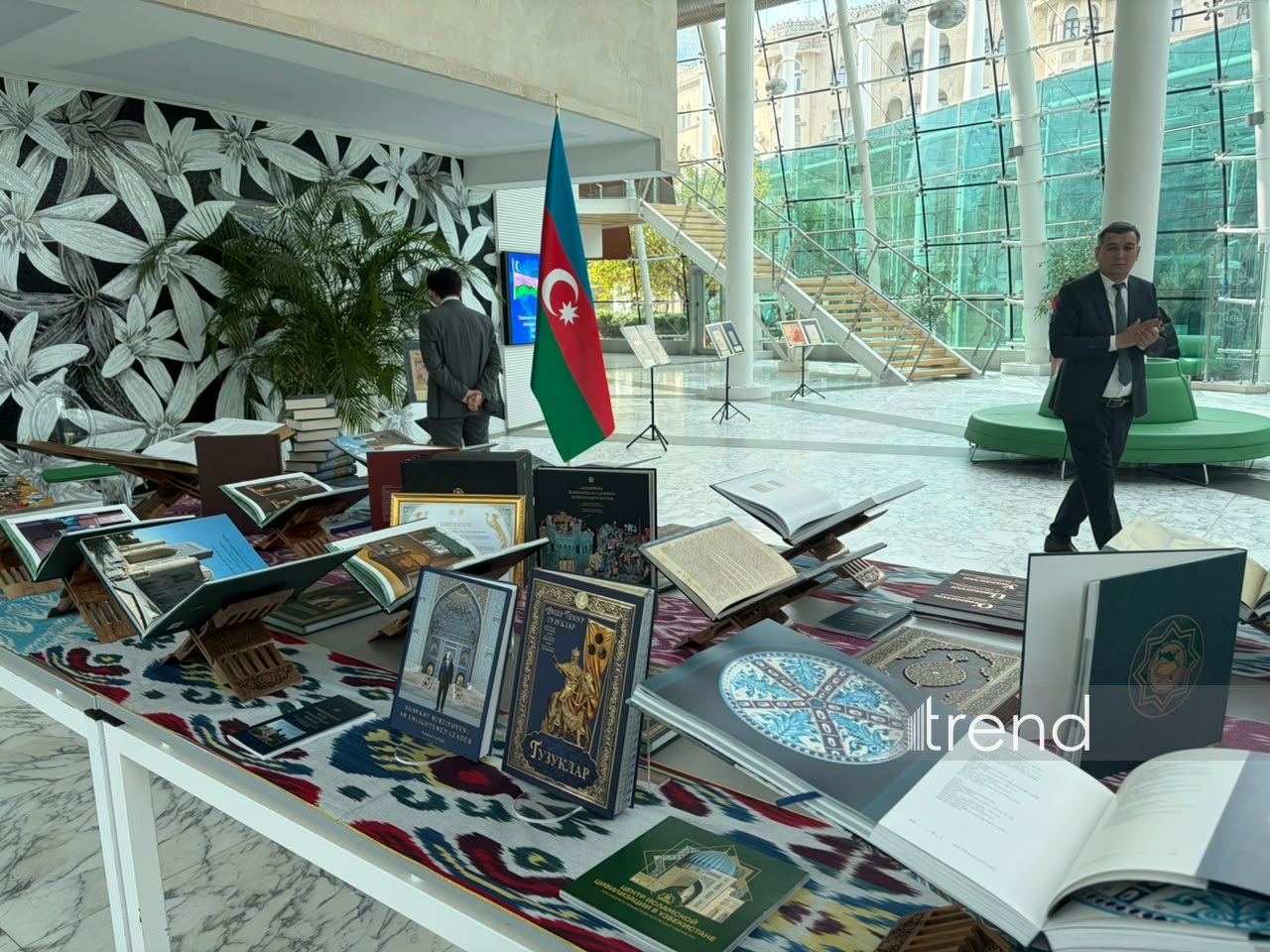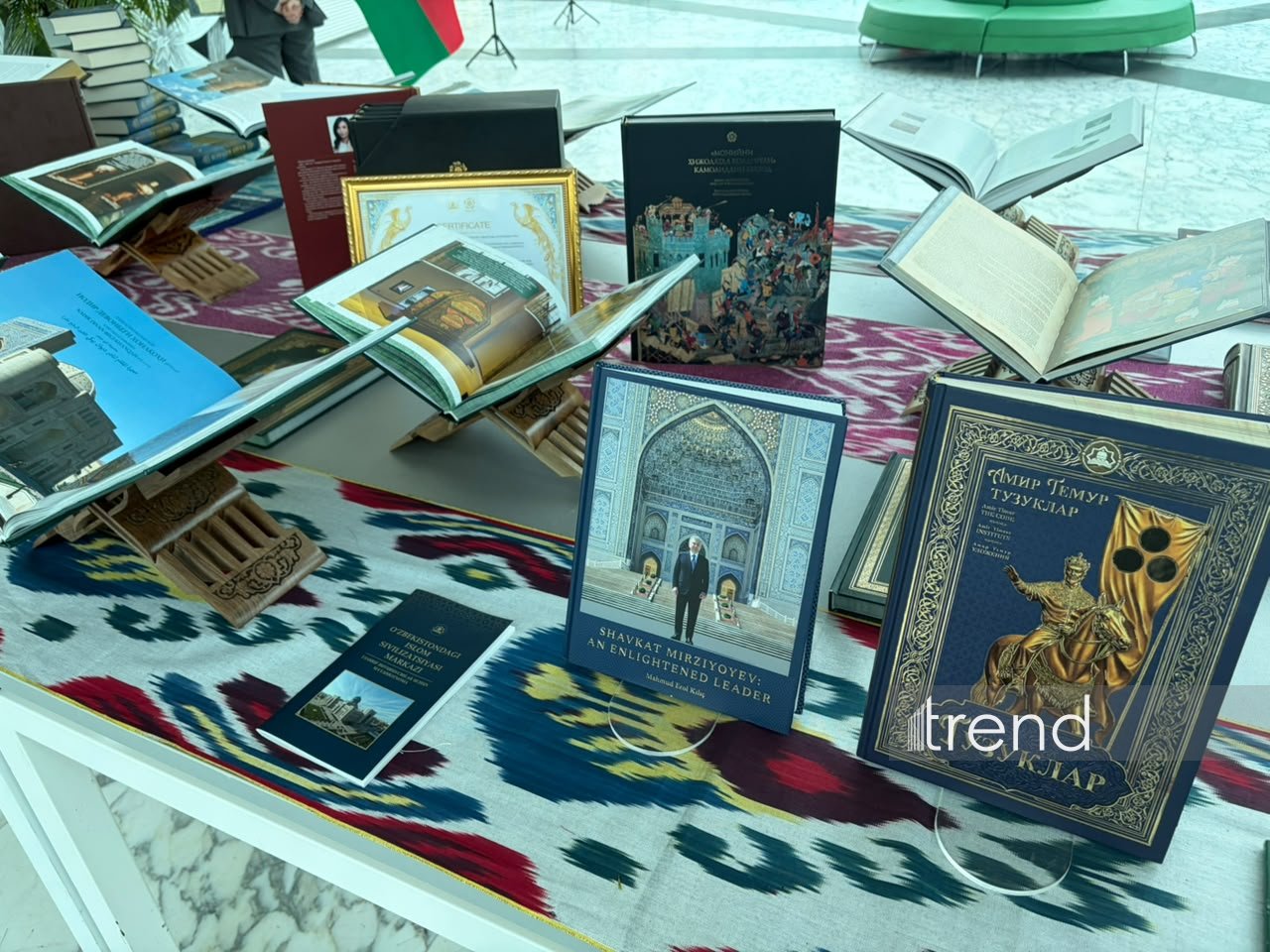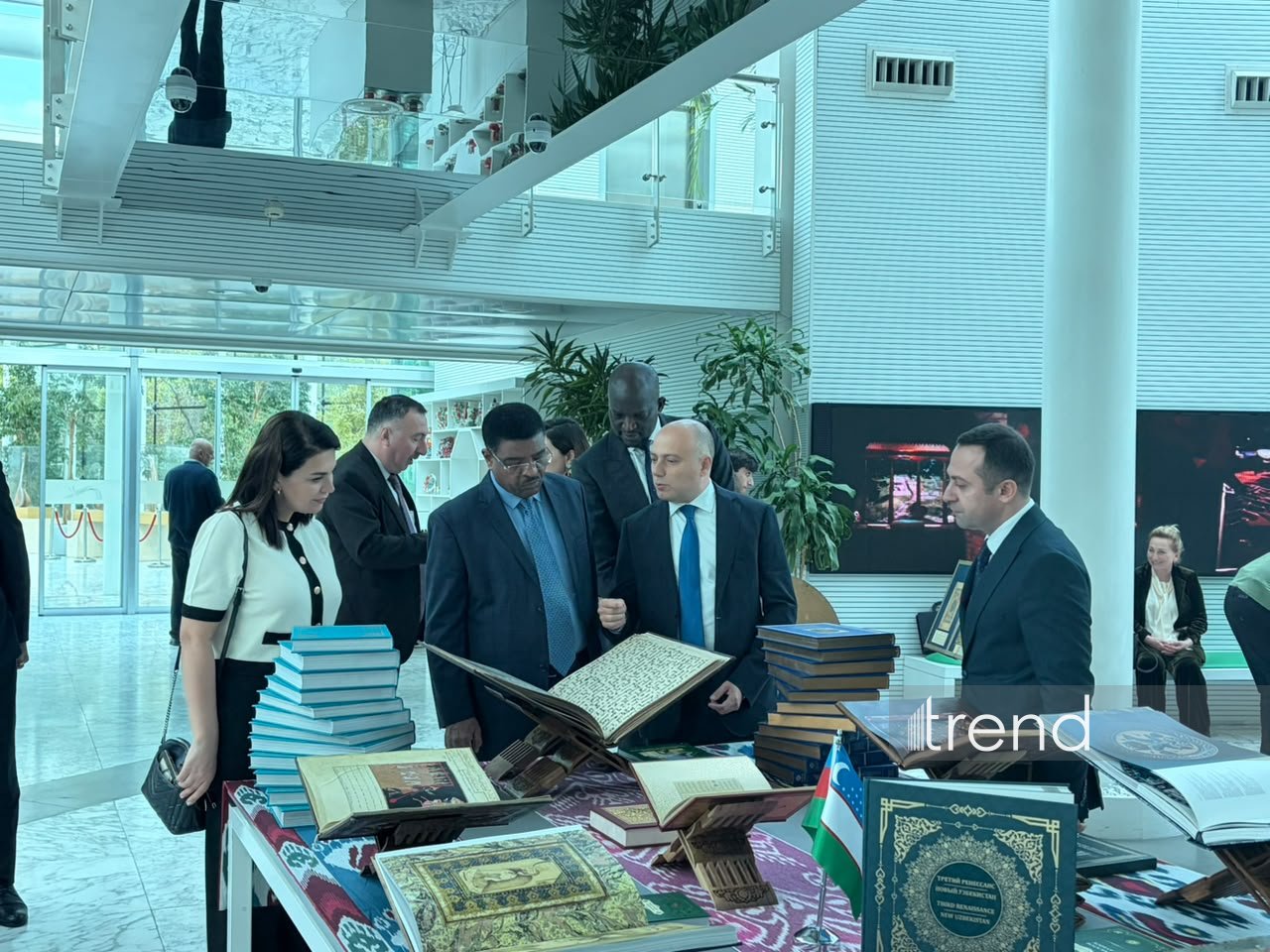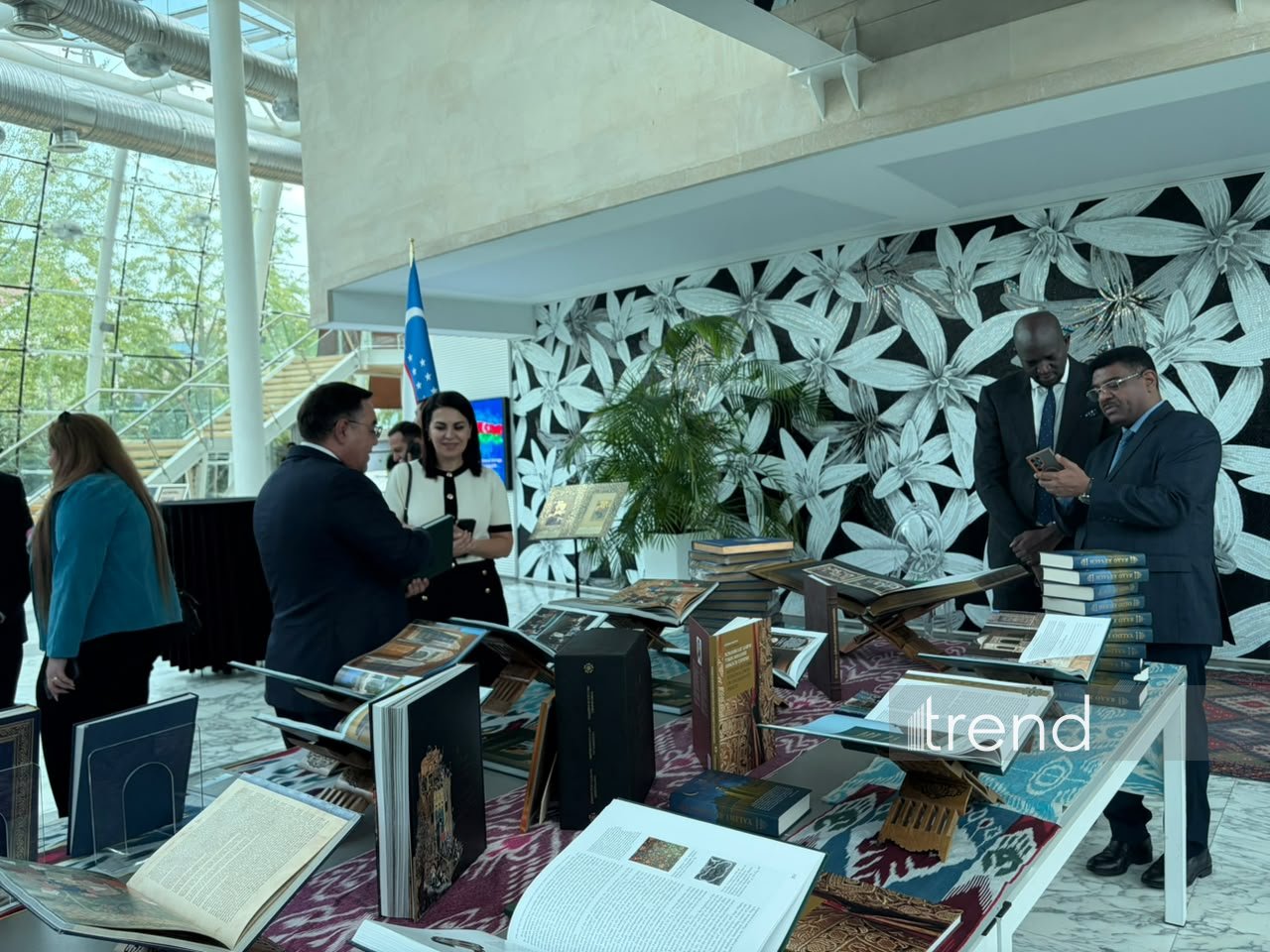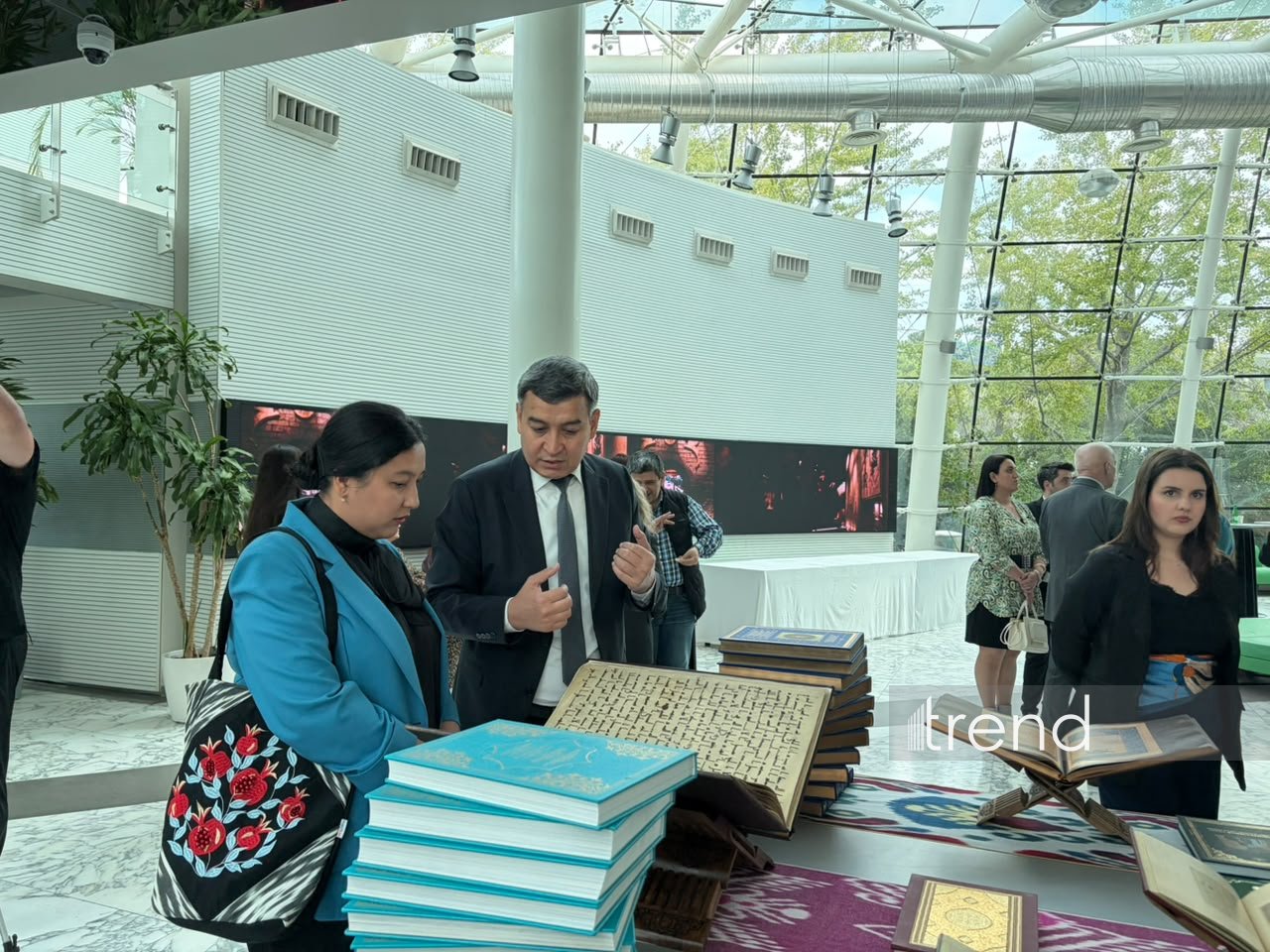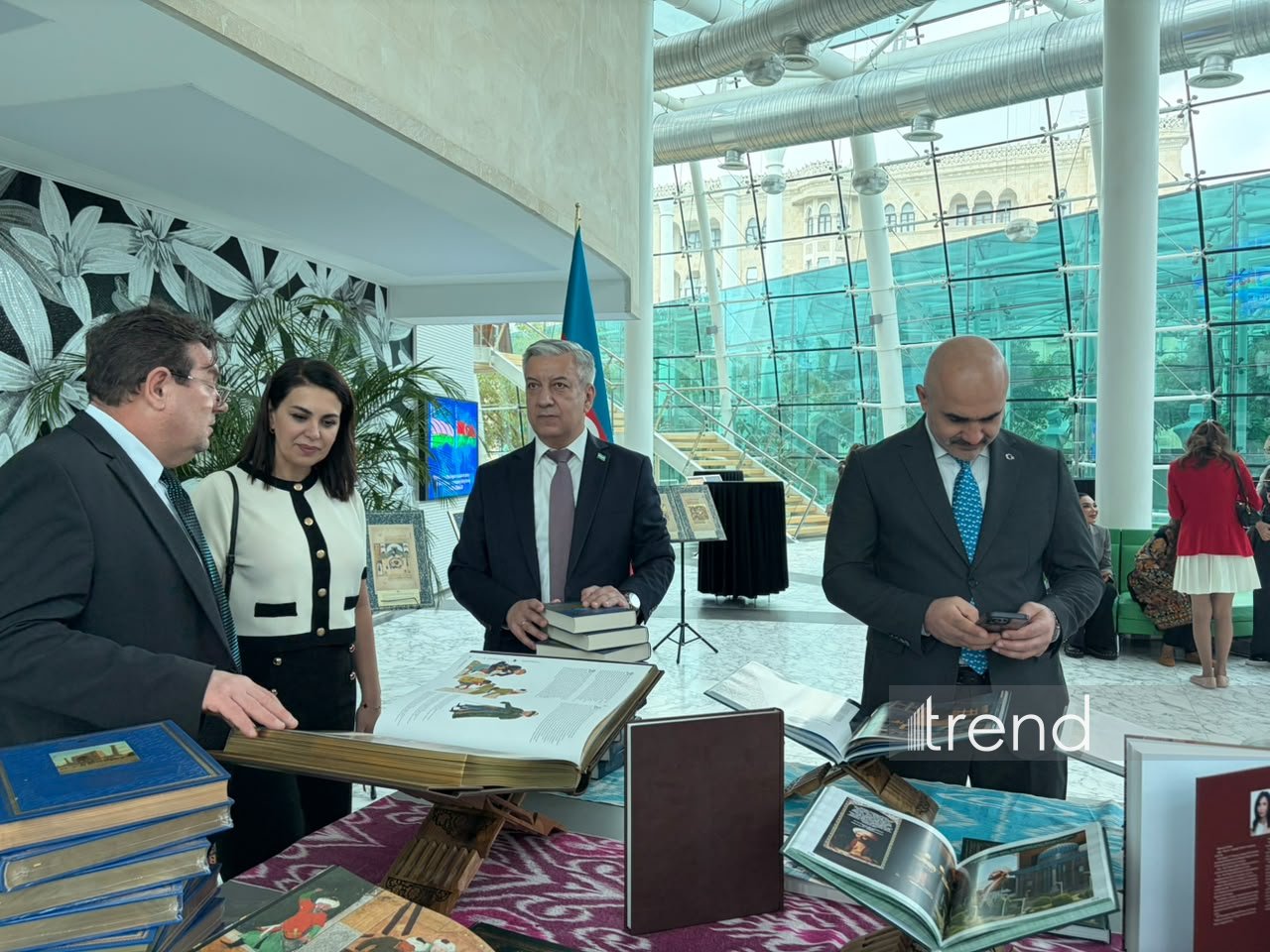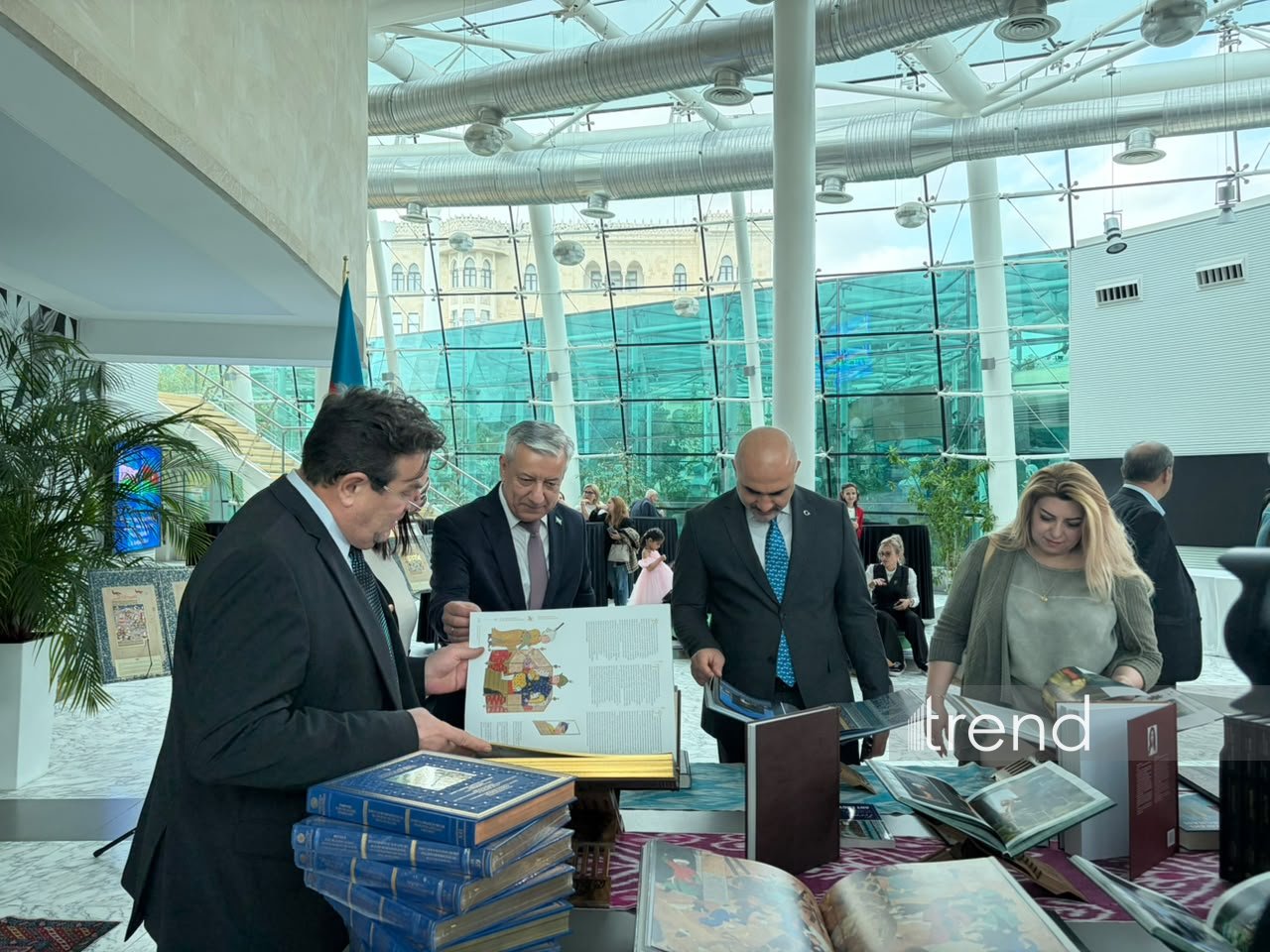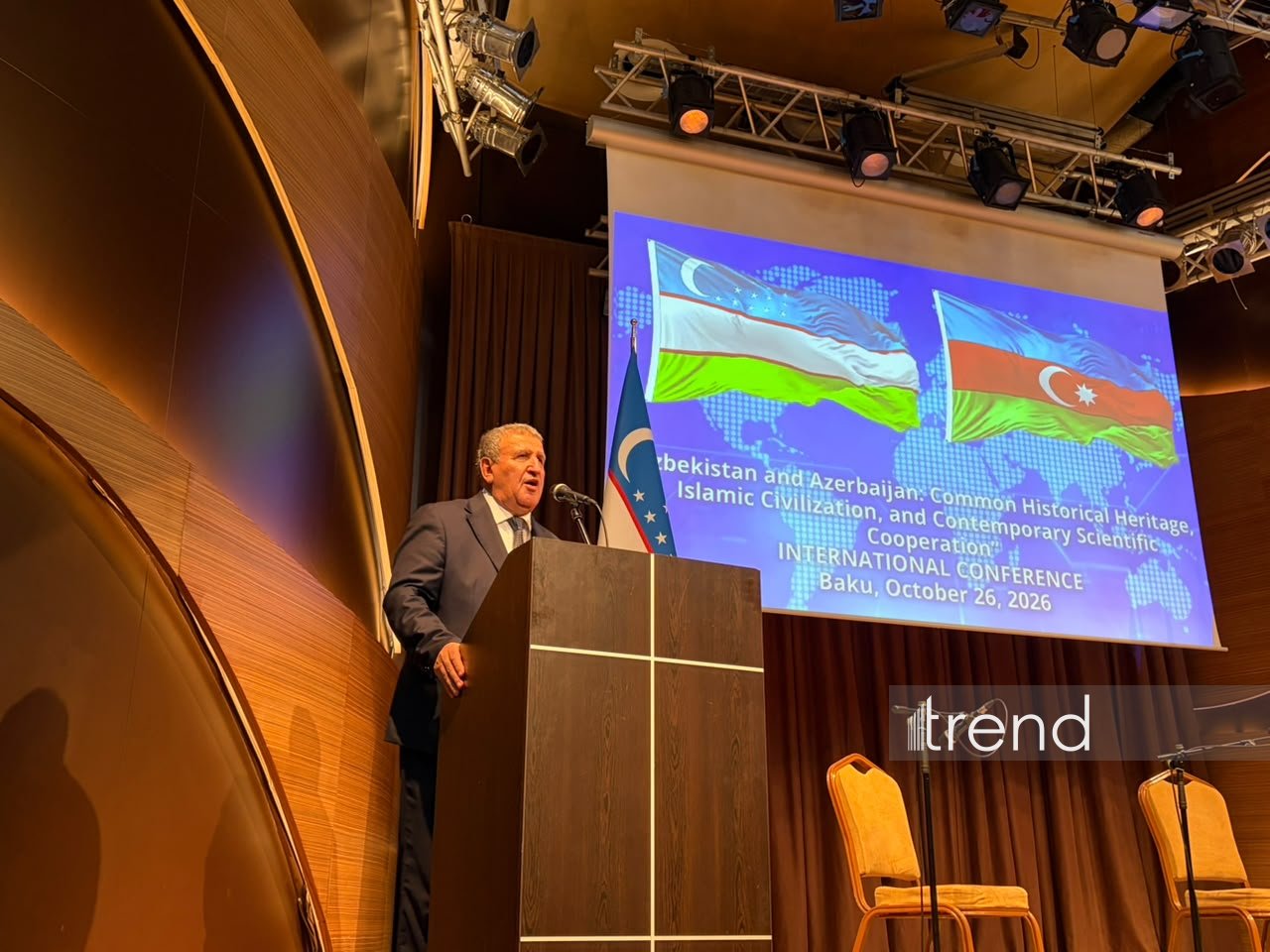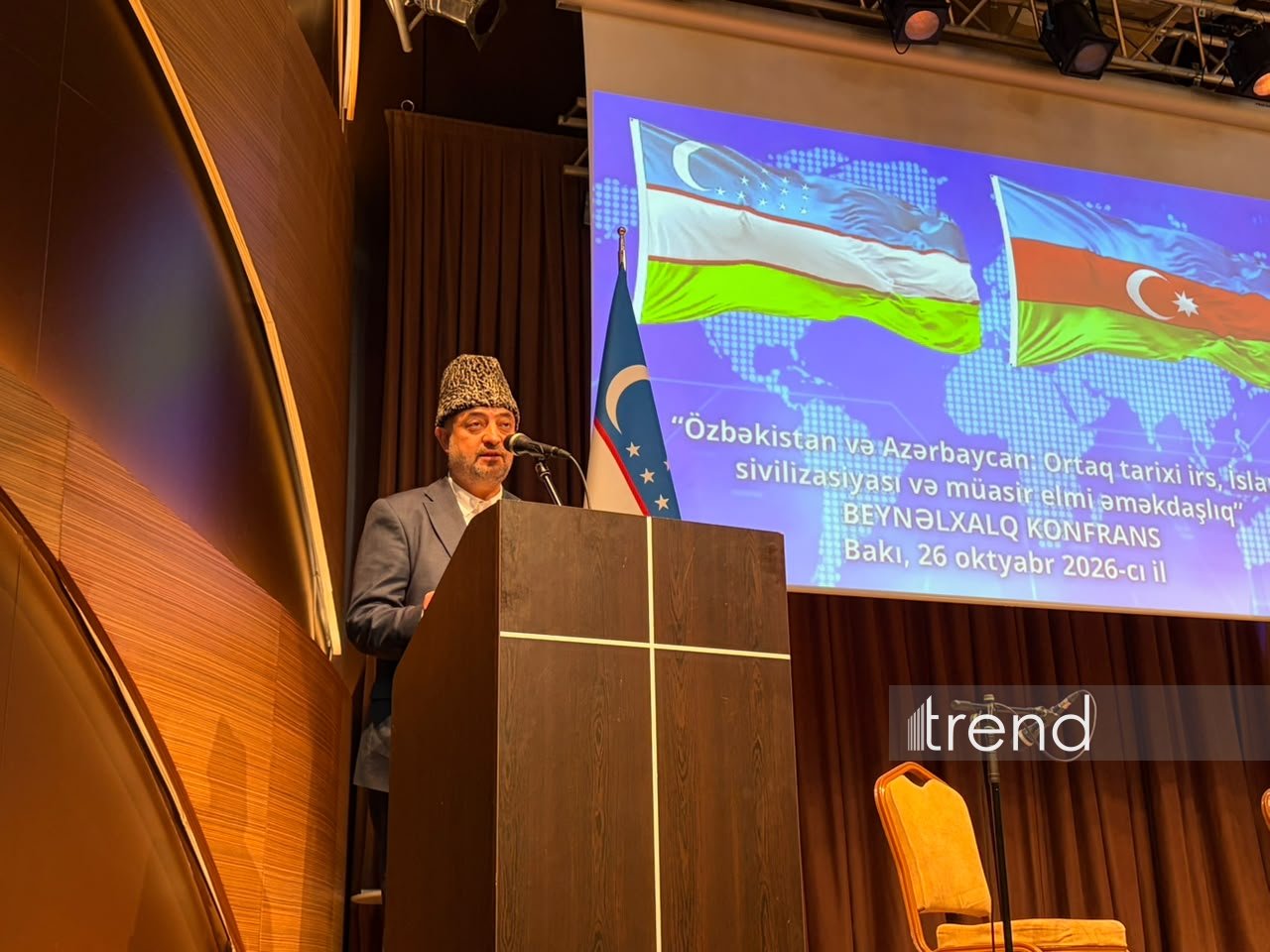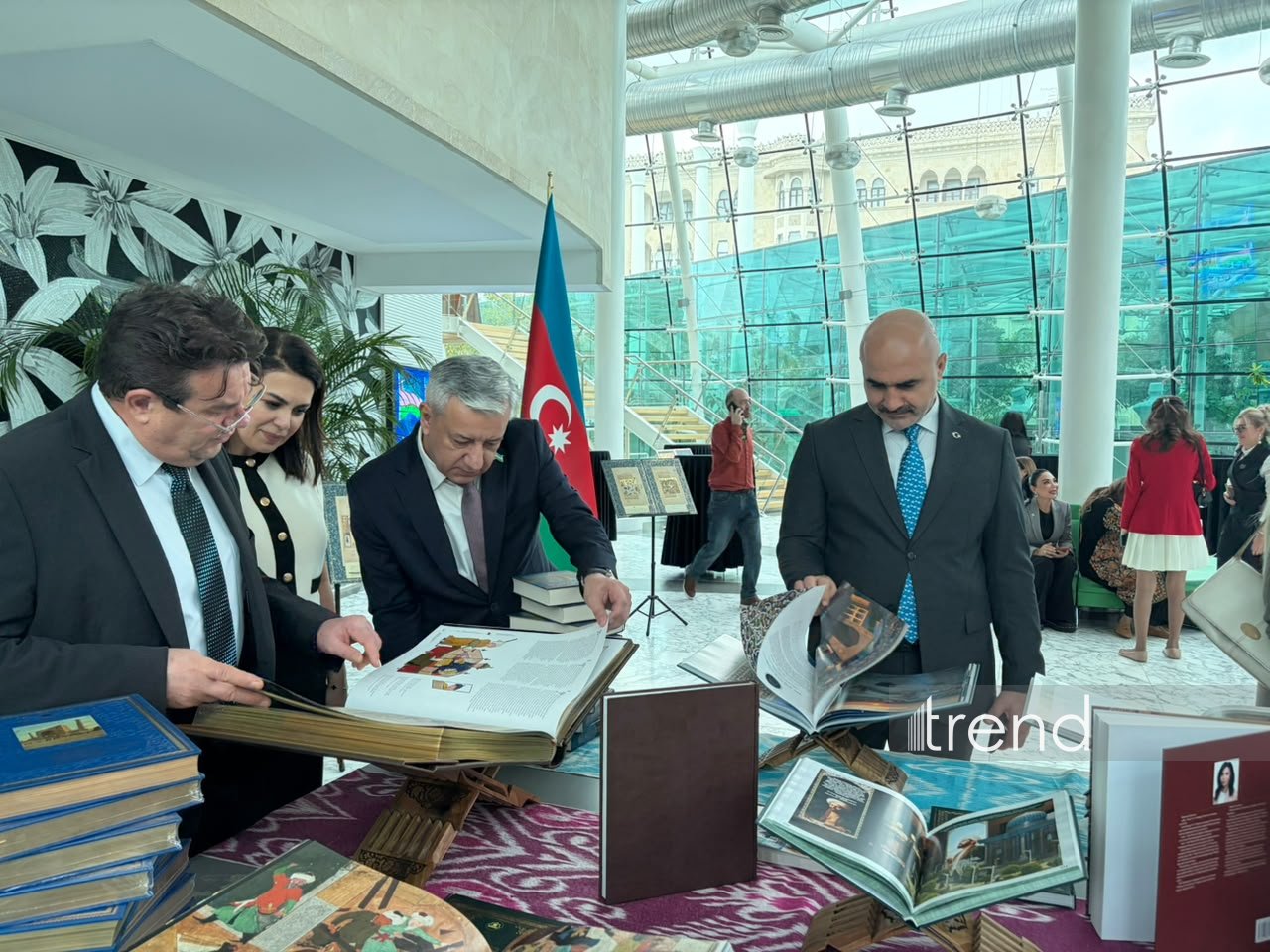

BAKU, Azerbaijan, October 26. An international scientific conference on the topic “Uzbekistan and Azerbaijan : Common Historical Heritage, Islamic Civilization, and Contemporary Scientific Cooperation” took place in Baku, Trend’s correspondent reports from the event.
The event was attended by government and diplomatic representatives from Azerbaijan and Uzbekistan, religious leaders, scholars, researchers, and cultural experts.
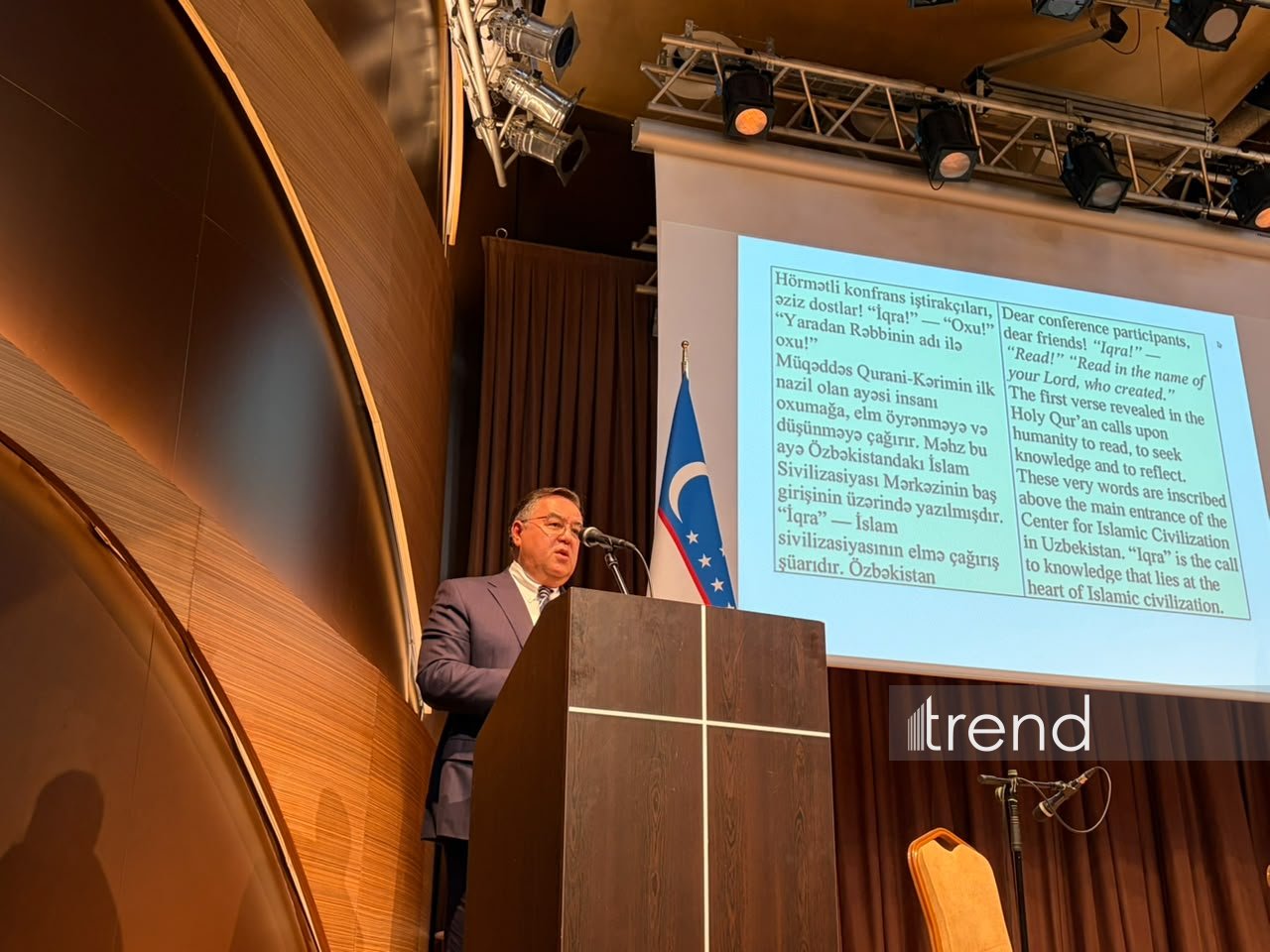
The conference featured presentations on the activities of the Center for Islamic Civilization, the main areas of its research, and opportunities for international cooperation.
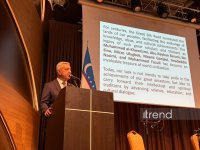
Speaking at the event, Uzbekistan’s ambassador to Azerbaijan, Bahrom Ashrafkhanov said that the Center for Islamic Civilization in Tashkent is designed to showcase Uzbekistan’s historical heritage and its contribution to world civilization, as well as to strengthen scientific, educational, and cultural ties with Azerbaijan.
The diplomat emphasized the importance of preserving the intellectual and spiritual heritage of the two nations.
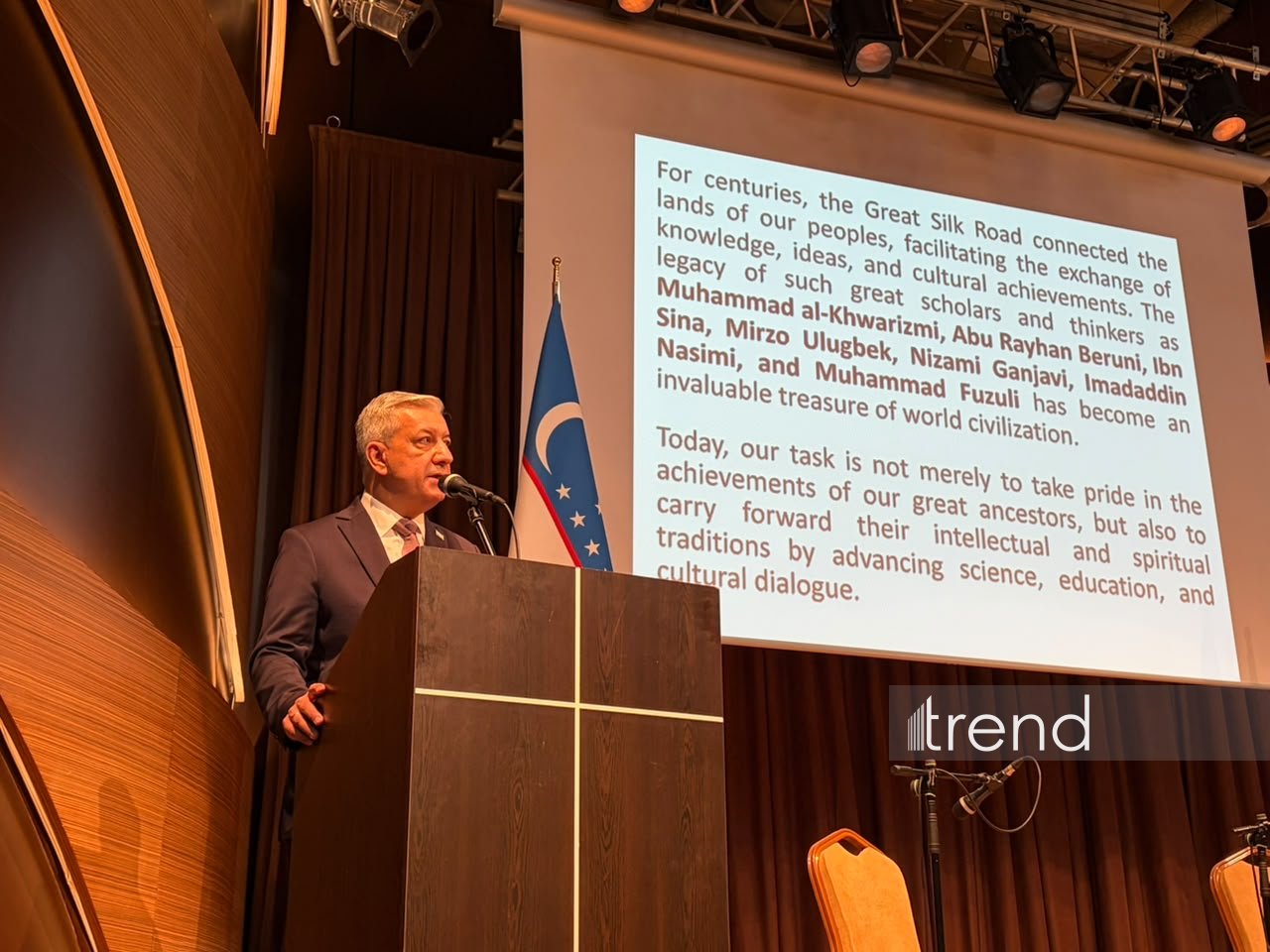
He noted that for centuries, the Great Silk Road has connected our countries, facilitating the exchange of knowledge, ideas, and cultural achievements.
The ambassador highlighted the significance of the legacy of outstanding scientists and thinkers, including Muhammad al-Khwarizmi, Abu Reyhan Biruni, Ibn Sina, Mirzo Ulugbek, Nizami Ganjavi, Imadaddin Nasimi, and Muhammad Fizuli. According to him, the task today is to carry on the intellectual and spiritual traditions of the ancestors by advancing science, education, and cultural dialogue.
Ashrafkhanov described the Center for Islamic Civilization as a large-scale scientific and educational initiative aimed at familiarizing the international community with Uzbekistan’s rich historical heritage and its contribution to the development of world civilization.
He also noted the special role of Uzbekistan's President Shavkat Mirziyoyev in establishing the Center, recalling that the initiative was proposed by the head of state at the 72nd session of the UN General Assembly in 2017.
According to the diplomat, the project reflects a strategic vision aimed at preserving the priceless heritage of our ancestors, revealing its significance for the modern world, and passing it on to future generations.
The ambassador emphasized that the Center’s main objective is to transform historical heritage into a source of inspiration for new scientific discoveries and achievements.
He also noted that relations between Uzbekistan and Azerbaijan continue to develop within the framework of a strategic partnership and alliance.
"The dialogue between Uzbekistan’s President Shavkat Mirziyoyev and Azerbaijan’s President Ilham Aliyev plays an important role in this process," the diplomat added.
Among the priority areas for further cooperation, the diplomat cited collaboration between the two countries’ academies of sciences, universities, museums, and research institutions; joint research on historical heritage; and initiatives to support young scientists.
"I am confident that today’s conference will give new impetus to this cooperation," the ambassador said.
He expressed hope that the Center for Islamic Civilization in Tashkent would become a platform for new discoveries and international dialogue, contributing to the further strengthening of scientific, cultural, and humanitarian ties between Tashkent and Baku.
Concluding his remarks, Ashrafkhanov emphasized that preserving historical heritage and jointly building the future create a solid foundation for friendship and mutual understanding between nations.
"Long live the eternal friendship and brotherhood of the Uzbek and Azerbaijani peoples!" he said.
In turn, Firdavs Abdukhalikov, director of the Center for Islamic Civilization, emphasized that Uzbekistan and Azerbaijan are strengthening cultural and scientific cooperation, building on their centuries-old shared historical, intellectual, and spiritual heritage.
According to Abdukhalikov, these values reflect the common principles that unite the Uzbek and Azerbaijani peoples. He also drew attention to the ancient roots of bilateral ties, noting that the ethical principles associated with the “Avesta” and the Zoroastrian heritage – “Good thoughts, good words, good deeds” – continue to inspire people today. Recalling his visit to the famous “Ateshgah” temple complex in Baku, Abdukhalikov noted that this historic landmark allowed him to once again experience the shared spiritual and cultural roots of the two peoples.
“In the centuries that followed, Islamic civilization further enriched these ties,” he said, emphasizing that over the centuries, scholars had exchanged knowledge, manuscripts, and ideas.
As an example, Abdukhalikov cited the interaction between Ibn Sina and his Azerbaijani student Bahmanyar, who continued his teacher’s scholarly tradition.
According to him, a manuscript copy of Bahmanyar’s work “Al-Tahsil” is preserved in Tashkent.
Abdukhalikov also noted the scholarly ties between the school of Nasir al-Din al-Tusi in Maragheh and Ulugh Beg’s scientific center in Samarkand. The astronomical traditions that took shape in Maragheh were further developed in Samarkand thanks to new observations, calculations, and the compilation of star catalogs.
President of the Azerbaijan National Academy of Sciences (ANAS), Academician Isa Habibbayli, said that under the leadership of President of the Republic of Azerbaijan Ilham Aliyev and President of Uzbekistan Shavkat Mirziyoyev, bilateral relations between the two countries have reached their highest level ever.
He noted that the fraternal relations between the two countries are evident in all spheres, particularly in science, culture, and literature.
The academician pointed out that extensive ties have been established between ANAS and Uzbekistan’s scientific institutions and higher education institutions.
“This event and the conferences serve to further deepen Azerbaijani-Uzbek ties, as well as our scientific, cultural, and literary relations, under new historical conditions,” Habibbayli added.
The Center for Islamic Civilization was established at the initiative of Uzbekistan’s President Shavkat Mirziyoyev. The Center’s activities are aimed at studying the scientific and spiritual heritage of the great ancestors, demonstrating the contribution of Islamic civilization to the development of global science and culture, and preserving this heritage for future generations.
The conference is intended to help strengthen scientific and cultural ties between Azerbaijan and Uzbekistan, promote joint research, and expand cooperation in the study of their shared historical heritage and Islamic civilization.