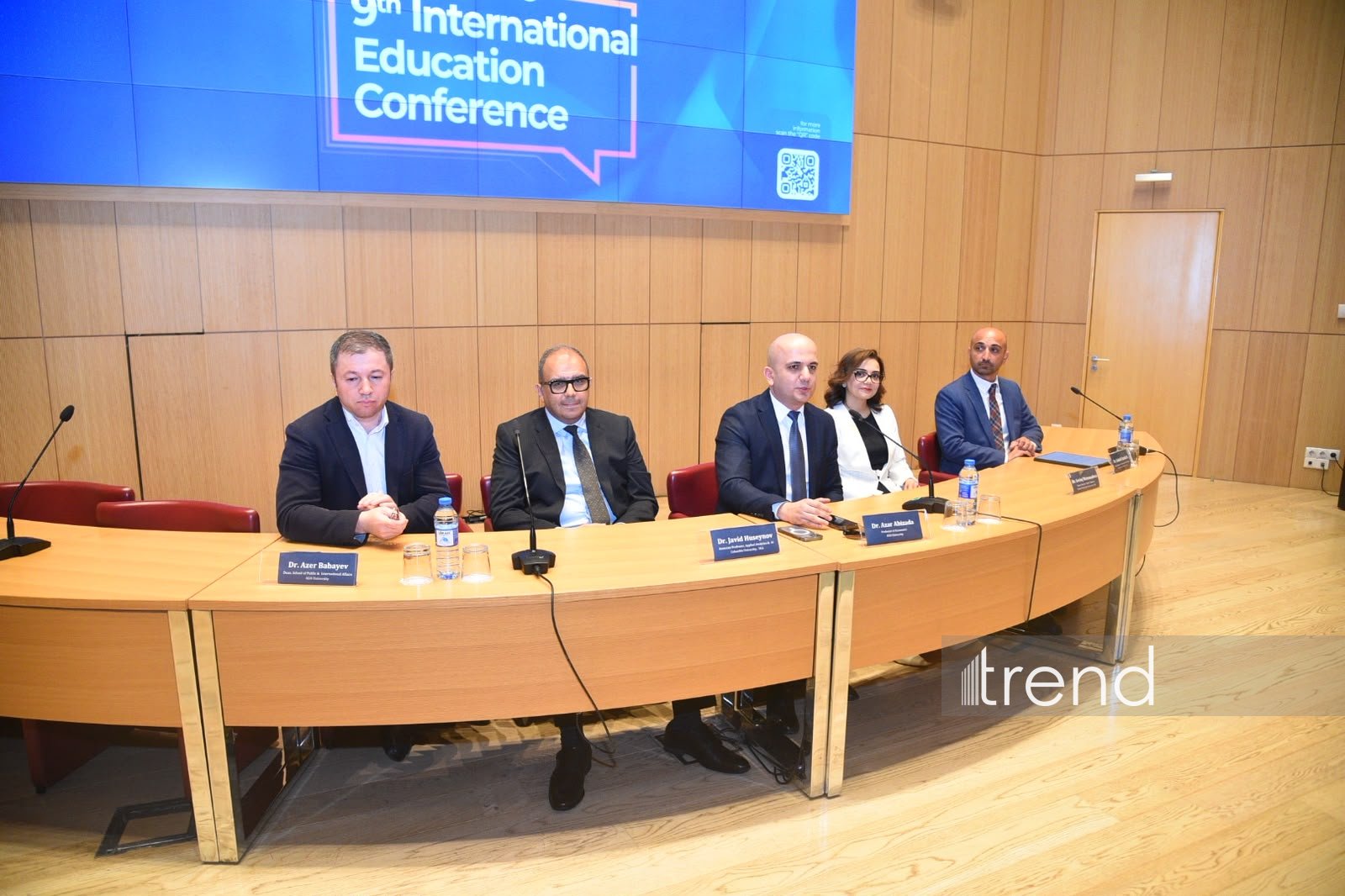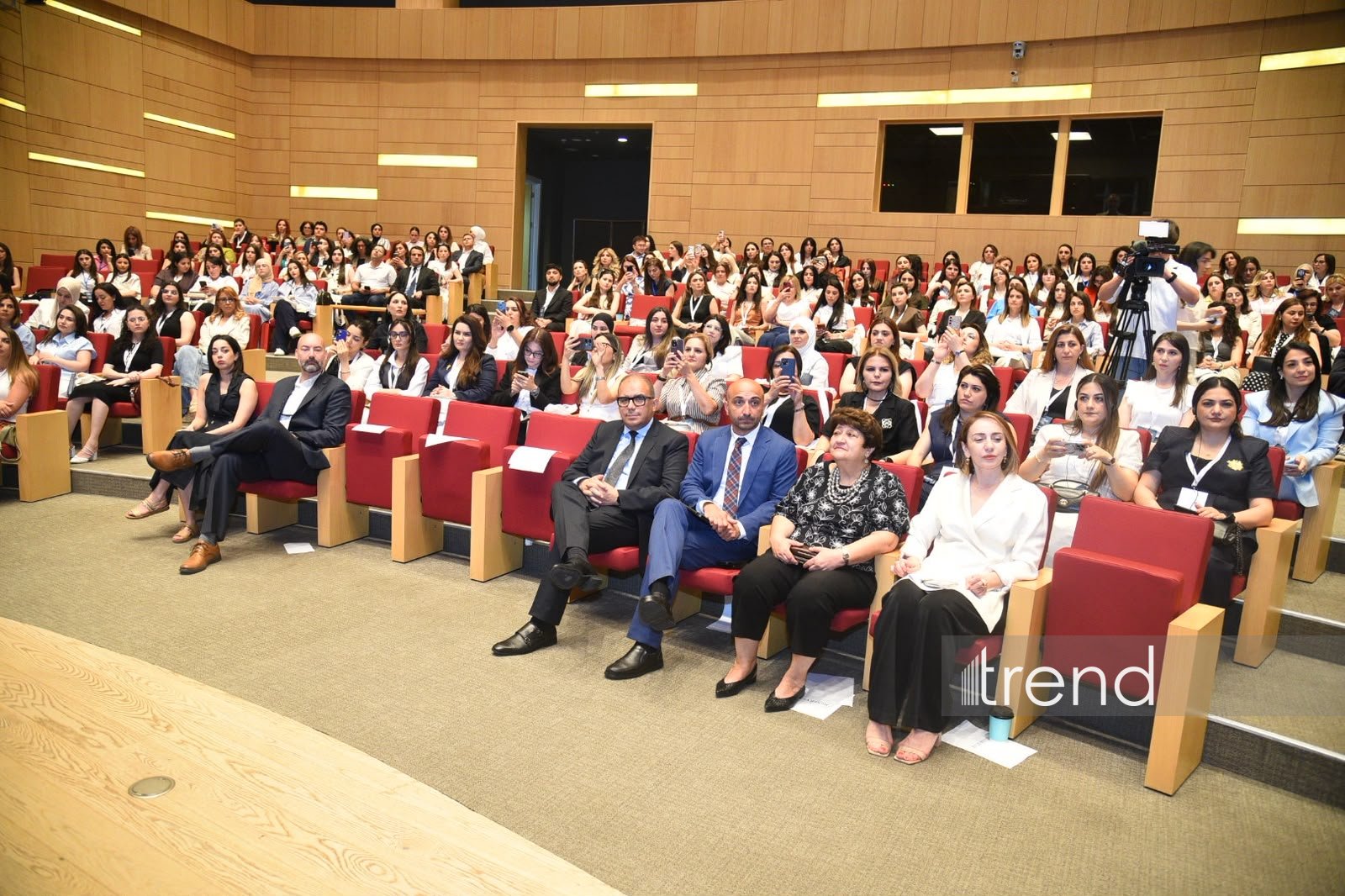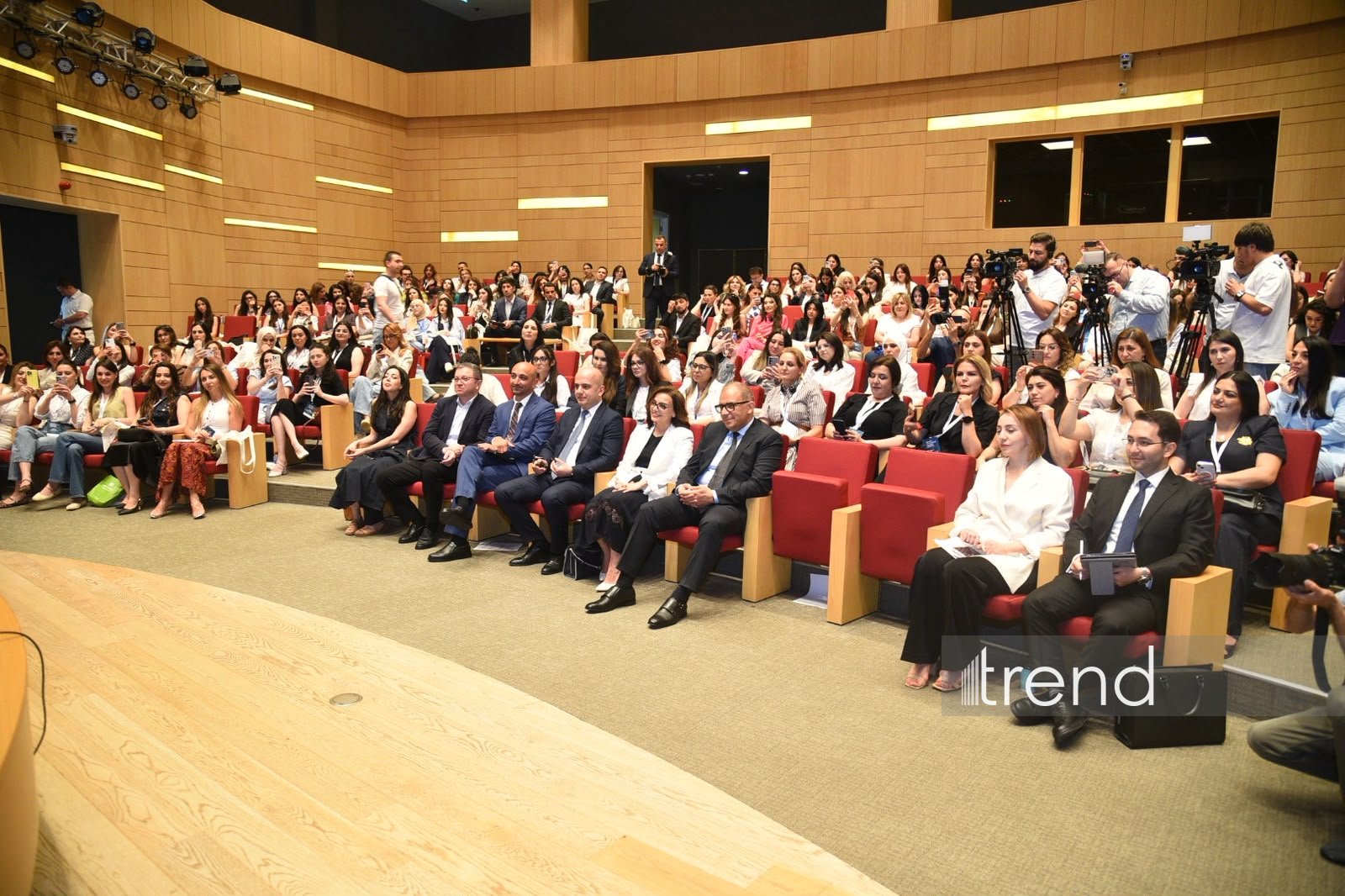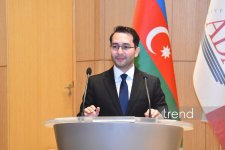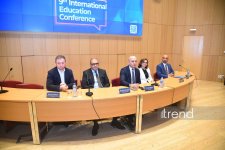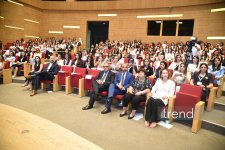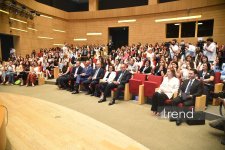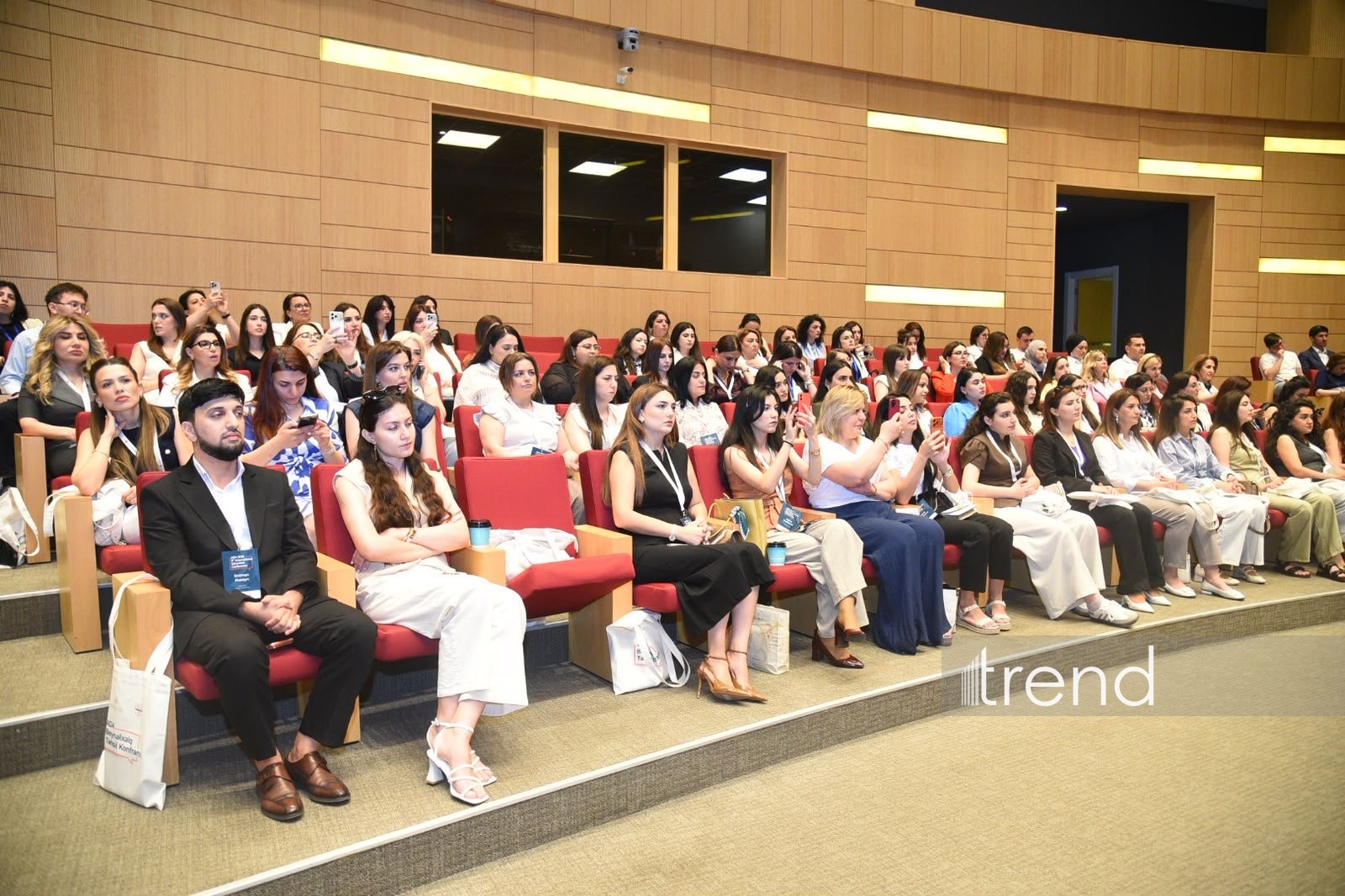
BAKU, Azerbaijan, June 30. On June 30, the official opening ceremony of the 9th ADA International Conference on Education, organized in partnership with ADA University and the Ministry of Science and Education, took place.
Trend's correspondent, attending the event, reported that this year’s conference, dedicated to the theme "Teaching and learning in the era of pedagogical transformation," featured extensive discussions on pressing challenges such as the development of artificial intelligence, national development priorities, new labor market demands, and the creation of a modern educational ecosystem.
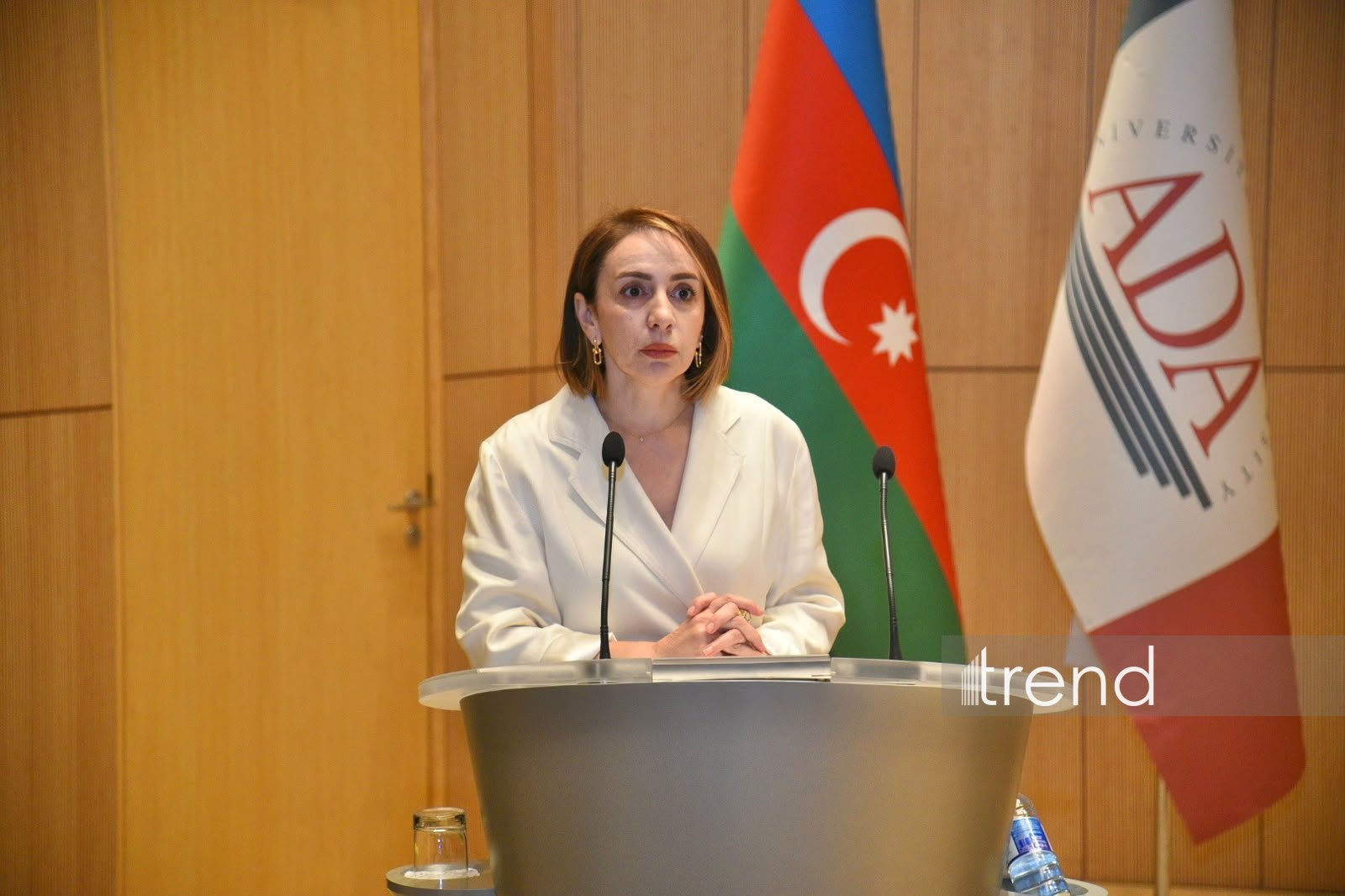
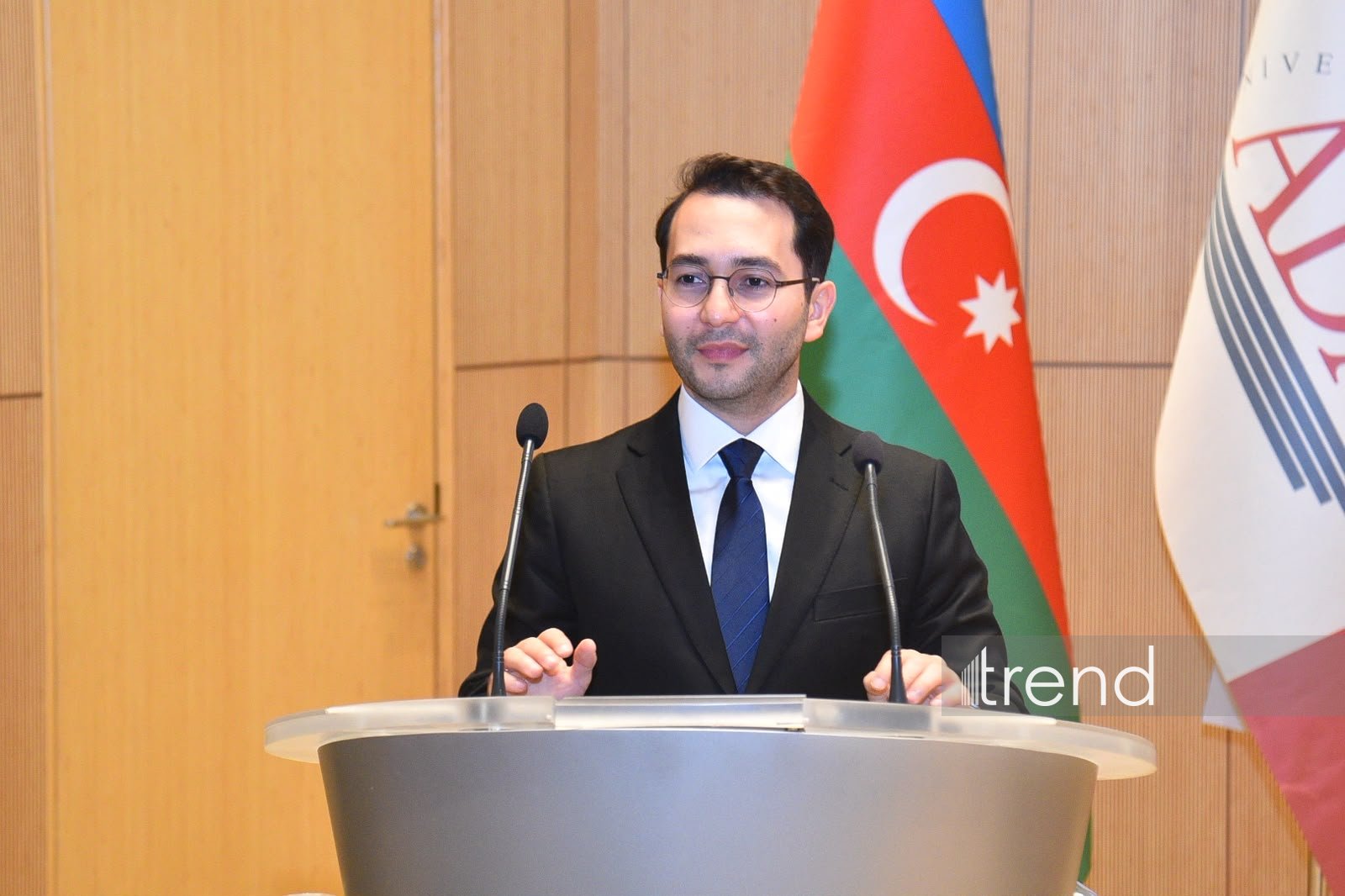
Opening the event with an introductory speech, ADA University Vice Rector for Strategy and Development and Chair of the conference organizing committee, Professor Vafa Kazdal, spoke in detail about the main goals and objectives of the event.
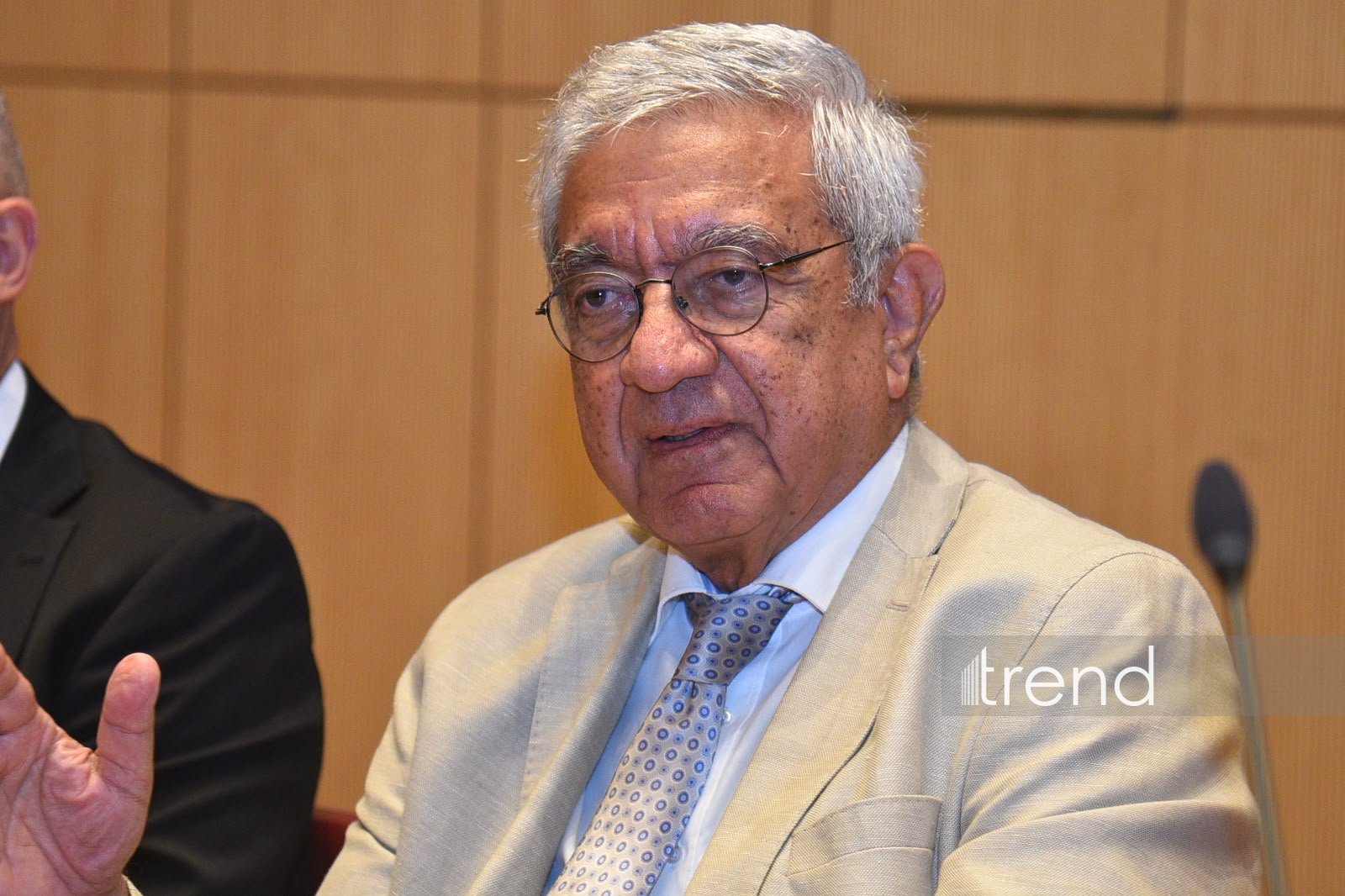
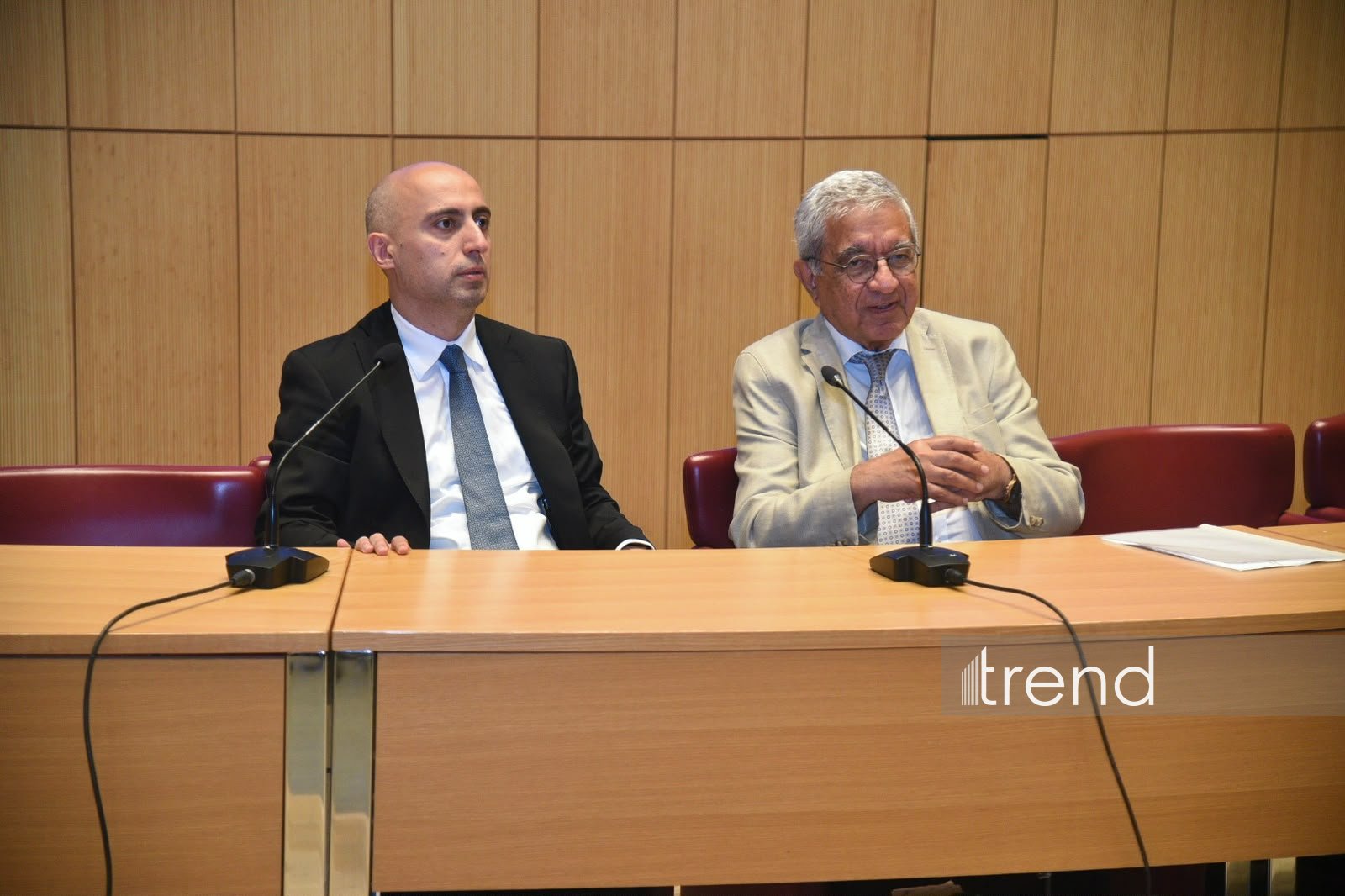
At the opening ceremony, ADA University Rector, Ambassador Hafiz Pashayev, and Minister of Science and Education Emin Amrullayev addressed the participants.
Azerbaijan’s Minister of Science and Education, Emin Amrullayev, speaking at the event, emphasized the strategic goals of modern education and noted that, thanks to the reforms being implemented in the country aimed at improving the quality of higher education, talented young people now have the opportunity to receive a high-quality education without leaving the country. Speaking about the two key functions of education, the minister emphasized that, in addition to providing young people with fundamental knowledge and skills, it is also necessary to instill in them national and universal values.
In turn, ADA University Rector Hafiz Pashayev focused on the importance of creating a high-quality educational environment. He noted that faculty members should gain sufficient practical experience before embarking on scientific research and should base their research specifically on their own experience and interest in the subject matter. Recalling that in the past, faculty members had to work under significantly more challenging conditions, the rector emphasized that while significant progress has been made in education today, there are still many challenges in the field of science that need to be addressed.
The conference’s keynote speaker, Dr. Yusuf Oldak, a professor at the Hong Kong University of Education, highlighted global trends in his presentation titled “Building Higher Education Systems That Generate Significant Knowledge in the Era of Generative Artificial Intelligence: Trends and Lessons from the Developing World.”
In addition to parallel academic sessions, the program featured two important panel discussions with the participation of international and local experts.
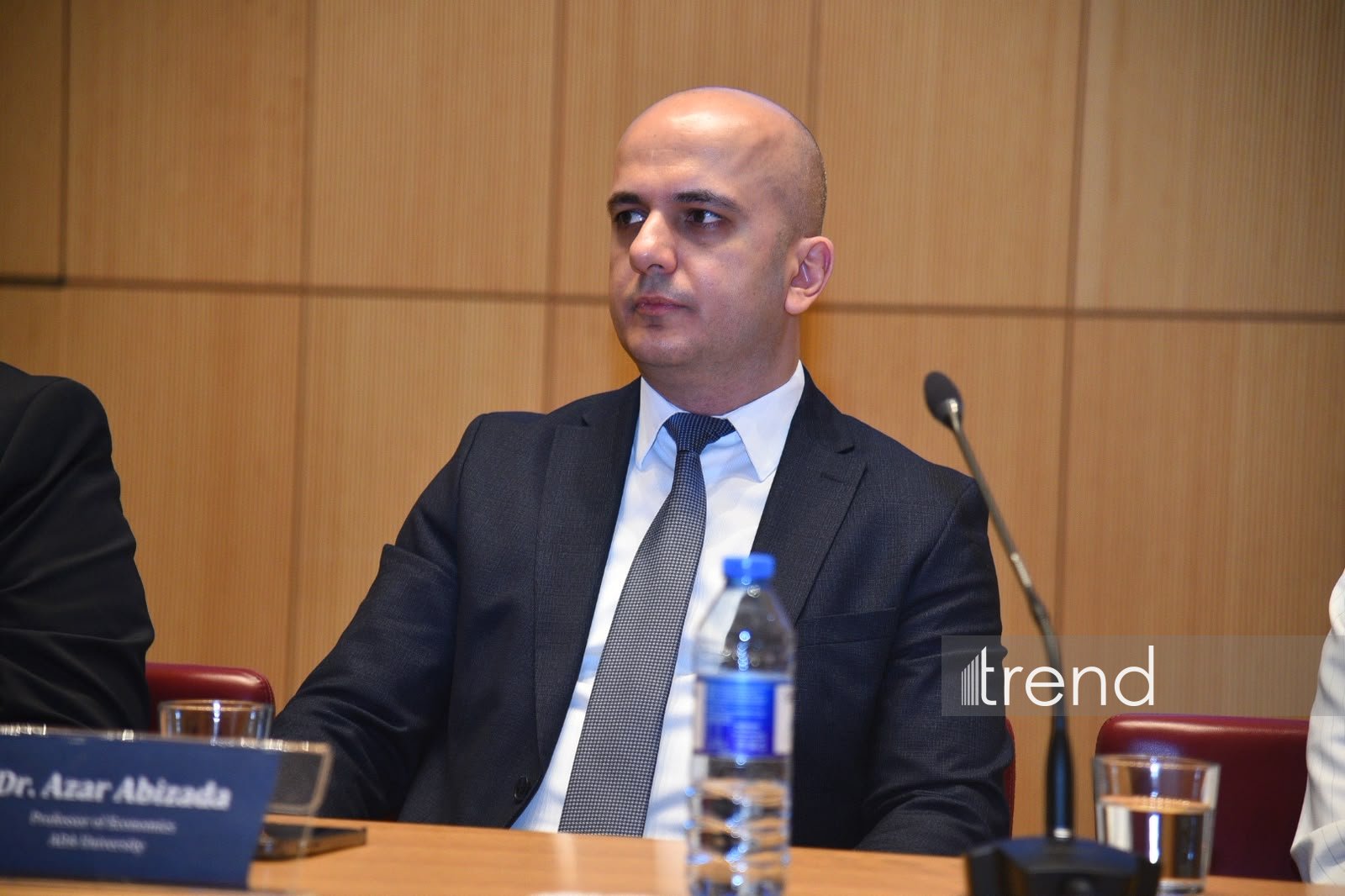
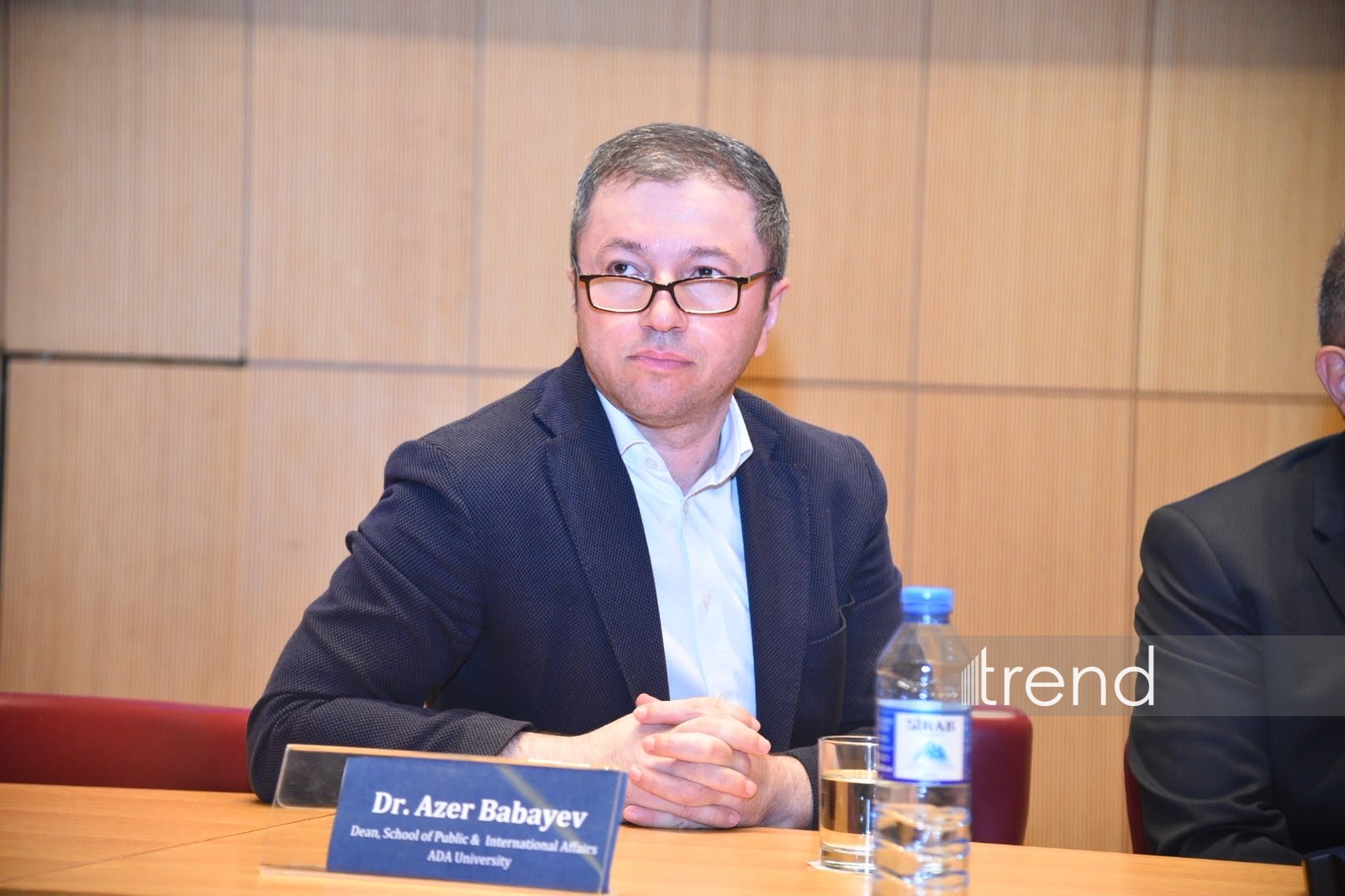
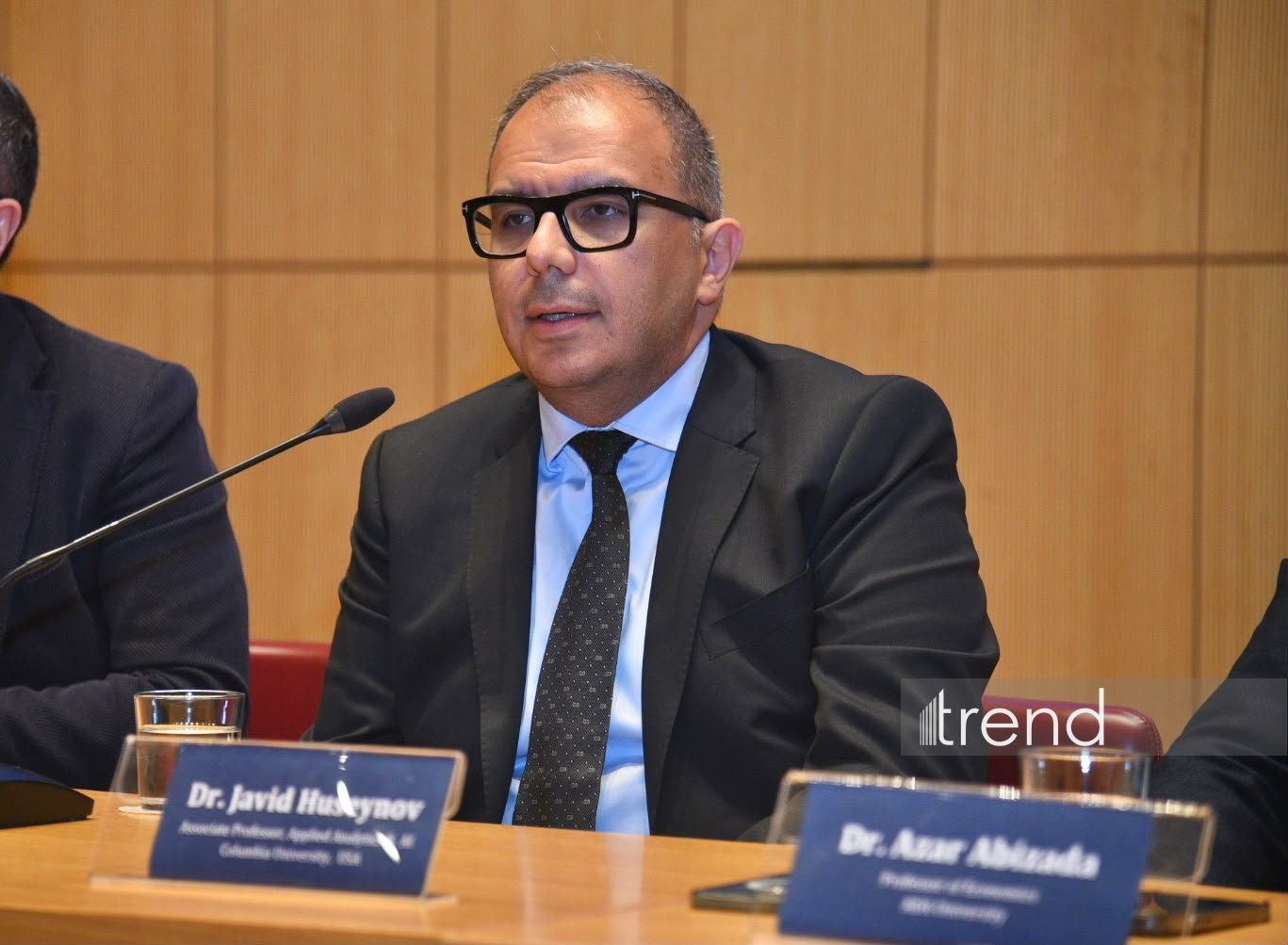
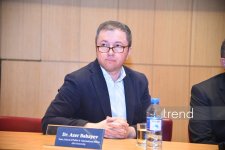
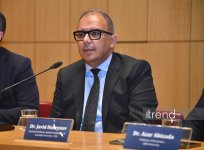
In the first panel discussion, titled “Building a Research Ecosystem at ADA University: Reflections on Steps Toward the Future,” moderated by Professor Azer Abizade of ADA, Associate Professor Sabuhi Sardarli of Kansas State University, Associate Professor Javid Huseynov from Columbia University, Professor Sevinj Mammadova from George Washington University, and Professor Azer Babayev, Dean of the Faculty of Public and International Relations at ADA University.
The second panel, titled “An Intergenerational Perspective on Primary and Secondary Education in Azerbaijan: Voices of Principals, Teachers, and Parents,” moderated by Professor Vafa Kazdal, examined the future of general education from the perspectives of various stakeholders.
During the conference, participants discussed questions such as: “What skills are needed in a rapidly changing environment?”, “How should curricula be designed to be accessible to all and take social realities into account?”, and “How should the educational community respond to new challenges?”.
In the conference’s closing address, Professor Ger Graus, an expert on global education and outcomes-based education, summarized the conference’s central theme with the philosophy: “Whatever the question, education is always the answer.”
The two-day conference was attended by more than 235 people from 8 countries, including education experts, government officials, business leaders, teachers, and students.