



BAKU, Azerbaijan, November 18. Poland is providing training to Turkmenistan's migration and border officials on migration management, border security and temporary protection procedures in the event of a mass influx of foreign nationals, the Turkmen State Migration Service reported.
The training seminar began in Ashgabat on November 16 under a memorandum of understanding between Turkmenistan's State Migration Service and Poland's Border Guard. It is scheduled to run through November 18.
According to the report, Polish Border Guard experts are conducting the sessions, which cover integrated border management, strategic planning, risk assessment and international protection mechanisms.
The program also focuses on improving interagency coordination, modernizing border control procedures and applying international standards in migration and border security.
For reference, Poland faced a major migration crisis on its border with Belarus in 2021, when thousands of migrants, mainly from Iraq, Afghanistan and Syria, attempted to enter the European Union through its eastern frontier. The EU institutions accused the Belarusian authorities of facilitating and organizing the movement of migrants as a means of exerting political pressure on the bloc. Warsaw classified the situation as a hybrid threat and deployed additional border guards, police and military personnel to the affected areas.
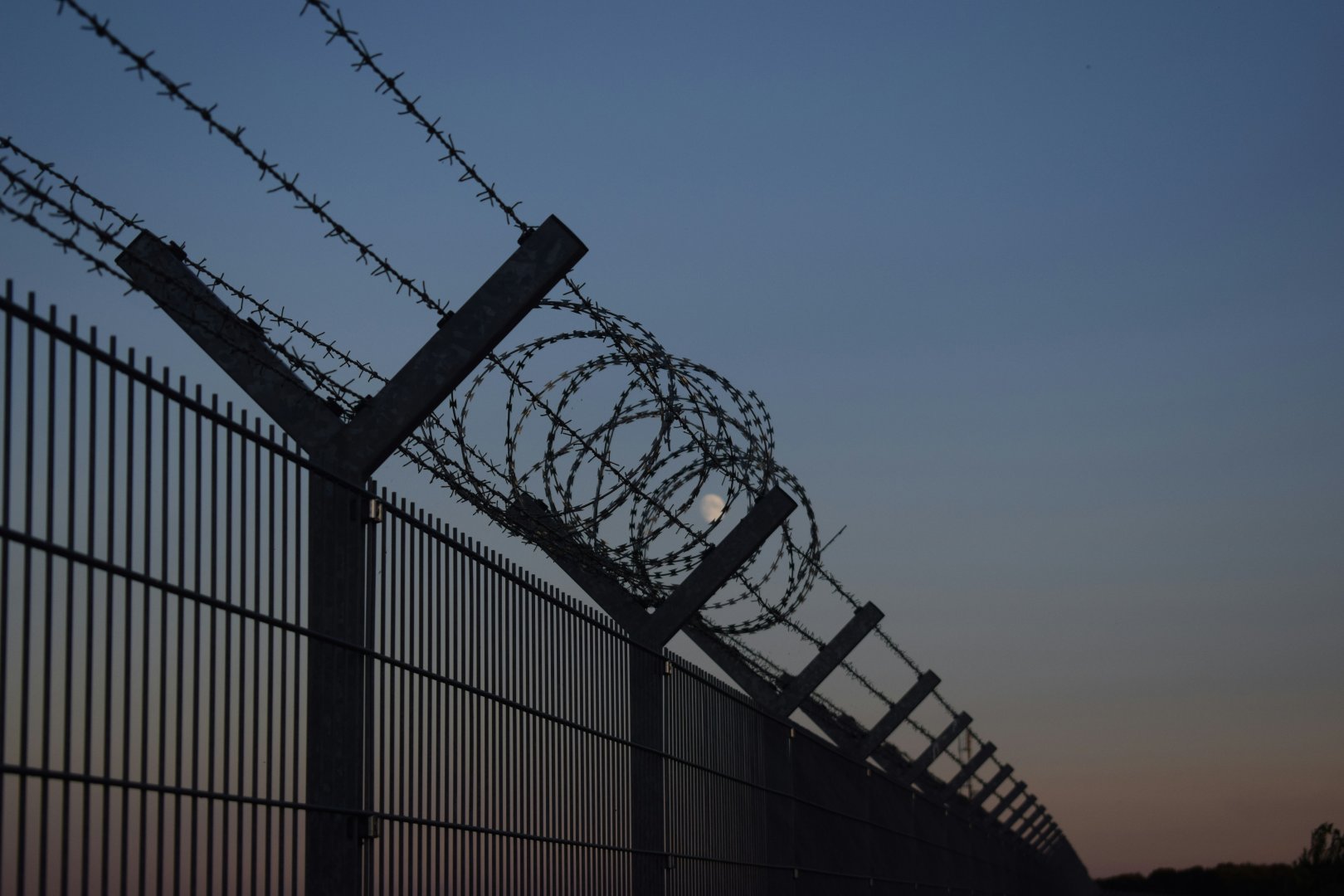
Poland subsequently invested heavily in physical and electronic border protection. In 2022, it completed a 186-kilometer-long steel barrier, standing 5.5 meters high, along the Belarusian border. An electronic surveillance system, equipped with cameras, thermal imaging devices and detection cables, was also installed. By 2024, the combined cost of these two projects had reached approximately 1.65 billion zlotys (more than $400 million). Further investments included surveillance infrastructure along river sections and the establishment of restricted-access buffer zones.
Warsaw also tightened its migration legislation, introducing accelerated procedures for returning foreigners who cross the border irregularly. In March 2025, Poland introduced a temporary suspension of the right to apply for international protection at its border with Belarus, with exemptions for certain vulnerable groups. According to Poland's Interior Ministry, between January and May 2026, border guards recorded 215 attempted irregular crossings, down 98% from more than 10,600 during the same period in 2025. Polish authorities also reported zero successful irregular crossings from Belarus during the first quarter of 2026.
Poland has also stepped up the enforcement of return decisions against foreign nationals staying in the country illegally. According to the Polish Ministry of Interior and Administration, nearly 15,000 decisions ordering foreigners to return to their countries of origin were issued in 2025, twice as many as in 2022. In the first quarter of 2026, Polish authorities deported approximately 2,700 foreign nationals, compared with around 900 during the same period in 2022. The government has also strengthened checks at its borders with Germany and Lithuania, targeting irregular migration and human smuggling networks.
Poland's approach has nevertheless drawn criticism from human rights organizations and legal experts, particularly over the use of pushbacks and restrictions on access to asylum procedures. The European Council on Refugees and Exiles reported that pushbacks continued in 2025 and raised concerns about compliance with international protection standards. At the same time, the Polish government has presented its border policy as a response to the instrumentalization of migration and a means of protecting the EU's external borders.


