


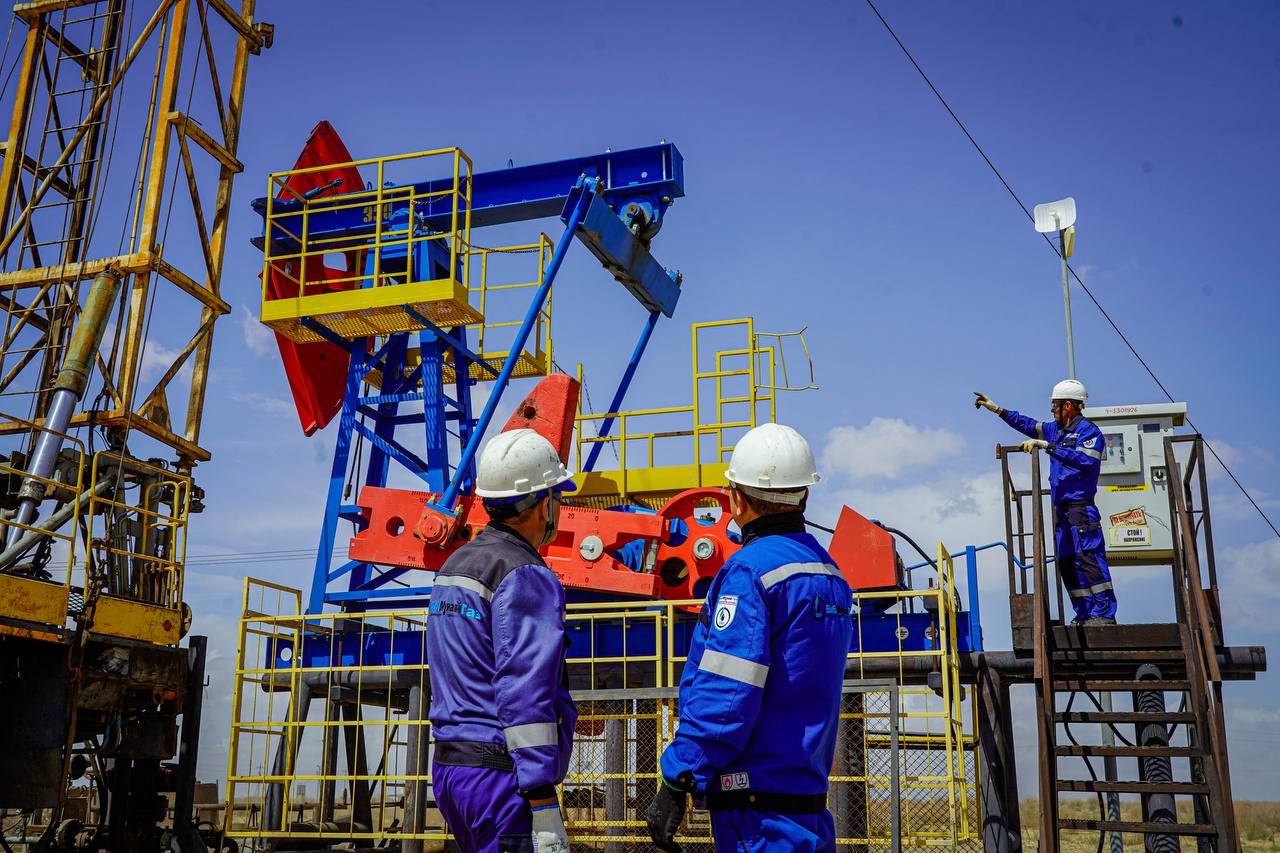
BAKU, Azerbaijan, November 17. Australia's Grand Gulf Energy Limited has secured an 8,750-square-kilometer Geological Study of Subsoil (GIN) area in Kazakhstan's North Turgai Basin, covering a prospective oil and gas exploration area in the northern part of the country, according to the company's announcement.
The GIN was awarded by the Geology Committee of Kazakhstan's Ministry of Industry and Construction. The company said the area remains largely underexplored, despite containing oil-prone geological formations comparable in age, thickness, and burial depth to those found in several major hydrocarbon-producing basins.
"Grand Gulf, at negligible cost, has secured an extremely large acreage position in an underexplored north Kazakhstan basin that is analogous to neighbouring super-basins that host some of the largest producing oil and gas fields in the world. Historical seismic data indicates the presence of prospective carbonate reservoir units capable of hosting significant hydrocarbon volumes. Grand Gulf will now undertake a detailed analysis of all historical data, including seismic data, wireline logs from previous drilling and all relevant lithological, structural and basinal information to identify and refine large-scale oil targets, with a view to drill-testing these prospects should the prospect analysis demonstrate commercial potential", Grand Gulf Energy Director Fergus Kiley said.
According to Grand Gulf, the North Turgai Basin shares geological characteristics with the North Caspian Basin, home to the Kashagan and Tengiz fields, as well as the Volga-Ural and West Siberian basins. The company noted that these neighboring basins contain substantial oil and gas resources, while exploration in North Turgai has so far mainly targeted shallower formations.
Existing seismic data from within and around the licensed area includes approximately 500 line kilometers of 2D seismic surveys and 52 square kilometers of 3D seismic data. Grand Gulf said its interpretation of the data has identified several potential Devonian carbonate mounds and pinnacle reefs at depths of around 2.8 kilometers.
The company considers these formations prospective targets for significant hydrocarbon accumulations. It noted that Devonian carbonate reservoirs in other basins can deliver initial production rates exceeding 1,000 barrels of oil per day from conventional vertical wells, depending on their porosity and permeability.
Grand Gulf said previous drilling in the North Turgai Basin had focused on shallower pre-Devonian formations, where oil and gas shows and some production had been recorded. However, the deeper Middle Devonian carbonate formations targeted by the company have not yet been penetrated by historical drilling in the area.
The company plans to begin its work program by compiling and analyzing historical geological and seismic data, wireline logs from previous wells, and information on the area's lithology, structure, and basin geology. The analysis is intended to identify and refine large-scale exploration targets for potential drilling, subject to the results demonstrating commercial prospects.
Grand Gulf is an Australian Securities Exchange-listed helium, oil, and gas exploration and development company.


