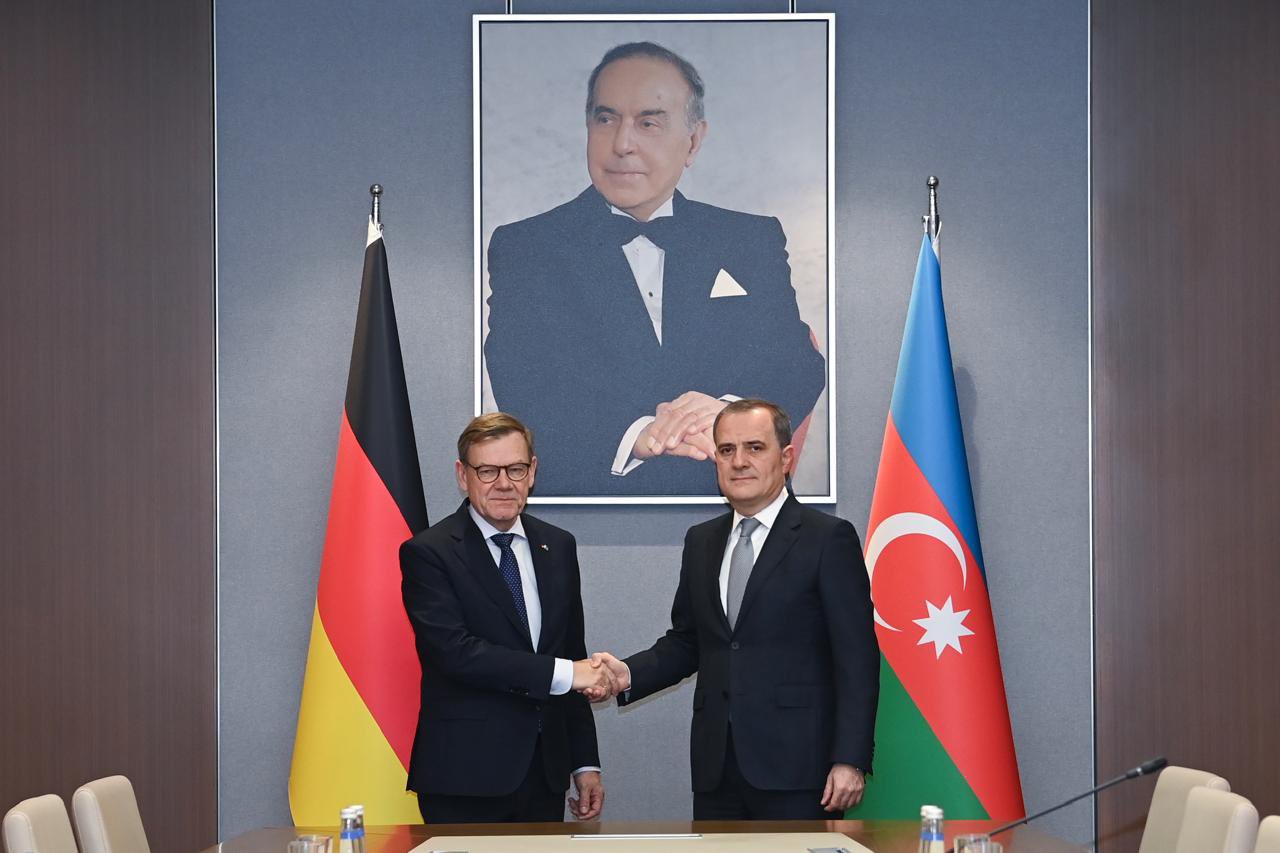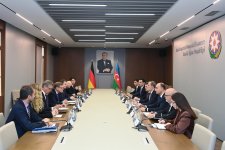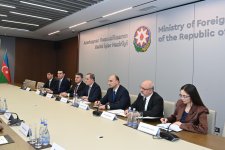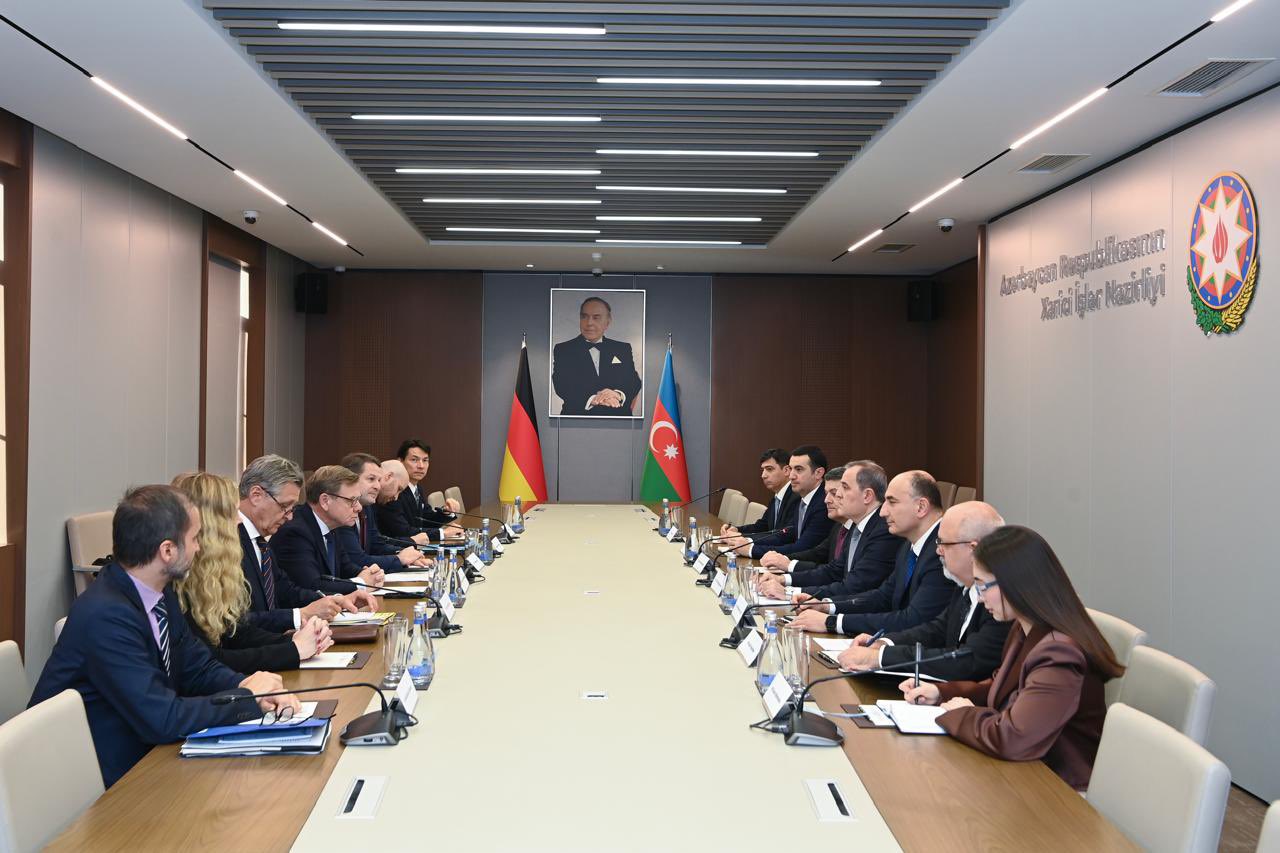

BAKU, Azerbaijan, November 18. Azerbaijan and Germany have discussed prospects for expanding bilateral cooperation in trade, investment, energy, industry, transport and technology during talks between Azerbaijani Foreign Minister Jeyhun Bayramov and German Foreign Minister Johann David Wadephul in Baku.
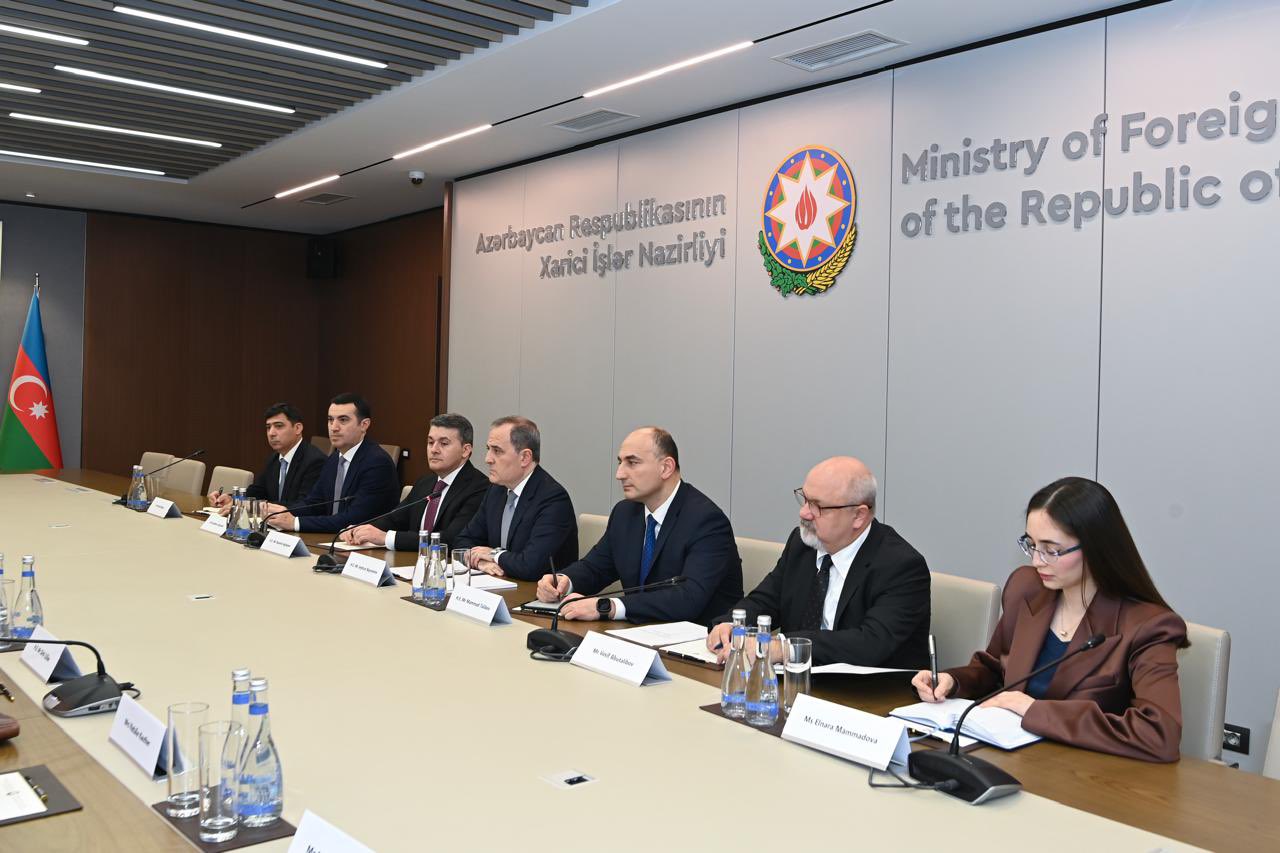
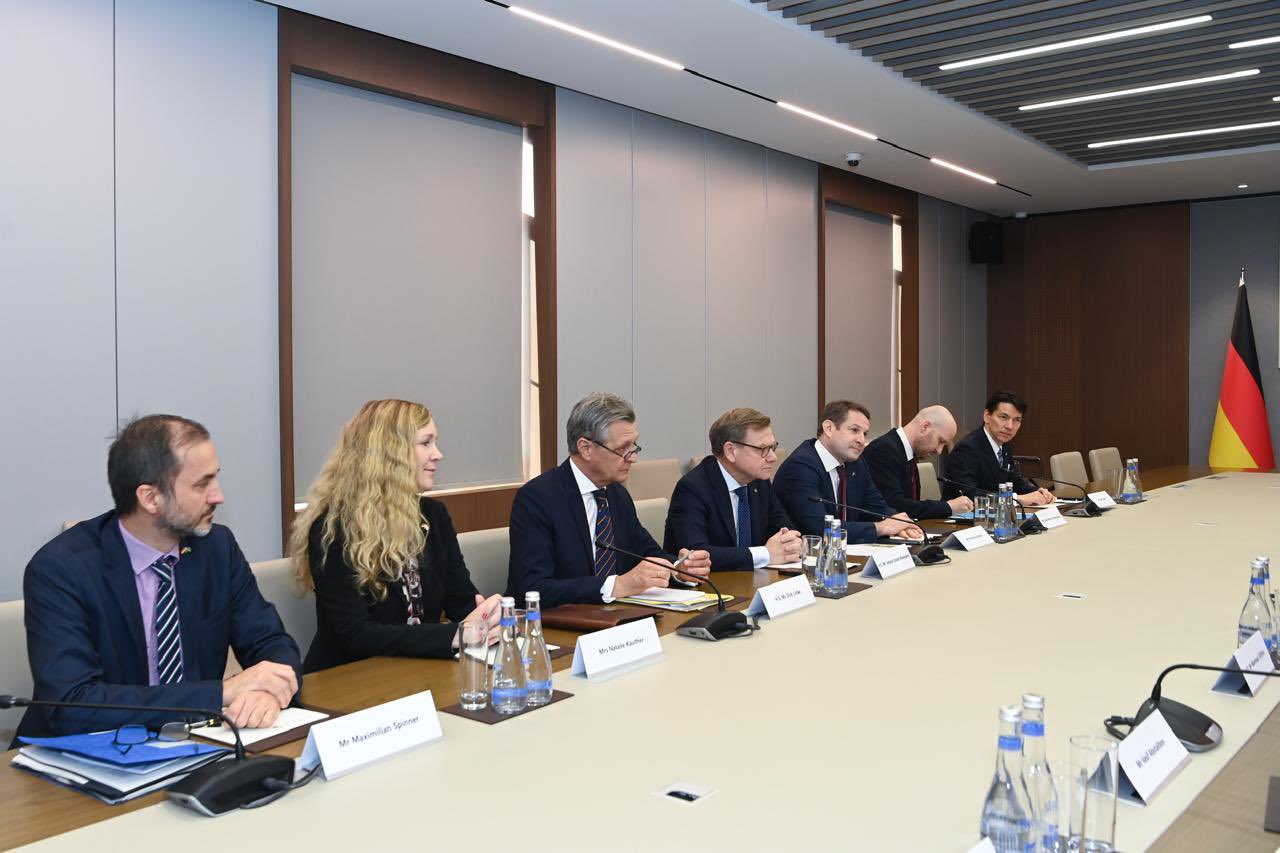
According to the Azerbaijani Foreign Ministry, the ministers held an expanded meeting to discuss the current state of bilateral relations, opportunities for further cooperation, and key regional and international developments.
With the 35th anniversary of diplomatic relations between the two countries approaching in 2027, the ministers reaffirmed their commitment to advancing the partnership based on mutual respect, constructive dialogue and shared interests.
They highlighted the Strategic Agenda for Bilateral Partnership, adopted during the official visit of Azerbaijani President Ilham Aliyev to Germany in July 2026, as an important framework for further developing relations.
Particular attention was paid to economic ties. Bilateral trade reached $1.4 billion in 2025, while Azerbaijan began exporting natural gas to Germany in January 2026. The ministers noted the potential for further cooperation across several sectors and highlighted the establishment of the Azerbaijan-Germany Business Council in July 2026 as a new platform for engaging the two countries' business communities.
Bayramov outlined opportunities for German companies in the development of the Middle Corridor, the Alat Free Economic Zone and the Baku International Sea Trade Port, as well as in reconstruction and development projects in Azerbaijan's liberated territories.
The ministers also exchanged views on regional developments, including the normalization process between Azerbaijan and Armenia, and cooperation within international organizations.
Bayramov briefed his German counterpart on reconstruction efforts in the liberated territories, the return of former internally displaced persons (IDPs) and ongoing challenges related to landmines.
The sides also emphasized the importance of strengthening people-to-people ties through cooperation in education, culture and science.