


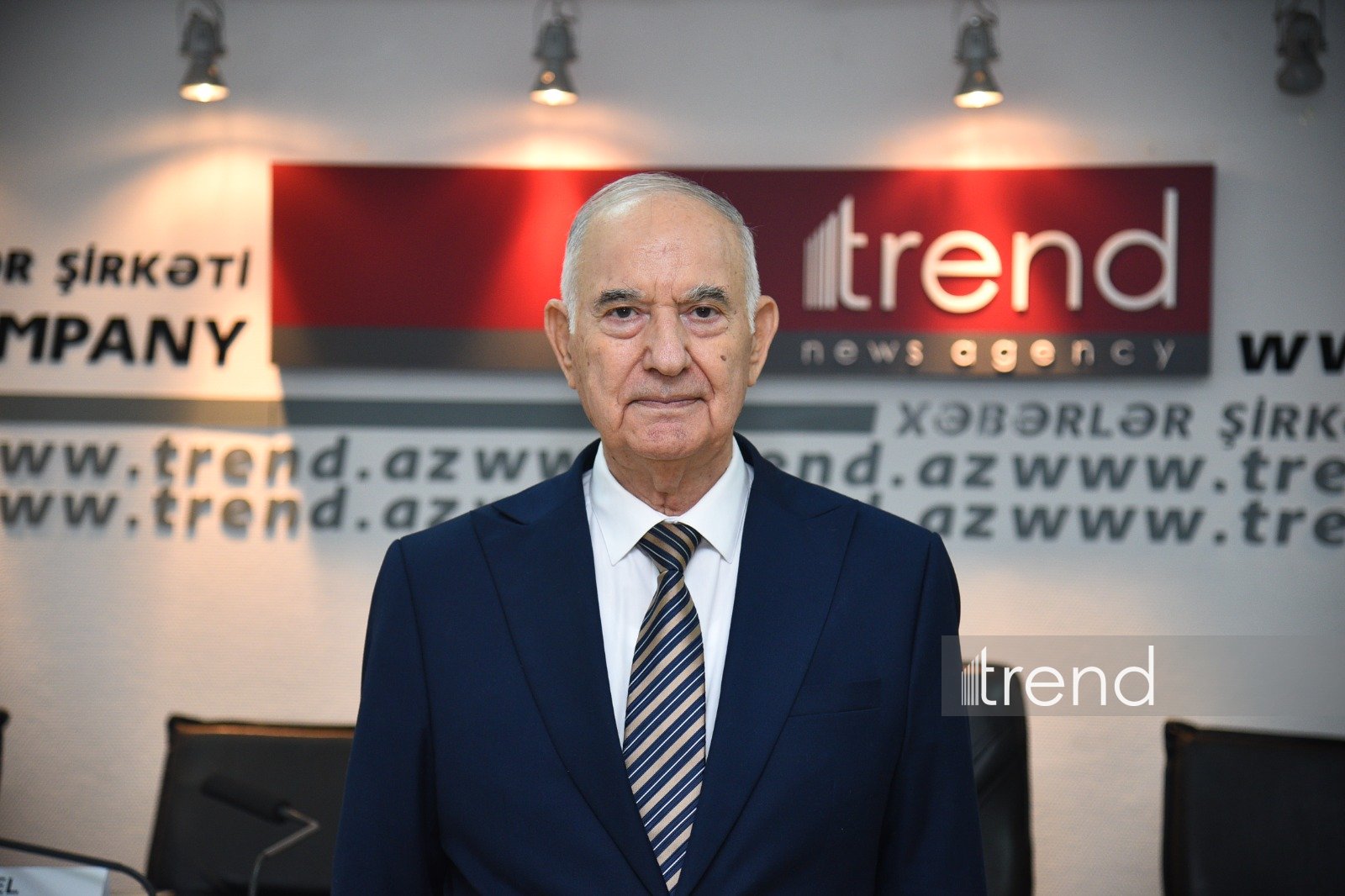

BAKU, Azerbaijan, October 29. Azerbaijan boosts anti-corruption cooperation within the OIC (Organization of Islamic Cooperation) space, political analyst Azer Garayev told Trend.
According to him, Baku’s hosting the 3rd Ministerial Meeting of Anti-Corruption Law Enforcement Authorities of OIC Member States represents another example of Azerbaijan’s contribution to the development of international law enforcement cooperation.
He said that the significance of the meeting extends beyond merely bringing together representatives from various countries. The core objective is to strengthen joint action against the transnational nature of corruption, improve legal mechanisms, and foster greater trust among states.
“In the modern world, corruption has long ceased to be merely an internal problem of individual states. The transfer of illicitly obtained funds to other countries, their concealment through complex financial transactions, and the laundering of proceeds from crime make the fight against this phenomenon increasingly challenging. The financial traces of a crime committed in one country may lead to the banking system, corporate sector, or real estate market of another. In such instances, measures taken solely within the framework of national legislation are insufficient. Agile cooperation between states is essential for the exchange of information, the acquisition of evidence, and the recovery of assets acquired through criminal means.
It’s in this context that the agenda of the meeting held in Baku takes on particular significance. Strengthening ties among anti-corruption bodies of the OIC member states enables law enforcement agencies to exchange experience, discuss common challenges, and develop more effective mechanisms for cooperation. This issue was also highlighted in the address by the President of Azerbaijan, Ilham Aliyev, to the meeting participants. President Ilham Aliyev, noting the damage caused by corruption to public trust, social justice, and economic development, stated: "The transnational nature of such crimes may necessitate measures at both the national and international levels." This approach clearly illustrates the essence of cooperation. The outcome of the fight against corruption depends not only on the steps taken by individual countries but also on the level of support they provide to one another," the analyst remarked.
Garayev noted that Azerbaijan’s accession to the Mecca (al-Mukarramah) Convention during the meeting was a significant development.
"This document, envisaging law enforcement cooperation among OIC member states in the fight against corruption, serves to establish a legal platform for joint action. The importance of such mechanisms becomes particularly pronounced in instances where the proceeds of crime are moved across national borders. Coordinated activity among law enforcement agencies can facilitate the investigation of financial transactions, the identification of assets obtained through criminal means, and the consolidation of efforts toward their recovery. Azerbaijan’s accession to the convention demonstrates the country's interest in expanding international cooperation in this sphere. Furthermore, Baku’s provision of a platform for dialogue within the OIC space is significant for the development of ties among partner states aimed at addressing common challenges," Garayev explained.
The analyst emphasized that the role of technology in the fight against corruption is also steadily increasing. The digitalization of public services, the simplification of administrative procedures, and the enhancement of transparency in decision-making processes contribute to the mitigation of corruption risks. By reducing direct interaction between citizens and government institutions, electronic services limit the opportunities that might otherwise arise for informal payments.
"On the other hand, the rapid development of artificial intelligence and digital financial instruments presents new challenges. These technologies can also be used to conceal financial transactions, fabricate data, and obscure the origins of illicit proceeds. Consequently, the application of modern technologies in law enforcement, the training of specialists, and the exchange of digital data between states are becoming vital aspects of the fight against corruption. As emphasized in President Ilham Aliyev’s address: "The effective use of modern technological solutions by the relevant law enforcement authorities is particularly important in preventing and effectively investigating such crimes." Within Azerbaijan itself, the improvement of legislation, the enhancement of transparency and accountability in public administration, the strengthening of public oversight, and the ensuring of accessibility to services have been identified as key priorities in this area," the analyst noted.
Garayev pointed out that the high-level meeting held in Baku creates additional opportunities for discussing these practices and developing international cooperation.
"The significance of its outcomes will be determined by the steps states take to translate agreements into practical action, maintain mutual trust, and strengthen joint mechanisms. To achieve sustainable results in the fight against corruption, political will, functional legal mechanisms, and international solidarity must complement one another. This is the core message of the meeting in Baku: the more systematic and effective the cooperation between states, the more impactful the response to the risks posed by corruption will be," the analyst added.


