


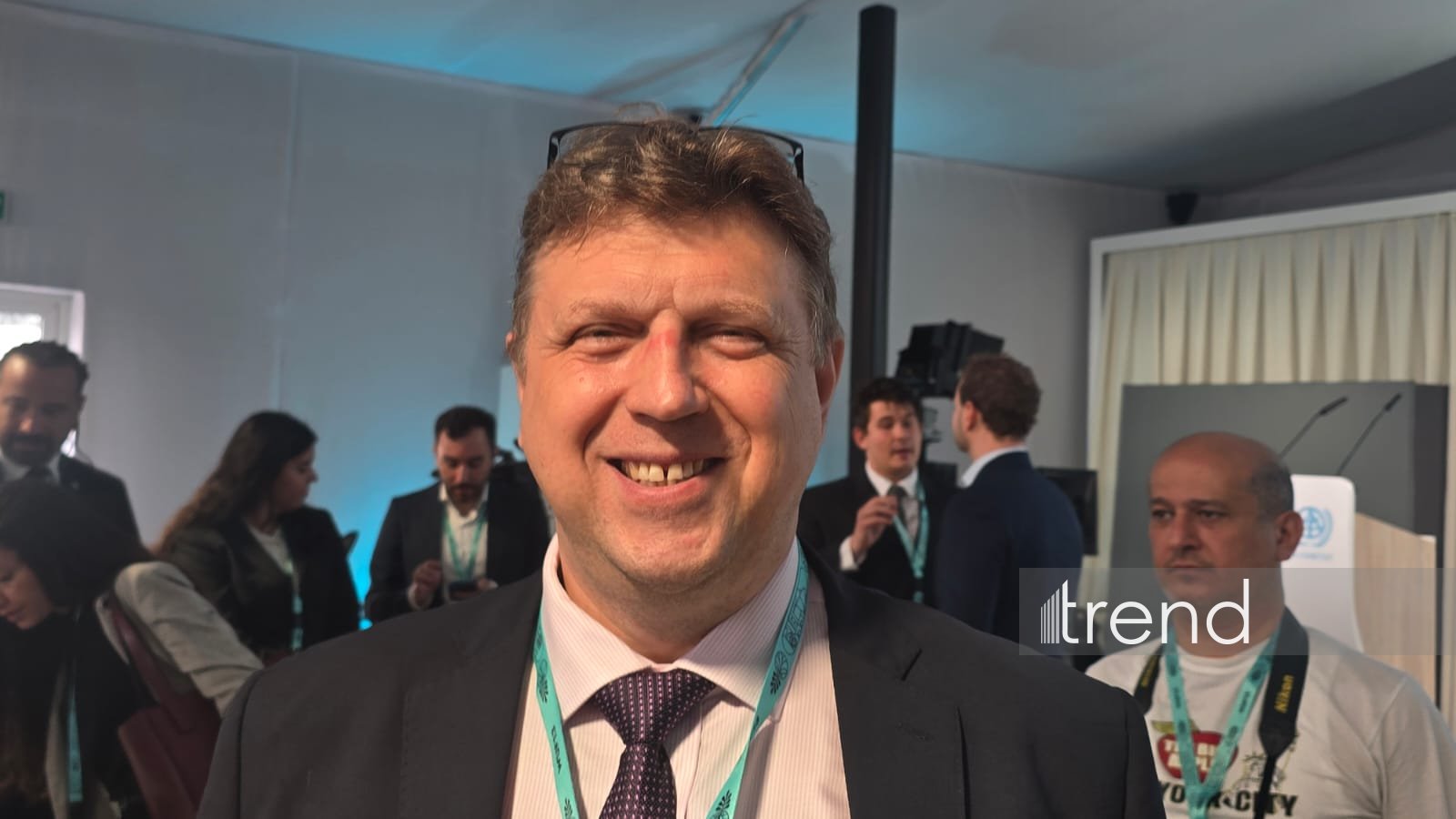

BAKU, Azerbaijan, May 17. Integrating low-carbon aluminum into Azerbaijan’s construction sector could significantly optimize building efficiency, lower lifecycle costs, and advance carbon reduction targets, Alexey Spirin, Director of the Climate Change Department at UC RUSAL, told Trend.
Spirin emphasized that low-carbon and recycled aluminum are becoming critical materials for modern municipal infrastructure and the global construction industry. "This material simultaneously mitigates climate impacts and delivers superior economic feasibility over long-term operations," he noted.
The official highlighted that aluminum stands out for its infinite recyclability during building deconstruction, while its low density and high durability substantially extend the lifespan of modern structures. Spirin added that buildings utilizing advanced aluminum systems can achieve operational lifespans of up to 80 years, greatly reducing ongoing maintenance and repair expenditures.
The company representative underscored that adopting these sustainable manufacturing standards directly supports more resilient, smart, and cost-effective urban infrastructure development.
Furthermore, Spirin commended the significance of the WUF13 forum in Baku, describing the summit as a premier global platform for aligning urban development trajectories with critical climate action goals.



