


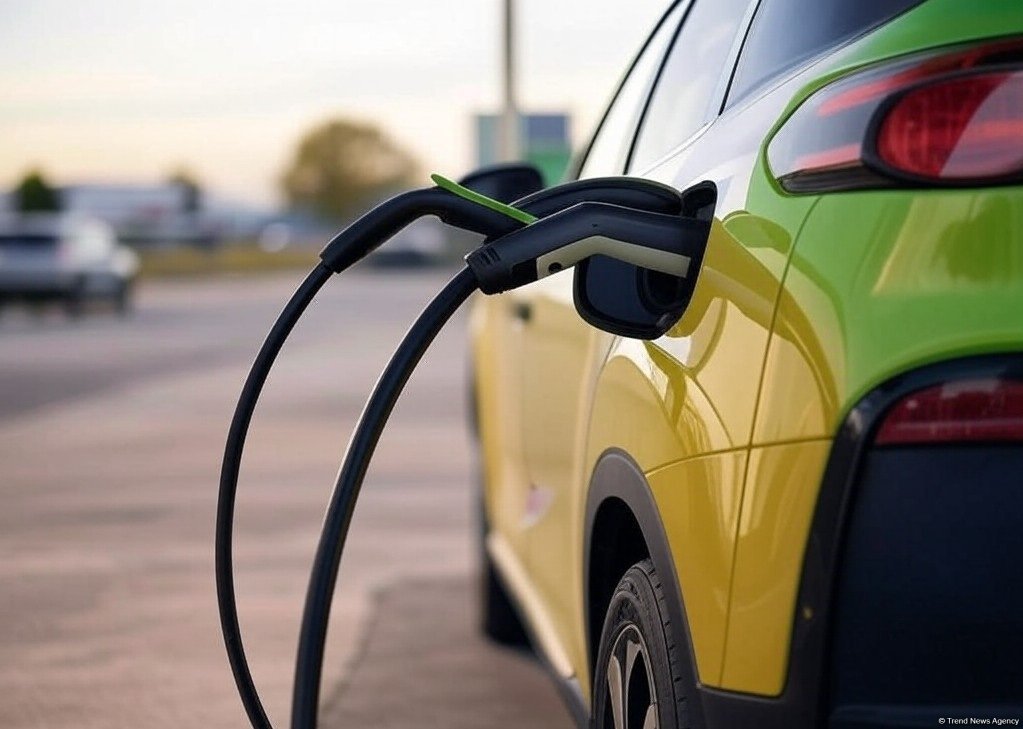

BAKU, Azerbaijan, June 29. The number of registered electric vehicles (EVs) in Uzbekistan reached 109,200 units as of April 1, 2026.
This was reflected in the statement published by the National Statistics Committee of Uzbekistan.
The figures highlight the continued growth of the country’s electric mobility sector, with Tashkent city accounting for the overwhelming majority of EV registrations.
According to the statistics, 79,851 electric vehicles are registered in Tashkent, representing more than 73% of the national EV fleet. The capital is followed by Tashkent region with 8,194 vehicles and Samarkand region with 4,525 vehicles.
Other regions with notable EV adoption include Khorezm (3,042), Kashkadarya (2,611), Fergana (2,231), Navoi (1,756), and Bukhara (1,685). Registrations in Andijan and Namangan stood at 1,477 and 1,156 vehicles, respectively.
Meanwhile, the Republic of Karakalpakstan recorded 1,010 electric vehicles, followed by Syrdarya with 799, Jizzakh with 517, and Surkhandarya with 315.
Analysis
The latest data underscore the rapid expansion of Uzbekistan’s electric vehicle market, driven by growing consumer demand, government incentives, and increased availability of imported EV models.
"The distribution of EVs across the country reflects significant regional disparities in purchasing power, urbanization, and charging infrastructure. Tashkent’s dominant position suggests that the capital remains the primary hub for electric mobility, benefiting from higher household incomes, greater access to financing, and a more developed network of charging stations. At the same time, growing registration numbers in regions such as Samarkand, Khorezm, and Kashkadarya indicate that EV adoption is gradually spreading beyond major metropolitan areas." Trend's analysis said.
The growth of the electric vehicle fleet is also aligned with Uzbekistan’s broader efforts to modernize its transport sector, reduce dependence on conventional fuels, and improve environmental sustainability. As the number of EVs continues to rise, further investment in charging infrastructure, electricity grid capacity, and local servicing capabilities will be critical to sustaining market growth. The expanding EV fleet could also create opportunities for new industries, including battery services, charging networks, and potentially local electric vehicle assembly, supporting the country's long-term industrial development goals.



