



BAKU, Azerbaijan, October 8. The Caspian and Black Sea green energy corridors are planned to be integrated, Kazakhstan's National Electric Grid operator KEGOC told Trend.
"The Caspian route is planned to be integrated with the Black Sea Energy Cable project as a single supply chain for 'green' electricity to European countries. Kazakhstan and its regional partners are holding talks on synchronizing the schedules and technical parameters of the projects, while continuing joint work to connect the infrastructure for bringing Central Asian energy to the EU market," the company said.
KEGOC added that Italian company CESI S.P.A. is developing a preliminary feasibility study for the Caspian Green Energy Corridor. The first stage of the study is scheduled to be completed in May 2027.
"Currently, the consultant is carrying out an initial set of studies, including scenario modeling, assessment of power system stability, and identification of optimal technical solutions for the implementation of the project," the company said.
KEGOC noted that electricity supplies will be generated through the commissioning of new renewable energy generation capacity.
"The construction of converter substations and a 350-400-km subsea cable will enable controlled flows of 'green' energy without risks to the stability of national AC grids, while also providing for comprehensive strengthening of the electricity grid infrastructure of the participating countries," KEGOC said.
The agreement on strategic partnership in the development and transmission of "green" energy between Kazakhstan, Azerbaijan and Uzbekistan was signed in 2024 on the sidelines of COP29 in Baku in the presence of the leaders of the three countries.
The project provides for the creation of infrastructure to transmit "green" electricity across the Caspian Sea, with subsequent access to the European market.
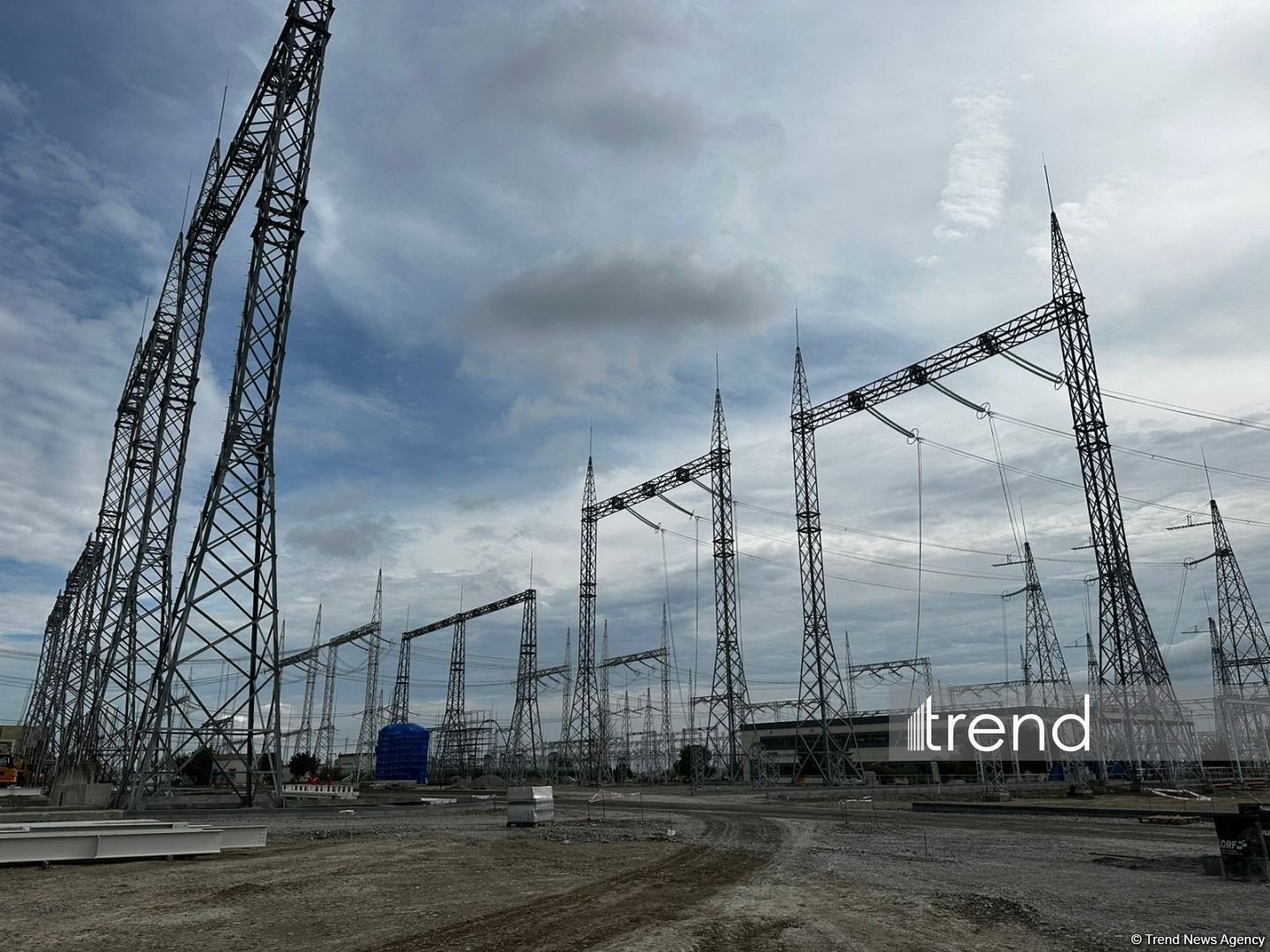
The project envisages the construction of converter substations in Aktau and Baku, the laying of a direct-current cable along the seabed of the Caspian Sea with a length of about 350-400 kilometers, as well as the strengthening of the national electricity grids of the participating countries.
Kazakhstan, Azerbaijan and Uzbekistan established a joint venture, Green Corridor Alliance, with the system operators of the three countries holding equal stakes to develop and implement the project.
On December 17, 2022, Azerbaijan, Georgia, Romania and Hungary signed a strategic partnership agreement providing for the construction of a 1,000-MW subsea power cable along the seabed of the Black Sea with a total length of 1,195 kilometers.
The cable is designed to transmit "green" electricity generated in Azerbaijan and Georgia to Romania, followed by its transmission to Hungary and other European countries, expanding Europe's access to renewable energy resources in the Caucasus region.
Romanian electricity transmission system operator Transelectrica, Georgian State Electrosystem, Azerbaijani energy company AzerEnerji and Hungarian energy company MVM established a joint company, Green Energy Corridor Power Company (GECO), to lay the subsea cable across the Black Sea.
The Black Sea Energy Cable project was included in the second list of Projects of Common Interest and Projects of Mutual Interest (PCI/PMI) in December 2025. The project is expected to be implemented in the early 2030s.



