



ASTANA, Kazakhstan, September 20. A total of 13.7 million hectares of land have been returned to state ownership in Kazakhstan since 2022, of which 6.2 million hectares have been redistributed, including 2.1 million hectares located near populated areas, Trend reports, citing the press service of the Ministry of Agriculture of Kazakhstan.
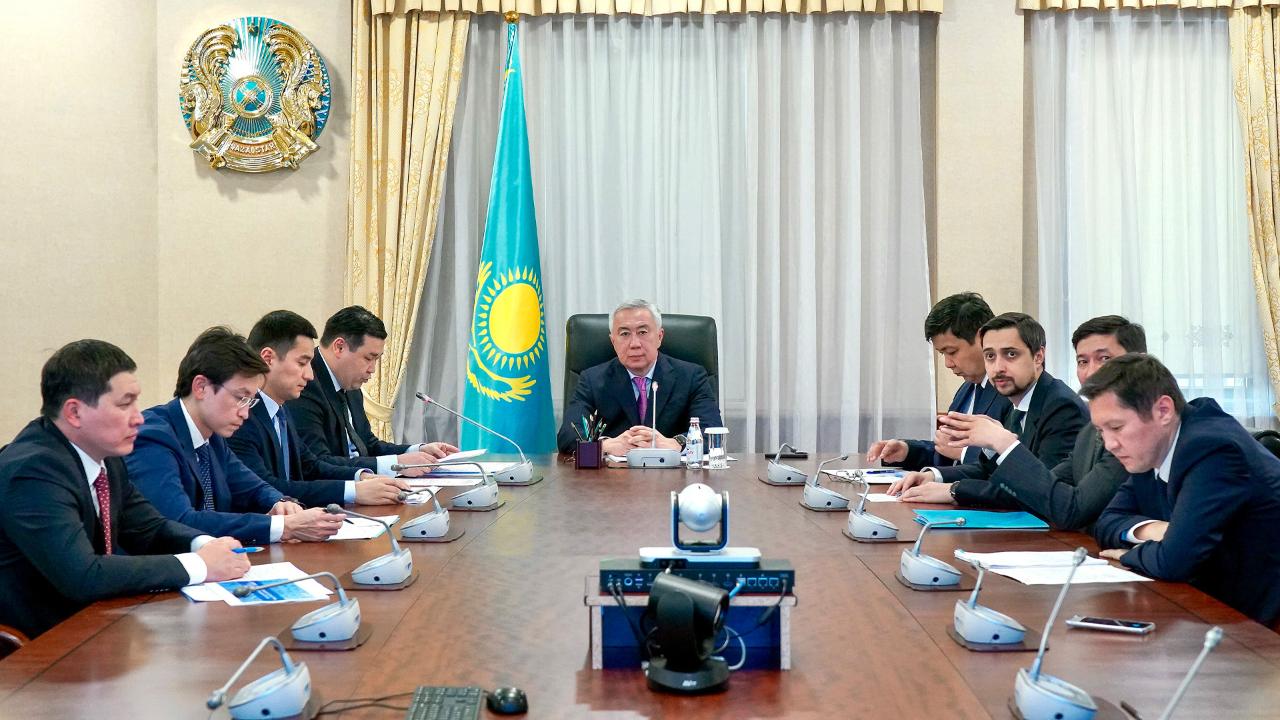
These figures were presented on September 18 at a meeting of the Republican Commission for Monitoring the Rational Use of Land Resources, chaired by Deputy Prime Minister and Minister of National Economy Serik Zhumangarin.
Meanwhile, it was noted at the meeting that the remaining 4.1 million hectares were distributed through tenders among agricultural producers. Additionally, land users have begun utilizing 4 million hectares of their own land.
To implement these goals, the Ministry of Agriculture has developed and sent to the regions a plan for the distribution of unused land.
According to Deputy Minister of Agriculture Azat Sultanov, priority in land distribution should be given to the needs of rural residents for pastures and the interests of farmers. This will help increase the area of land used for agriculture, develop livestock farming, and reduce social tensions.
As of August 26, 2025, updated rules for holding tenders have come into force: selection is now based on key criteria - the volume of investment, availability of equipment, livestock, and qualified personnel.
“An important step is the digitization of land. In 2024, work on digitizing all agricultural land (excluding desert areas) was completed. Today, maps covering an area of 197.9 million hectares - or 72.6 percent of the country’s territory - are available in open format. This work is expected to be fully completed by the end of 2025,” the information notes.
The meeting also reported on the activities of the territorial divisions of the Committee for Land Resources Management since the beginning of 2025. A total of 1,381 unscheduled inspections were conducted, covering 2.1 million hectares. As a result, 1,013 orders were issued to eliminate violations affecting 1.5 million hectares.
Development has already begun on 350,100 hectares in response to earlier orders. Legal proceedings for the forced seizure of 52,600 hectares are currently underway. Of the 2 million hectares planned for reclamation, 1.55 million hectares have already been returned.
“Fair distribution of agricultural land is one of the most sensitive issues for the population. We must eliminate the involvement of land commissions and make the process fully electronic and transparent,” said Zhumangarin.
He also emphasized the importance of combating pasture degradation. To develop livestock farming and renew breeding stock, it is essential to restore pastures near rural areas. This process takes time, so reseeding efforts must begin immediately.



