


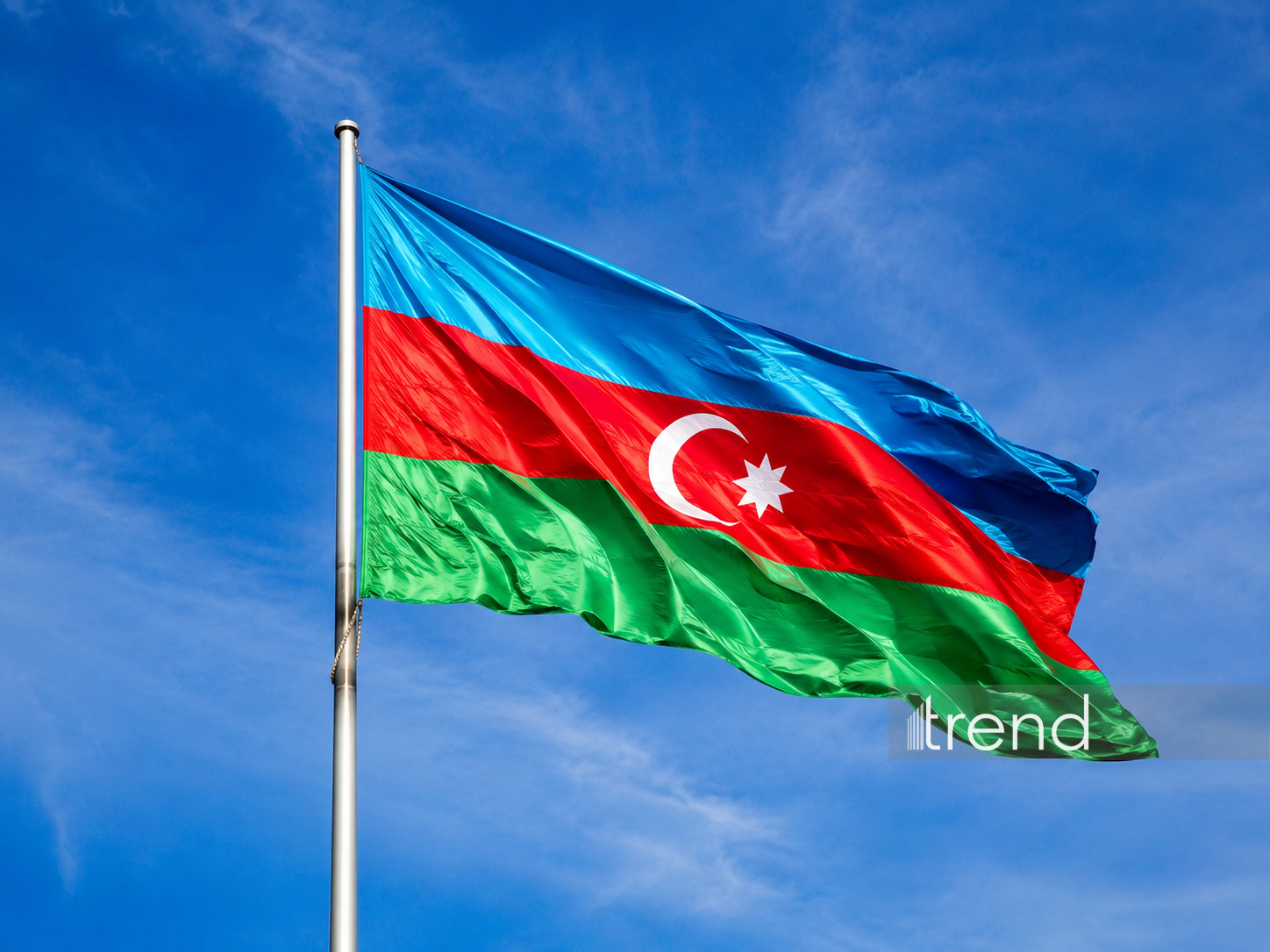

BAKU, Azerbaijan, September 8. Counselor at the Embassy of Azerbaijan in London Gunel Salimova has responded to an article published by the British newspaper The Guardian about the documentary film Black Garden.
In her commentary, Salimova said that the film presents events surrounding the Karabakh conflict from a one-sided and nationalist perspective. The diplomat also called for greater focus on opportunities to consolidate lasting peace between Azerbaijan and Armenia.
Commenting on Fiona Lenny’s review published on August 31, Salimova said that claims regarding the film’s neutral presentation do not reflect reality. “Contrary to Phuong Le’s assertion, the film The Black Garden clearly presents a highly nationalistic perspective,” the diplomat said.
At the same time, she agreed that the humanitarian consequences of any conflict must be taken into account. According to her, for Azerbaijan, the consequences of the Karabakh conflict included the deaths of thousands of people, nearly 4,000 missing persons, almost one million internally displaced persons and refugees, as well as significant social and economic losses.
Salimova recalled that the conflict began in the 1990s following military actions that resulted in the occupation of Azerbaijan’s internationally recognized territories in Karabakh by Armenia.
She also stressed that the consequences of the conflict continue to be felt today. According to the diplomat, landmines left from the occupation period still pose a threat to civilians. Between 2020 and 2026, mine explosions resulted in 436 deaths and injuries.
The diplomat also expressed the view that the release of the documentary and the publication of the related article at the current stage was untimely. “Stirring negativity on the former conflict in these terms overlooks a significant opportunity for a lasting peace,” she said.
Salimova noted that both countries are gradually making progress in the peace process. According to her, economic cooperation is expanding, meetings of commissions on border delimitation are continuing, and confidence-building measures are increasing.
She also highlighted concrete developments achieved in the current process, including the export of Azerbaijani products to Armenia, transit of cargo through Azerbaijan’s territory and discussions on new transport and communication projects that could benefit the entire region. “These are the developments that deserve the spotlight, rather than stories fostering division,” Counselor at the Azerbaijani Embassy in London Gunel Salimova concluded.


