



BAKU, Azerbaijan, August 19. Uzbekistan plans to expand the capacity of its small and micro hydropower plants to 204.8 megawatts by 2030 as the country seeks to make greater use of renewable energy sources and its water resources.
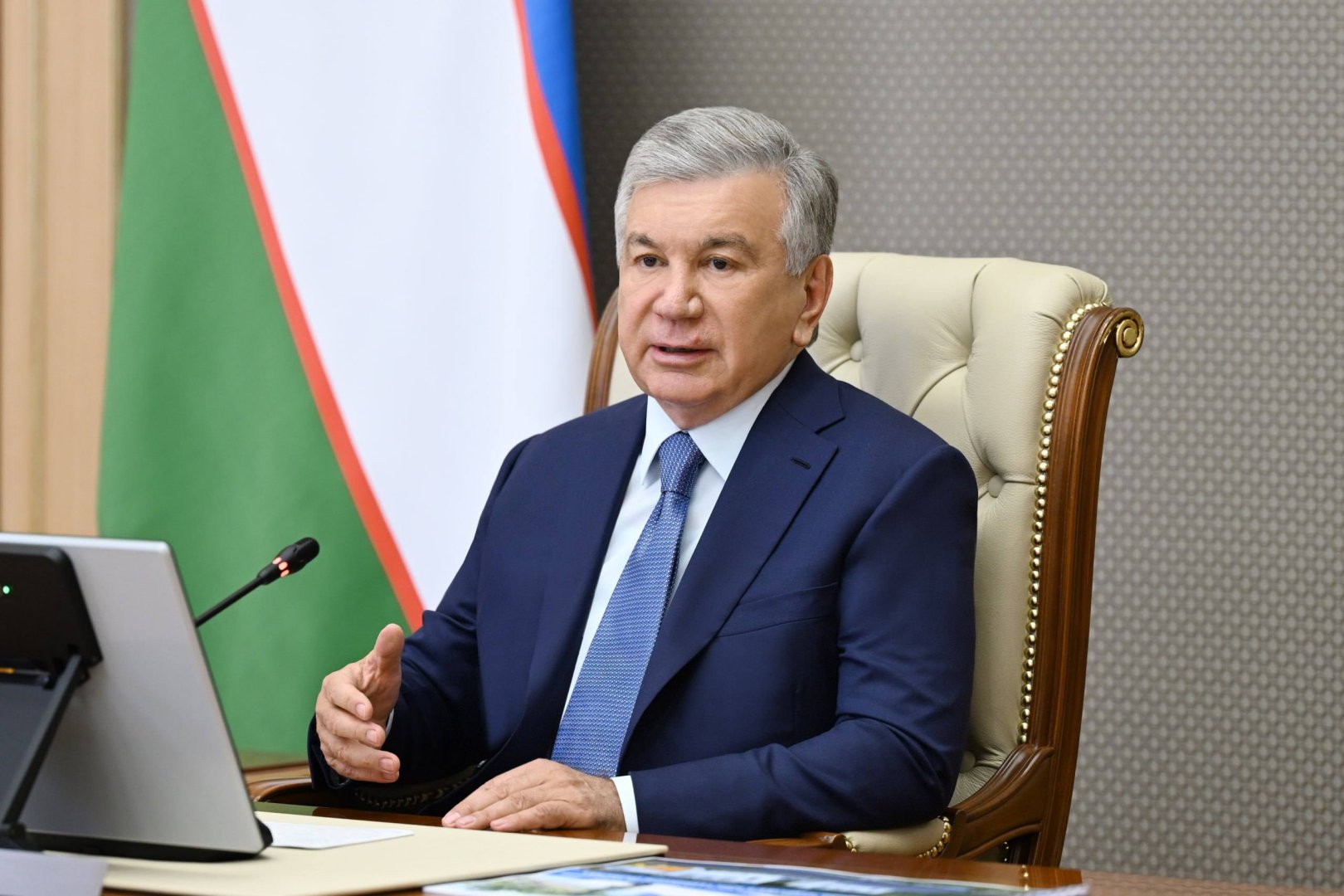
This was reflected in the statement by the press service of the Uzbek president, following a presentation during which President Shavkat Mirziyoyev was briefed on measures to accelerate the sector’s development.
During a presentation on the further expansion of the small and micro hydropower network, officials reviewed the progress of projects and measures to attract private investment, localize equipment production and improve conditions for investors.
Under a government resolution adopted last year, the country plans to build about 3,000 small and micro hydropower plants with a combined capacity of 164 MW with private-sector participation.
So far, 64 facilities with a total capacity of 41.6 MW have been commissioned, representing about a quarter of the planned capacity. Project developers have been identified for 932 of the nearly 3,000 planned facilities.
The statement also noted slow utilization of $150 million in concessional financing allocated with the participation of the World Bank.
Entrepreneurs and investors continue to raise questions over construction conditions and the terms for selling electricity generated by the plants.
To address these concerns, officials proposed establishing a minimum electricity purchase tariff at auctions alongside the initial project price and differentiating the tariff based on plant capacity. The measure is intended to prevent projects from being won at a “zero” price and subsequently remaining unimplemented, while providing investors with clearer and more predictable conditions.
Construction and design of micro hydropower plants with capacity of up to 100 kilowatts will also be simplified. Projects of up to 50 kW will be exempt from urban planning documentation reviews and state architectural and construction supervision.
The government will also allow modifications to canals, rivers and riverbeds to create additional water pressure. Small and micro hydropower plants may be built at water infrastructure facilities for internal needs without an auction.
A digital platform will be introduced to cover the entire project cycle, from identifying suitable sites to commissioning and operating hydropower facilities. Authorities will also develop unified guidelines for the design, construction and operation of plants, as well as procedures for implementing projects with private-sector participation.
Another challenge is the sector’s reliance on imported equipment. About 90% of hydropower units and components required for small and micro hydropower plants are currently imported.
The statement highlighted the experience of Uzbekhydroenergo, which has built 46 small and micro hydropower plants, and proposed providing entrepreneurs with integrated services covering design, construction and installation, and equipment supply.
A list of hydropower units and components with potential for local production will also be prepared and presented to businesses and investors.
Uzbekistan has more than 173,000 kilometers of rivers and canals, creating significant potential for additional small and micro hydropower projects, particularly on concrete-lined canals. Relevant agencies were instructed to conduct a comprehensive inventory of such facilities and identify additional sites for development.
By 2030, the government aims to increase the capacity of small and micro hydropower plants to 204.8 MW and generate 620 million kilowatt-hours of clean electricity annually.
The target is expected to provide green electricity to about 350,000 households, save 187 million cubic meters of natural gas annually and prevent 311,000 metric tons of carbon dioxide emissions each year.
Starting with the new academic year, Uzbekistan will also introduce a dual education system to train skilled workers for the small-scale green energy sector. Energy companies, including small hydropower facilities, will serve as practical training bases for students.
Mirziyoyev instructed relevant authorities to accelerate the implementation of planned projects, attract more private investment, ensure efficient use of financial resources, localize equipment production and strengthen workforce training in the sector.



