


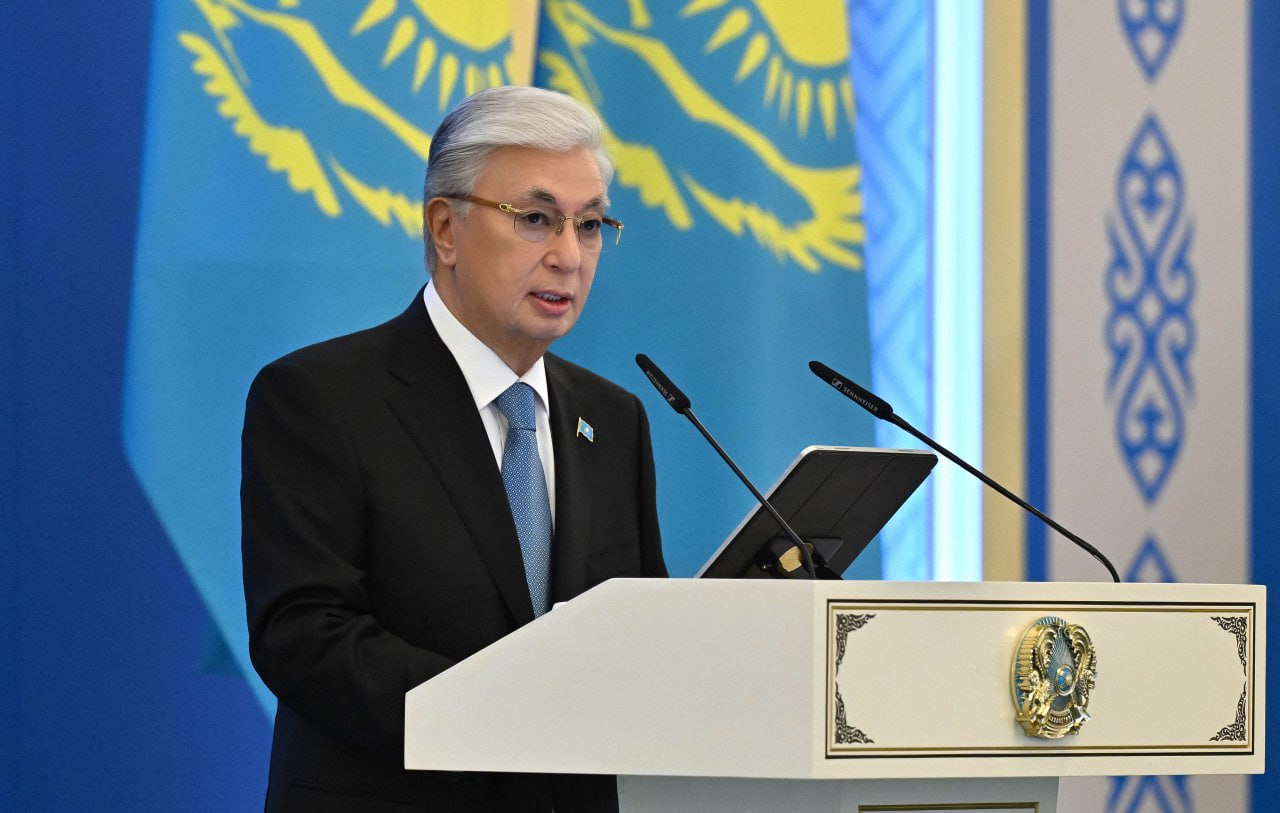

BAKU, Azerbaijan, November 24. Kazakh President Kassym-Jomart Tokayev has signed a decree introducing measures to expand digital employment, increase income opportunities for citizens and businesses, and improve domestic producers' access to online markets, the presidential press service reported.
Under the decree, the government must approve a comprehensive action plan by December 1, 2026, covering digital employment, the practical application of artificial intelligence, access to markets for domestic producers and new forms of economic activity.
The government has also been instructed to incorporate recommendations from Kai-Fu Lee, an international artificial intelligence expert, venture capitalist and founder of Sinovation Ventures and 01.AI, who is a member of Kazakhstan’s Council for Artificial Intelligence Development, particularly on developing practical AI skills for professional activities and completing paid assignments through digital platforms.
Another priority is to combine existing state business support programmes with the capabilities of private electronic marketplaces, banks, logistics companies and digital services to increase the production and sale of domestic goods.
The decree also calls for mechanisms to collect, prepare, transport and sell agricultural products from rural producers through existing online marketplaces and retail chains. Regional authorities are tasked with developing the necessary logistics infrastructure and arranging advance payments to rural producers against future sales proceeds, with the participation of social-entrepreneurial corporations, regional development institutions and financial organizations.
Businesses and organizations will be encouraged to regularly publish short-term paid assignments on digital platforms. Citizens completing these orders will be able to use records of their work to confirm their practical experience.
By December 31, 2026, the government must establish a simplified legal framework for digital employment covering civil, labour, tax and social relations arising from paid activities through digital platforms. The government is also required to consider expanding the list of activities eligible for the special tax regime for self-employed citizens.
Pilot digital development projects are scheduled to launch in selected regions by April 1, 2027. Their results must be assessed by September 1, 2027, to identify successful practices for wider implementation.
Regional authorities must approve their own action plans by January 15, 2027, and organize training and consultations to help citizens, including rural entrepreneurs and producers, sell goods through electronic marketplaces. The decree entered into force upon signing.


