


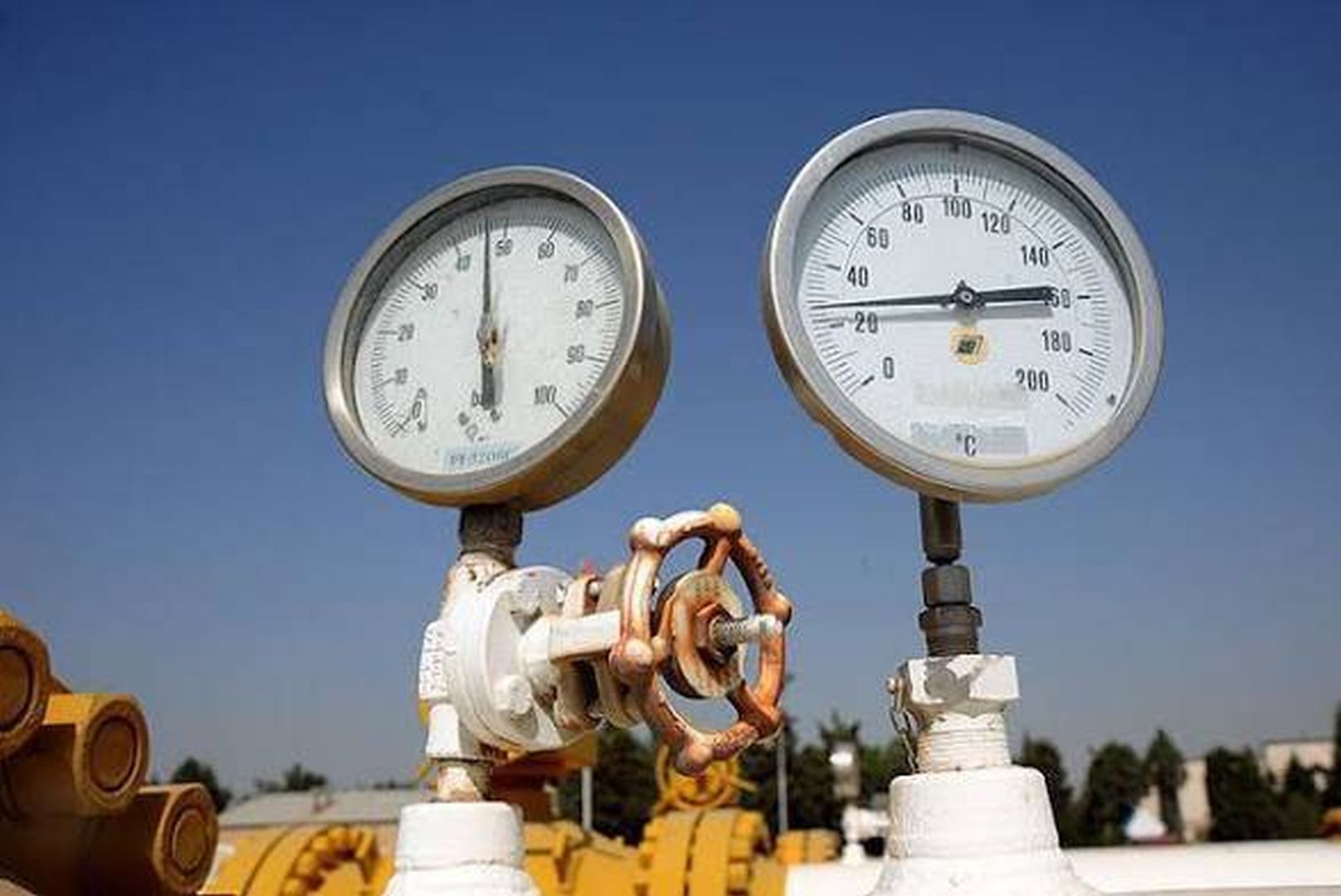

BAKU, Azerbaijan, November 24. Over the past day (November 23), Iran's gas consumption in residential, commercial and public, and small-scale industrial sectors totaled 403 million cubic meters, the National Iranian Gas Company (NIGC) said in a statement.
“Over the past day, this volume of gas consumption accounted for 58% of total production. Gas production in the country over the past day totaled 696 million cubic meters,” the statement notes.
The National Iranian Gas Company reported that a campaign has been launched in the country to maintain indoor temperatures at 18–20 degrees and conserve gas. This temperature range is considered optimal for managing energy consumption. Lowering the temperature by even one degree, given the country’s gas consumption, allows for daily savings of millions of cubic meters of gas and enables resources to be redirected—instead of being wasted—toward supporting production, employment, and the country’s future.
Iran, with gas reserves of approximately 34 trillion cubic meters, ranks second in the world in this regard. Currently, there are 22 active gas fields in Iran.
Meanwhile, Saied Tavakolli, executive director of National Iranian Gas Company (NIGC), had previously warned of the likelihood of a crisis due to gas supply shortages in 11 of the country’s provinces. As a result of the US and Israeli strikes on March 18 against four gas processing plants and facilities belonging to the Iranian gas processing company South Pars, the country’s gas production fell by approximately 13%.
While Iran’s annual natural gas production had previously stood at 297 billion cubic meters, following the US and Israeli airstrikes on Iran, this figure dropped to 242 billion cubic meters per year. In other words, as a result of damage to the country’s infrastructure, annual gas production fell by 55 billion cubic meters. Before these attacks, Iran had an annual gas deficit of 45 billion cubic meters. Following the strikes, the country’s gas deficit rose to 100 billion cubic meters per year.


