


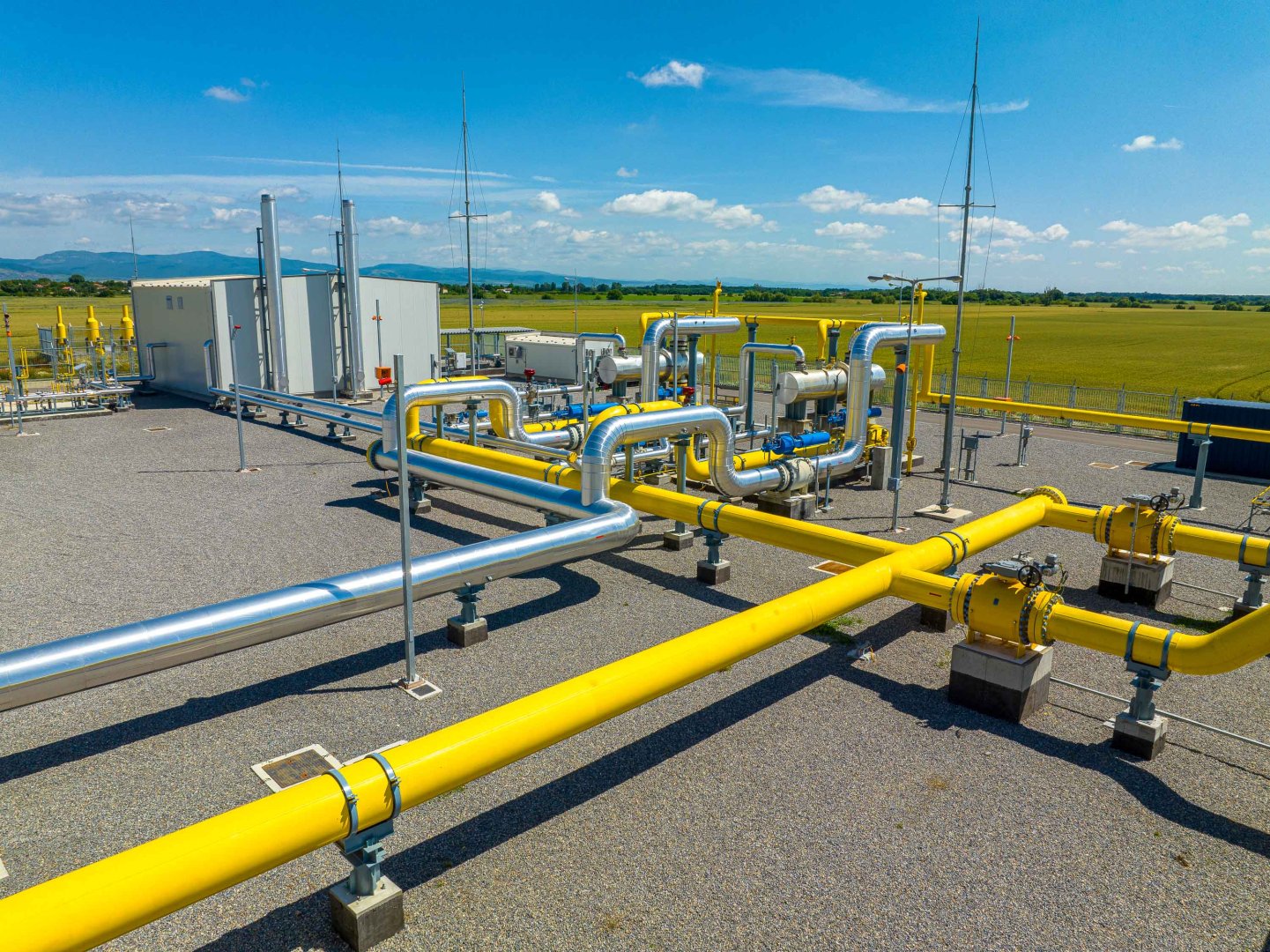

BAKU, Azerbaijan, November 16. The European Union's ban on imports of Russian liquefied natural gas (LNG), effective January 1, 2027, could lead to a significant reshaping of global LNG trade flows, potentially intensifying competition between Europe and Asia for alternative supplies.
According to S&P Global Energy, European restrictions will be one of the key factors influencing the Asian LNG market following the start of the January trading cycle. However, the ultimate direction of supply flows will largely depend on regional demand, weather conditions and the availability of shipping capacity.
"The European Union intends to completely halt imports of Russian LNG from January 1, 2027. However, certain European companies holding long-term contracts for Russian LNG supplies are permitted to redirect the respective cargoes outside the EU at least until the end of July 2027 under exemptions provided for in the EU sanctions package.
The geographical shift in Russian LNG supply flows is an expected consequence of the war in Europe and could pose a major test for existing sanctions mechanisms, Russia's logistical capabilities and the willingness of Asian buyers to absorb additional volumes.
Increased purchases of non-Russian LNG by European countries to replace Russian volumes could intensify competition between Europe and Asia for spot-market supplies. This, in turn, could tighten the supply-demand balance and push up spot prices in Asia," analysts said.
At the same time, S&P Global Energy noted that the current price differential between Asian and European markets remains insufficient to attract additional LNG cargoes to Asia. According to Platts data, the spread between the Japan Korea Marker (JKM) and the European Title Transfer Facility (TTF) stood at 51.1 cents per million British thermal units (MMBtu) on November 12.
"Meanwhile, arbitrage shipments of LNG from West Africa and the US Gulf Coast to Northeast Asia remained economically unviable after accounting for shipping costs and carbon charges. As a result, deliveries to the Atlantic Basin remain more attractive to market participants for now.
However, the situation could change with the start of the January JKM pricing period. A widening price differential between Asian and European markets could make deliveries to Asia more attractive, particularly given uncertainty over weather conditions and the possibility of colder temperatures in Northeast Asia," S&P Global Energy said.
According to analysts, one of the main projects likely to drive changes in trade flows is Russia's Yamal LNG. S&P Global Energy estimates that the project exports an average of around 20 million tonnes of LNG annually, and a significant share of these volumes could be redirected to Asia after January 1, 2027.
"As a result, European buyers will need to secure additional LNG volumes from alternative sources, while Russian suppliers will have to seek new markets, primarily in Asia.
Market participants note that some Chinese companies have already purchased spot LNG cargoes from the Yamal project and plan to resell them for delivery early next year.
At the same time, logistical factors limit the scope for redirecting Russian volumes to Asia. In particular, the use of the Northern Sea Route becomes more difficult during winter, while the availability of specialized LNG carriers remains one of the factors restricting shipments from the Russian Arctic," S&P Global Energy reported.
The report notes that despite the expected changes in trade flows, the actual impact of the EU ban on the Asian market will depend primarily on demand levels.
"Among the key factors identified by market participants are temperatures in Europe and Northeast Asia, European gas storage levels, supply volumes from the Middle East and North America, and the extent to which Russian LNG is redirected to other markets. According to Gas Infrastructure Europe, European gas storage facilities were 71.25% full as of November 12.
A European Commission representative told S&P Global Energy that the EU's gas supply security situation remains stable despite high prices driven by geopolitical developments. According to the representative, the bloc has sufficient infrastructure to increase LNG imports and meet winter demand. The European Commission also said it was preparing a review of the EU's energy security framework, covering oil, gas and electricity. The relevant proposals are expected to be presented in December.
Another factor that could influence gas consumption in Asia is the climate outlook. According to a forecast issued by the Japan Meteorological Agency on November 10, the probability that El Niño conditions will persist through spring 2027 stands at 100%. The phenomenon is expected to peak during the first half of winter. El Niño is traditionally associated with warmer-than-usual weather in Japan and other parts of Asia, which could reduce heating requirements and, consequently, affect natural gas demand," the S&P Global Energy report says.


