



BAKU, Azerbaijan, June 7. Investment by the oil and gas sector in low-emissions energy technologies dropped to $22 billion in 2024, marking a 25% decline from the previous year, according to the International Energy Agency (IEA), Trend reports.
The figure represents just 2.5% of the industry’s total capital expenditure and is expected to fall by another 10% in 2025.
The downturn in spending comes as several major companies revise their energy transition strategies. bp, Equinor, and Shell have all significantly reduced their long-term targets for low-emissions investments. BP now plans to allocate only 10–15% of its capital budget to low-emissions energy by 2030, down from a previously announced 50%. Shell cut its target from up to 20% to 10%, while Equinor lowered its 2025 goal from 30% to 13% and dropped its 2030 target entirely. TotalEnergies remains the exception, maintaining a relatively steady commitment.
Despite the overall decline, a growing group of national oil companies (NOCs) and smaller firms—including ADNOC, Petronas, Saudi Aramco, and Sinopec—doubled their low-emissions spending between 2022 and 2024, reaching a combined $8.5 billion. This group has been allocating about 3% of their capital budgets to such technologies.
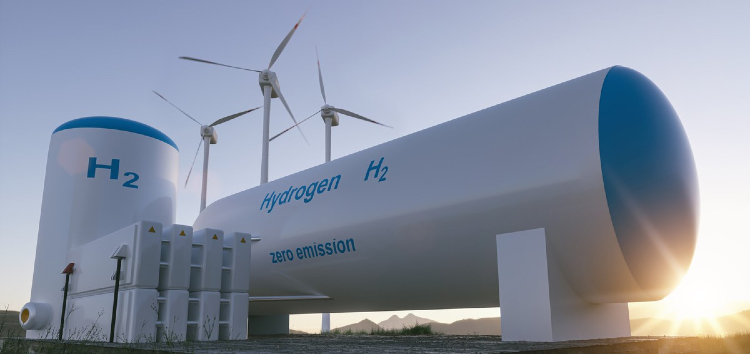
By technology type, hydrogen saw the most significant growth in investment, rising to $4 billion in 2024. This included Woodside Energy’s acquisition of a low-emissions ammonia plant in Texas. Other notable moves included Eni’s biofuels joint venture with LG Chem in South Korea, and TotalEnergies' acquisition of hydropower assets in Africa.
While the sector continues to invest selectively—often through acquisitions—transparency remains limited. The IEA notes that public reporting varies widely and definitions of 'low-emissions' differ across companies. Upcoming regulatory frameworks, such as the EU taxonomy, are expected to bring more clarity to actual investment levels.



