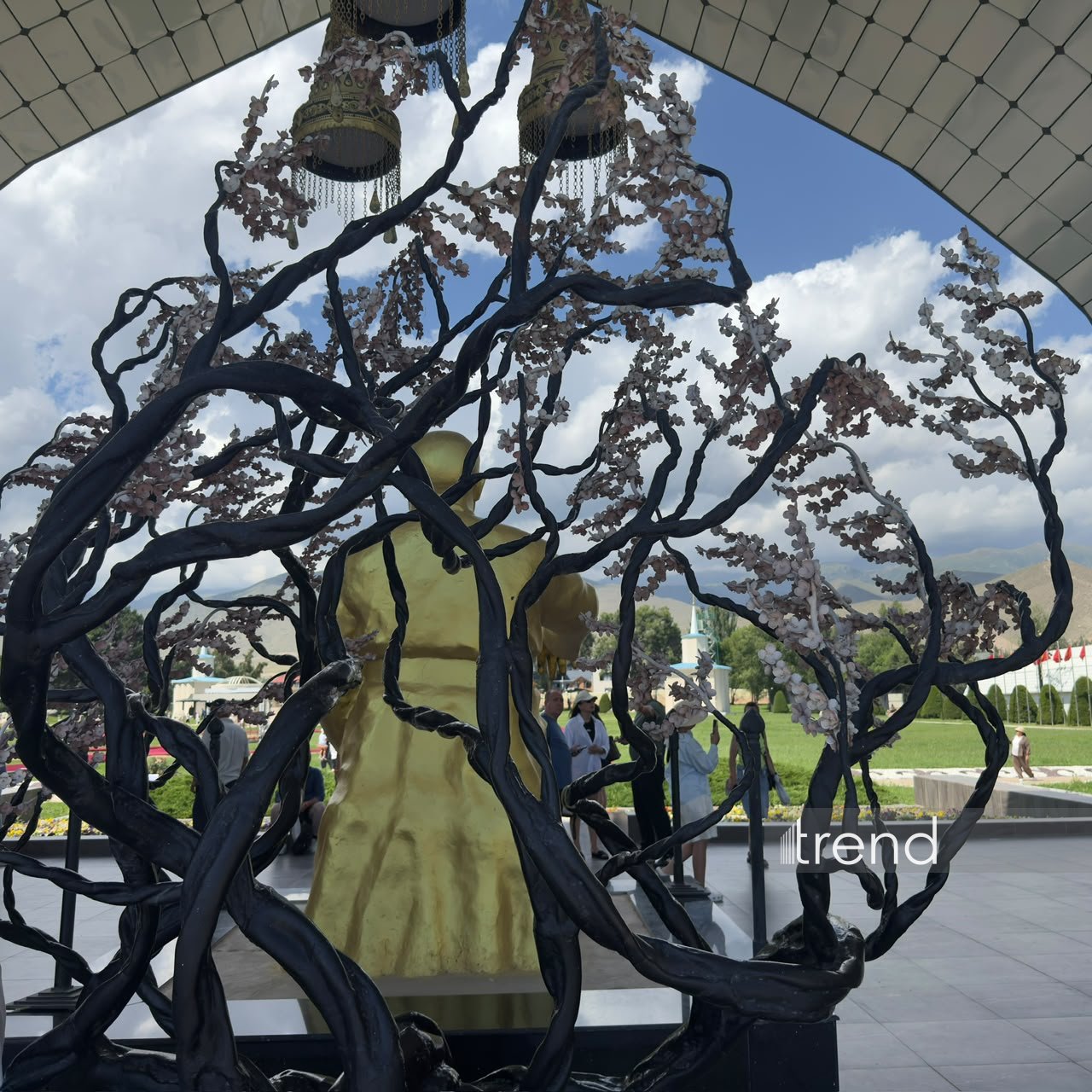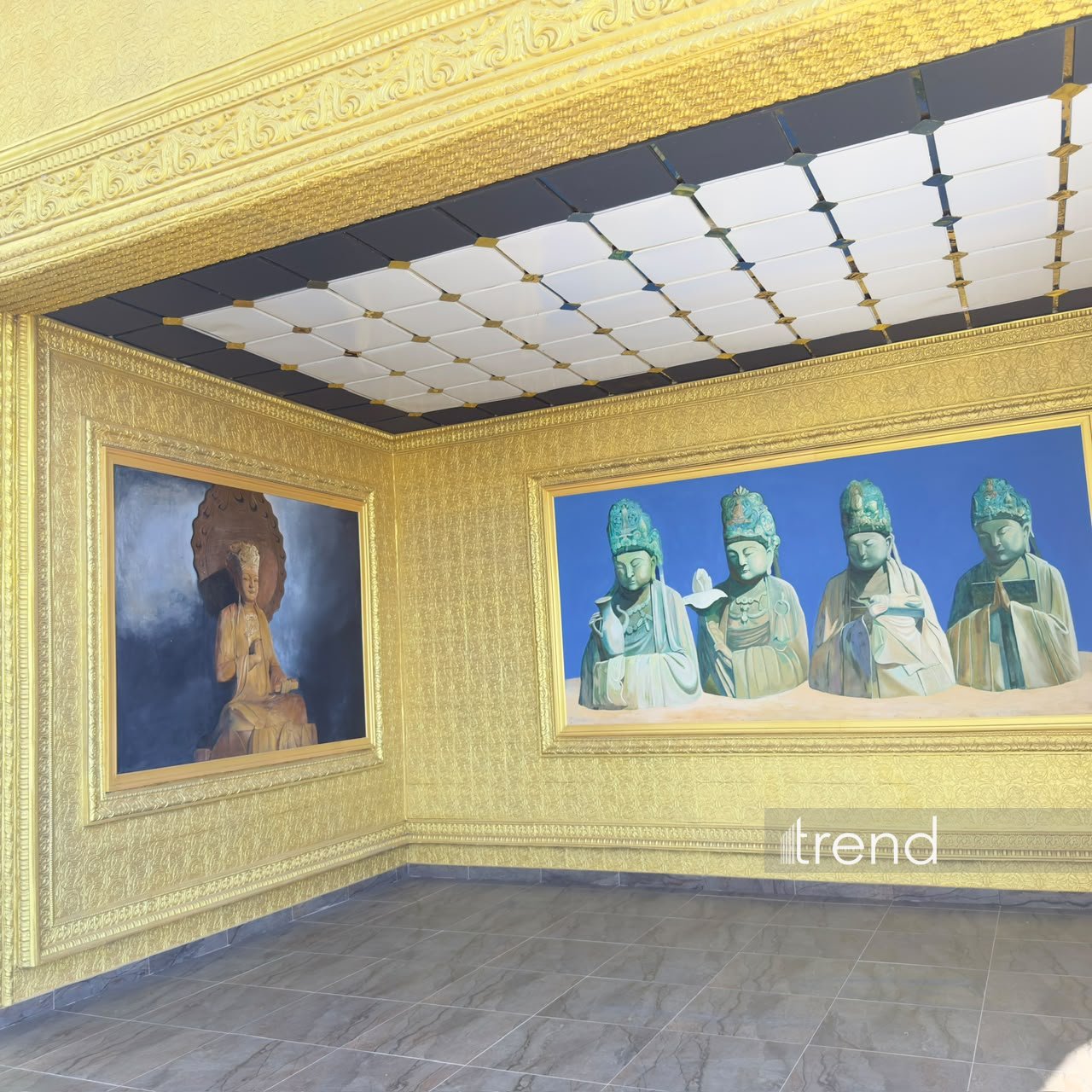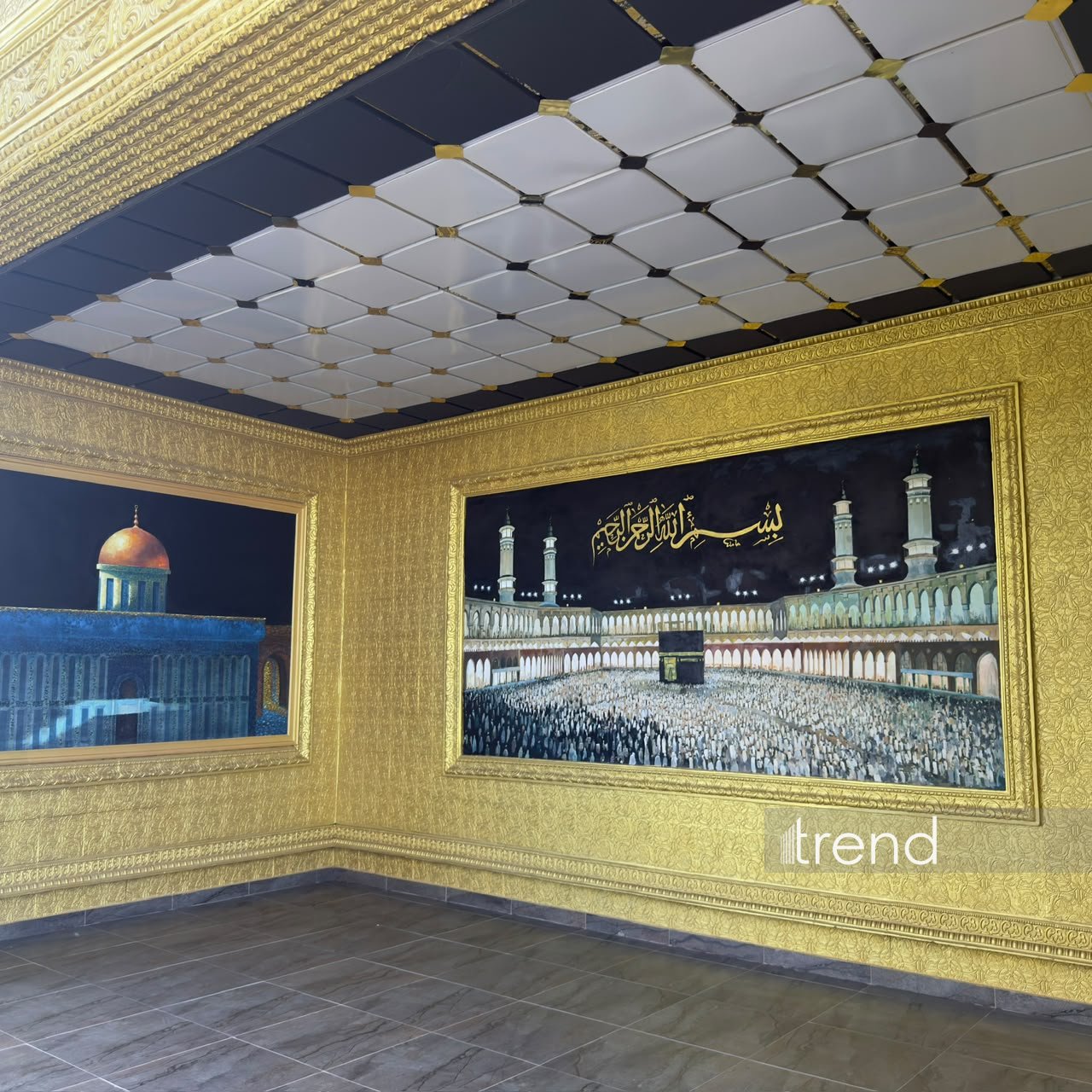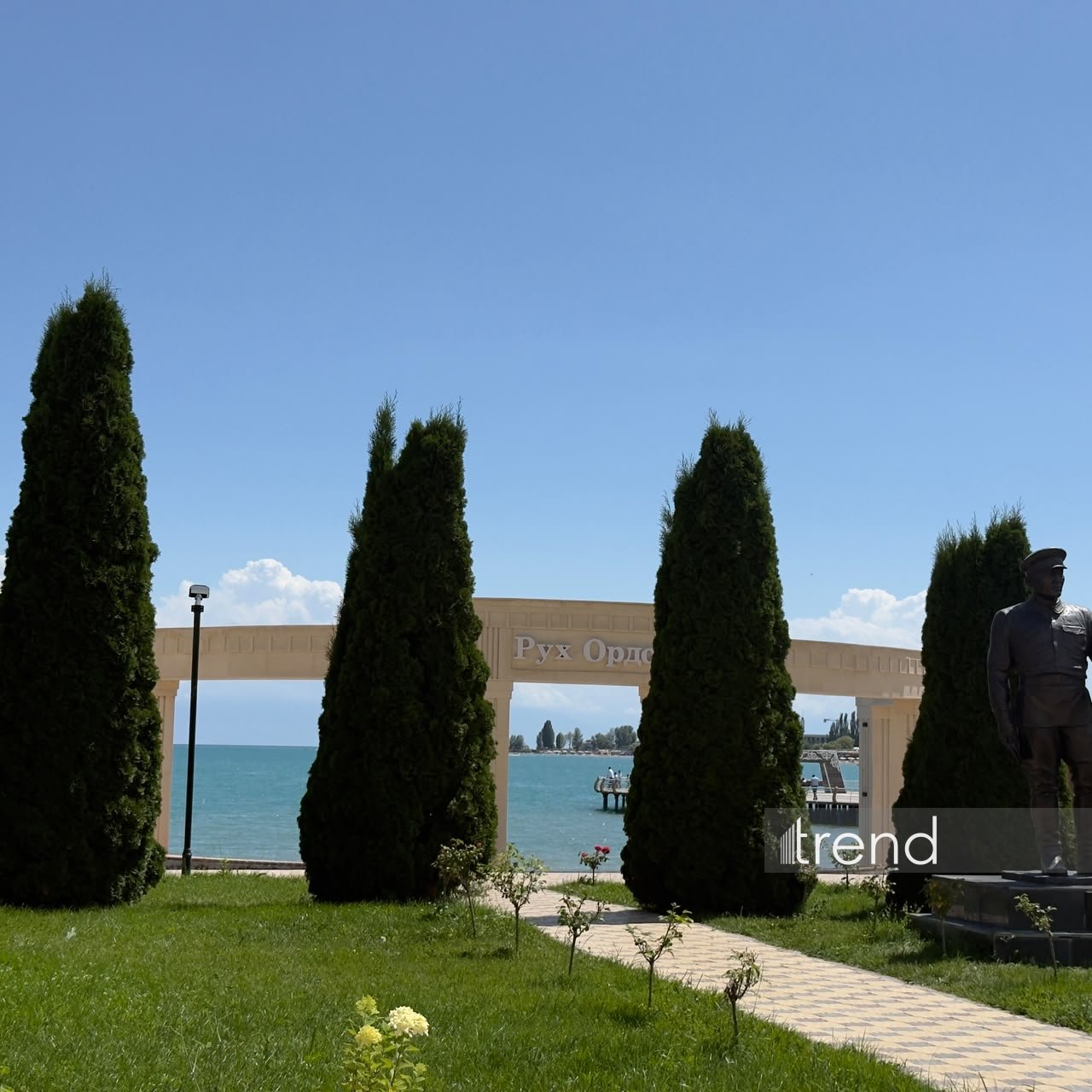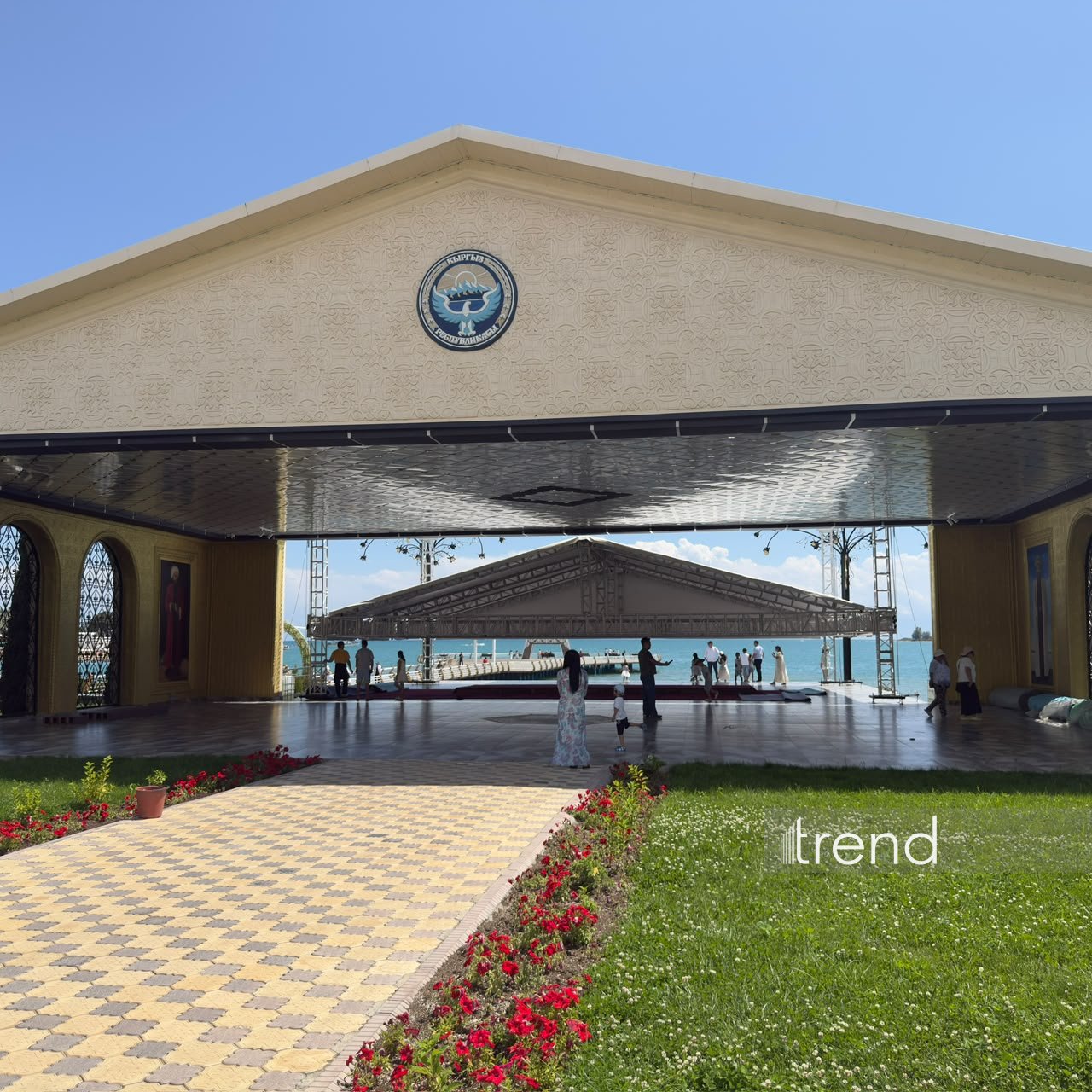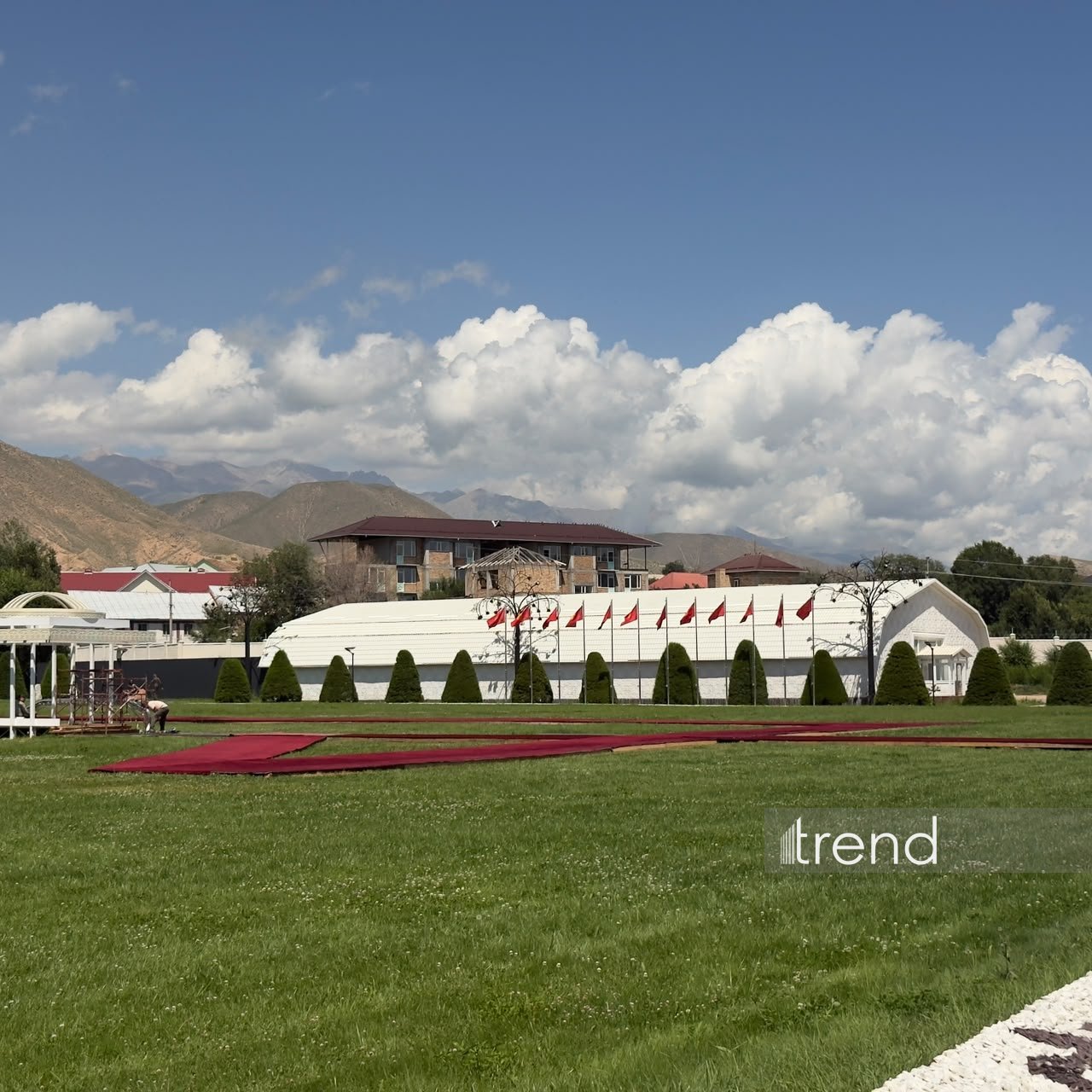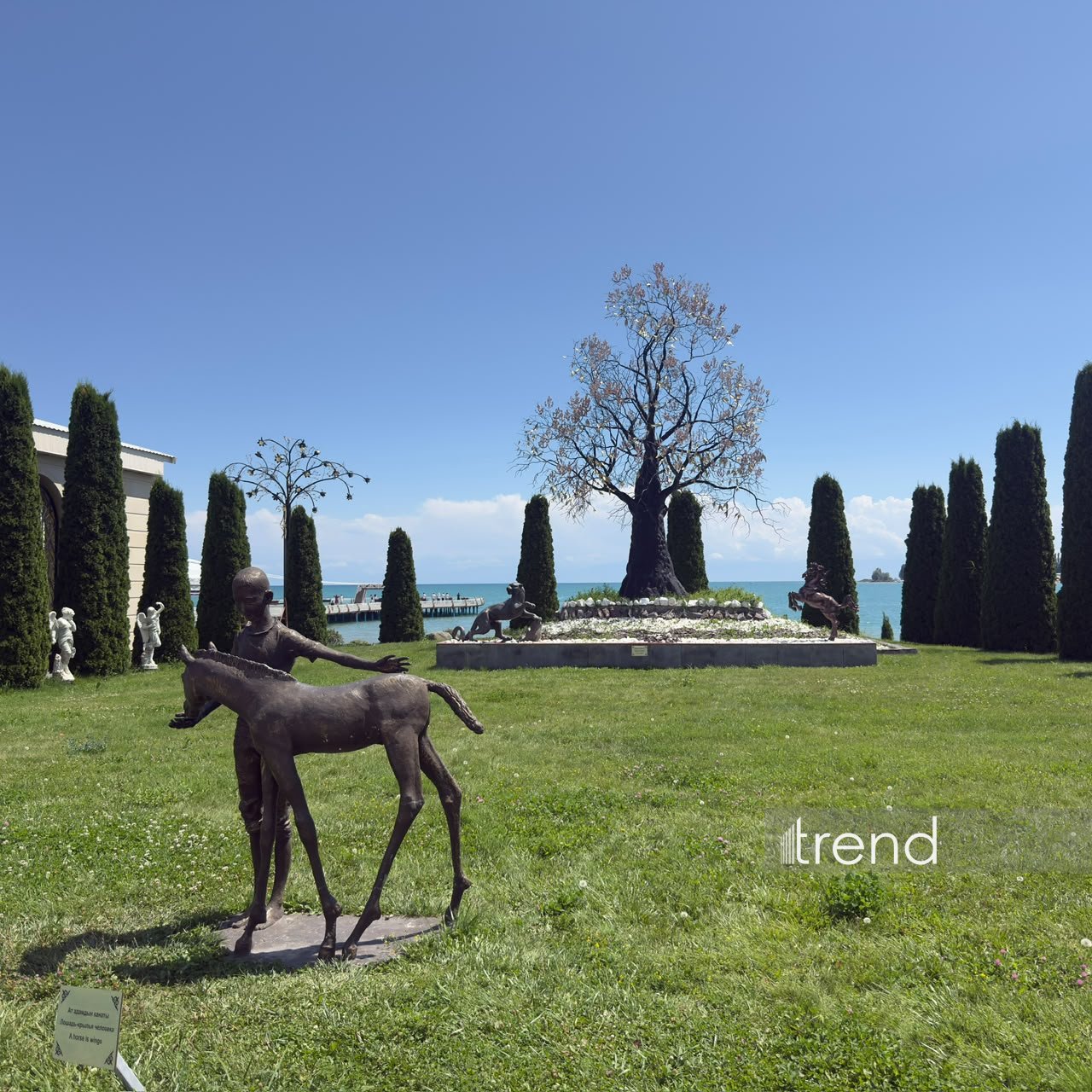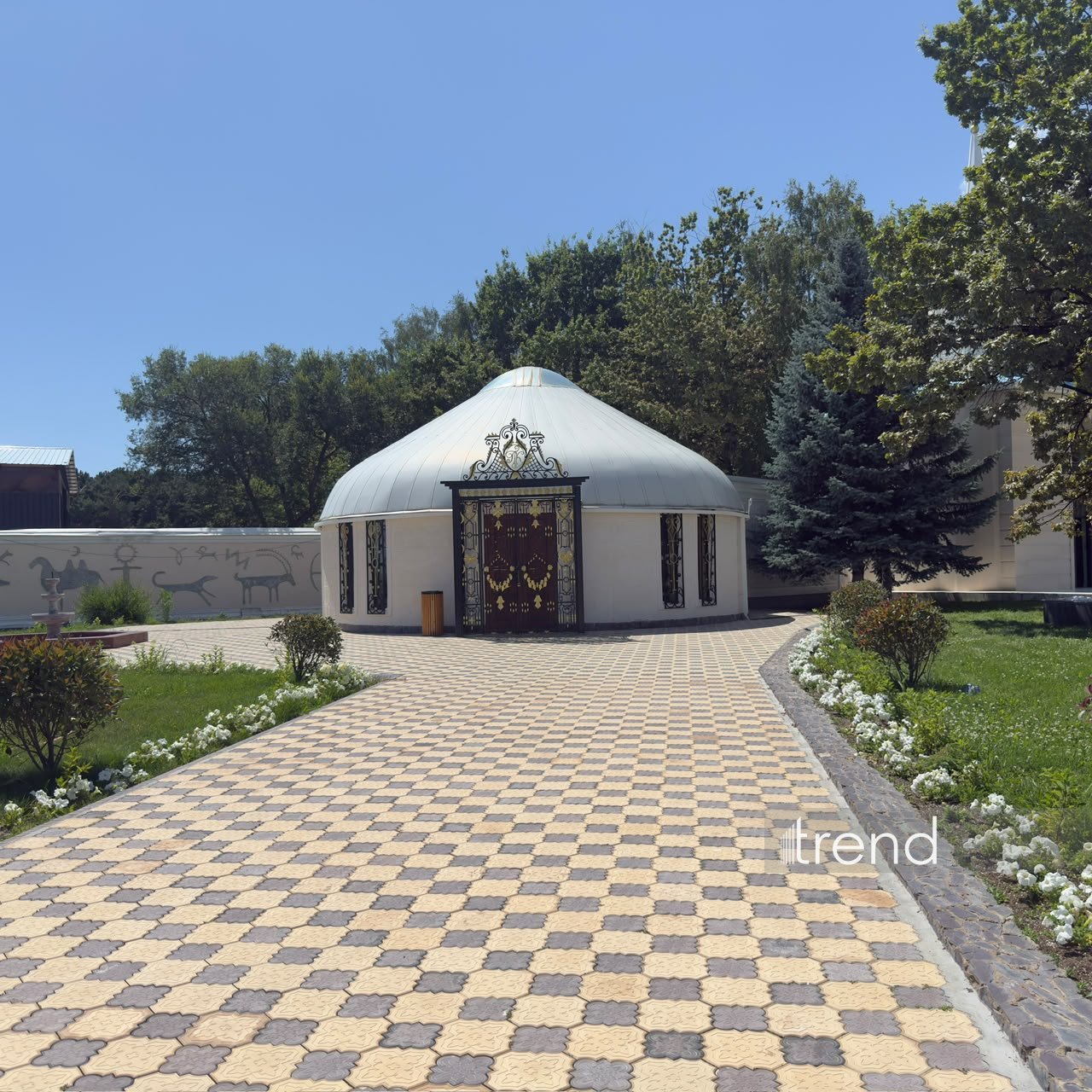

CHOLPON-ATA, Kyrgyzstan, July 24. A visit to the Rukh Ordo cultural center on the shores of Lake Issyk-Kul offered Azerbaijani journalists a unique insight into Kyrgyzstan's cultural and spiritual heritage during a media tour organized by the Kyrgyz side.
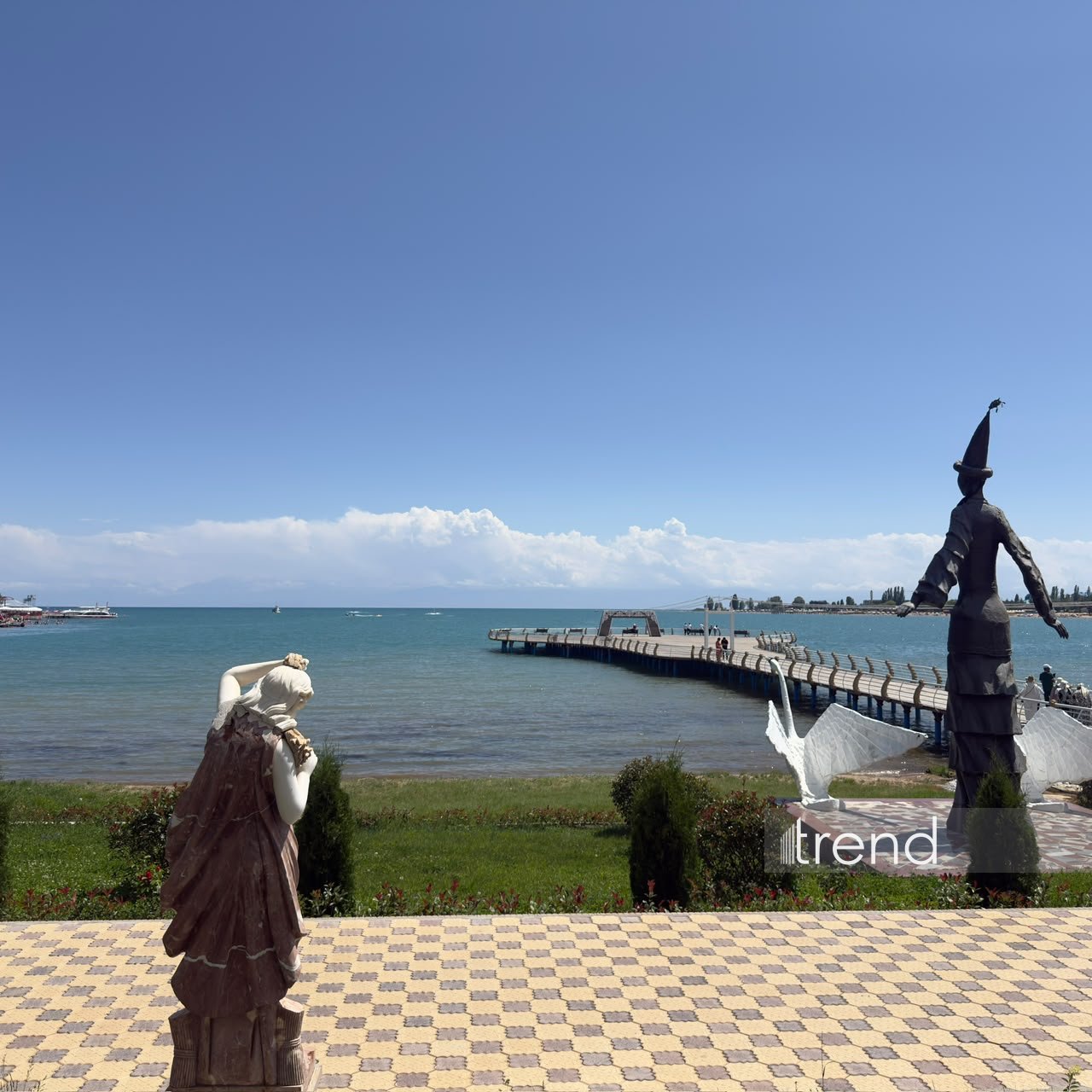
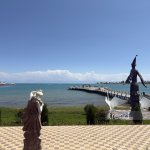
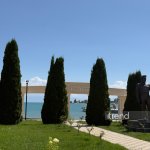
Some places leave visitors wanting to do more than take a photograph. Rukh Ordo is one of them. Set against the turquoise waters of Issyk-Kul, the open-air cultural complex combines history, spirituality and nature in a setting designed to encourage reflection.
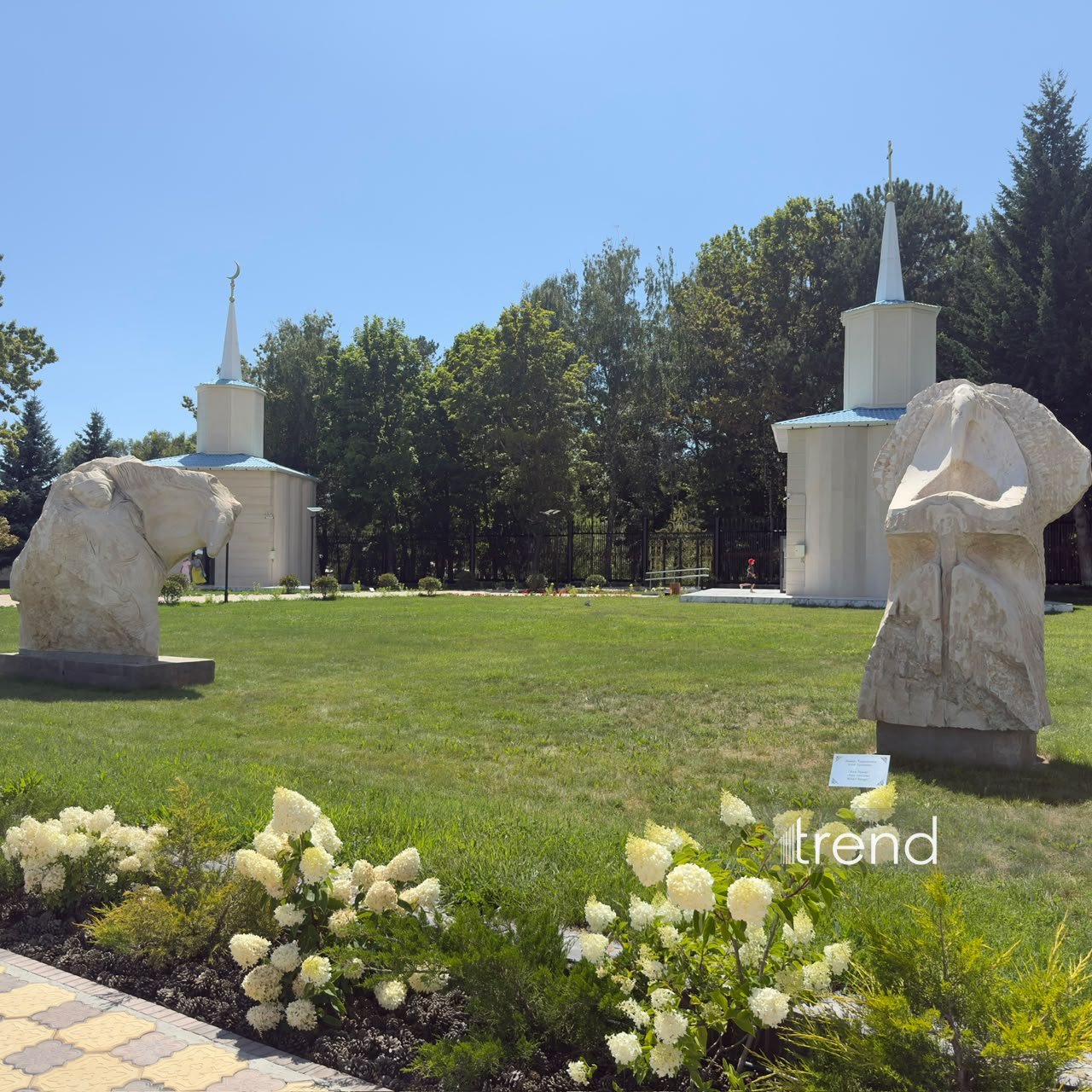
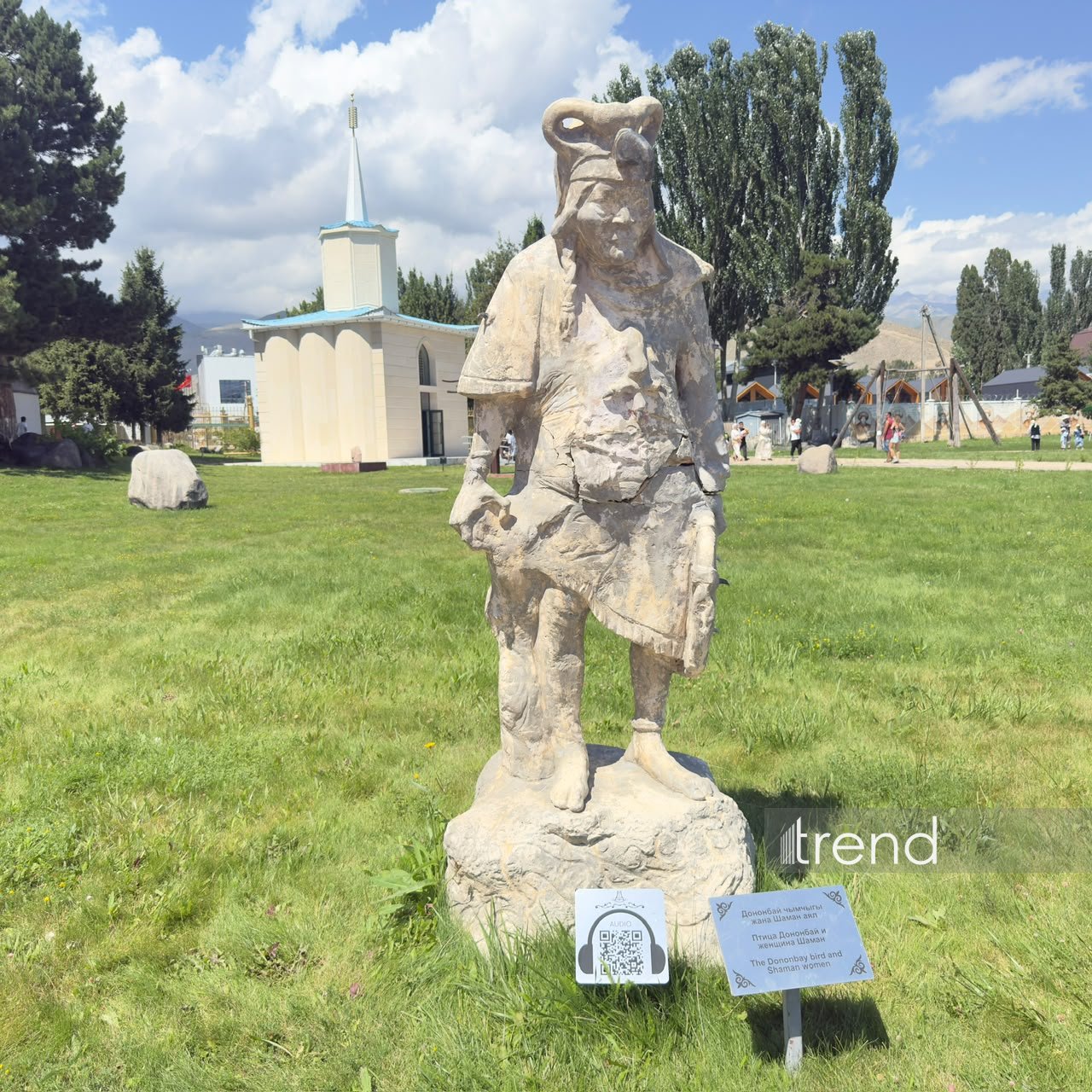
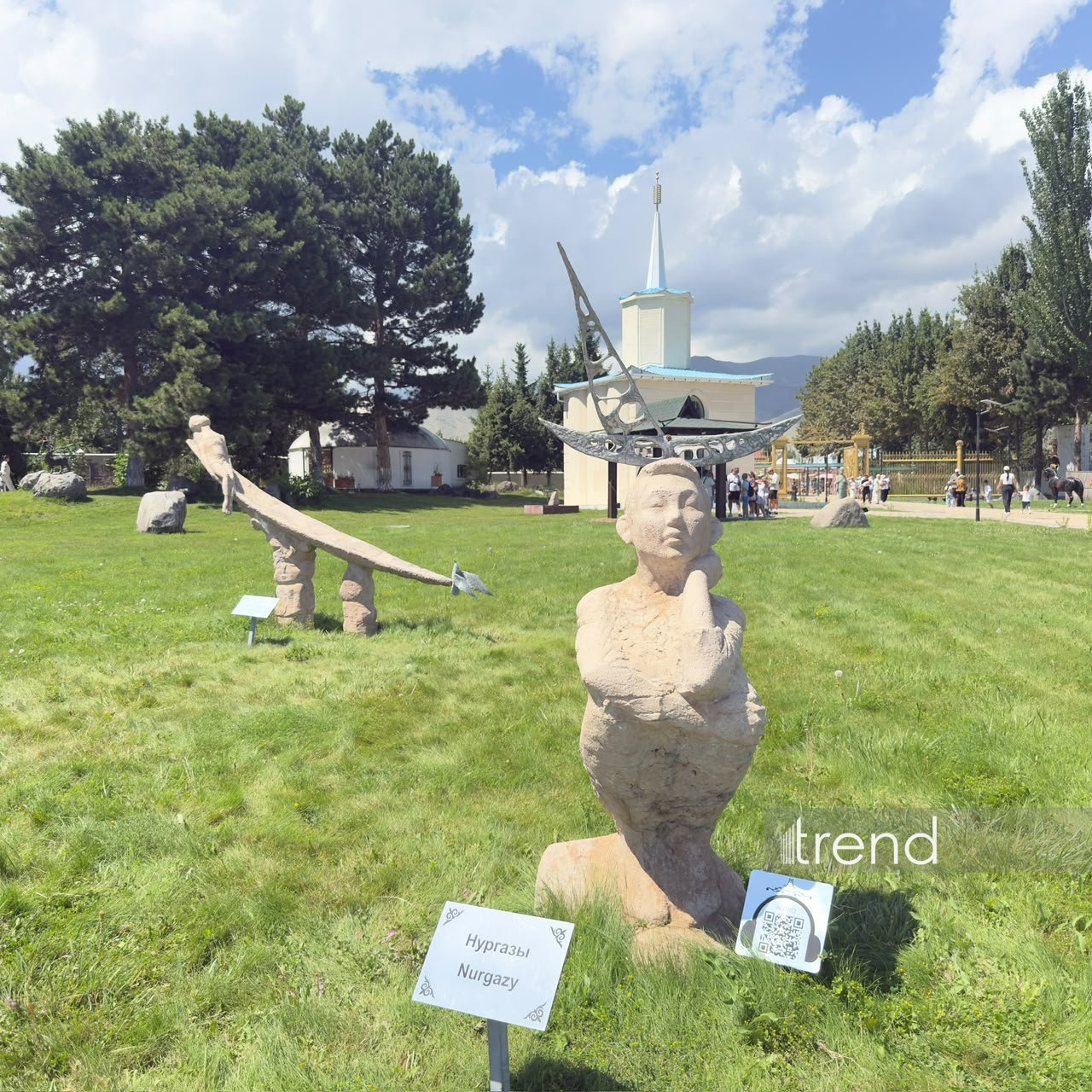
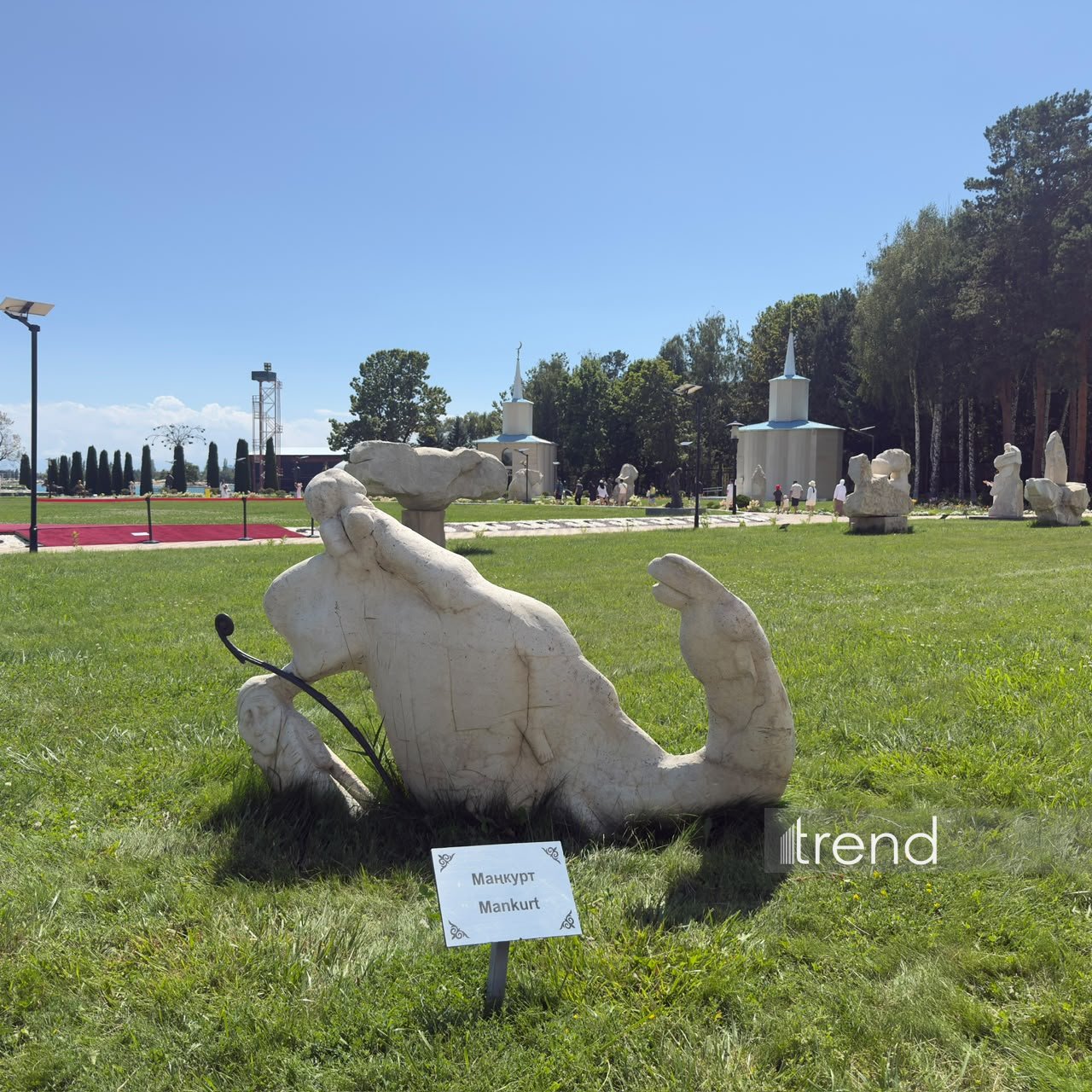
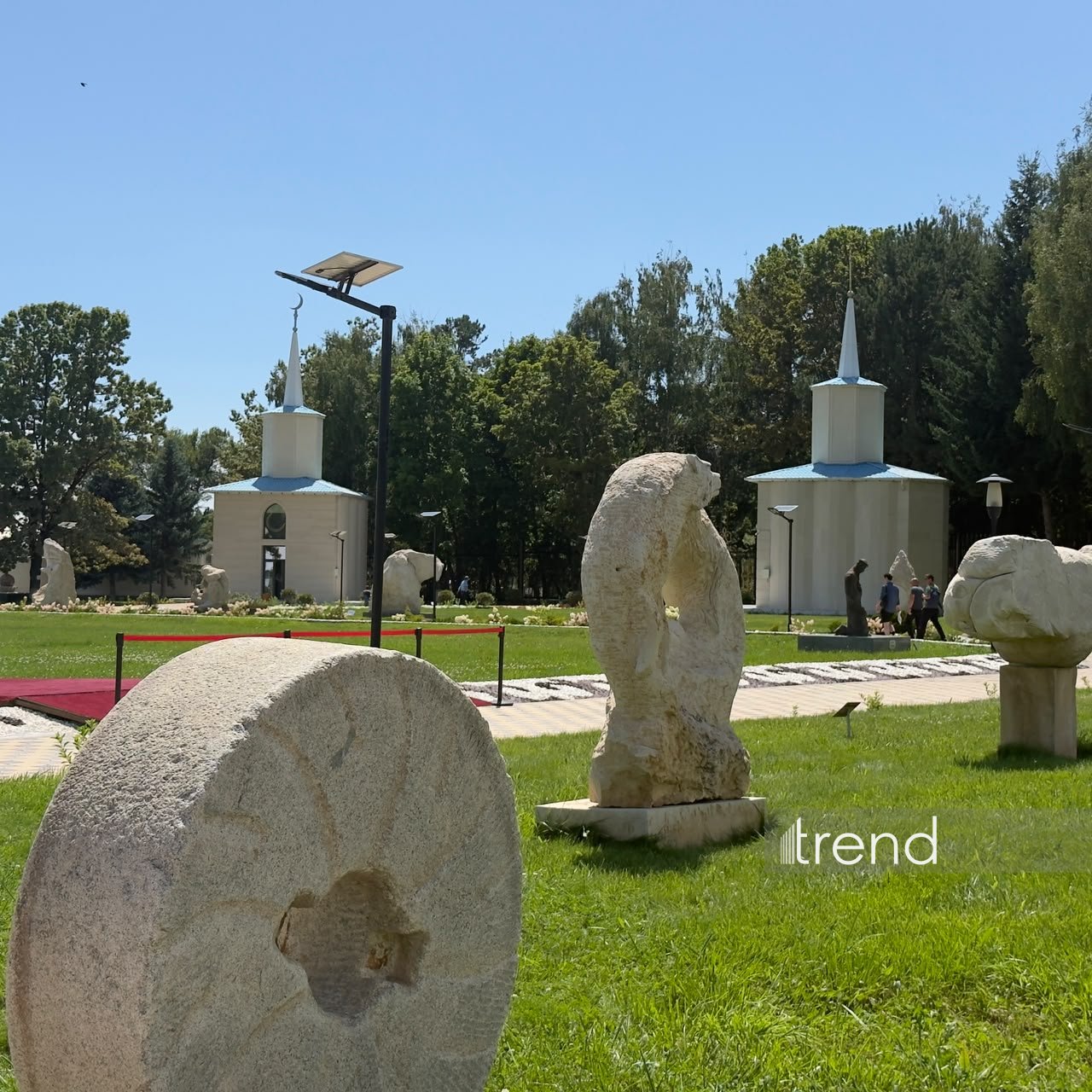
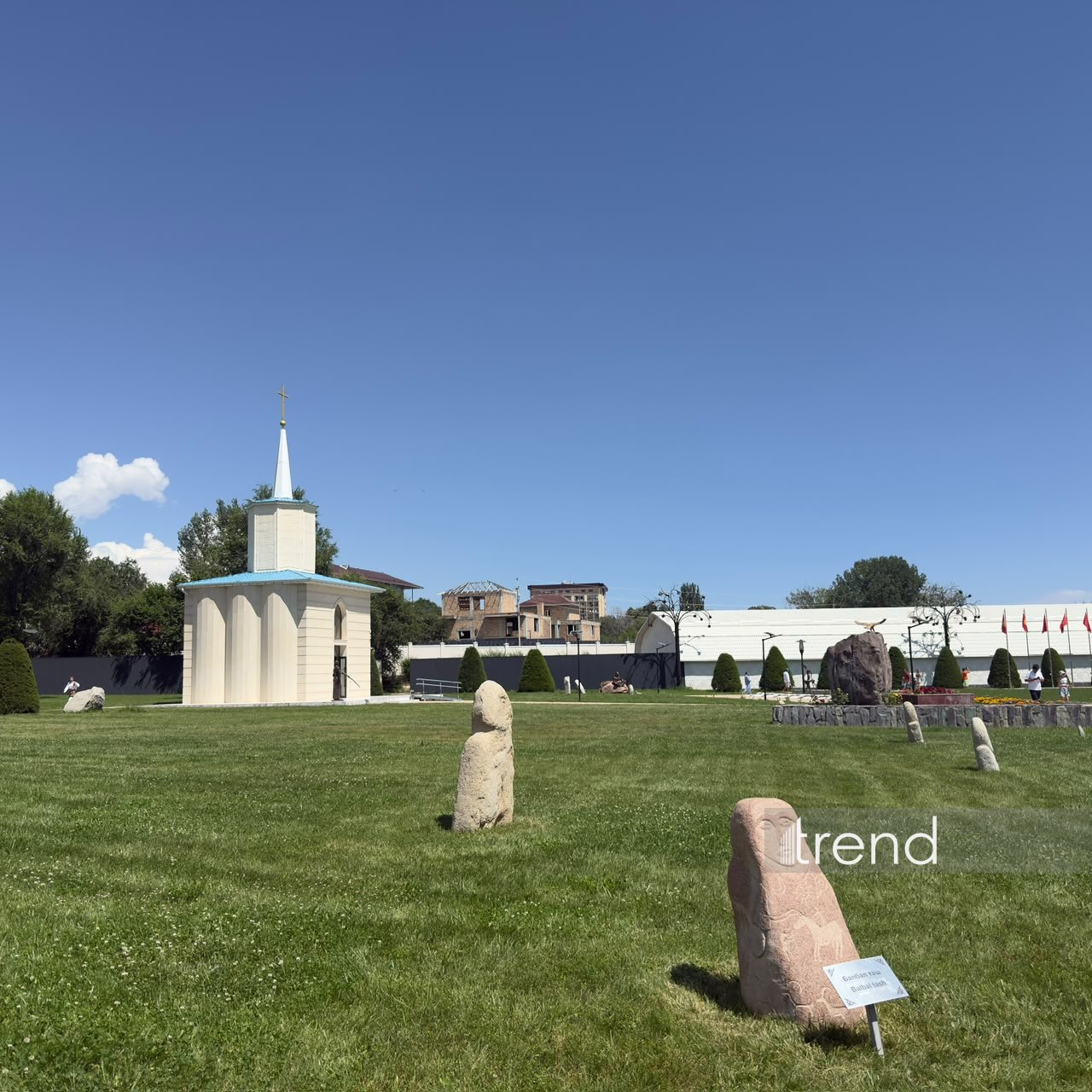
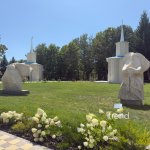
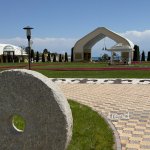
Its most recognizable feature is a row of five identical white chapels representing Islam, Orthodox Christianity, Catholicism, Buddhism and Judaism. Their uniform appearance is intentional, symbolizing the idea that all people are equal before God regardless of their faith.
The theme of unity runs throughout the complex. Rather than functioning as a traditional museum, Rukh Ordo presents itself as a space where culture, religion and history coexist in harmony with the surrounding landscape, with Lake Issyk-Kul serving as its natural backdrop.
The story of the complex's founder is equally remarkable. Public figure and philanthropist Tashkul Kereksizov grew up in an orphanage and never knew his parents. He chose his own first and last names, adopting the surname "Kereksizov" from the Kyrgyz word kereksiz, meaning "unwanted," as a reflection of his childhood. He later established a cultural center dedicated to bringing together people of different nationalities, cultures and religions.
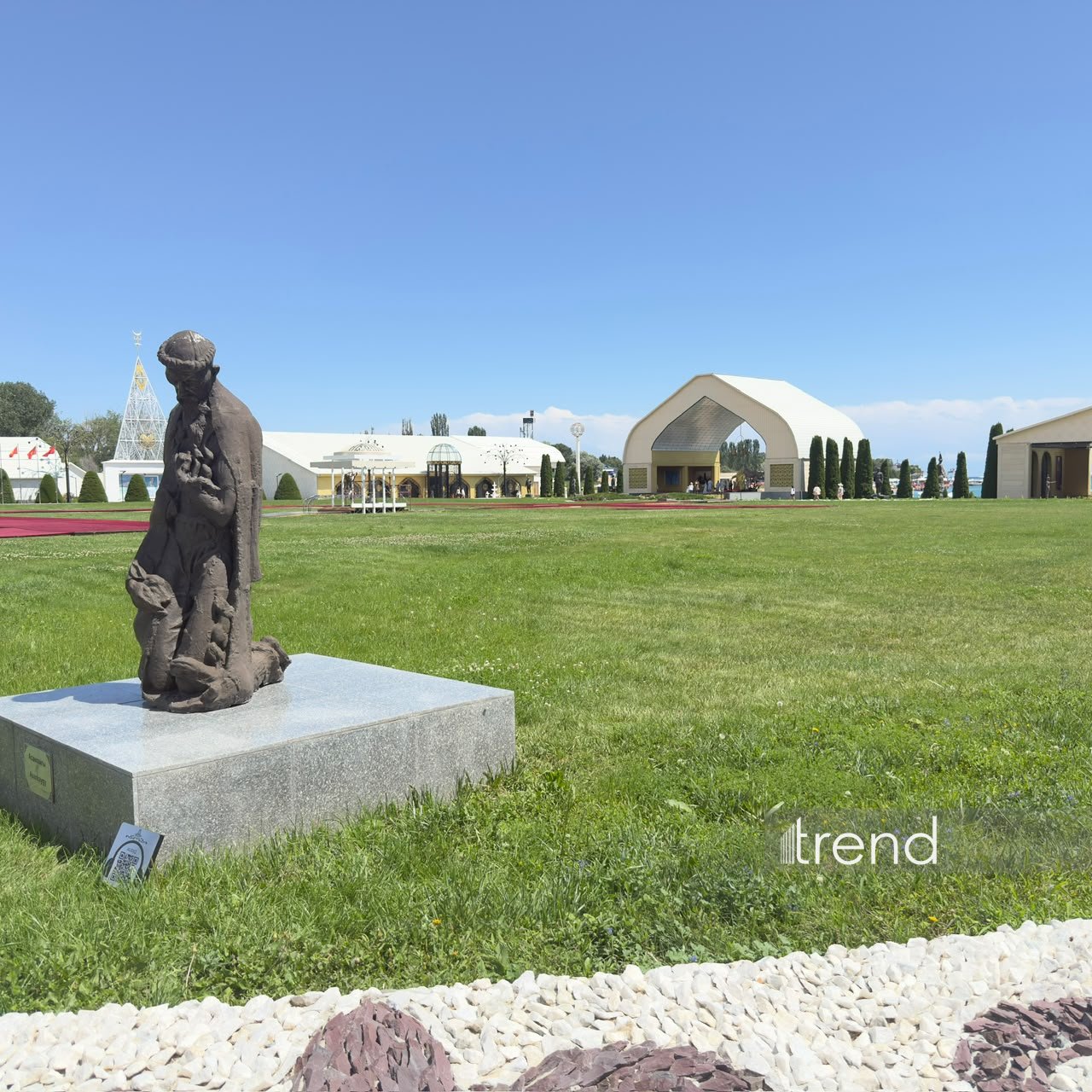
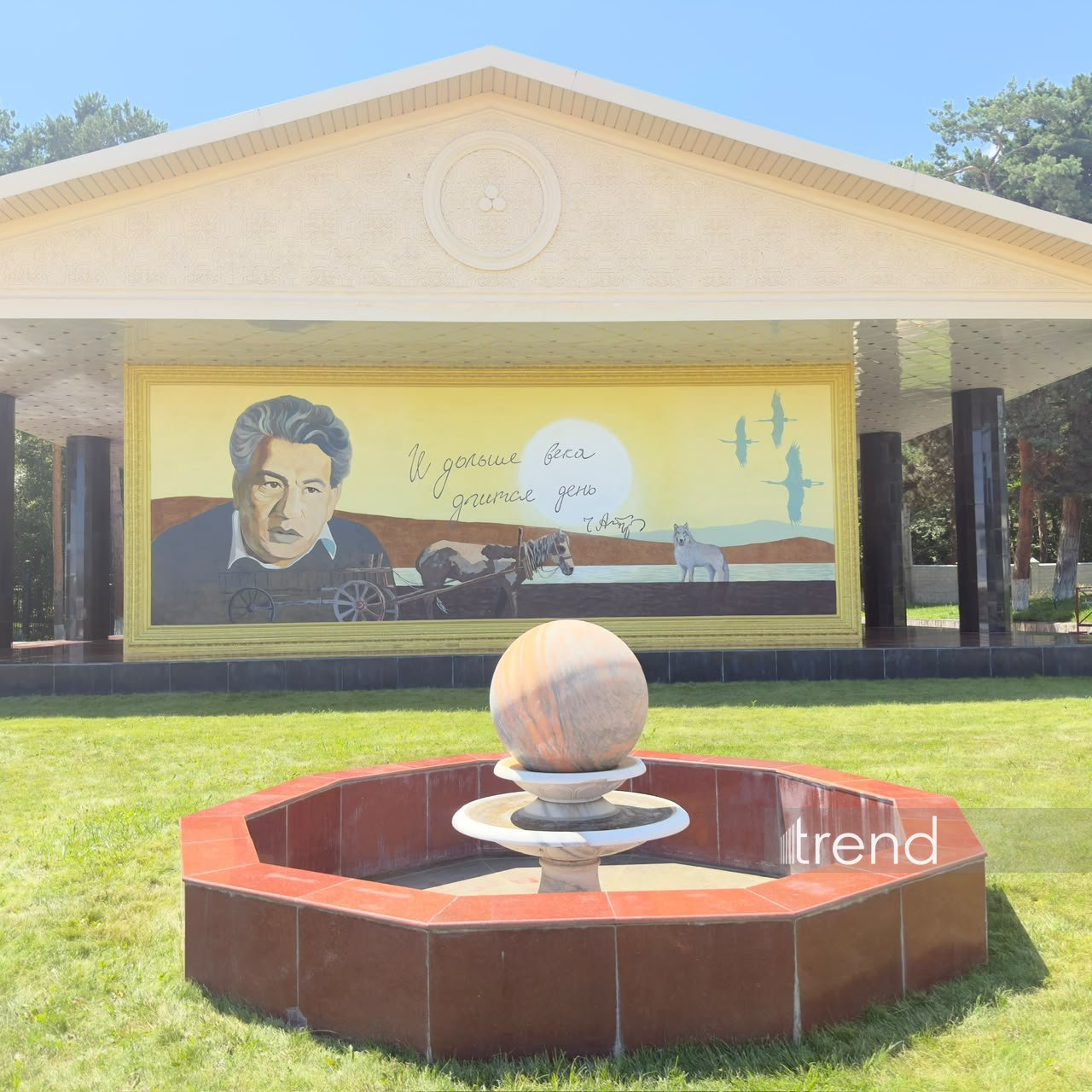
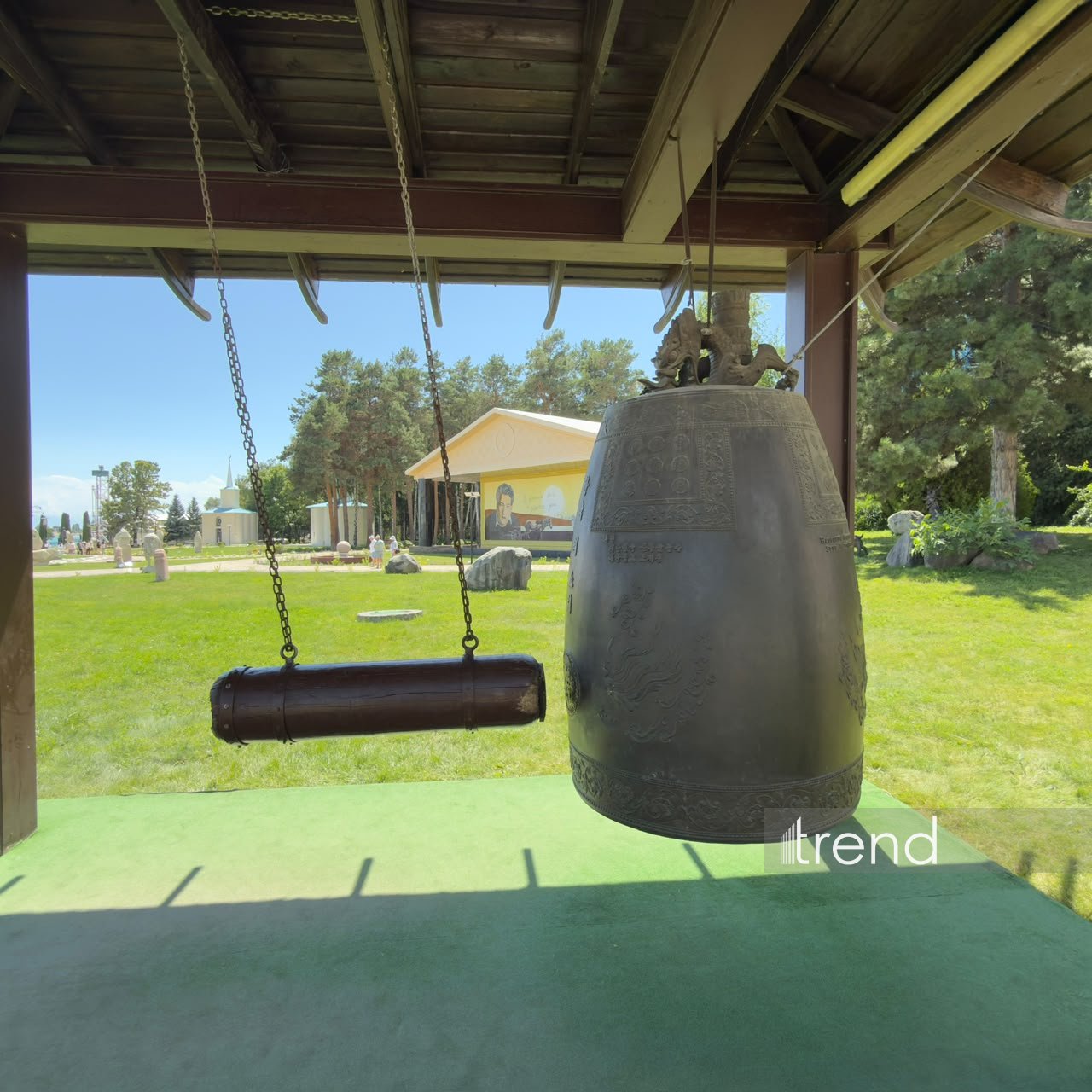
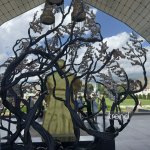
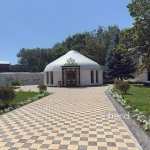
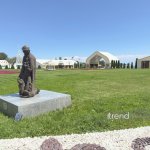
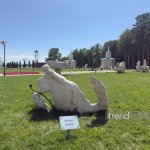
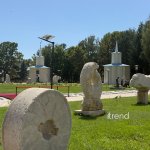
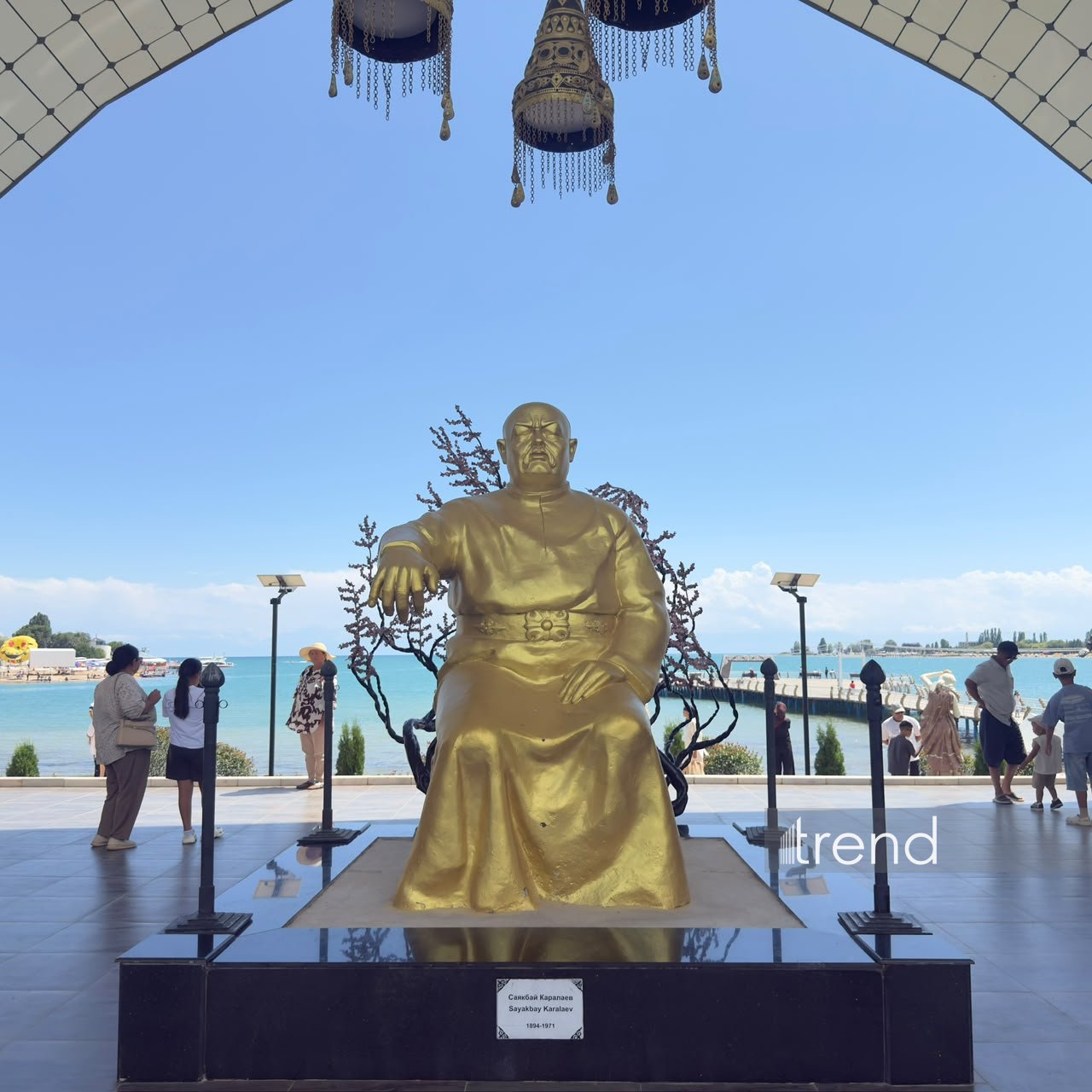
During the visit, the journalists toured the house museum of renowned Kyrgyz writer Chingiz Aitmatov, explored exhibitions on Kyrgyz culture, viewed art and photography galleries, visited the gazebo of legendary manaschi Sayakbay Karalayev, and saw ethnographic collections, monuments and sculpture alleys honoring prominent historical figures.
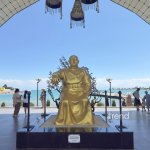
The surrounding landscape is an integral part of the experience. An open-air concert venue with natural acoustics, a panoramic stage and the complex's iconic pier blend seamlessly into the shoreline, creating the impression that the museum extends directly into the waters of Issyk-Kul.
Established in 2002, Rukh Ordo occupies 4.5 hectares and has become one of Cholpon-Ata's best-known landmarks. Beyond its museums and monuments, the center attracts visitors with its atmosphere, where culture meets nature, history intersects with the present, and the idea of mutual respect among followers of different faiths takes tangible form.
For the Azerbaijani journalists, the visit offered another opportunity to discover Kyrgyzstan as a country that preserves its cultural, historical and spiritual heritage alongside its spectacular mountain landscapes, sharing it with visitors from around the world.