


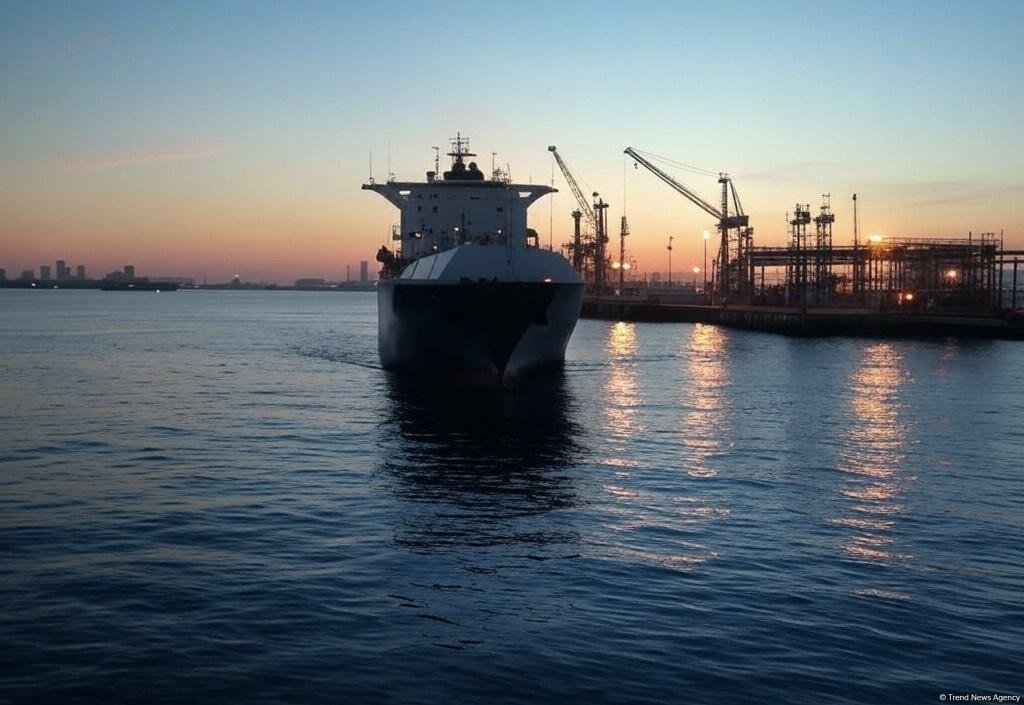

BAKU, Azerbaijan, October 25. Global LNG exports totaled 507 cargoes in September 2025, down six from the same month last year and 30 fewer than in August, according to the Gas Exporting Countries Forum (GECF), Trend reports.
Over the first nine months of 2025, 4,771 cargoes were shipped, 54 more than during the same period in 2024. GECF countries accounted for 46% of these exports, led by Qatar, Malaysia, and Russia, while the U.S. shipped 181 more cargoes year-on-year, and Qatar increased by 25 shipments. The largest percentage increases came from the Republic of Congo, Angola, and the U.S.
Shipping costs remained soft amid ample vessel supply and limited long-haul demand. The average spot charter rate for steam turbine LNG carriers held steady at $3,300 per day, 89% lower than September 2024 and $55,600 below the five-year average. Other vessel segments saw declines: TFDE vessels fell 13% month-on-month to $17,300 per day, 62% below last year, and two-stroke vessels dropped 19% month-on-month to $28,100 per day, 56% lower than a year ago.
Market conditions were shaped by shorter trade routes, especially U.S. cargoes flowing to Europe rather than long-haul voyages to Asia, and continued deliveries of new LNG carriers. As a result, the market is expected to remain oversupplied through the winter and into 2026.
The average price of shipping fuels in September was $480 per ton, down 11% from a year ago and below the five-year average. Combined with steady charter rates and lower delivered spot LNG prices, LNG shipping costs fell by up to $0.66/MMBtu compared to September 2024, offering relief for buyers amid persistent market softness.


