



BAKU, Azerbaijan, November 9. Türkiye can significantly expand its solar power capacity and strengthen energy security by integrating solar generation with existing hydroelectric and storage projects, according to a new analysis by UK-based energy think tank Ember, Trend reports.
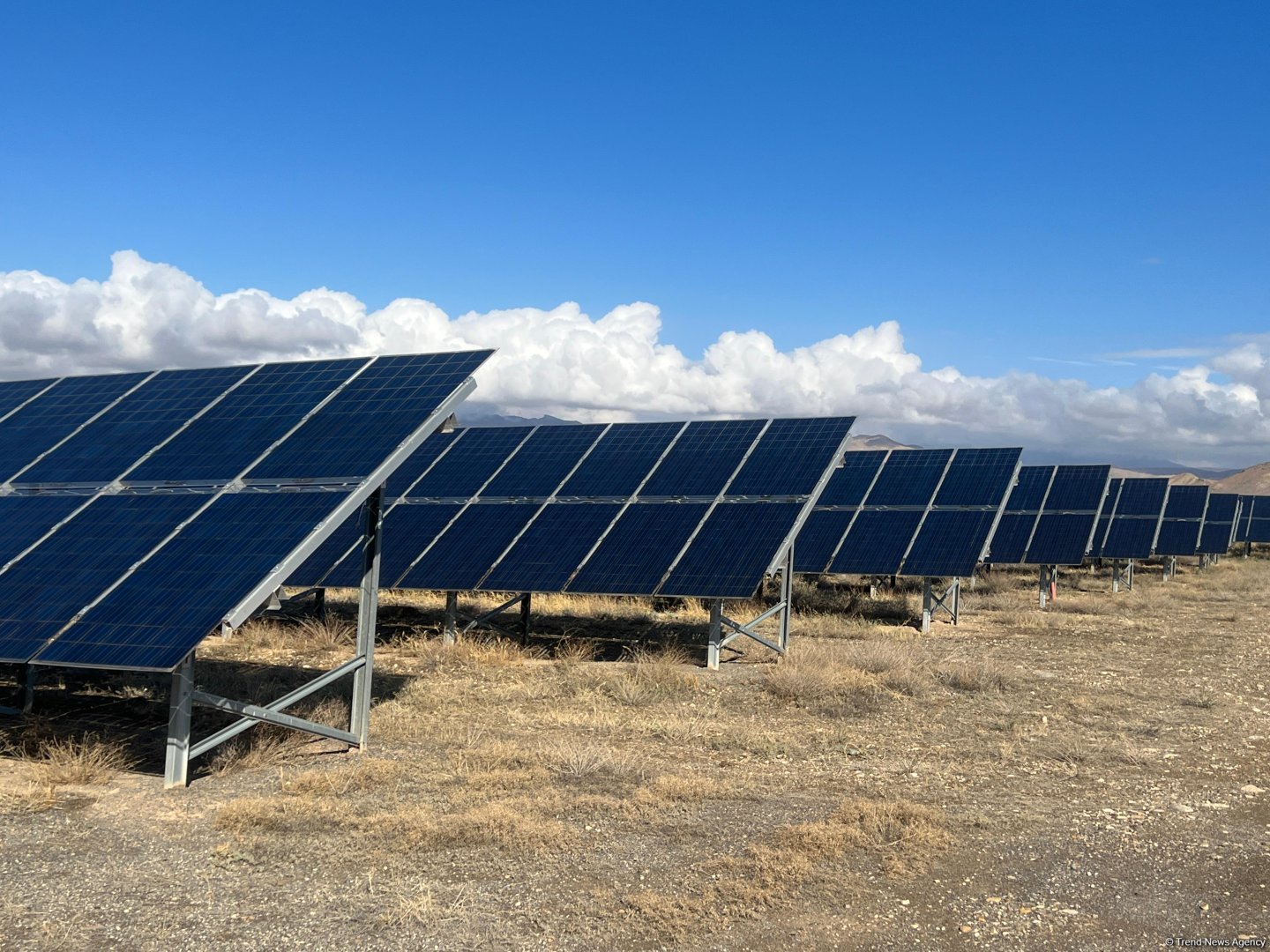
As of September 2025, Türkiye’s installed solar energy capacity stands at 24.1 GW. Ember notes that developing floating and hybrid solar power plants at dammed hydroelectric facilities could play a key role in increasing this capacity. Such systems would help meet daytime electricity demand through solar generation, while hydropower plants could maintain grid stability and supply energy during evening hours.
In areas where hydroelectric capacity is limited, Ember highlights the potential of storage-integrated solar and wind projects. Türkiye currently has a portfolio of 33.1 GW of such projects, which can help regulate grid frequency and voltage. However, the think tank warns that Türkiye’s maximum price policy on electricity markets remains a major barrier to new investments. Redirecting incentives from domestic coal toward storage-based renewables could unlock much-needed progress, Ember suggests.
The analysis also points to Türkiye’s vast rooftop solar potential, estimated at 120 GW. Rising cooling demand, driven by climate change, increases consumption by an average of 770 MWh for every 1°C temperature rise. Ember estimates that rooftop solar could meet 21% of this peak demand if bureaucratic barriers to installation were removed and investment procedures simplified.
Türkiye aims to reach 76.9 GW of installed solar capacity by 2035. To meet this goal, an average of 5.3 GW must be added annually over the next decade. Ember concludes that prioritizing flexible solar-hydro integration, storage-backed projects, and rooftop installations - instead of supporting domestic coal - would accelerate Türkiye’s clean energy transition and ensure a more resilient power system.


