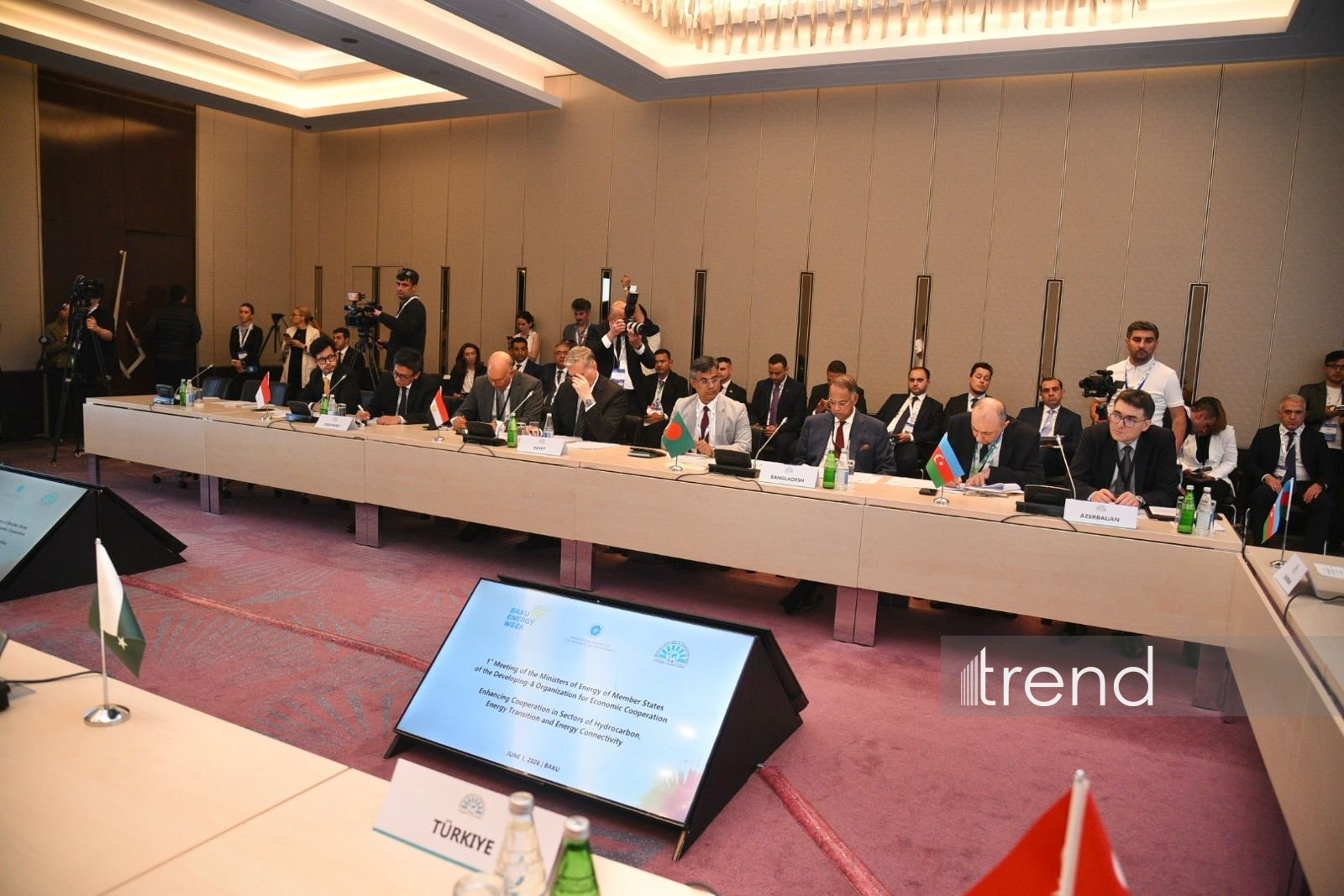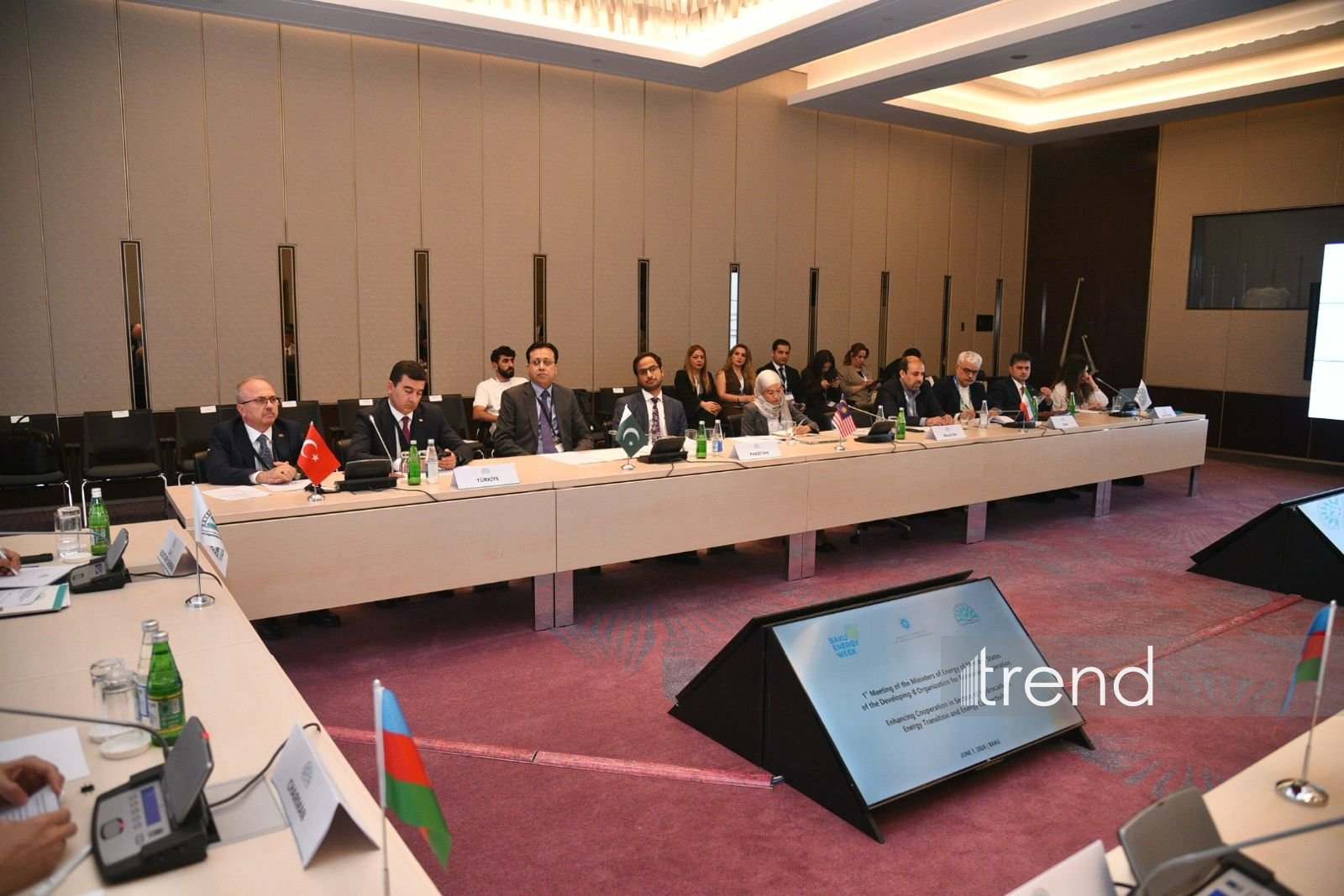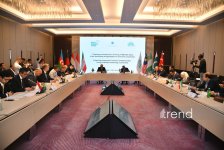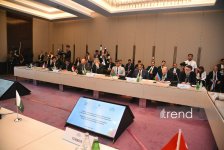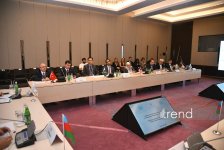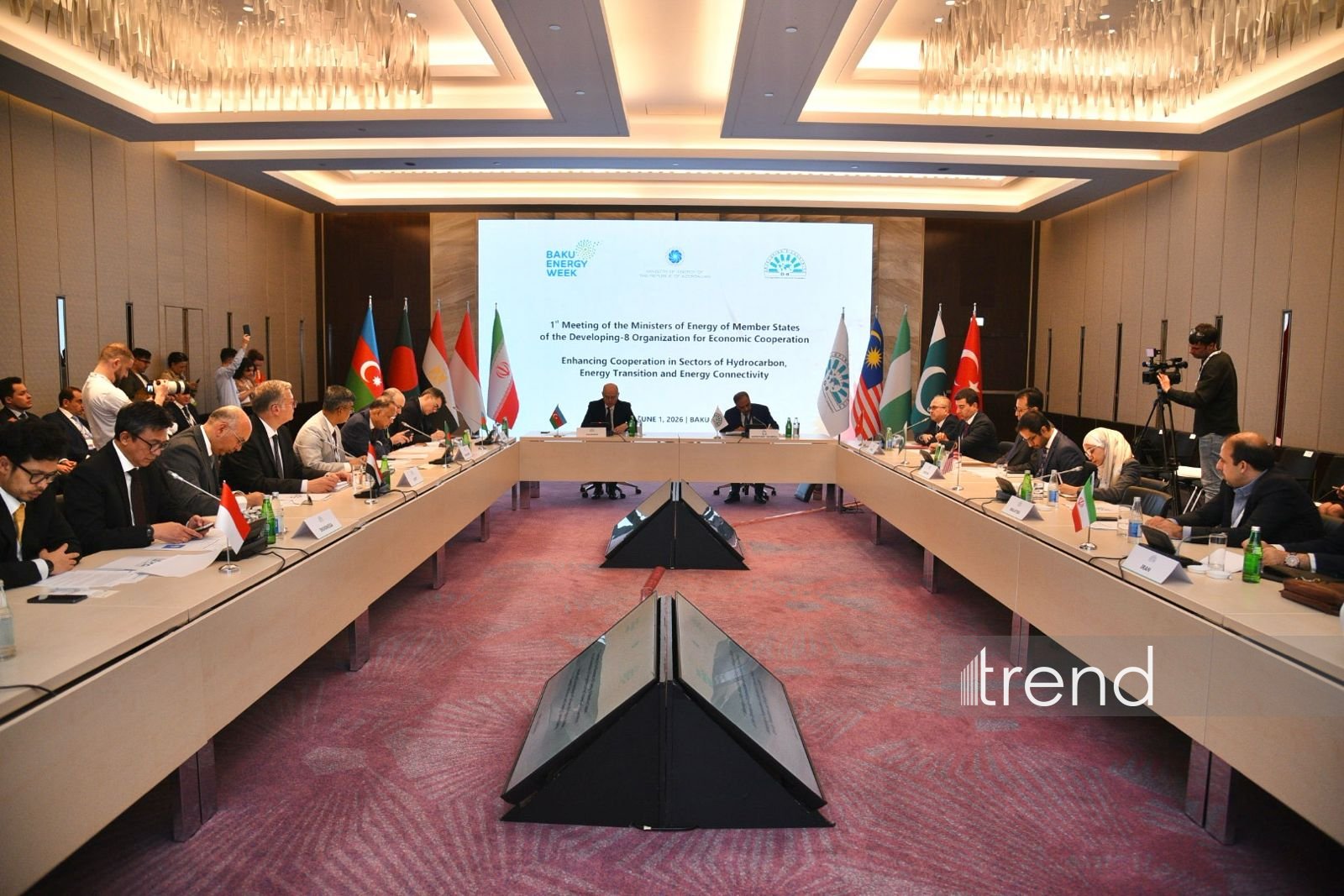
BAKU, Azerbaijan, June 1. As part of Baku Energy Week, the first meeting of energy ministers from the Development Group of Eight (D-8) was held, Trend reports.
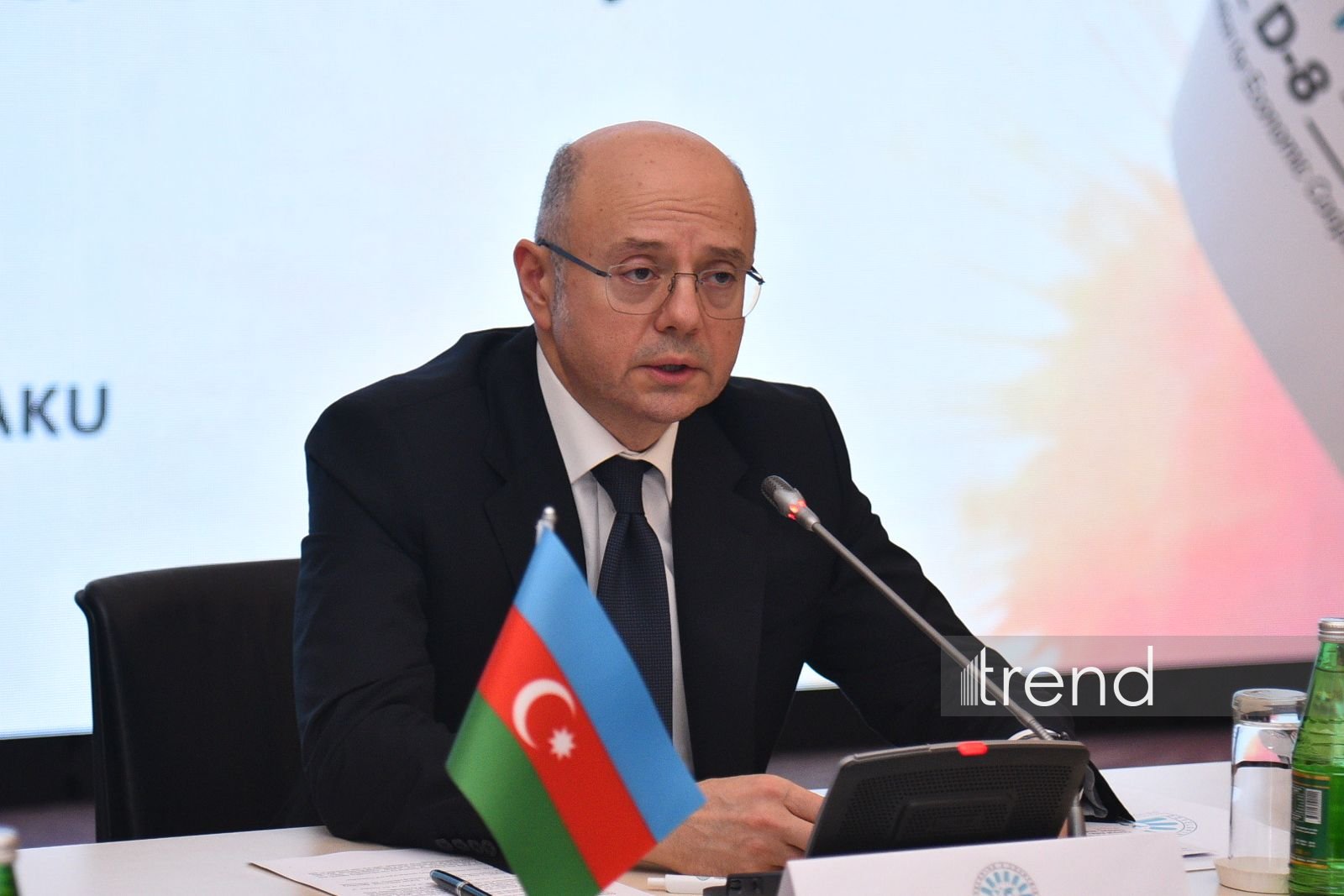
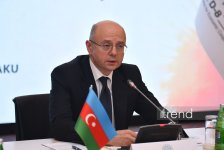
Speaking at a session on the topic “Expanding Cooperation in Hydrocarbons, Energy Transition, and Energy Interconnections,” Azerbaijan’s Minister of Energy Parviz Shahbazov noted that Azerbaijan’s membership in the D-8 is a logical continuation of the multi-vector foreign policy course and successful energy diplomacy defined by the President of the Republic of Azerbaijan, Ilham Aliyev.
The minister emphasized that changes in global energy markets, geopolitical tensions, the energy transition, and the acceleration of electrification have made diversification a strategic necessity in energy policy. From this perspective, the D-8 platform opens up important opportunities for Azerbaijan to expand energy cooperation not only with Europe but also with Asia, the Middle East, and Africa.
During the speech, it was noted that Azerbaijan is pursuing a balanced policy between energy security and the energy transition, contributing to the development of regional energy corridors in the oil and gas, electricity, and green energy sectors. Touching on the prospects for energy cooperation with the D-8 countries, the minister provided information on ongoing and planned projects with Türkiye, Pakistan, Iran, Egypt, Indonesia, Bangladesh, Malaysia, and Nigeria. Potential areas of energy cooperation identified included oil and gas trade, LNG (liquefied natural gas) supplies, electricity exchange, renewable energy, energy infrastructure, and investments.
“The D-8 Platform, which brings together countries sharing common religious and cultural values and spans three continents, paves the way for taking cooperation to a broader level in such critical areas as energy security, the energy transition, and energy connectivity. The Baku Declaration outlines the future contours of this cooperation, identifying clean energy, energy interconnections, effective management of hydrocarbons, strengthening the investment environment, and technological development as key priorities. “The future establishment of the ‘D-8 Energy and Climate Center’ will be an important institutional step ensuring the practical implementation of this cooperation,” the minister stated.
The Baku Declaration on Energy Cooperation was adopted during the meeting, and a preliminary presentation of the Charter of the “D-8 Energy and Climate Center” took place.
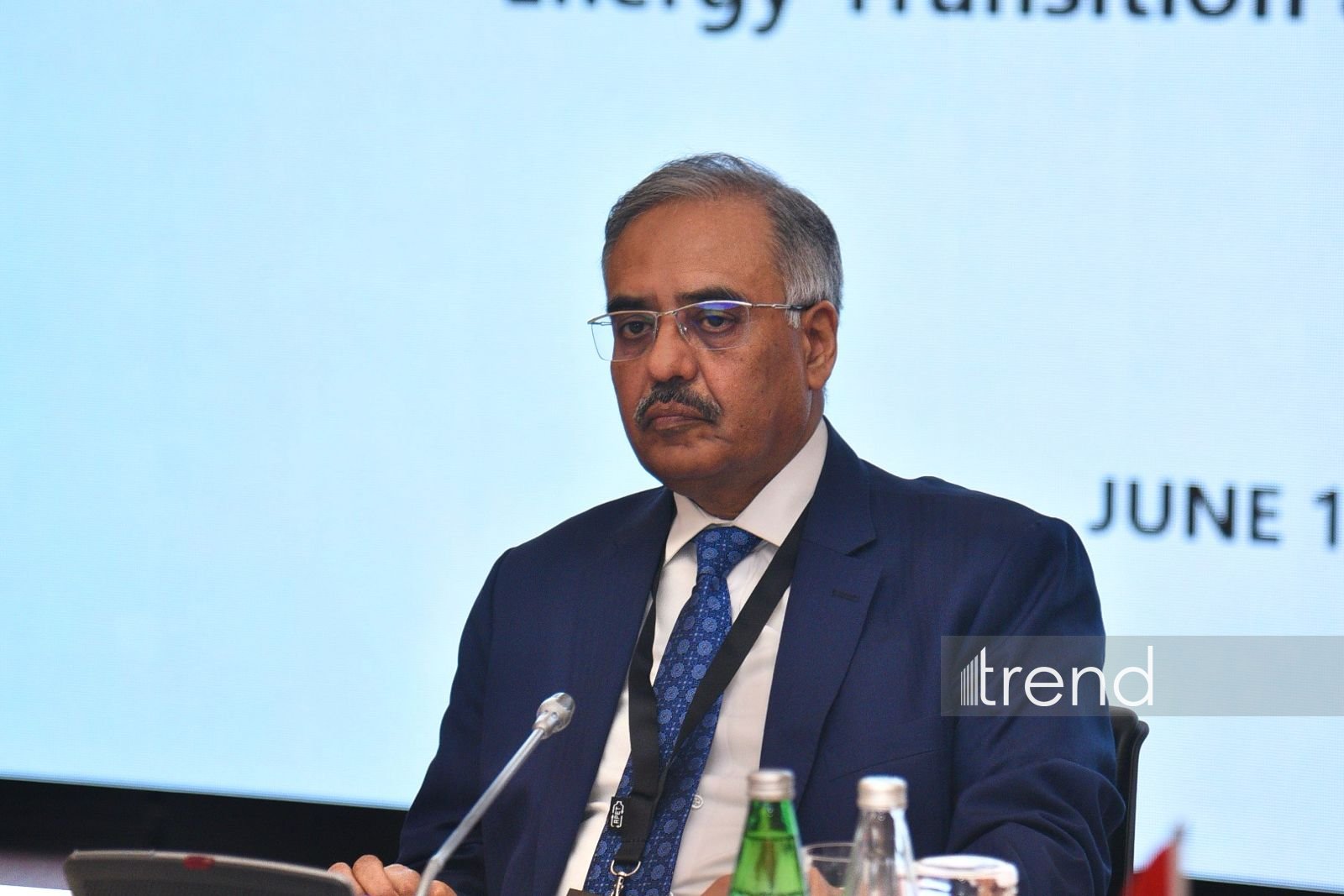
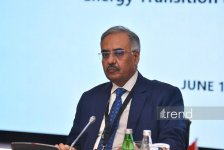
The D-8 was represented at the event by Secretary-General Sohail Mahmood. Türkiye was represented by Minister of Energy and Natural Resources Alparslan Bayraktar, Pakistan by Minister of Petroleum Ali Pervaiz Malik, and Egypt by Minister of Petroleum and Mineral Resources Karim Badawi, Bangladesh by Minister of Power, Energy, and Mineral Resources Iqbal Hassan Mahmud, Iran by Deputy Minister of Petroleum Saeed Tavakoli, while Indonesia and Malaysia were represented by their diplomatic missions.