



BAKU, Azerbaijan, June 12. Uzbekistan aims to increase its fish production to more than 500,000 tons next year through technological modernization, financial support, and scientific innovation.
This was reported in a statement issued by the press service of the Uzbek President.
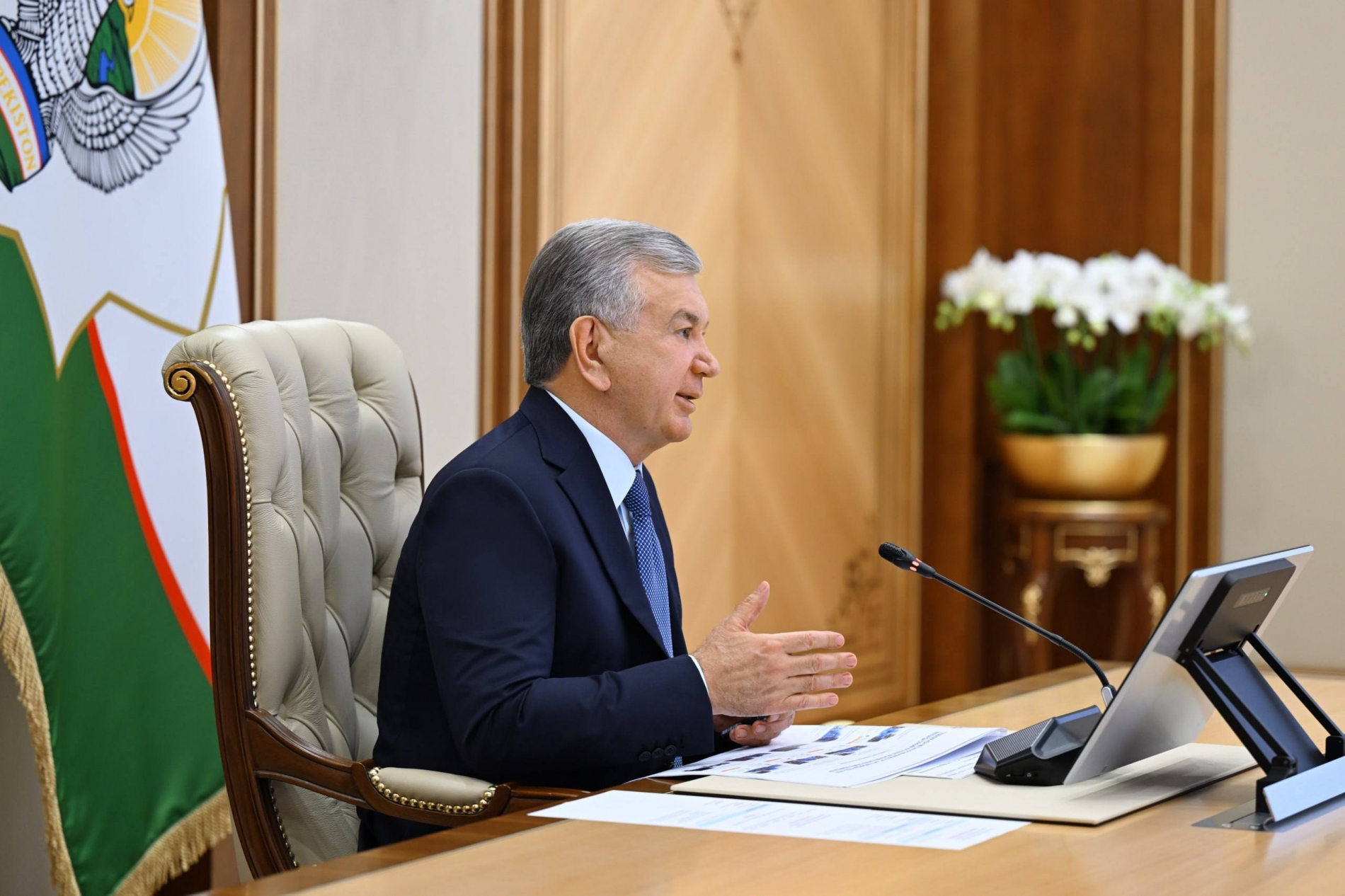
According to a statement, President Shavkat Mirziyoyev reviewed a package of proposals aimed at accelerating the development of Uzbekistan's fisheries sector, with authorities setting a goal of increasing fish production to more than 500,000 metric tons next year through technological modernization, financial support, and scientific innovation.
The statement indicates that at the meeting, it was noted that aquaculture is becoming increasingly important for food security, rural incomes, and the efficient use of water resources. Global trends show that farmed fish production has surpassed catches from natural water bodies, highlighting the growing role of aquaculture in meeting demand for protein-rich foods.
''Uzbekistan produced 206,000 tons of fish in 2025, maintaining its position as the largest fish producer in Central Asia despite limited water resources. The country has significant untapped potential, supported by a network of rivers, canals, and waterways stretching more than 173,000 kilometers,'' the statement indicates.
During the presentation, the need to shift from traditional lake-based fish farming toward intensive aquaculture systems that rely on efficient water use, recirculation technologies, and modern production methods was emphasized. They noted that intensive farming currently accounts for less than 20% of total fish output, despite offering significantly higher productivity and profitability.
Authorities proposed introducing a transparent leasing system for 329 natural lakes and reservoirs, along with 163,000 hectares of adjacent land, while ensuring reliable water supplies for intensive fish farms and breeding facilities.
The government also plans to expand financial support for the sector. Proposed measures include partial reimbursement of costs for installing recirculating aquaculture systems, subsidies for importing breeding stock, support for the installation of solar panels, and compensation of part of the interest costs on preferential loans used to finance working capital. New lending mechanisms for fish farms, including support for loans denominated in both local and foreign currencies, are also expected to be introduced.
According to the presentation, fully utilizing the sector's potential could increase fish production fivefold over time, helping meet growing domestic demand for affordable protein while creating new economic opportunities in rural areas.
Particular attention was given to breeding and scientific research. Authorities plan to improve the genetic quality of carp, catfish, trout, and sturgeon, while adapting new fish species to local climatic conditions. Beginning next year, production facilities for trout and sturgeon are expected to be established in foothill regions.
The Fisheries Research Institute will receive a new experimental site along the Akhangaran River, and foreign grants will be sought to support the development of a national carp breed.
The presentation also addressed workforce development. The plans to establish a joint faculty specializing in fisheries and aquaculture at the Agrarian University were reviewed in cooperation with Russia's Astrakhan State University and China's Dalian Ocean University.
Digitalization was identified as another key priority. Authorities proposed creating a unified electronic platform integrating data on water use, land resources, illegal fishing, tax payments, and fish production volumes. Wider use of artificial intelligence technologies is expected to help reduce costs and improve productivity across the industry.
Mirziyoyev approved the proposals and called for further measures to support the sector. The president instructed officials to promote the development of fisheries through modern technologies, scientific approaches, and effective management while ensuring efficient water use, favorable conditions for entrepreneurs, and greater access to affordable, high-quality fish products for consumers.



