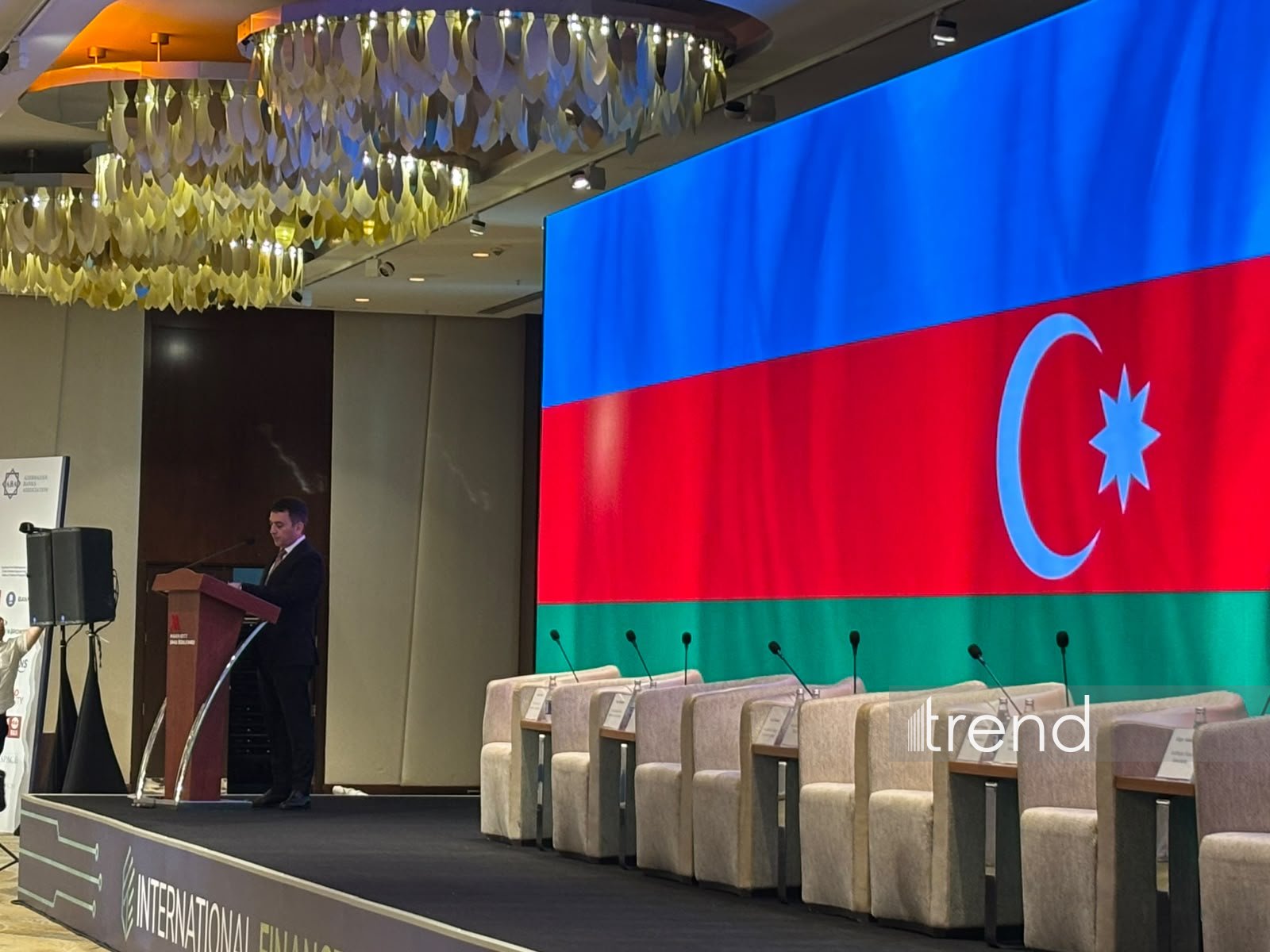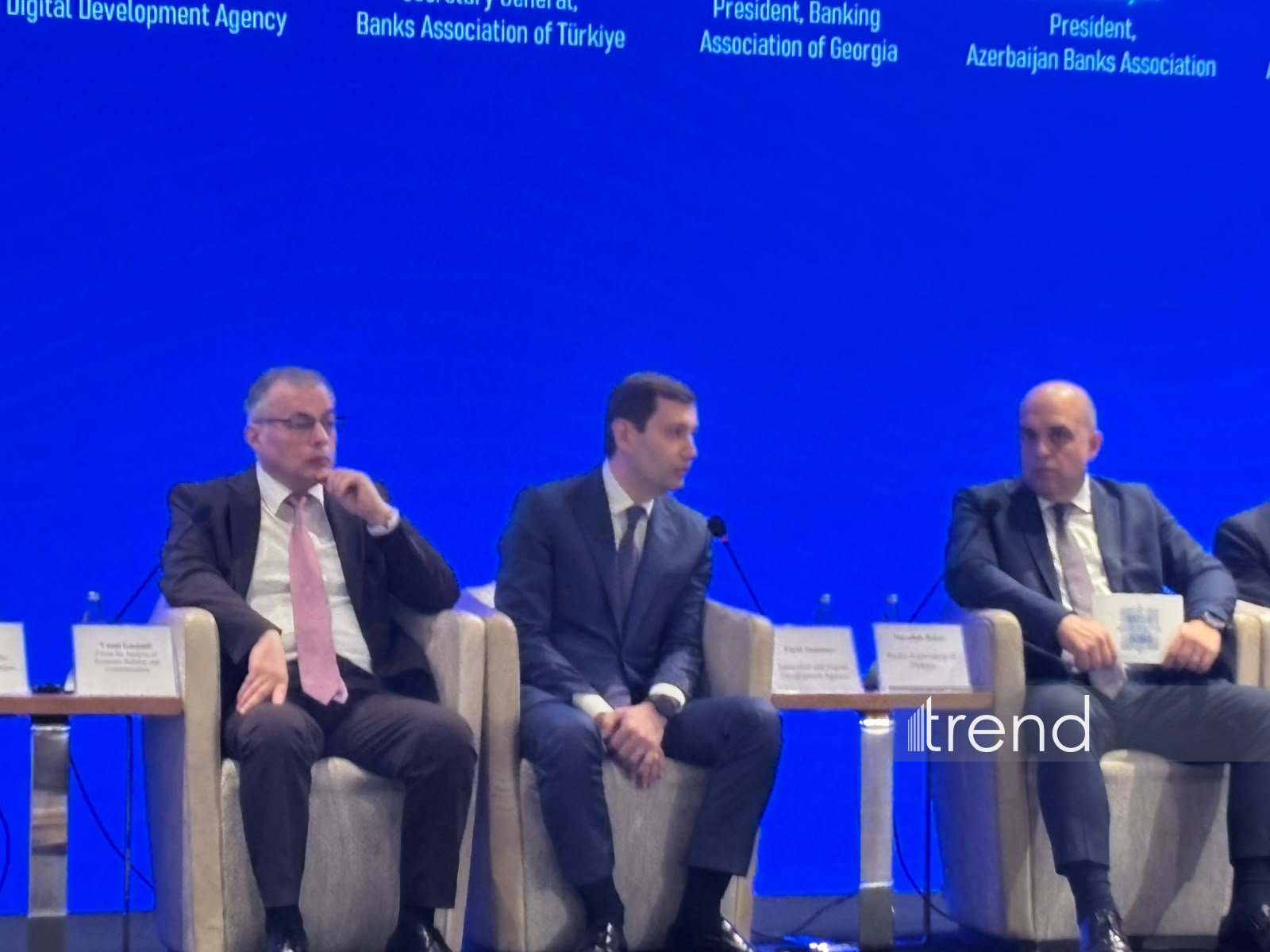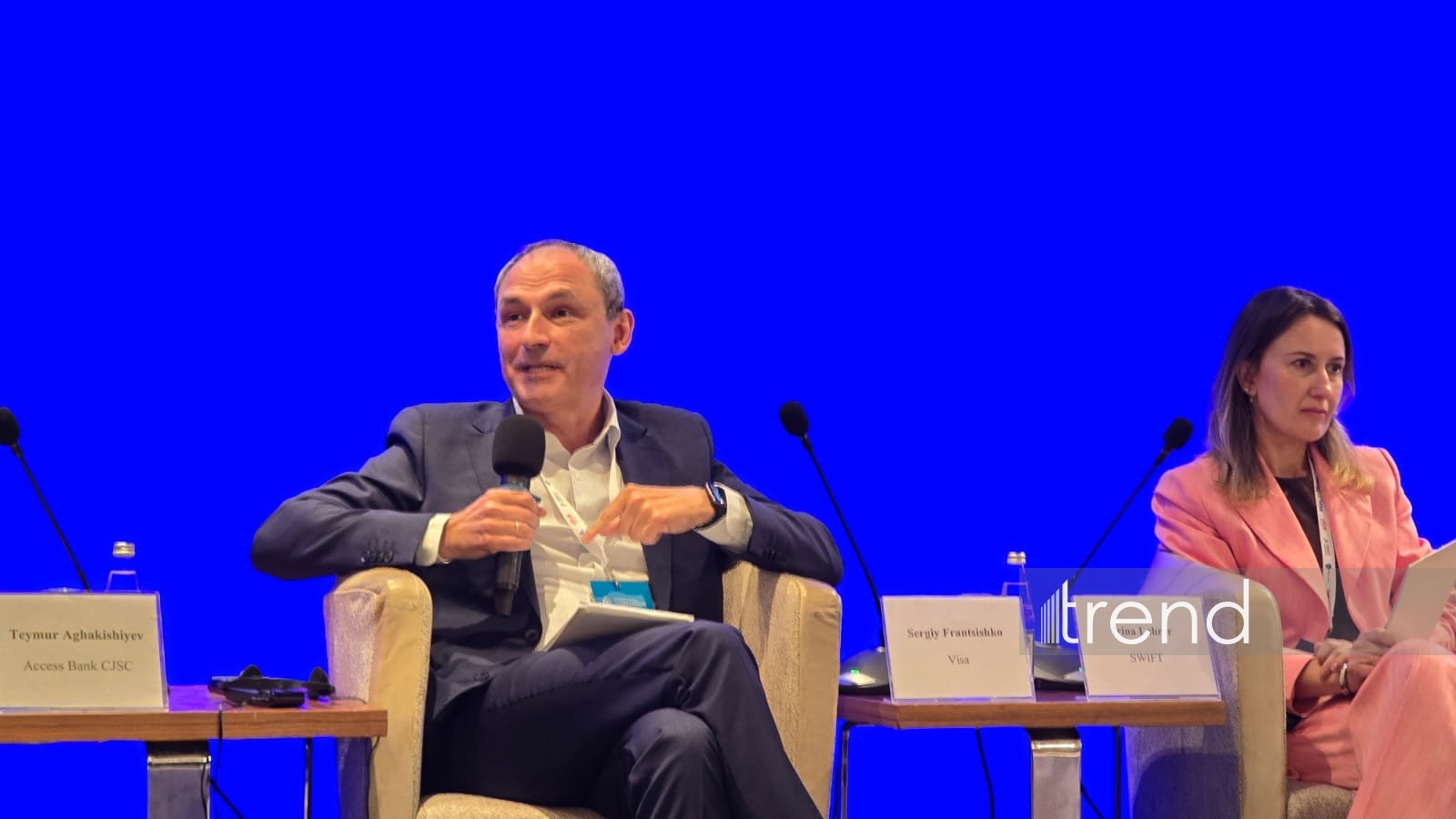

BAKU, Azerbaijan, June 9. The “International Finance and Banking Summit 2026: Global Financial Integration of Turkic States” has begun in Baku, Trend reports.
The summit provides a high-level platform to accelerate the integration of the financial systems of regional and Turkic-speaking states into the global financial space.
The event is supported by the Council of Banking Associations of Turkic States (CBATS), the Central Bank of Azerbaijan, the banking associations of Kazakhstan, Kyrgyzstan, Uzbekistan, and Türkiye, the Association of Financiers of Kazakhstan, as well as other partner organizations.
Visa Inc. is the global partner of the summit.
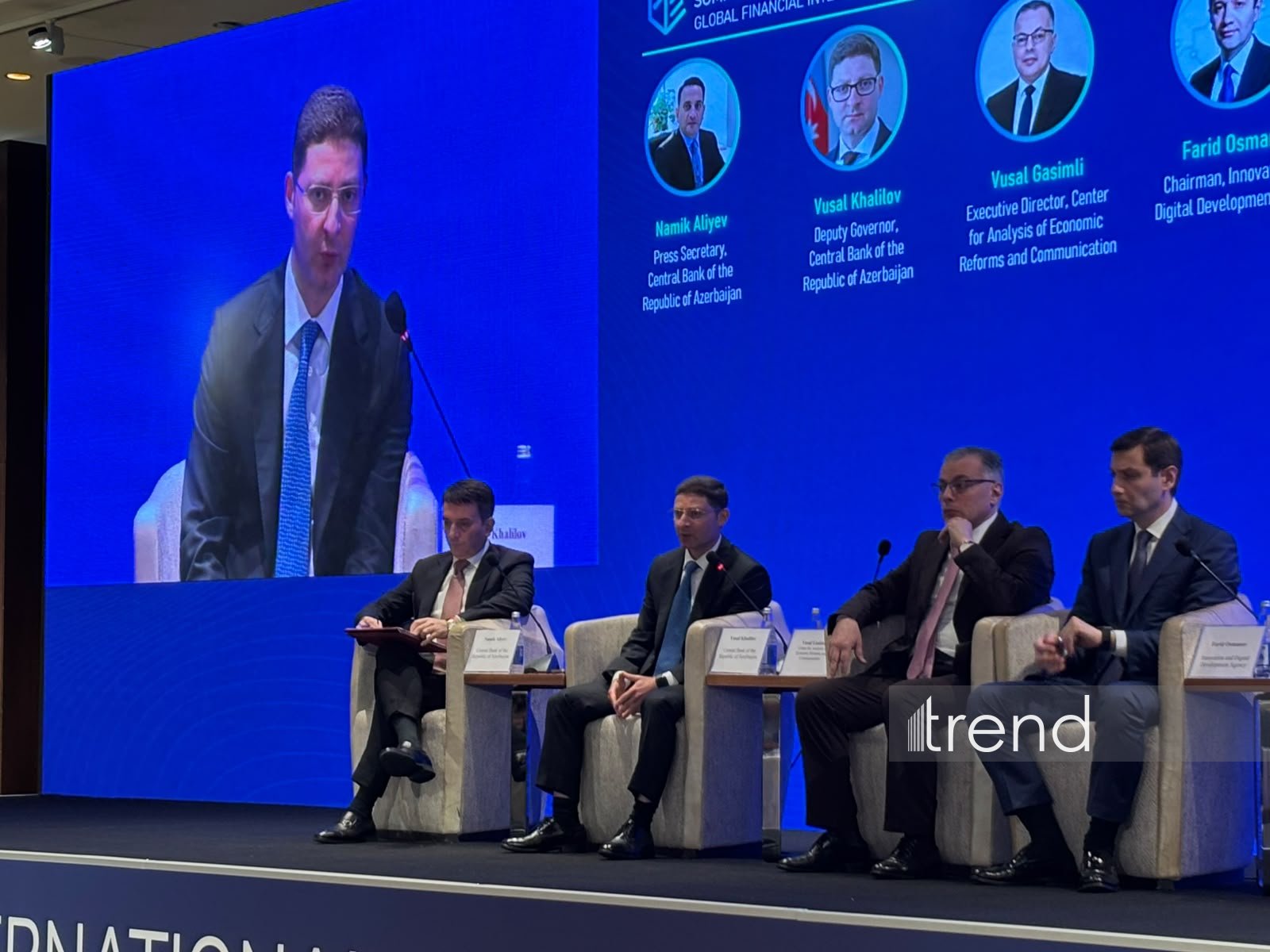
Speaking at the event, Vusal Khalilov, Deputy Chairman of the Central Bank of Azerbaijan, announced that a reduction in the interchange fee will take effect in Azerbaijan starting in June.
"In terms of costs, we can highlight expenses related to digitalization, as well as costs in the payments sector, particularly those associated with non-cash transactions. While banks, payment organizations, and businesses bear the brunt of these costs, virtually every citizen faces the threat of fraud. In response to these challenges, the Central Bank, together with market participants, is taking significant steps. I would like to highlight some of them. First and foremost, we are engaged in intensive negotiations with international card organizations regarding the optimization of these costs," he said.
According to him, the goal is to implement a more optimized fee structure for both acquirers and issuers in the interests of businesses.
“In this regard, pursuant to the Central Bank Board’s decision of March 18, the upper limit on the interchange fee has been reduced by 0.25 percentage points. This decision takes effect in June, and we believe it will have a positive impact,” Khalilov noted.
Farid Osmanov, Chairman of the Board of the Azerbaijan Agency for Innovation and Digital Development, in turn, stated that Azerbaijan plans to double the size of the ICT sector and increase exports to $1 billion by 2030.
According to him, the development of the digital ecosystem continues in Azerbaijan, with the MyGov platform serving as its central element. The goal is to provide citizens with proactive and personalized services through a unified digital platform.
"Over the past year, the number of MyGov users has nearly tripled, reaching 2.2 million. The number of services provided through the platform has increased 11-fold, and the volume of available information has doubled. As part of Azerbaijan’s digital agenda through 2030, plans are in place to double the size of the country’s ICT sector from its current level of approximately $2.3 billion, as well as to increase the ICT export potential from $145 million to $1 billion per year,” he said.
According to Osmanov, work is nearing completion, in collaboration with the Central Bank and other agencies, on a major legislative package aimed at developing venture capital funds, crowdfunding, and technology parks, as well as simplifying the process of attracting highly qualified specialists to the country.
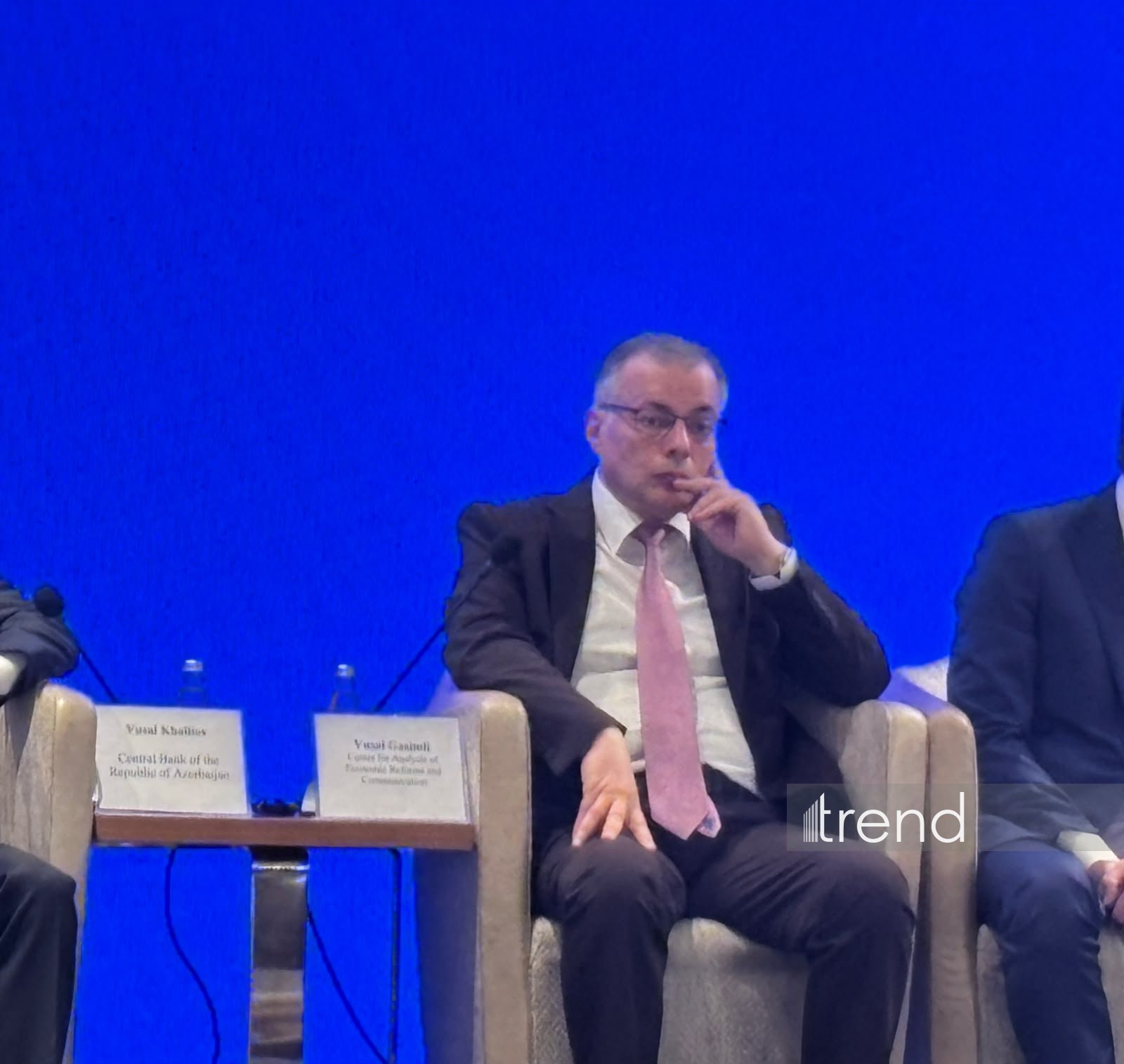
Furthermore, Vusal Gasimli, Executive Director of the Center for Analysis of Economic Reforms and Communications in Azerbaijan, noted that the potential of the banking sector in Turkic states is estimated at trillions of dollars.
"The Turkic states possess significant untapped potential in the financial and banking sector, which could become a key driver of economic integration in the region. The combined GDP of the member states of the Organization of Turkic States exceeded $2.1 trillion, accounting for approximately 3% of the global economy. At the same time, average economic growth rates last year exceeded 6%, with some countries showing particularly strong growth: Kyrgyzstan—over 11%, Uzbekistan—more than 7%, and Kazakhstan—over 5%. The total volume of banking assets in the region approached $1.2 trillion, yet their share of the global total is only about 0.8%. This indicates a significant gap between the region’s economic weight and the level of development of its financial system.
The volume of savings in the Turkic world last year reached about $670 billion (2.3% of the global total). The gap between savings and assets, in his assessment, is explained by several factors: the outflow of capital abroad, the underdevelopment of domestic financial markets, and the accumulation of funds in sovereign wealth funds, including in Azerbaijan and Kazakhstan. “The goal is to retain more capital within the region and channel it toward the development of the Turkic world,” he emphasized.
Speaking about the participating countries individually, Gasimli noted that Türkiye’s banking sector is the most developed: its assets exceed $1 trillion, its asset-to-GDP ratio reaches 95%, and its capital adequacy ratio is over 16%. The share of non-performing loans stands at approximately 2.6%.
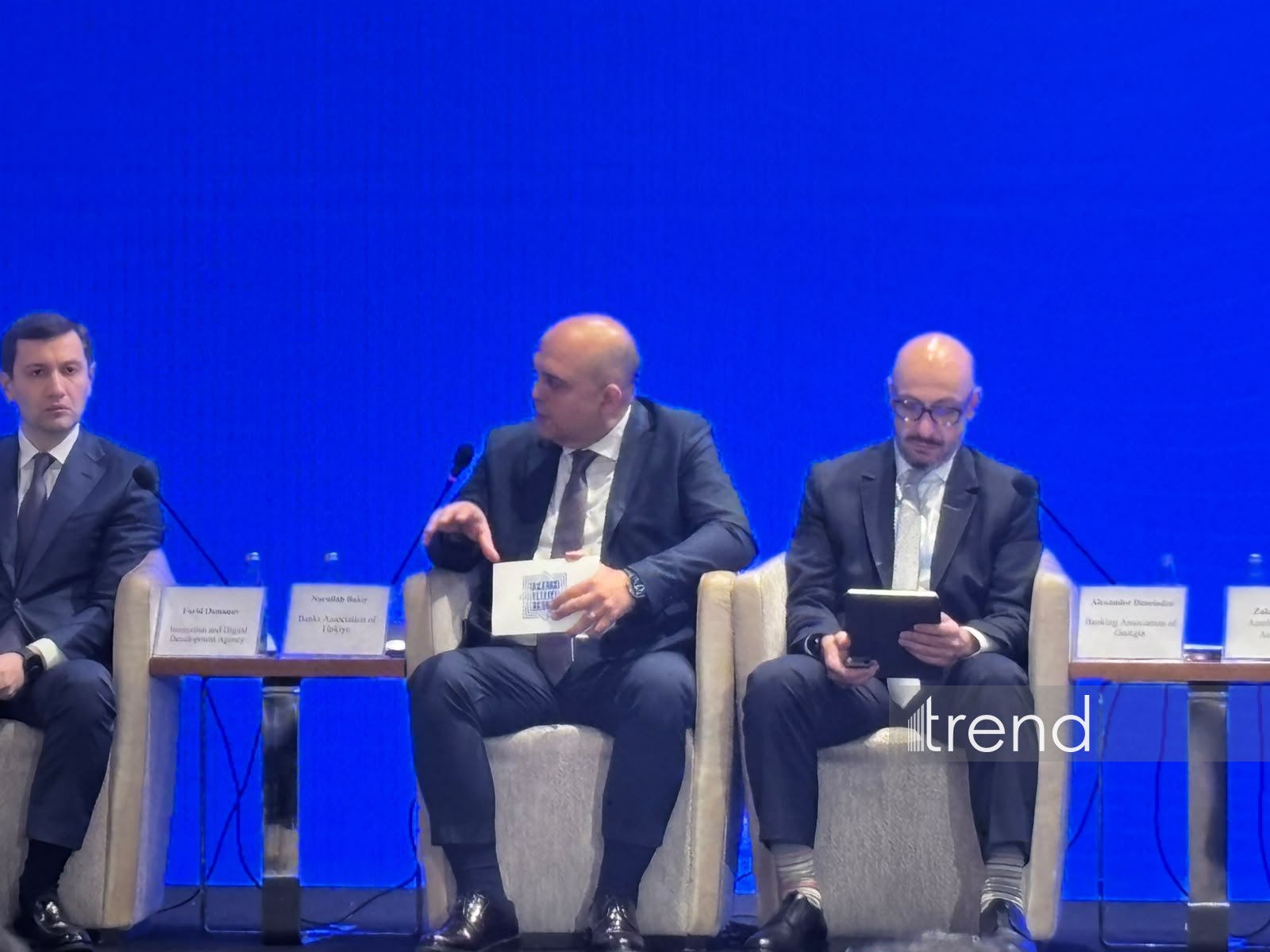
Nurullah Bakır, Secretary General of the Turkish Banks Association, in turn, noted that the number of digital banking customers in Turkey has exceeded 129 million.
According to him, the advancement of digitalization is radically transforming the financial sector, making digital channels the primary means of delivering banking services.
He said that digital banking has ceased to be an alternative channel and has become the primary model for serving customers.
"In Türkiye, the number of active digital banking users has grown from 51 million in 2019 to more than 129 million today, an increase of over 100%.
The use of mobile banking has grown by approximately 200% over this period, and electronic payment systems are showing steady growth. The volume of electronic payment transactions in Turkey has reached a level equivalent to approximately 20 times the country’s GDP,” he said.
Bakır noted that digital transformation is accompanied by an increasing role for data and artificial intelligence in the banking sector, from credit risk assessment to fraud detection and customer service management.
In addition, he noted that as the financial sector develops, sustainable development and climate risk management are becoming increasingly important, and green financial instruments are playing a significant role in the banking system.
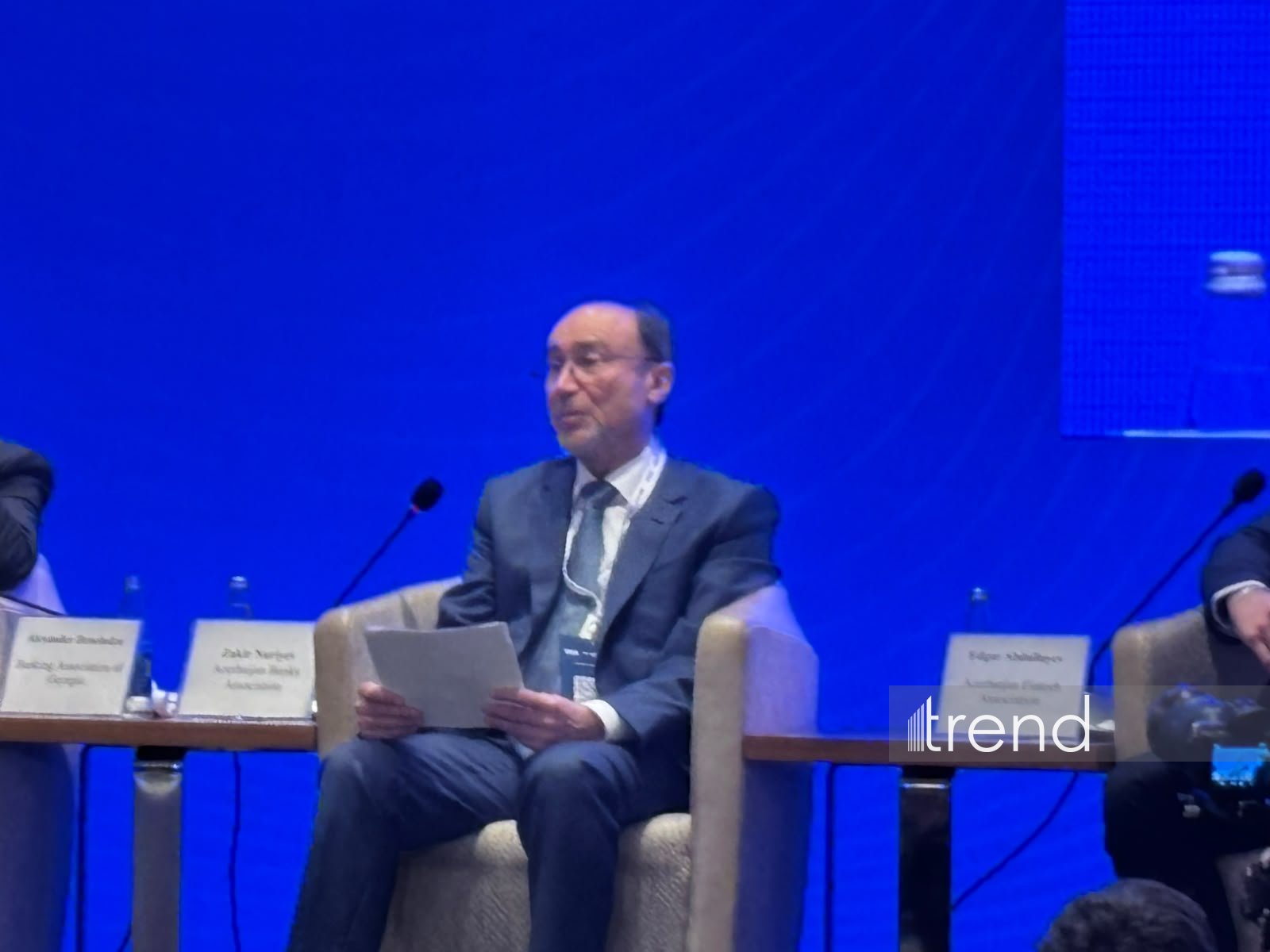
Zakir Nuriyev, Chairman of the Azerbaijan Banks Association, stated that there has been steady growth in key indicators of Azerbaijan’s banking sector, including lending, deposits, capitalization, and the development of non-cash payments.
According to him, expanding access to financial resources through government programs has been identified as one of the key priorities: “This includes the development of mechanisms for agricultural lending, agricultural insurance, subsidies, guarantees, and preferential lending, as well as support for relevant institutional instruments.”
Nuriyev noted that the volume of loans provided by state funds across all sectors reached 1.2 billion manats during the reporting period.
He reported that the banking sector’s deposit portfolio continues to grow and has exceeded 37.8 billion manats, increasing by 2.8% year-over-year.
"Deposits from individuals grew by 18.7% and reached 17.3 billion manats, which indicates that public confidence in the banking system remains strong and that banks’ resource base is strengthening. A decline in the level of dollarization was also recorded: the share of foreign currency deposits fell to 35.7%, and the share of foreign currency savings to 30.2%," he said.
According to him, the banking sector’s capital reached 7.7 billion manats, an increase of 9.7%, reflecting the further strengthening of banks’ financial stability.
Nuriyev noted the rapid growth of digital payments: “In the first four months of 2026, the volume of payment card transactions reached 49.4 billion manats, an 11% increase compared to the same period last year.”
“The volume of non-cash transactions grew from 29.9 billion to 34.5 billion manats. As a result, the share of non-cash payments in the total volume of card transactions increased from 67.1% to 69.9%,” he noted.
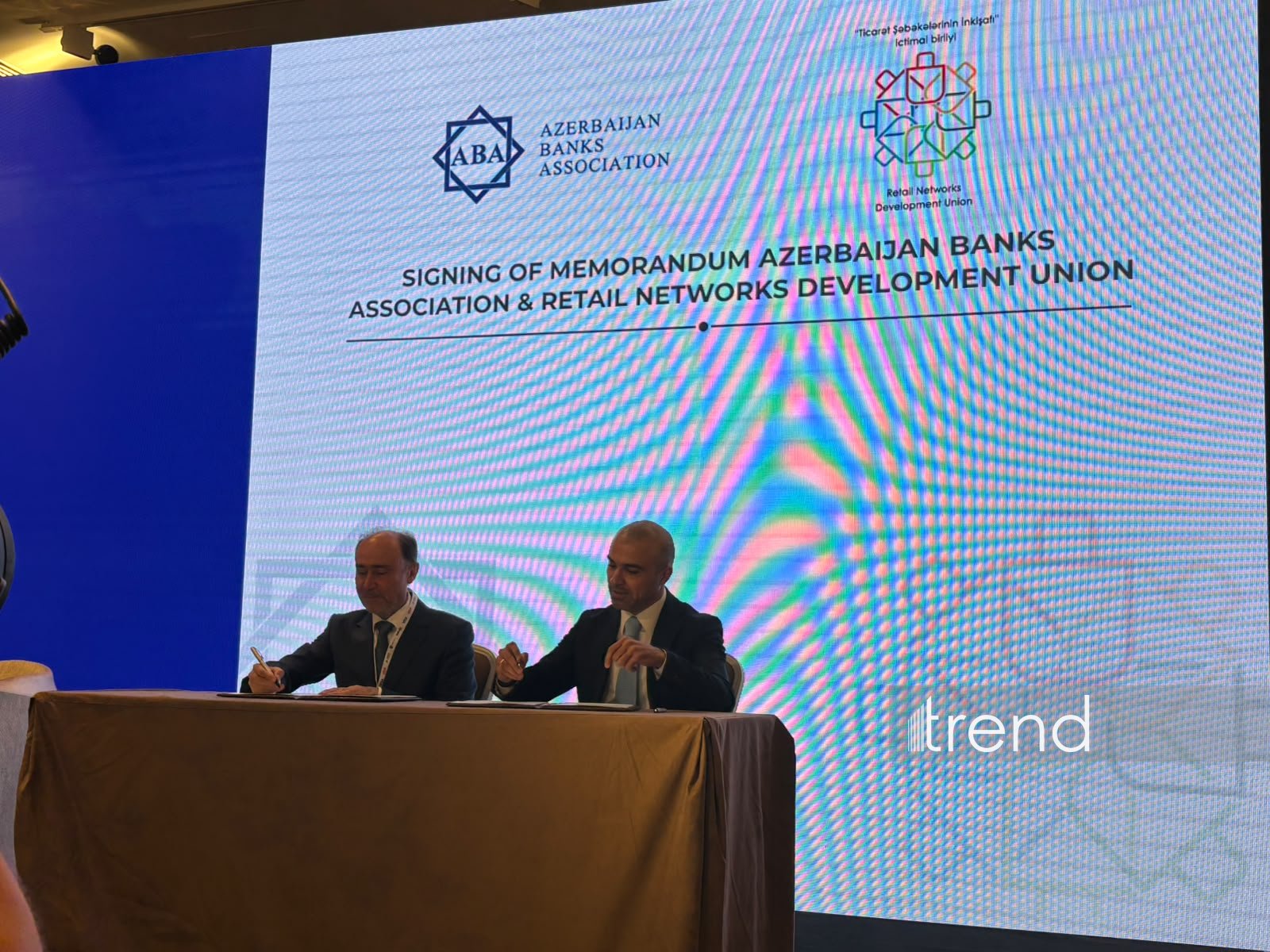
During the event, a memorandum of understanding was signed between the Azerbaijan Banks Association and the Retail Networks Development Union.
A memorandum was also signed between VISA and the National Olympic Committee of Azerbaijan. The main objective of the memorandum is to develop digital payment solutions, introduce innovative financial technologies in the sports sector, and expand cooperation on international projects.
In addition, the Azerbaijan Fintech Association and the Central Asia Fintech Association signed a memorandum of cooperation. The document aims to develop the financial technology ecosystem in the region, implement innovative solutions, and strengthen the mutual exchange of expertise. This partnership will contribute to expanding the reach of digital financial services and creating new business opportunities in both Azerbaijan and the countries of Central Asia.
The summit will continue tomorrow.