


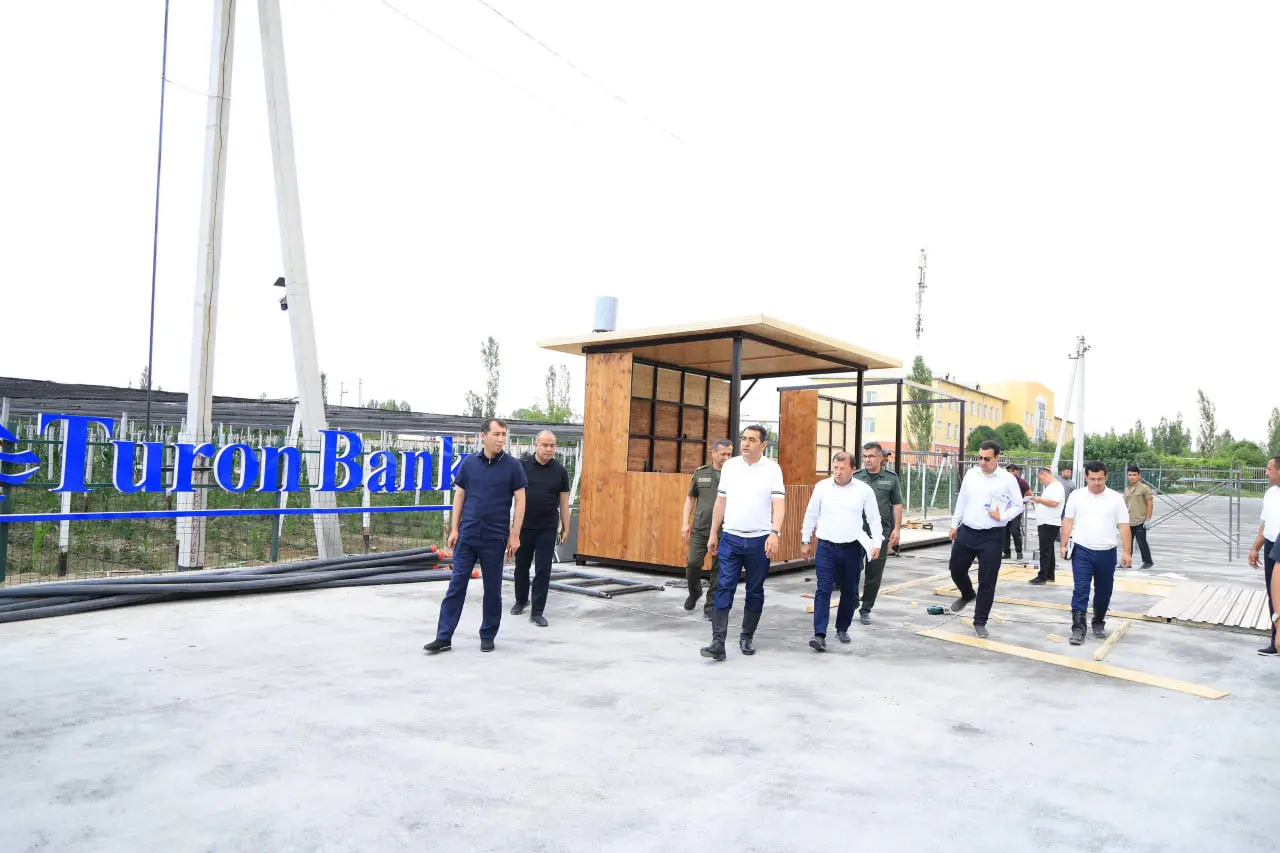

BAKU, Azerbaijan, June 13. Uzbekistan’s Fergana Region is advancing a large-scale raspberry cultivation project aimed at strengthening agricultural exports, generating employment opportunities, and reinforcing the region’s emerging position as a center for berry production.
The announcement was made in a report published by the Fergana Regional Administration following a visit by regional Governor Khayrullo Bozorov to the new raspberry plantation site.
According to the Fergana Region Administration, the project is being developed in the Sanoat neighborhood of Fergana District, and is being implemented by Turon Fargona Boglari LLC with support from Turonbank as part of Uzbekistan's "One Contour — One Product" agricultural development initiative.
''The project involves the development of a 33.2-hectare site and carries an investment value of 10 billion som (about $865 239), financed entirely through the investor's own funds. It was said that the project is expected to create 200 jobs, with full commissioning scheduled by the end of 2026,'' the information says.
The first phase was completed in the first quarter of 2026, when the company established part of the plantation using water-saving technologies and planted high-yield raspberry varieties imported from abroad, including Maravilla and Delniva.
Developers plan to expand raspberry cultivation to 28.2 hectares by the end of this year.
According to project data, establishing a raspberry plantation requires investments of approximately 300 million soums per hectare, with around 12,000 high-yield seedlings planted on each hectare.
The harvested raspberries are expected to be exported primarily to Kazakhstan, Russia, Türkiye, China, and European markets, supporting Uzbekistan's efforts to diversify agricultural exports and increase the value of processed and fresh produce shipments abroad.
Furthermore, during the visit, Bozorov reviewed the project's progress and provided recommendations for its further development.
Raspberry cultivation has become an increasingly important source of income across dozens of communities in Fergana District in recent years. Local authorities attribute the sector's growth to the adoption of innovative farming practices and international agricultural expertise, which have helped improve productivity and strengthen export potential.



