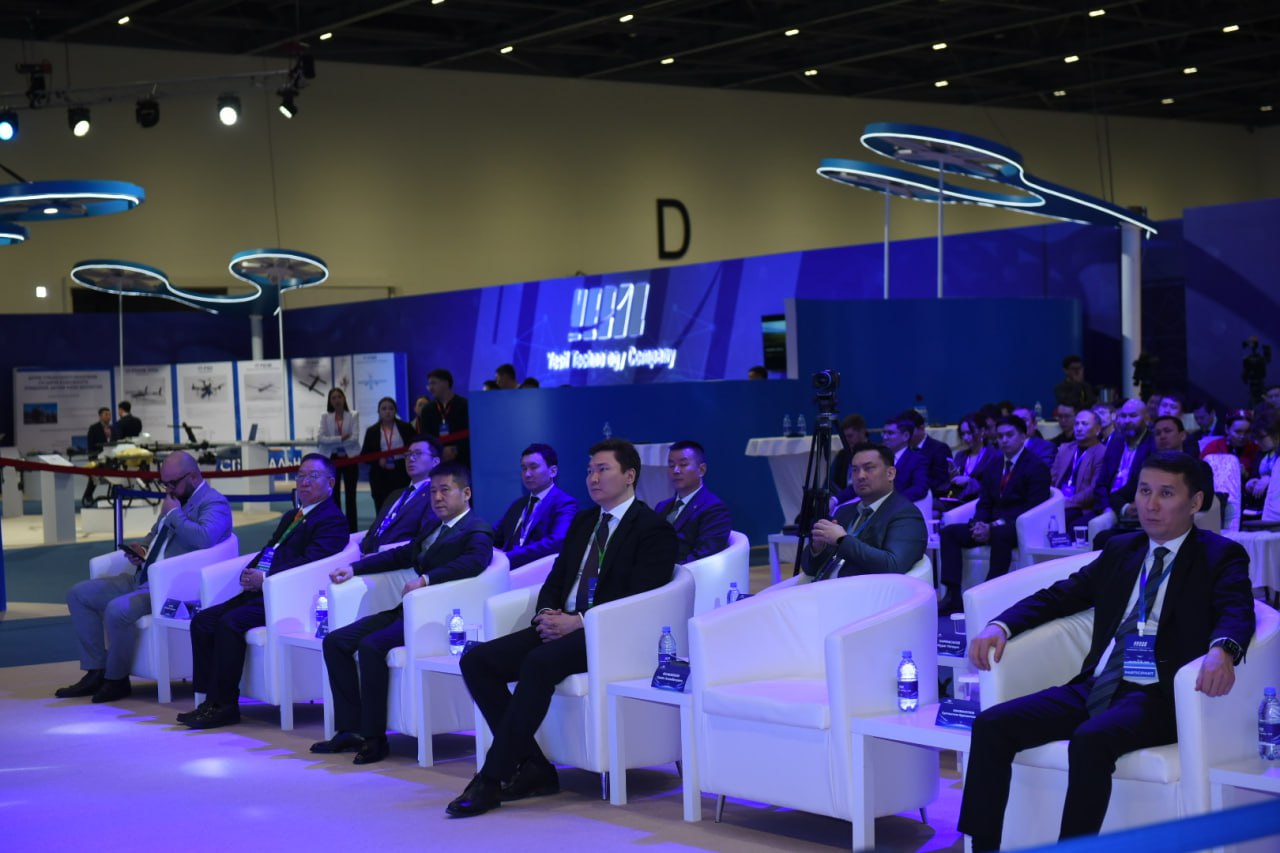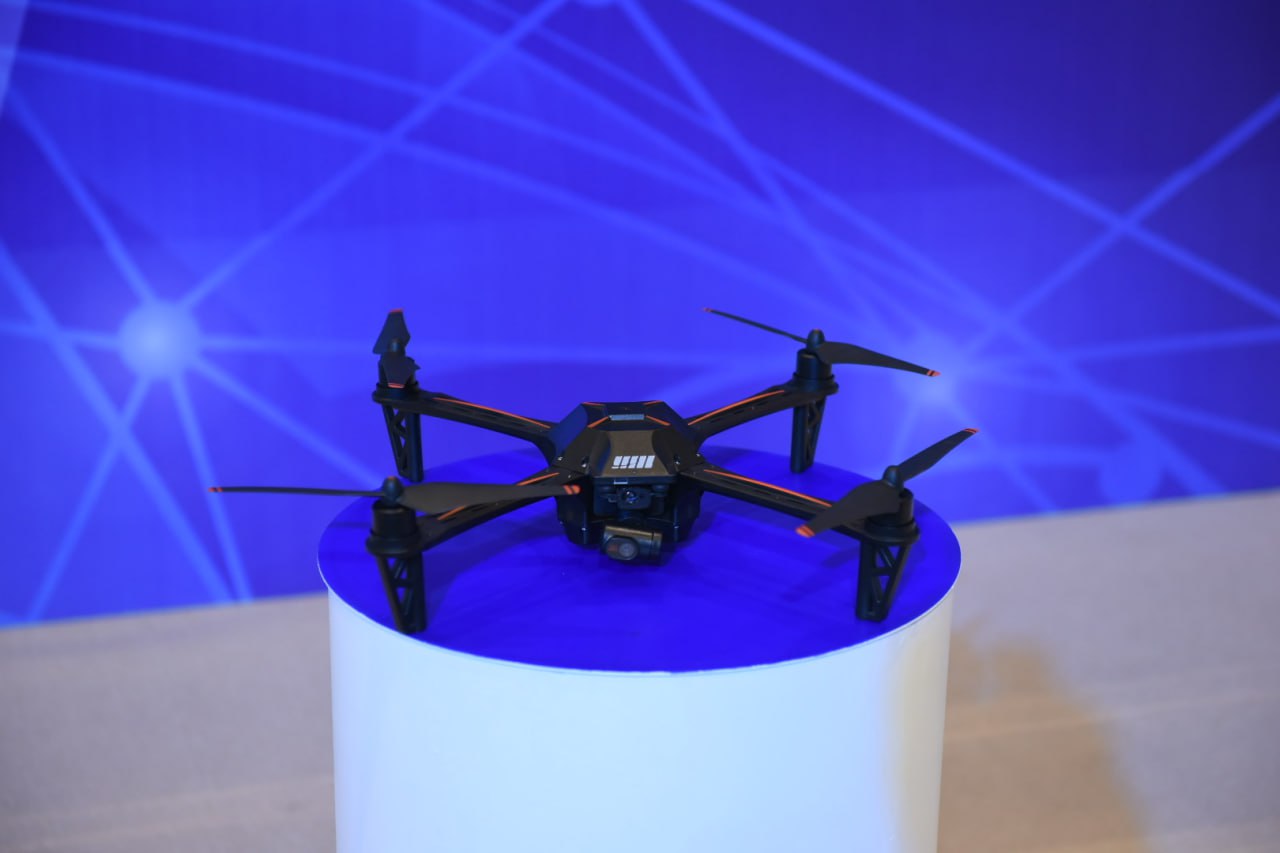

ASTANA, Kazakhstan, January 16. With the support of KAZAKH INVEST, Yesil Technology Company will establish the production of industrial unmanned drones in Kazakhstan, Trend reports
The project involves the construction of an industrial and
research area of 50,000 square meters. The zone will include a
workshop for the production of batteries, a research center for
innovative technologies, full-cycle machine storage, a test site
for aircraft, and more. It is expected that the launch of
production will create 500 jobs. The total investment will amount
to approximately $12 million. The products will be supplied to
local markets as well as to markets in Central Asian countries.
“The low-altitude economy, as a new area in the economy,
is changing the global industrial structure due to its unique
advantages. Many sectors effectively apply various types of
low-altitude aircraft, creating new avenues for economic
development. From agriculture and forest protection to logistics,
from geodesy to emergency rescue operations, the range of
applications for the low-altitude economy is constantly expanding,
and its potential is limitless,” said Yerzhan Yelekeyev,
Chairman of the KAZAKH INVEST Management Board.
Yesil Technology is not only focused on product renewal and
improvement but also takes on an important mission to train local
personnel in unmanned aerial vehicle technology. We will work
closely with scientific organizations and companies to develop
training programs so that technologies are strengthened and
personnel can improve their skills,” said Yongning Hui,
Head of Yesil Technology.
Yesil Technology, a subsidiary of the Chinese Shaanxi Kaizhuo
Electronic Technology Co., Ltd., was established in March 2024. As
a leader in the field of smart solutions for drones in low-altitude
industries, the company focuses on developing communication links
for unmanned aerial vehicles and producing ready-made devices. The
company aims to deeply integrate advanced UAV technologies into
agricultural monitoring, environmental protection, the protection
of special facilities, emergency rescue operations, counteracting
UAVs, and other areas of application.
According to the World Federation of Unmanned Aerial Vehicles, the
global low-altitude economy market reached $318.64 billion in 2024,
and by 2050, this figure is expected to exceed $8.8 trillion. In
China, for example, the market volume of the low-altitude economy
in 2023 was $68.65 billion, and in 2024, it is projected to reach
$79 billion, with an average annual growth rate of 16.03 percent
over the next five years. Behind these impressive figures is the
widespread and deep integration of unmanned aerial vehicles across
various fields.