


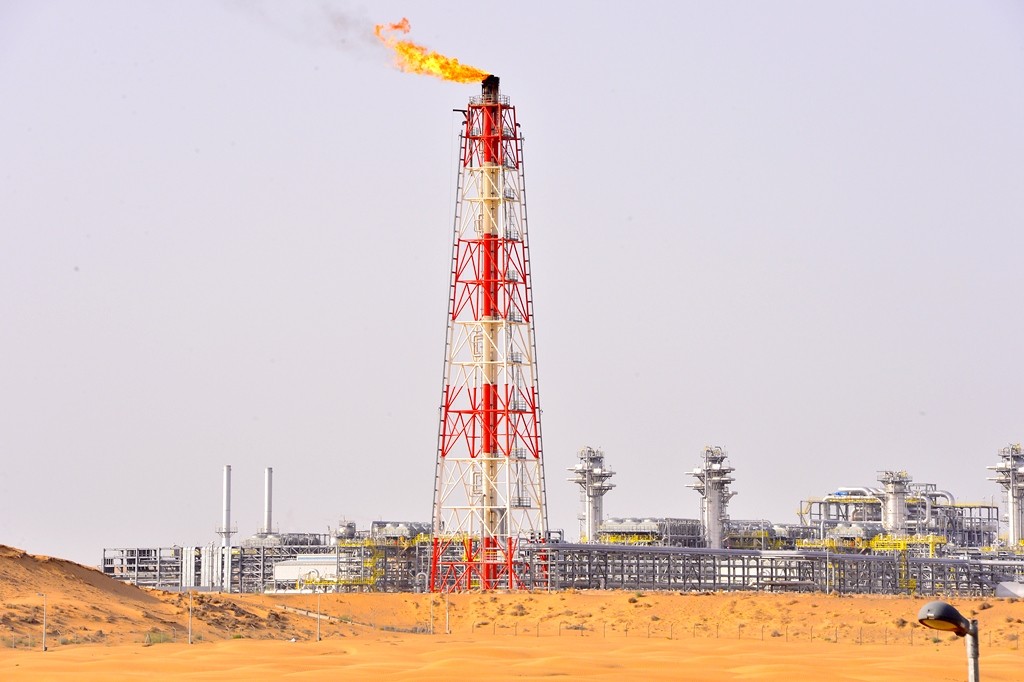

ASHGABAT, Turkmenistan, April 8. Turkmenistan will build a new modern settlement in the Imambaba rural council area of the Yoloten district in the Mary region, in proximity to the Galkynysh gas field to ensure logistical accessibility to the field and surrounding industrial facilities, Trend reports via the press service of the Turkmen Government.
The corresponding decree was signed by President of Turkmenistan Serdar Berdimuhamedov in line with the National Program of Socio-Economic Development of Turkmenistan for 2022-2052.
The decision comes amid preparations for expanded industrial activity at the Galkynysh field, where China National Petroleum Corporation (CNPC) is expected to start the development works. The upcoming large-scale operations are expected to significantly increase workforce activity at the site.
Given the remote desert location of the field and the anticipated growth in personnel involved in extraction and related services, the new settlement is intended to provide housing and basic infrastructure support for workers operating in the area, as it is meant to be in accordance with the national program for socio-economic development, which focuses on regional infrastructure development, improvement of living standards across the country.
Under the decree, construction will be carried out in stages between 2026 and 2030. The Ministry of Construction and Architecture is tasked with preparing a master plan within three months and establishing a dedicated body to oversee implementation and construction works.
For reference, the Galkynysh gas field in Turkmenistan’s Mary Province is one of the largest onshore natural gas deposits in the world. Discovered in 2006, the field has estimated in-place gas resources of up to around 27.4 trillion cubic metres, including adjacent deposits, and is a cornerstone of the country’s energy sector. Production at Galkynysh began in the early 2010s, with initial facilities coming online around 2013. The field’s development is central to Turkmenistan’s strategy to expand gas output and infrastructure, and it has been linked to major export initiatives such as the proposed Turkmenistan-Afghanistan-Pakistan-India (TAPI) pipeline.



