


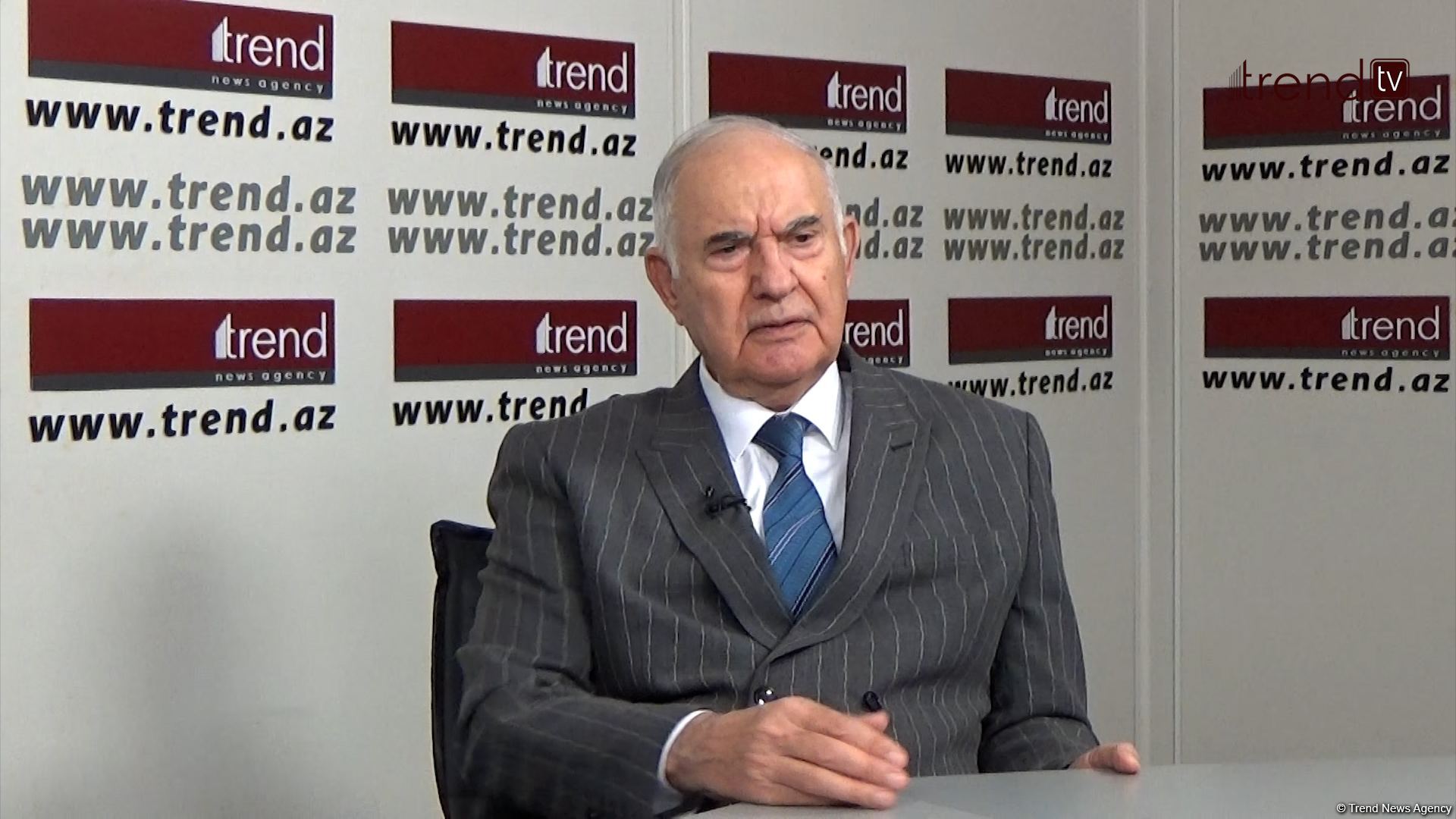
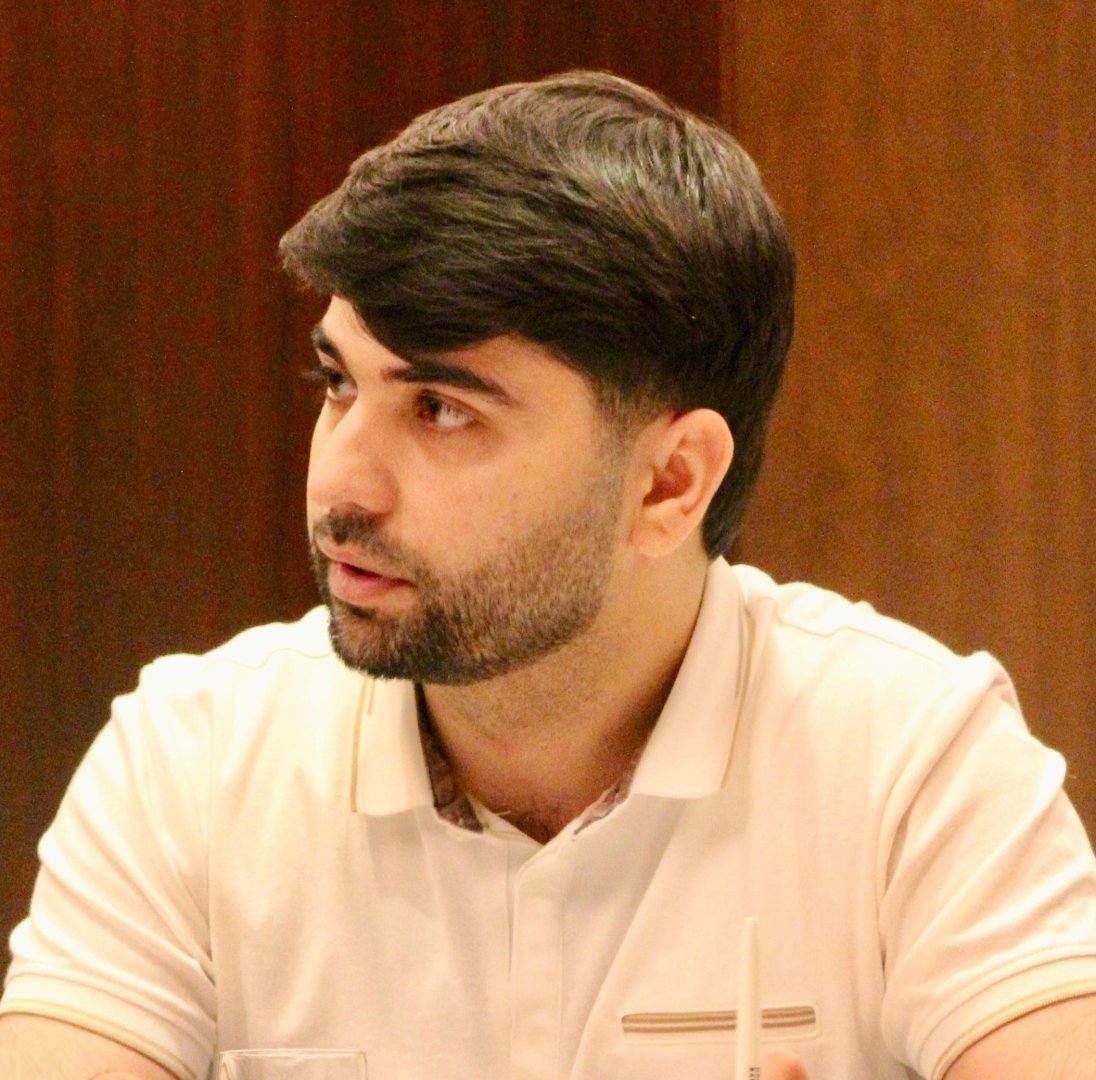
BAKU, Azerbaijan, May 9. There are figures in Azerbaijan’s modern history whose legacy extends far beyond the political events of a specific era, political analyst Azer Garayev told Trend.
According to him, the work of such leaders shapes the future of the state, influences the development of national identity, and becomes a turning point in the history of an entire nation. National leader Heydar Aliyev is regarded as one of those historic figures. Today, his name remains closely associated with Azerbaijani statehood, political stability, national security, and strong governance.
Garayev noted that May 10, 2026, marks the 103rd anniversary of Heydar Aliyev’s birth. Despite the passage of time, he said Aliyev’s philosophy of governance, political legacy, and strategic vision continue to play an important role in Azerbaijan’s socio-political life.
He said one of the most significant aspects of Aliyev’s political career was the formation of the state security system and the implementation of a personnel policy based on national interests and professional expertise. Aliyev understood even during the Soviet era that statehood depended not only on economic development and political administration, but also on a strong security system, strategically minded leadership, and highly qualified Azerbaijani professionals, Garayev added.
Garayev noted that Aliyev began working in state security agencies in 1944 and quickly distinguished himself through professionalism, discipline, and management skills. At the time, the Soviet security apparatus was among the most closed and tightly controlled institutions in the USSR, and representatives of Soviet republics rarely advanced to senior positions. Azerbaijanis, in particular, had minimal representation in strategic state structures.
“In such a difficult period, Heydar Aliyev’s rise to leadership positions in the security system was not only a personal achievement, but also a demonstration of the Azerbaijani people’s intellectual and national potential,” he said.
He added that Aliyev’s appointment as chairman of the Azerbaijan SSR State Security Committee in 1967 marked a major stage in the country’s political and security history. After his appointment, systematic efforts were launched to train Azerbaijani professionals within the security agencies.
Garayev said Aliyev promoted Azerbaijani youth in strategic sectors at a time when non-national cadres dominated major Soviet institutions. Under his initiative, hundreds of young Azerbaijanis were sent to prestigious universities in Moscow, Leningrad, Kyiv, Minsk, and other Soviet cities to study law, security, military administration, and intelligence-related fields.
He described the policy as part of Aliyev’s long-term vision for building Azerbaijan’s future national security system around professionals committed to national interests.
Many Azerbaijanis who later served in Soviet security structures entered the system through Aliyev’s support, Garayev said. He added that Aliyev closely monitored their education, service, and professional development, while experienced specialists were later brought back to Azerbaijan and appointed to key state positions.
As a result of that policy, the number of professional Azerbaijani personnel in the country’s security and law enforcement agencies increased significantly during the 1970s and 1980s, he said. Many officials who later played important roles in independent Azerbaijan emerged from that system.
Garayev also highlighted Aliyev’s appointment in 1969 as first secretary of the Central Committee of the Communist Party of Azerbaijan, saying it marked the beginning of a new phase in the republic’s development. During that period, industrial growth accelerated, new factories were launched, agricultural productivity increased, and major progress was made in science and education.
“One of the most important aspects was the emphasis on professionalism in governance,” Garayev said, adding that Aliyev strengthened discipline in public administration and made the promotion of Azerbaijani professionals a priority.
He argued that Aliyev understood a strong human capital base was essential for Azerbaijan’s future as an independent state.
Garayev also pointed to Aliyev’s 1982 appointment as first deputy chairman of the USSR Council of Ministers, saying it demonstrated recognition of his political influence across the Soviet Union. Even while working in Moscow, he said, Aliyev continued focusing on Azerbaijan by supporting economic projects, promoting Azerbaijani specialists, and defending national interests.
Garayev described Aliyev’s resignation in 1987 in protest against Soviet leadership policies as evidence of his principled political stance, particularly in response to what he viewed as biased policies toward Azerbaijan under Soviet leader Mikhail Gorbachev.
He also called Aliyev’s reaction to the January 20, 1990 tragedy one of the most significant political moments in Azerbaijan’s history. Aliyev publicly condemned the Soviet military crackdown in Baku while in Moscow, despite the political risks involved in openly challenging Soviet authorities, Garayev said.
“Despite intense pressure, Heydar Aliyev demonstrated that he stood with his people and publicly condemned the tragedy from both a legal and political standpoint,” he said.
Garayev added that when Heydar Aliyev returned to power in 1993 amid a deep political crisis, chaos, and the threat of civil conflict, he succeeded in restoring stability in a short period of time. State institutions were rebuilt, law enforcement and security systems were strengthened, and major steps were taken toward building the national army, he said.



