



BAKU, Azerbaijan, February 22. European electricity demand surged by 5.7% in 2024, following a year of relatively flat consumption, according to the International Energy Agency (IEA), Trend reports.
Türkiye played a major role in this growth, accounting for 25% of the total increase in European electricity demand. The surge was driven by a significant rise in cooling needs, as the country experienced its hottest summer in 54 years. However, growth is expected to moderate to an annual rate of 2.4% between 2025 and 2027.
In terms of generation, gas-fired power saw the largest decline, dropping by 4.1%. The share of gas in the electricity mix is expected to continue decreasing, from 19% in 2024 to 12% by 2027. In contrast, coal-fired generation rose by 3.5%, though it is projected to experience a 7.5% average annual decline between 2025 and 2027.
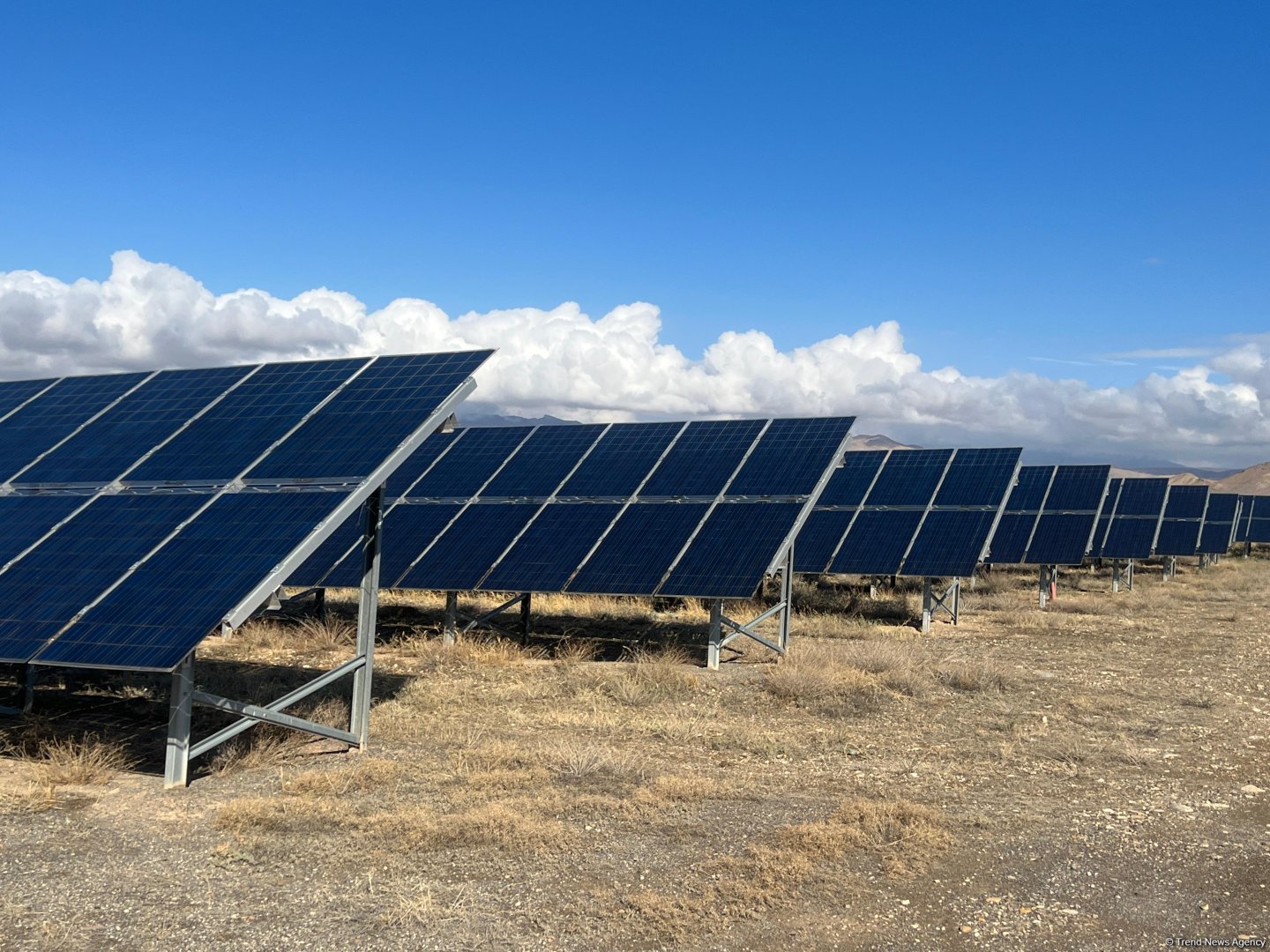
Renewable power generation had a strong year, with hydropower seeing a notable 17% year-on-year increase in 2024, bouncing back after a drought-affected 2023. Solar PV and wind power also saw significant growth, rising by 26% and 10%, respectively. These trends are expected to continue, with solar PV forecasted to grow by an average of 23% annually from 2025 to 2027, contributing to renewables making up 50% of the electricity mix by 2027.
Türkiye is planning a significant expansion of renewable energy, aiming to quadruple its renewable capacity by 2035. The government has set a target to increase renewable energy generation from 30 GW to 120 GW, with an investment of $80 billion in renewable energy and $30 billion in energy infrastructure. Additionally, nuclear energy is expected to play a crucial role in Türkiye’s path to net-zero emissions by 2053. The country’s first nuclear power plant in Akkuyu is slated for completion in 2025, with plans for further nuclear plants in Sinop and the Thrace region.



