


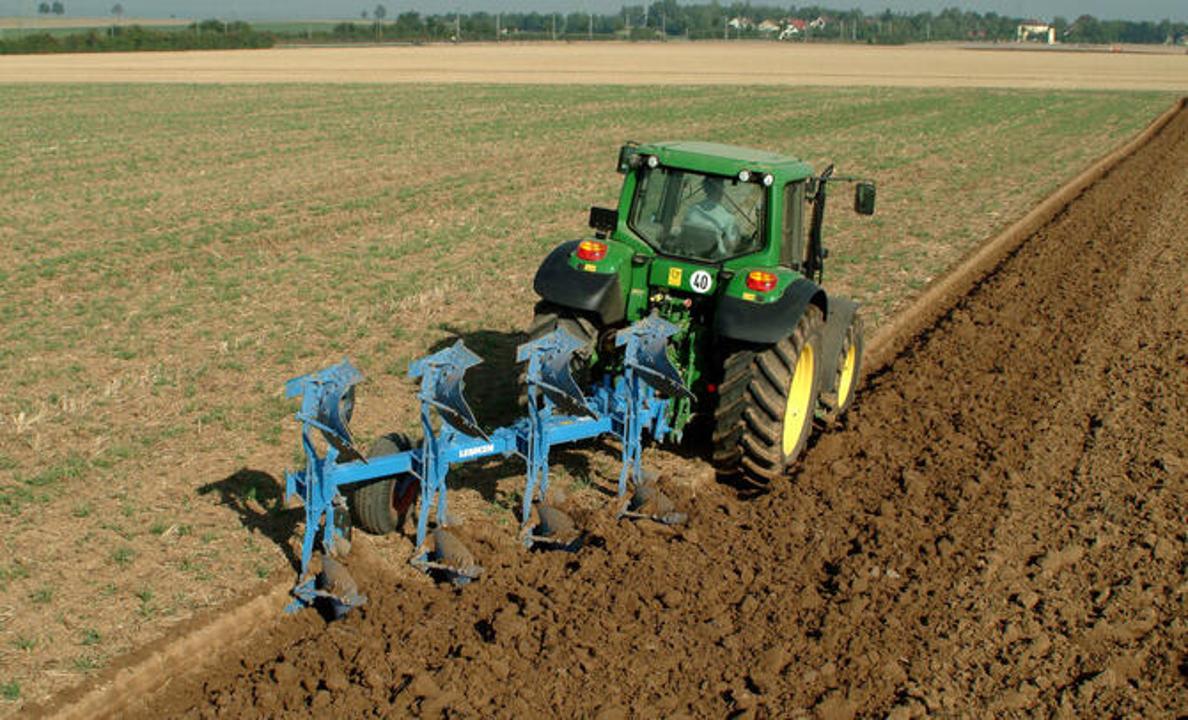

DUSHANBE, Tajikistan, August 8. As of July 1, 2025, repeated sowing of crops in public and dehkan farms (family or individual farming units) of Tajikistan was carried out on 71,606 hectares, which is 4.5 percent less compared to the same period in 2024.
Data obtained by Trend from the country’s Statistical Agency shows that the majority of repeated sowing was recorded in the Khatlon region, with 63,544 hectares of sown crops. In the Sughd region, repeated sowing took place on 4,556 hectares, and in Dushanbe on 37 hectares.
In the cities and districts under republican subordination, repeated sowing was carried out as follows: Tursunzada – 1,164 hectares, Gissar – 625 hectares, Shahrinav district – 537 hectares, Rudaki – 363 hectares, and Vahdat – 419 hectares.
Compared to the same period of last year, sowing increased in Khatlon region by 3.9 percent, in Gissar by 1.6 times, and in Shahrinav district by 44.6 percent. Meanwhile, the area of repeated sowing declined in the Sughd region by 38.9 percent, in Tursunzada by 48.3 percent, in Rudaki by 8.3 percent, and in Vahdat by 1.8 times.
Tajikistan’s gross agricultural output reached 23.853 billion somoni ($2.5 billion) in the first half of 2025, marking a 9.7 percent increase compared to the same period in 2024 (in comparable prices).
Crop production in Tajikistan rose by 9 percent year-on-year to 15.891 billion somoni ($1.7 billion), while livestock output grew by 11.2 percent to 7.962 billion somoni ($855 million).



