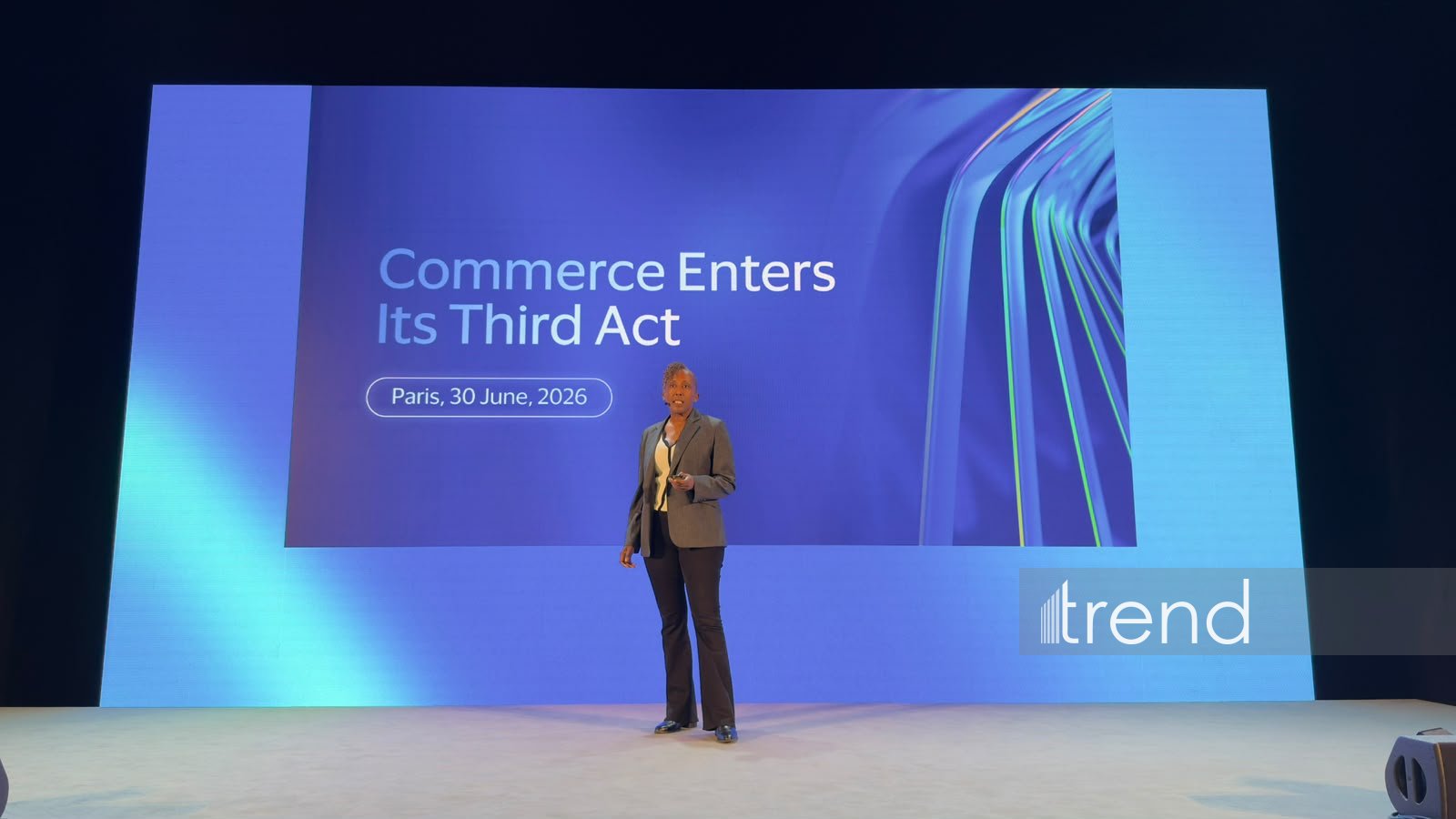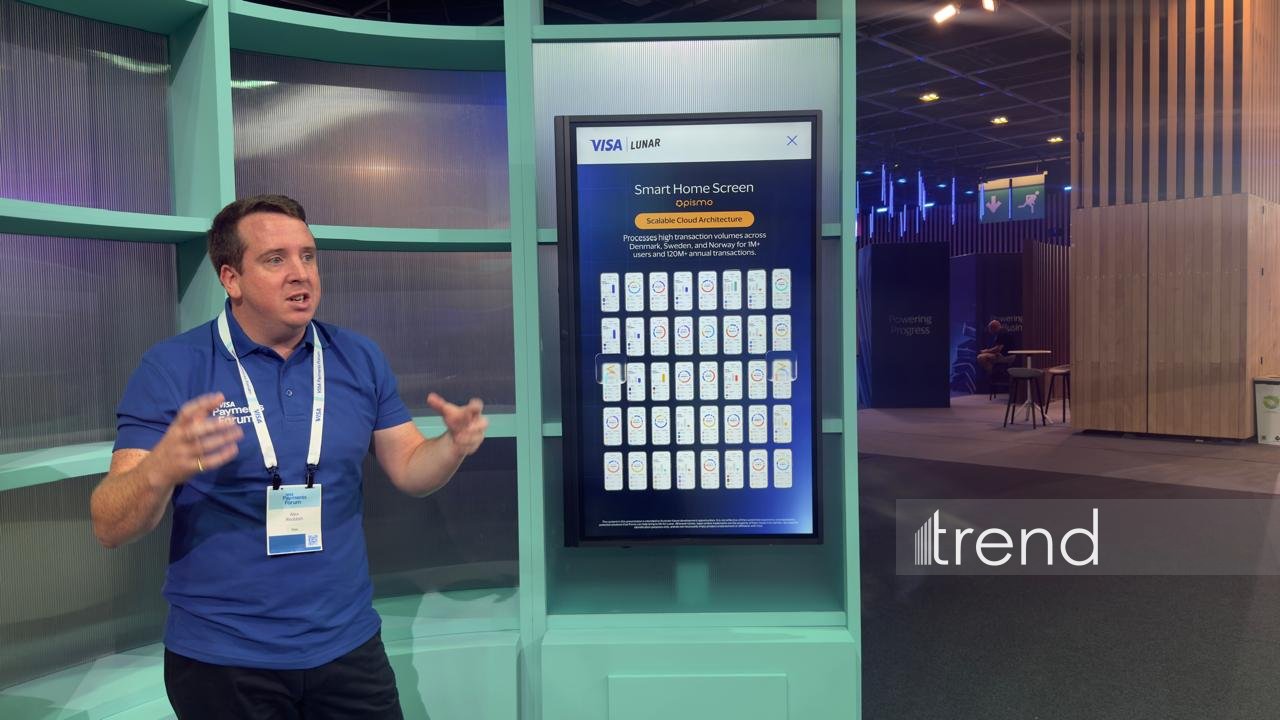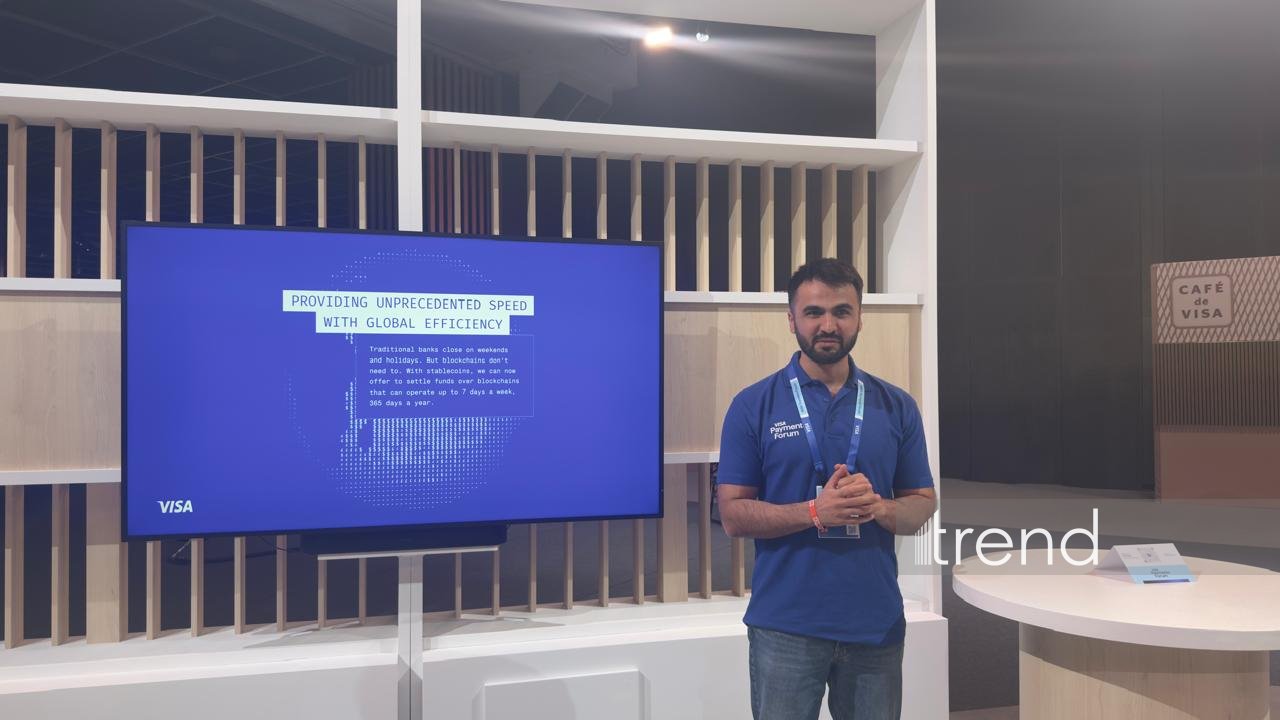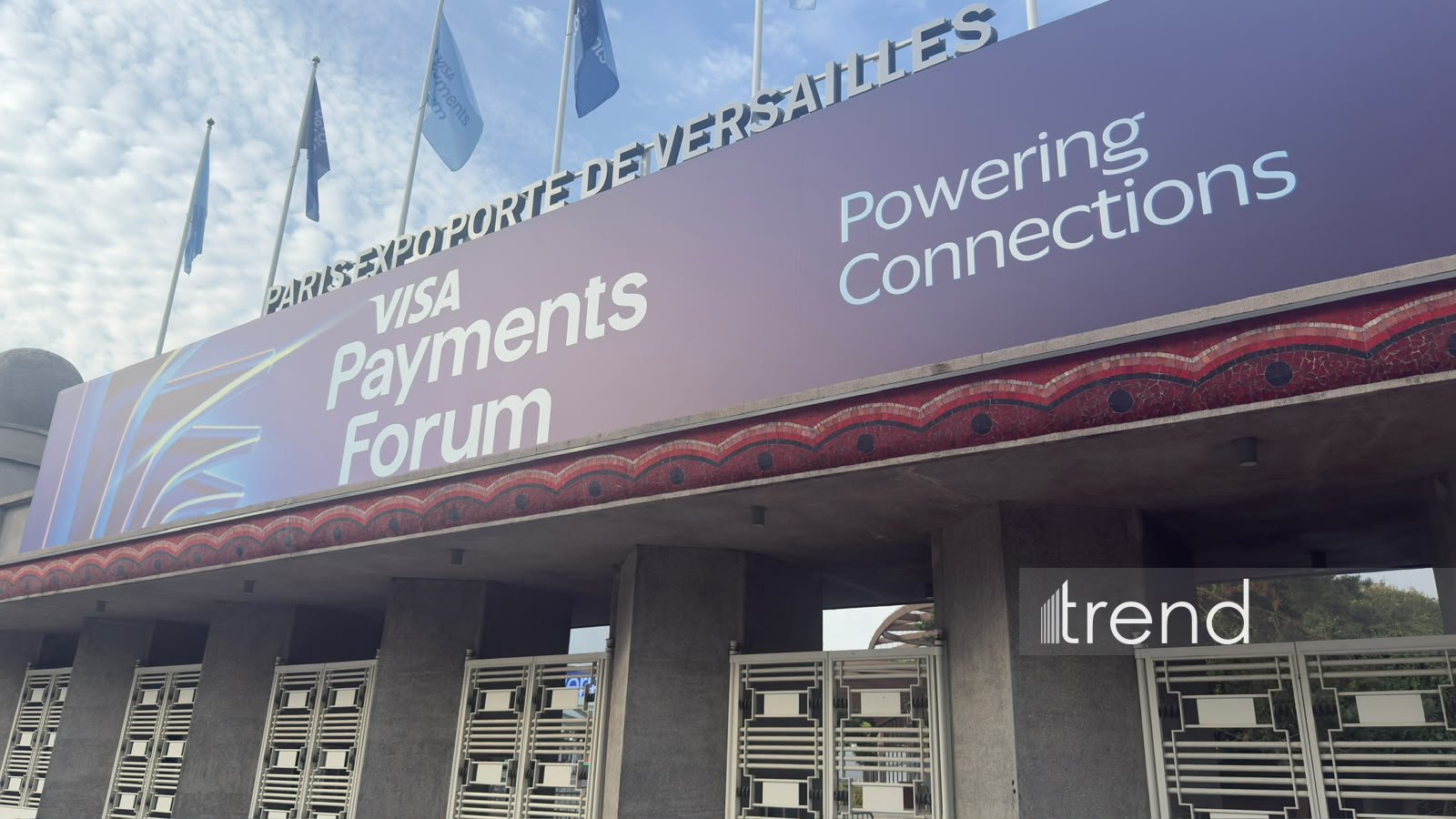

PARIS, France, June 30. Visa Payments Forum 2026 Media Day has been held in Paris.
Trend’s special correspondent reports that the event, which will be held on July 1-2, brings together industry leaders to discuss the next stage in the evolution of payments and commerce, with a particular focus on agentic commerce and emerging digital payment technologies.
This year’s forum explored what the company describes as the third era of payments innovation — agentic commerce — which is expected to reshape how transactions are initiated, secured and experienced.
The Media Day provided participants with an opportunity to hear directly from Visa leadership on trends shaping the future of payments and commerce, as well as learn about the company’s latest products and technology developments.
The program included discussions on the global payments agenda, cybersecurity challenges in the age of artificial intelligence, digital and agentic commerce, and the future of customer payment experiences.
Among the key sessions, “Powering the Way SMBs Pay and Get Paid” examined how Visa is helping small and medium-sized businesses simplify both accepting and making payments. The session focused on tools designed to reduce barriers to digital payment acceptance and improve the speed, security and flexibility of business-to-business transactions.
Another session, “Transforming the Front End and Back End of Commerce,” looked at how agentic commerce and stablecoins are influencing payments across Central and Eastern Europe, the Middle East and Africa (CEMEA), including the role of AI in commerce and the use of digital assets for faster value transfer.
Agentic commerce
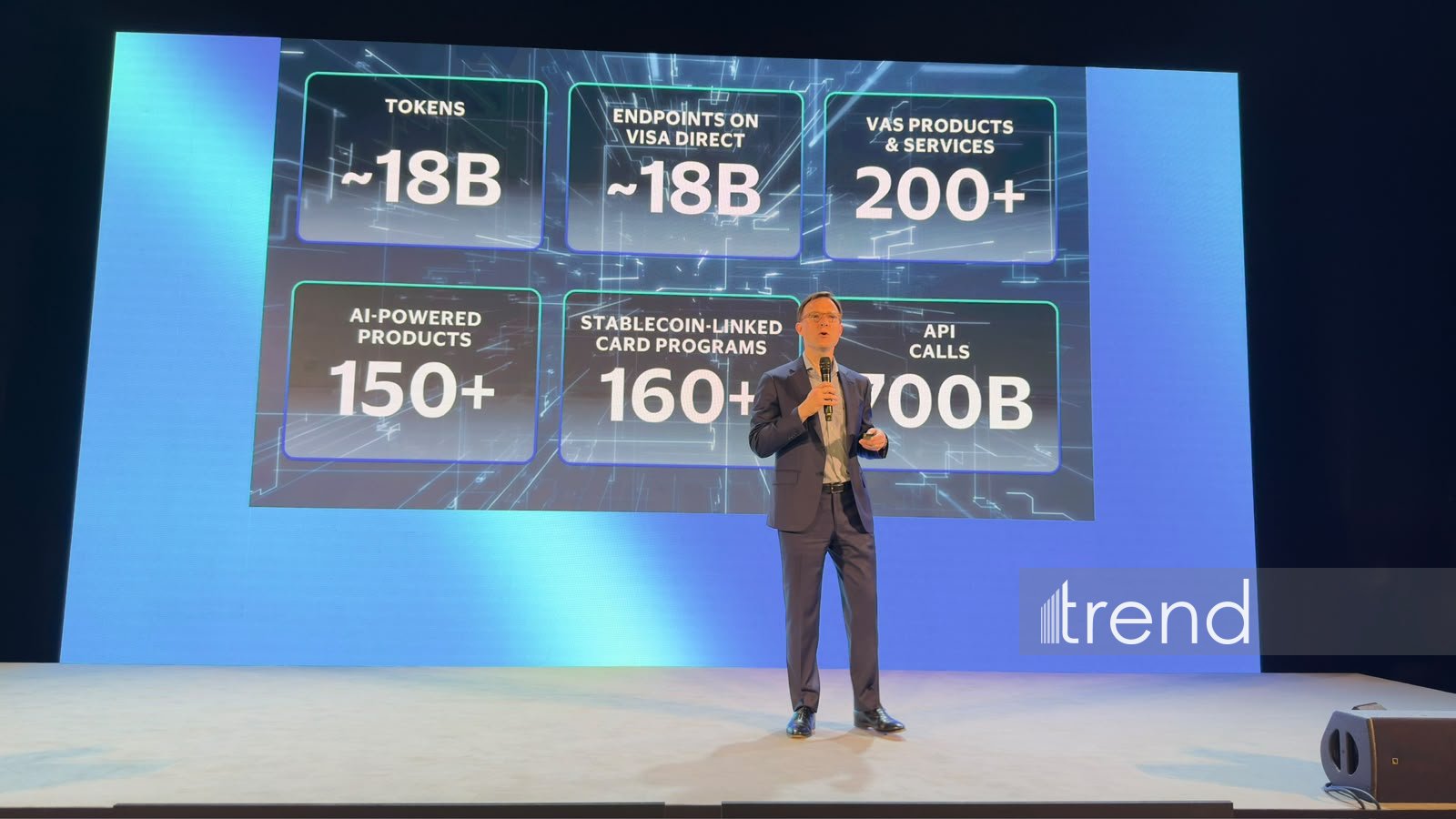
Speaking at the event Visa's Group President, Oliver Jenkyn said that agentic commerce, in which AI agents will make purchases on behalf of users, will be the next stage in the development of digital commerce and payments.
According to him, artificial intelligence has the potential to significantly accelerate the digitization of payments worldwide, though a high degree of uncertainty still surrounds generative AI.
“During closed-door meetings with executives from major companies around the world, I constantly hear the same questions. Companies are afraid of falling behind in the development of artificial intelligence; they’re trying to understand where it actually delivers economic benefits; they’re interested in the extent to which Visa’s solutions already use AI; and, finally, they’re asking how to prepare for the era of agent-driven commerce,” Jenkyn said.
In his view, intelligent agents will be able to make purchases independently on behalf of both consumers and businesses in the very near future.
“I am absolutely convinced that in the coming years, agents will purchase goods and services on our behalf. It is not yet clear who exactly will develop such solutions, on which platforms they will operate, or which categories of purchases they will cover first. But this area will develop rapidly,” he noted.
As an example, Jenkyn described a possible scenario for using such services. According to him, users will be able to provide the AI with secure payment data, information about their preferences, purchase history, and loyalty programs, as well as set restrictions — for example, specifying approved merchants or spending limits. This will allow artificial intelligence to make decisions that take the owner’s individual preferences into account.
At the same time, Jenkyn emphasized that the widespread adoption of agent-based commerce will require resolving several technological, behavioral, and legal issues.
“Today, the internet is designed for people, not for AI agents. We need new standards, protocols, and interfaces that will allow agents to interact safely with digital commerce. In addition, users will need time to get used to the idea that artificial intelligence can make purchases. It is equally important to define liability rules in cases where AI makes a mistake while making a purchase,” he said.
Despite the existing challenges, Jenkyn expressed confidence that agency commerce will become just as significant a milestone in the industry’s development as e-commerce and mobile commerce were in the past.
“It’s inevitable. Agency commerce will radically change how consumers interact with digital commerce. If the industry starts investing in the necessary technologies and infrastructure now, these changes will benefit all market participants,” he concluded.
Trust in payments
Senior Vice President of Product and Solutions at Visa, Mehret Habteab said that Visa online retail loses up to 260 billion euro annually due to abandoned purchases.
According to her, the volume of online purchases today amounts to trillions, and the number of payment instruments and fraud protection systems continues to grow. However, a significant portion of transactions are abandoned at the checkout stage.
"Despite all this development, two out of three online purchases are abandoned. This means consumers begin the purchasing process but do not complete it," Habteab noted.
She emphasized that the industry losses due to abandoned transactions are estimated at approximately 260 billion euro annually.
According to the Visa representative, ensuring trust in payments is a key challenge in the context of the new wave of digital commerce, including generative artificial intelligence (AI), smart devices, and automated shopping scenarios.
"For the next wave of commerce to scale, people must trust the payments that happen in the background," she said.
Habteab noted that payment scenarios are increasingly expanding beyond traditional online stores and into social media, digital wallets, connected devices, and agent commerce systems.
Moreover, she noted that on social media, users want to make purchases without leaving the app, while digital wallets have already become full-fledged platforms with financial services, loyalty, and search features.
Mehret Habteab also emphasized the role of connected devices, from wearables to cars and televisions, which are increasingly becoming standalone payment tools.
Habteab emphasized the development of agent commerce, where purchases are processed by AI agents on the user's behalf, from searching and booking to paying for services, without leaving the app interface.
She also noted that the growing number of retail channels leads to the fragmentation of users' digital identities, which complicates risk assessment and increases the burden on security systems.
"Users make purchases through multiple channels and accounts, sometimes creating multiple profiles with the same merchant. This leads to identity fragmentation and complicates the verification of legitimate activity," she said.
An additional risk factor, she noted, is the rapid growth of AI-based fraud, which is increasing exponentially every year.
In response to these challenges, Visa is developing a "built-in trust" strategy, which aims to minimize friction during the payment process while simultaneously enhancing security.
Key elements of this strategy include improved transaction data quality, seamless biometric authentication, and expanded use of tokenization.
According to Habteab, improved data allows issuing banks to make more accurate decisions when authorizing payments, reducing denial rates without increasing fraud rates. Individual initiatives have already shown a significant impact in Europe, where billions of previously problematic transactions have begun to go through successfully.
She also noted that biometric authentication allows you to confirm the user's identity directly in the device without leaving the purchase process, and the Visa Payment Passkey solution is already working in 19 countries in Europe and 10 countries in the CEMEA (Central and Eastern Europe, the Middle East, and Africa) region.
Tokenization, a technology that replaces card data with secure digital identifiers, is a key focus of the company's strategy.
"Today, 60–70% of online transactions in our network are conducted using tokens, and we see a path to 100%," she pointed out.
According to her, tokenization simultaneously provides a higher level of security and increased efficiency: a 5% increase in successful transactions and a 35% reduction in fraud.
Visa Threat Intelligence Platform
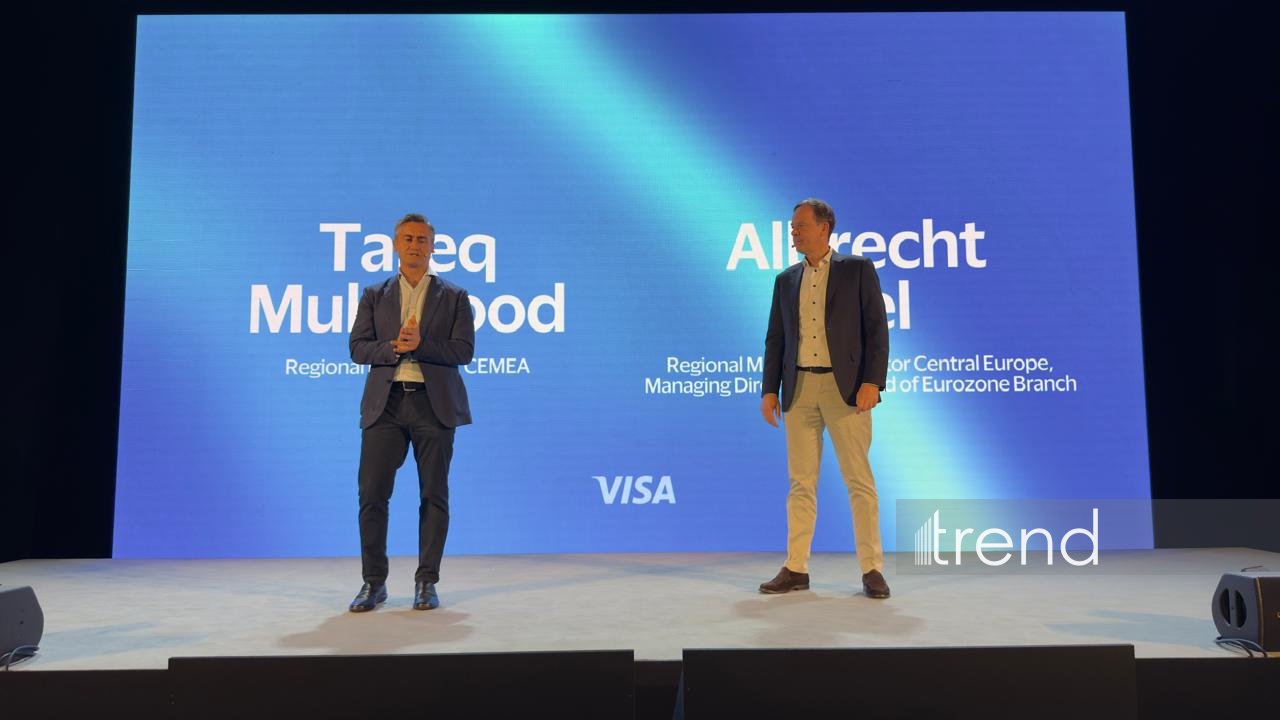
Visa’s Regional President for the Central and Eastern Europe, Middle East, and Africa (CEMEA) region, Tareq Muhmood announced that Visa is launching a new platform, the Visa Threat Intelligence Platform (VTIP).
“This is a system that allows us to analyze customers’ digital environments and identify threats at an early stage,” he said.
Muhmood stated that the level of fraud in the digital payments industry is showing significant growth and goes beyond traditional account hacking schemes.
According to him, the nature of fraud has changed in recent years: instead of classic attacks on accounts, social engineering and identity theft schemes are increasingly being used.
“If we’re talking solely about fraud risks, the level of fraud in our industry is rising significantly. But this is no longer the traditional fraud we’re used to thinking about when accounts are hacked,” Muhmood noted.
He cited data showing that between June and December of last year, the volume of fraud linked to scams and identity theft reached approximately 1 billion euros.
“We saw about one billion euros in scam-related fraud, where someone impersonates another person or steals their identity,” he emphasized.
According to Muhmood, the development of artificial intelligence could further accelerate the spread of such schemes and make them harder to detect.
“With the advent of AI, this will become even easier. The risk environment is changing very rapidly and has already gone beyond the traditional risk landscape,” he noted.
In response to these challenges, Visa is developing a suite of solutions under the Visa Protect brand, which aims to protect not only individual transactions but also the entire payment ecosystem.
Muhmood pointed out that one of the key problems with existing solutions is delayed response to incidents and a lack of structured data for analysis.
“Many clients receive data that is too general and often learn about a problem too late, when attackers have already had time to scale up their activities,” he said.
He noted that VTIP enables a shift from a reactive model to a proactive one by identifying threats before they can scale up.
According to him, this suite of solutions enables Visa and its partners to detect anomalies more effectively and strengthen the protection of the payment infrastructure in the face of rapidly evolving threats.
Additional discussions addressed modernization of commerce infrastructure, the growing use of data and intelligence across payment journeys, and the role of trust, cybersecurity and fraud prevention in increasingly automated and interconnected payment ecosystems.
The agenda also included a marketplace visit.