


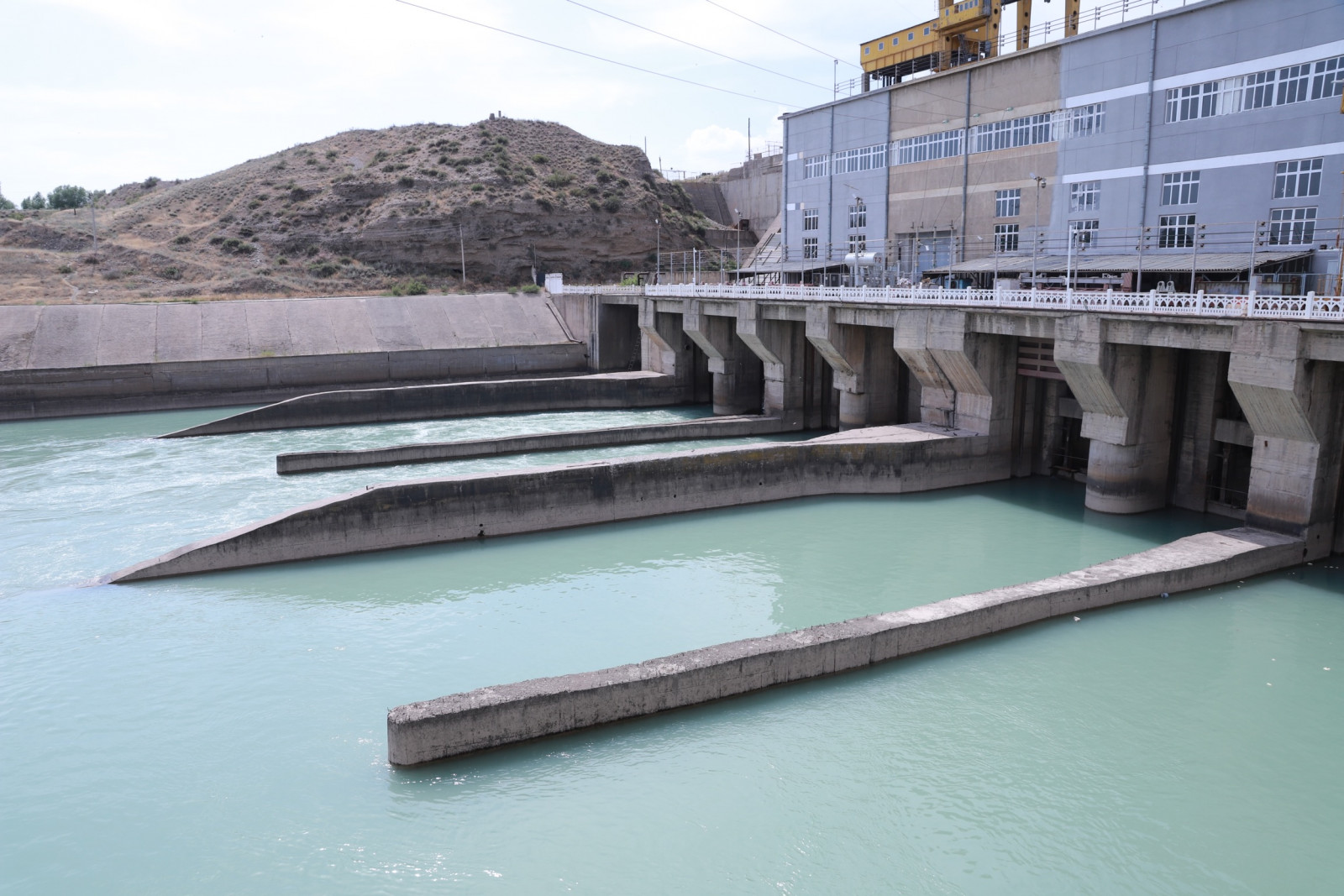

BAKU, Azerbaijan, June 11. Kyrgyzstan is pursuing a dual-track strategy to strengthen its energy sector by expanding renewable energy capacity through international investment while continuing the modernization of its existing hydropower infrastructure.
In this context, the National Investment Agency of Kyrgyzstan and China Energy Engineering Investment Company recently discussed the implementation of renewable energy projects, including the potential construction of solar and wind power plants with a combined capacity of up to 700 MW and an estimated investment volume of up to $1 billion. Simultaneously, Kyrgyzstan is advancing cooperation with Türkiye, Azerbaijan, and other international partners in the field of green energy, reflecting broader efforts to diversify the country's electricity generation mix and reduce dependence on the traditional hydropower-based model.
At present, approximately 90 percent of Kyrgyzstan’s electricity generation is derived from hydropower, which continues to serve as the foundation of the national energy system. However, the sector's heavy reliance on water resources creates seasonal vulnerabilities, as electricity output is closely linked to fluctuations in water inflows. As a result, the country periodically requires additional electricity imports from neighboring states to meet domestic demand.
Against this backdrop, the development of renewable energy sources is increasingly viewed as an important instrument for enhancing the resilience and sustainability of the energy system. Unlike hydropower generation, solar and wind energy projects offer opportunities to diversify the country’s energy portfolio. At the same time, their effective integration into the national power system will require further development of grid infrastructure and balancing mechanisms to ensure a stable and reliable electricity supply.
One of the most significant prospective initiatives is the Chinese proposal to develop solar and wind energy facilities. According to available data, of the total planned capacity of up to 700 MW, approximately 500 MW is expected to derive from solar power plants, with the remaining 200 MW generated by wind facilities.
These planned projects complement ongoing efforts to modernize Kyrgyzstan’s energy sector. The country is undertaking upgrades of existing hydropower infrastructure, including the modernization of the Toktogul Hydropower Plant, which has a capacity of 1,440 MW, while simultaneously expanding generation capacity through new developments, such as the Kambar-Ata-1 Hydropower Plant, projected to deliver around 1,860 MW.
Accordingly, the development of renewable energy in Kyrgyzstan is intended not as a substitute for hydropower but as a means to diversify and optimize the national energy portfolio. Hydropower remains the primary source of electricity, whereas solar and wind energy are positioned as supplementary capacity sources, enhancing system flexibility and resilience.
Another strategic focus is regional energy integration. Kyrgyzstan is evaluating participation in the Caspian Green Energy Corridor initiative, which could open new opportunities for the export of clean energy and strengthen the country’s integration into broader regional electricity supply networks.
During discussions with Azerbaijan, the parties considered the use of Kyrgyzstan’s hydropower potential to expand cooperation in green energy. Meanwhile, Kyrgyzstan is also strengthening ties with Turkish companies, including ZENA Enerji, which operates in solar energy, project development, and the construction of renewable energy facilities.
The expansion of new generation sources is also linked to the need to upgrade grid infrastructure. Kyrgyzstan is implementing projects to modernize substations and energy equipment, including the replacement of power transformers and increasing the capacity of transmission facilities. Without parallel development of the grid system, the growth of new generation capacities could face limitations in electricity transmission to consumers.
At the same time, Kyrgyzstan’s energy transformation depends on several factors, including investment volumes, project implementation timelines, equipment availability, infrastructure management efficiency, and the pace of domestic electricity demand growth.
Under a scenario of accelerated implementation of renewable energy projects and grid modernization, Kyrgyzstan could achieve a more diversified energy system combining hydropower with solar and wind generation. Such a scenario could expand opportunities to cover peak demand and create additional conditions for electricity exports.
A baseline scenario assumes gradual project development with the phased commissioning of new capacities. In this case, the structure of the energy system would change progressively while maintaining hydropower as the dominant source of electricity generation.
If investment processes slow down or construction of new facilities faces delays, the country may remain dependent on its existing energy model for a longer period, with electricity availability continuing to be largely influenced by hydrological conditions and the condition of existing infrastructure.
Another possible scenario involves shifting priorities toward the modernization of existing hydropower plants and improving the efficiency of the current system rather than rapidly expanding new generation capacities.
Overall, the development of renewable energy in Kyrgyzstan represents a new stage in the transformation of the country’s energy sector. The final structure of the energy system will depend on the pace of project implementation, investment support, and the country’s ability to simultaneously develop generation capacity, grid infrastructure, and regional energy cooperation.



