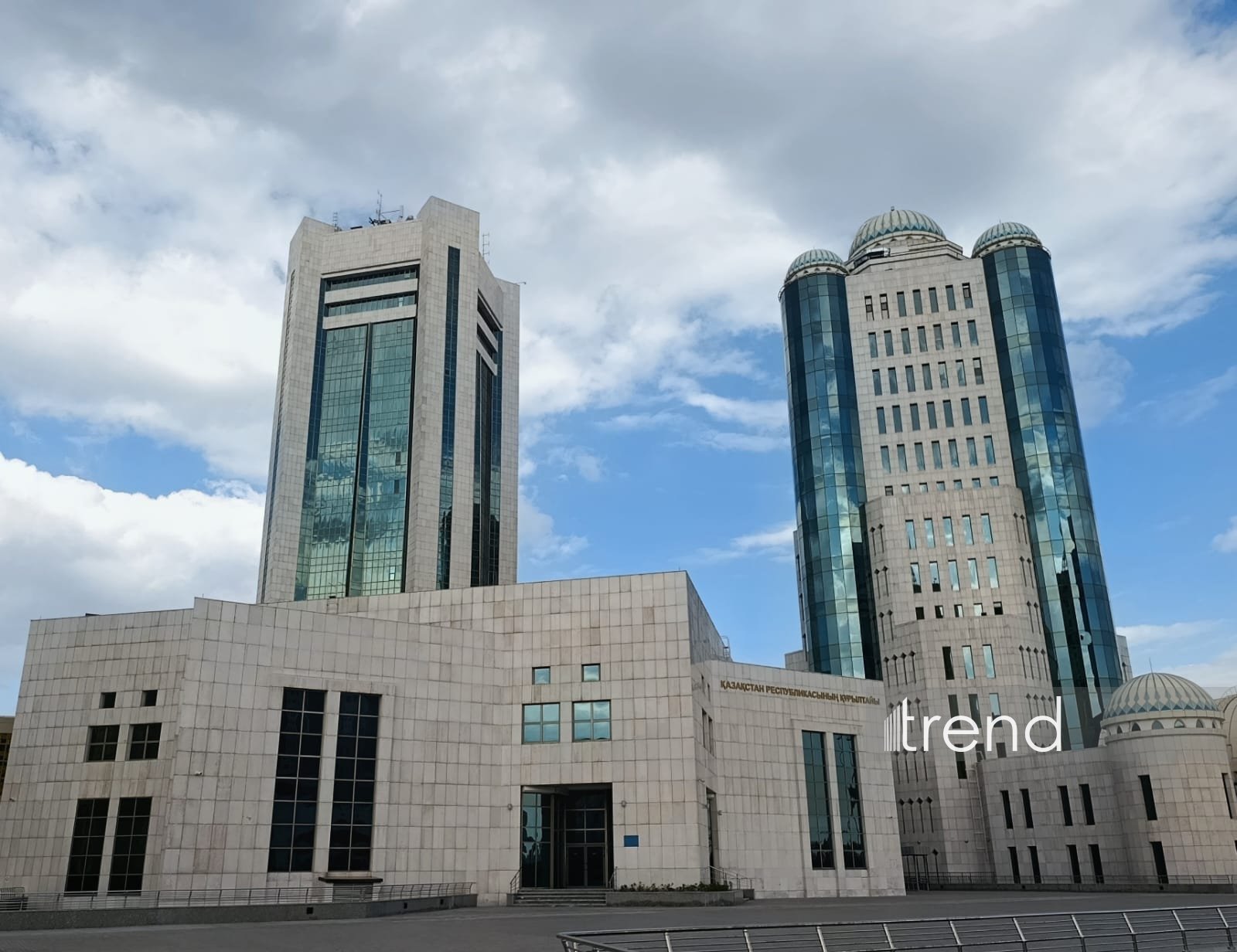

BAKU, Azerbaijan, August 27. On August 23, Kazakhstan held its first elections to the Kurultai, marking a major stage in the country’s transition to a new constitutional model. Under the new Constitution, which entered into force on July 1, 2026, the bicameral Parliament, comprising the Senate and the Mazhilis, was replaced by a unicameral legislative body consisting of 145 deputies.
Seven political associations participated in the elections, with five parties securing representation after surpassing the 5% electoral threshold.
The Adilet party emerged as the leading political force, securing 110 of the 145 seats. The remaining seats were distributed among the Auyl party, with 10 seats, Respublica, with nine, and the Aq Jol Democratic Party and Nationwide Social Democratic Party (OSDP), with eight seats each.
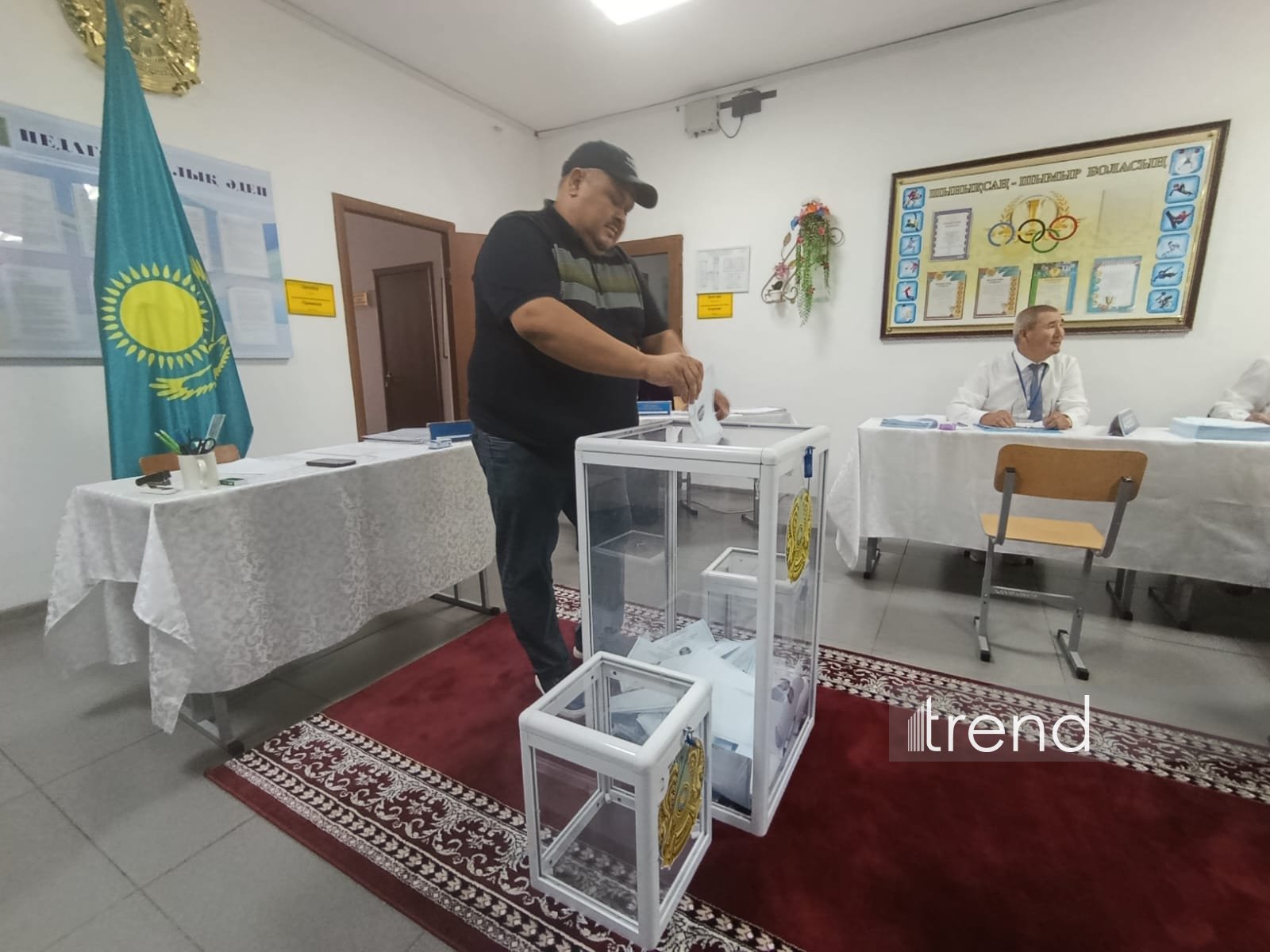
According to the Central Election Commission, 9,351,539 of the 12,623,289 citizens included in the voter lists participated in the elections, resulting in a voter turnout of 74.08%.
The Kurultai elections represented another significant nationwide political process in Kazakhstan this year. Earlier, on March 15, the country held a nationwide referendum on the adoption of the new Constitution, with voter turnout reaching 73.12%. The number of participants in the Kurultai elections exceeded the number recorded in the referendum by 224,357.
Thus, the elections to the new Parliament constituted the next stage in the implementation of the country’s new constitutional framework following the adoption of the fundamental law. While the March referendum enabled citizens to express their position on the proposed constitutional model, the August 23 elections resulted in the formation of one of the key state institutions envisaged by that model.
At the same time, the institutional changes extend beyond the Parliament. The new constitutional model provides for the establishment of the position of Vice President, as well as the Kazakhstan Khalyk Kenesi (People’s Council of Kazakhstan), the highest constitutional advisory body representing the interests of the people of Kazakhstan.
Accordingly, the formation of the first Kurultai should be considered within the broader context of the comprehensive renewal of Kazakhstan’s state institutions initiated with the adoption of the new Constitution.
The next stage has already been set: the first session of the Kurultai of the first convocation is scheduled for August 28, 2026, at 11:00 a.m. in Astana. From that point onward, the new parliamentary system will transition from the stage of institutional formation to practical functioning.
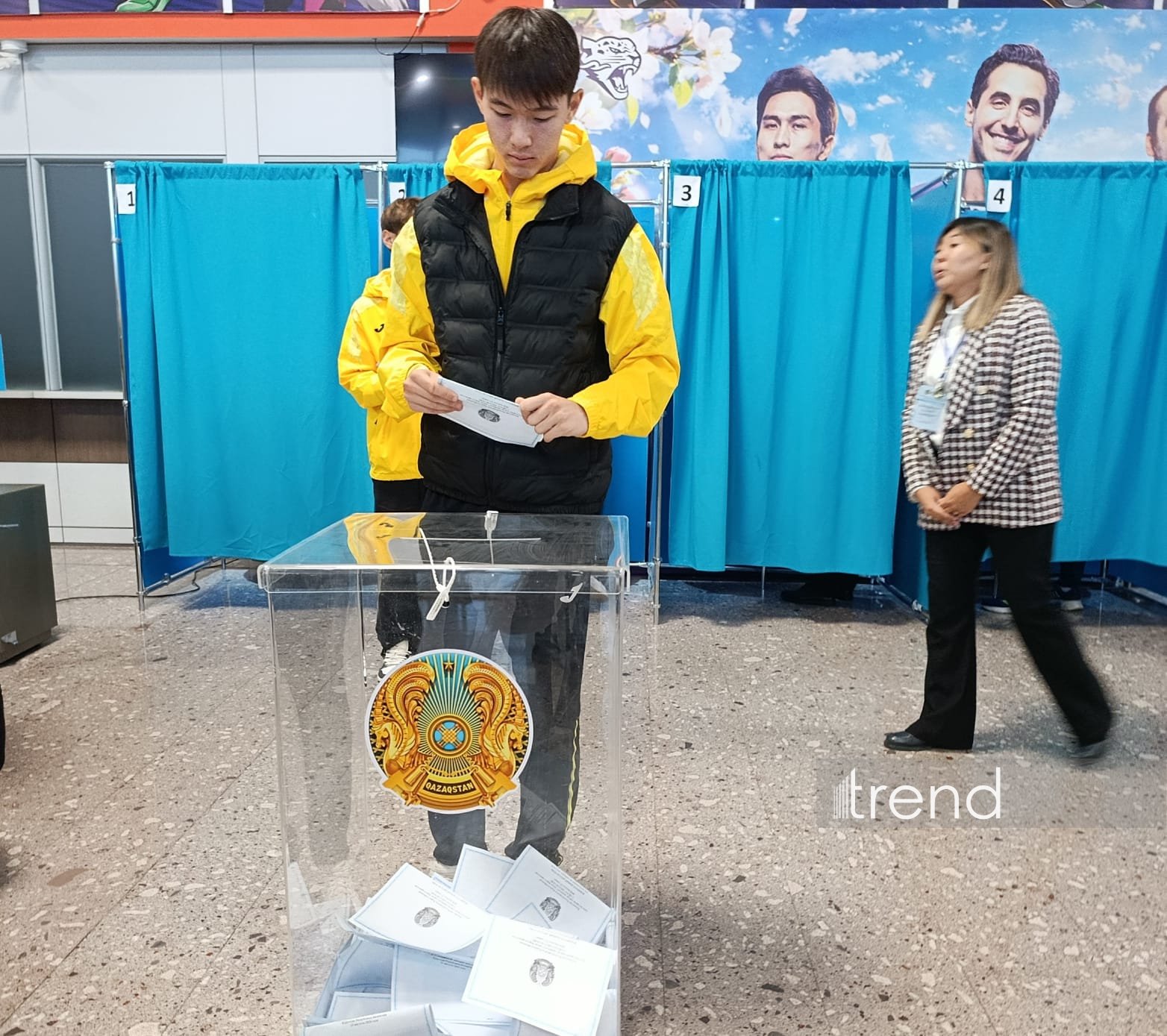
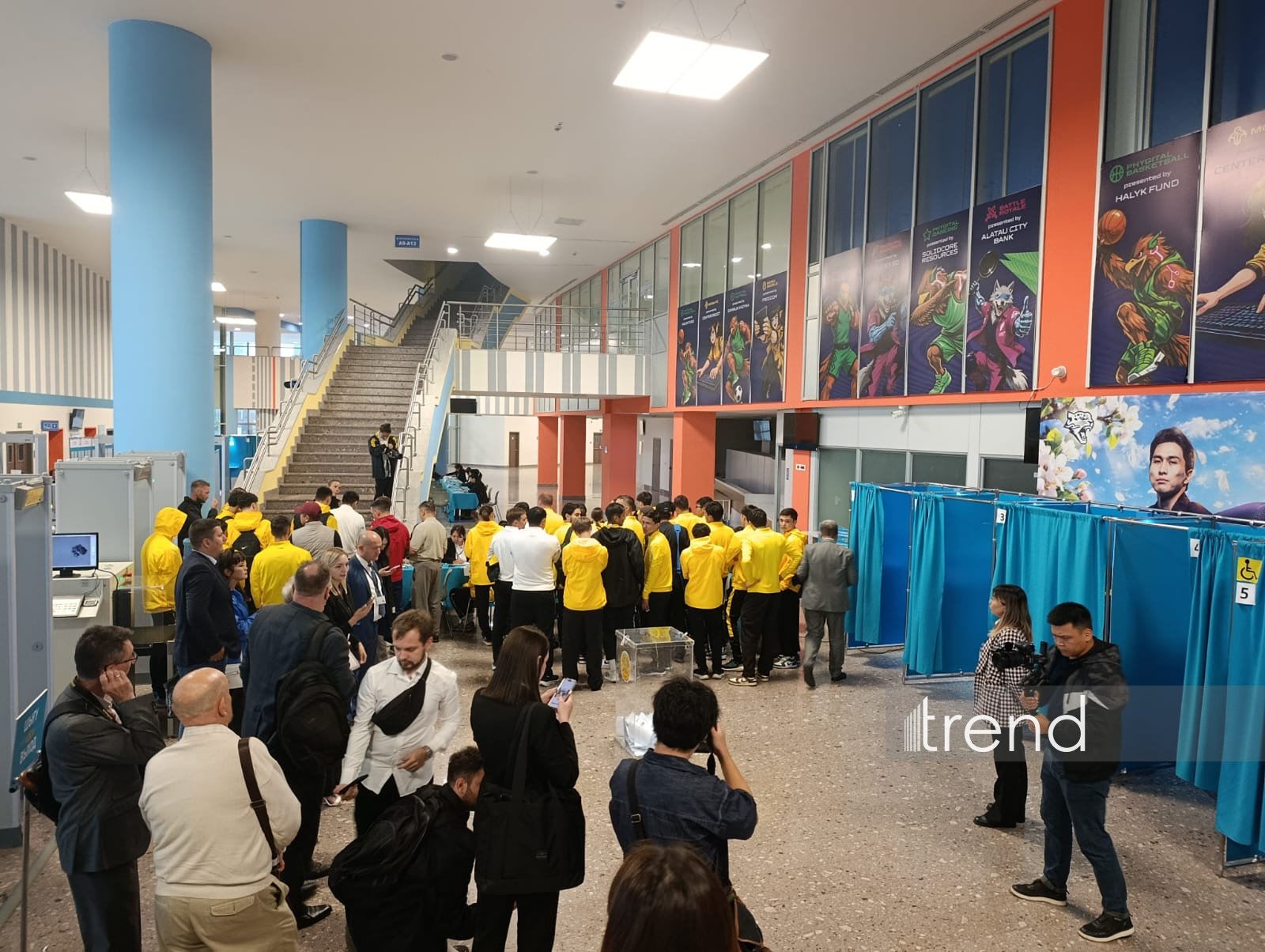
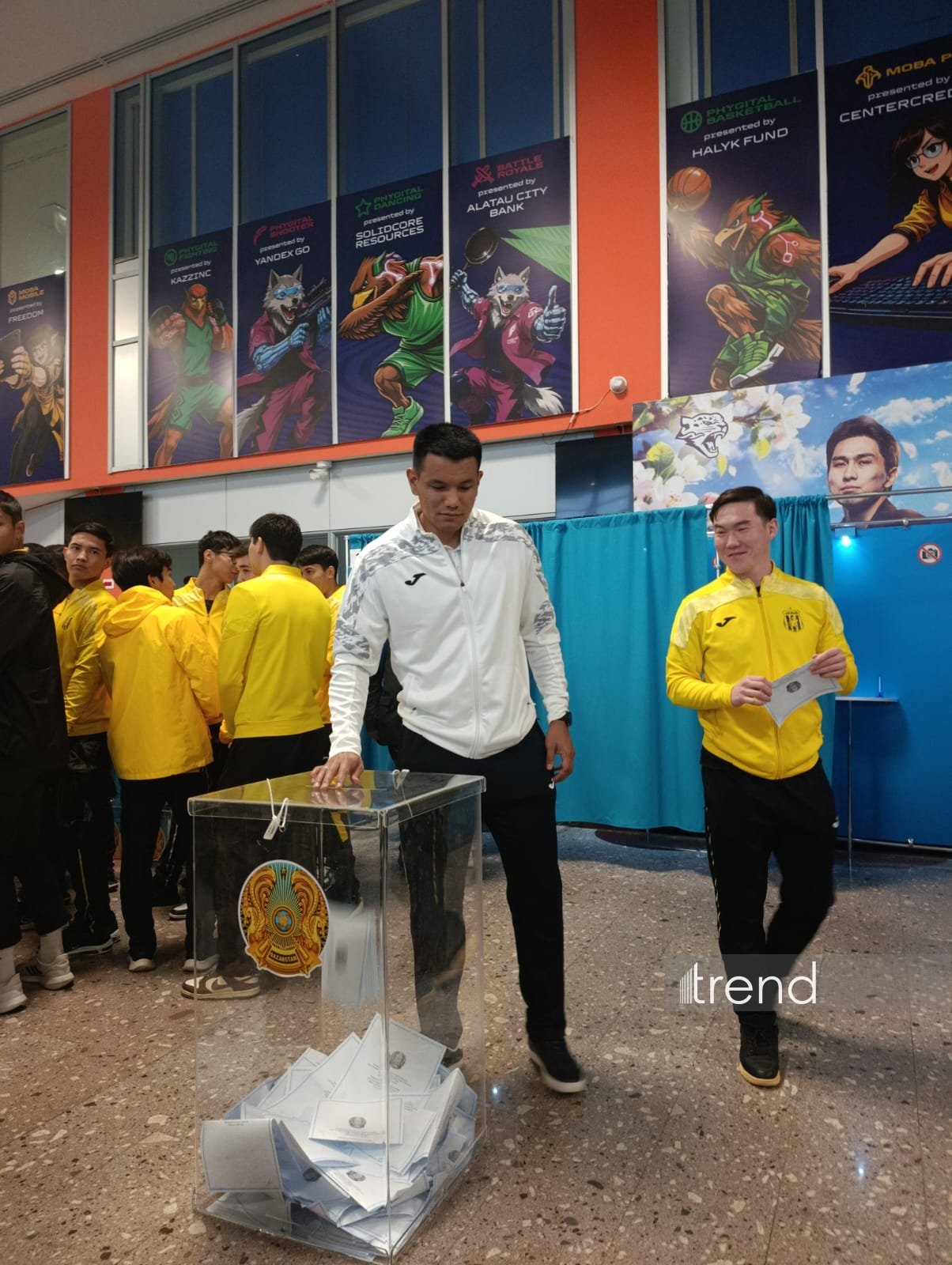
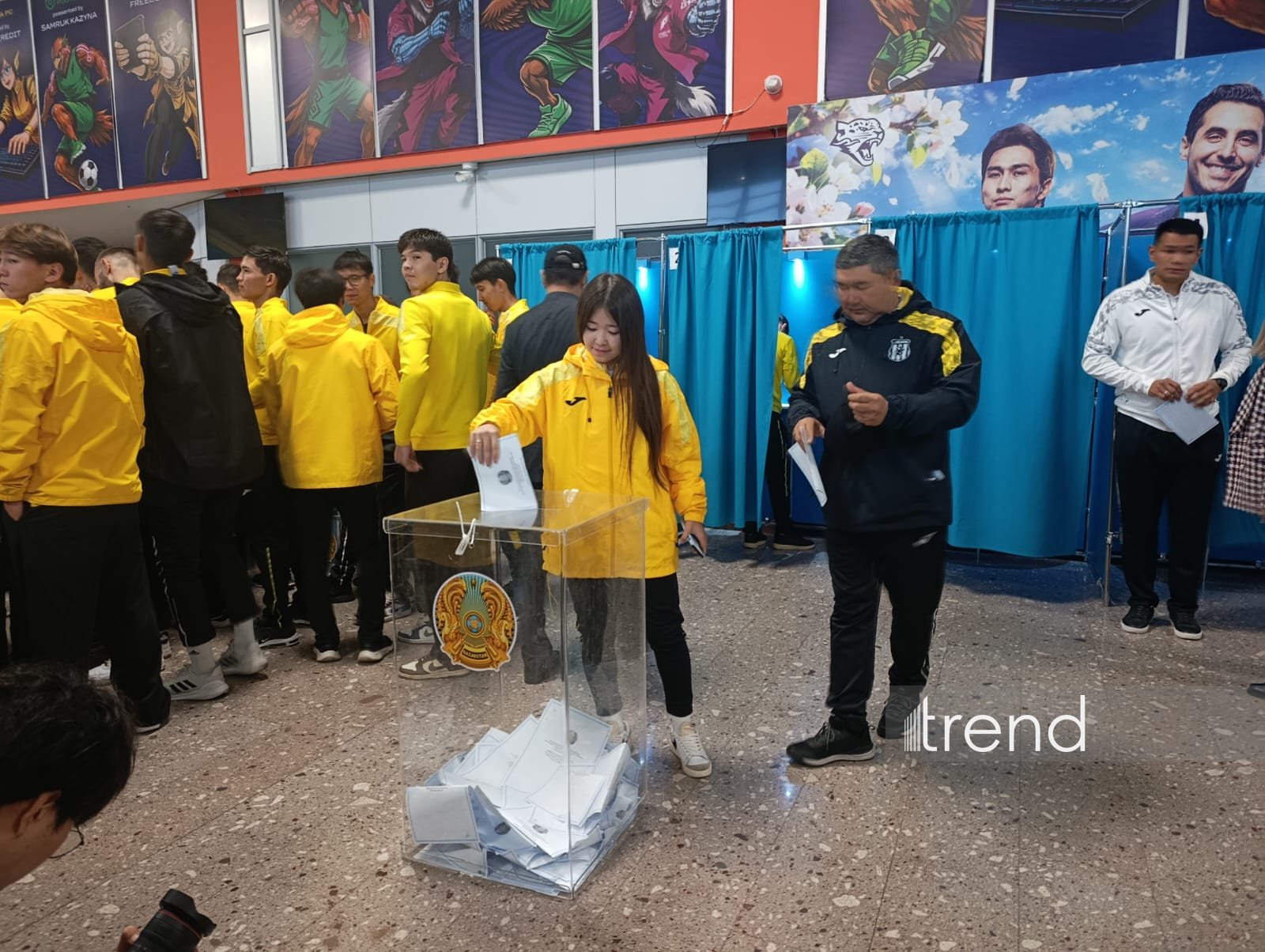
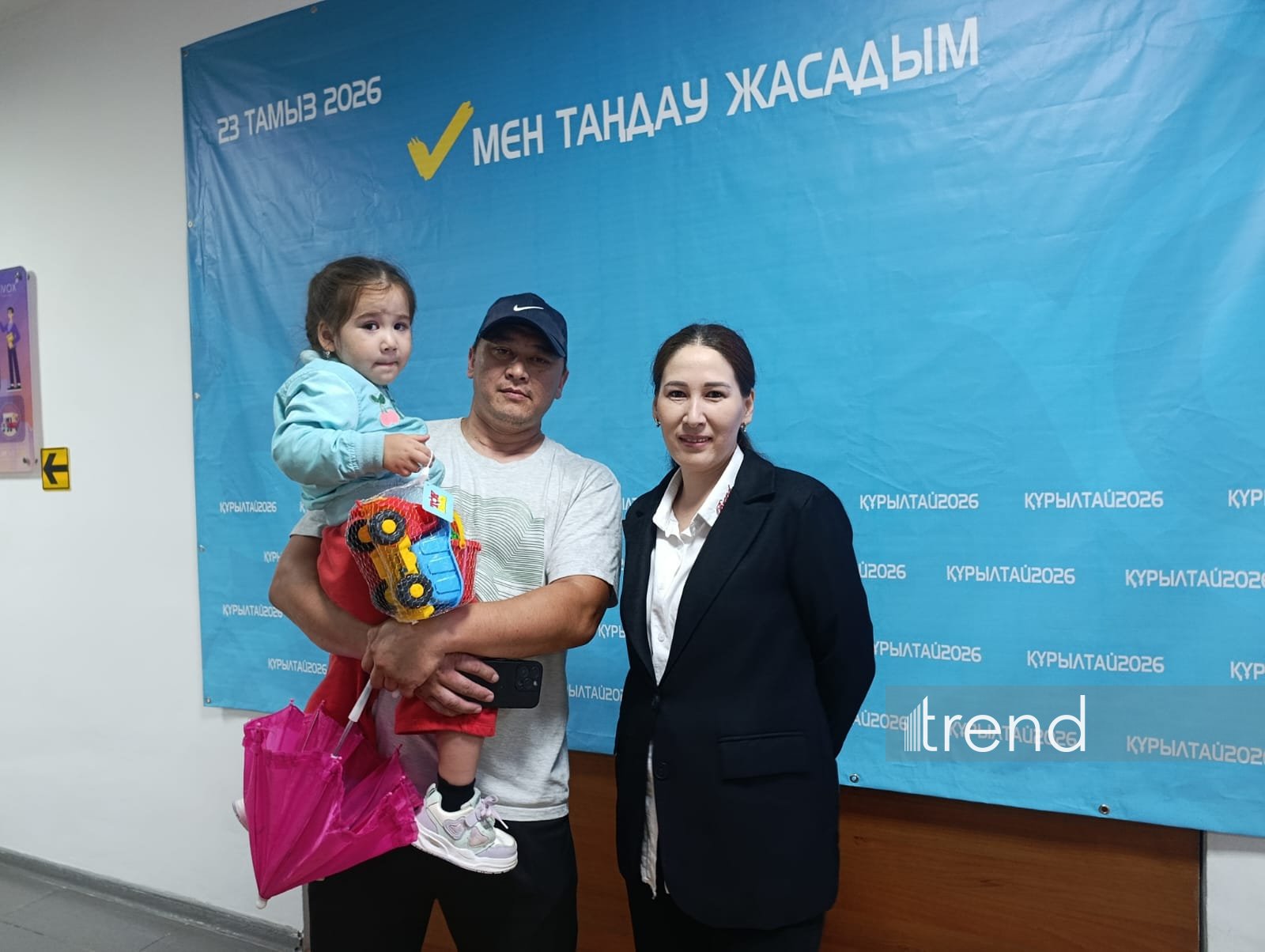
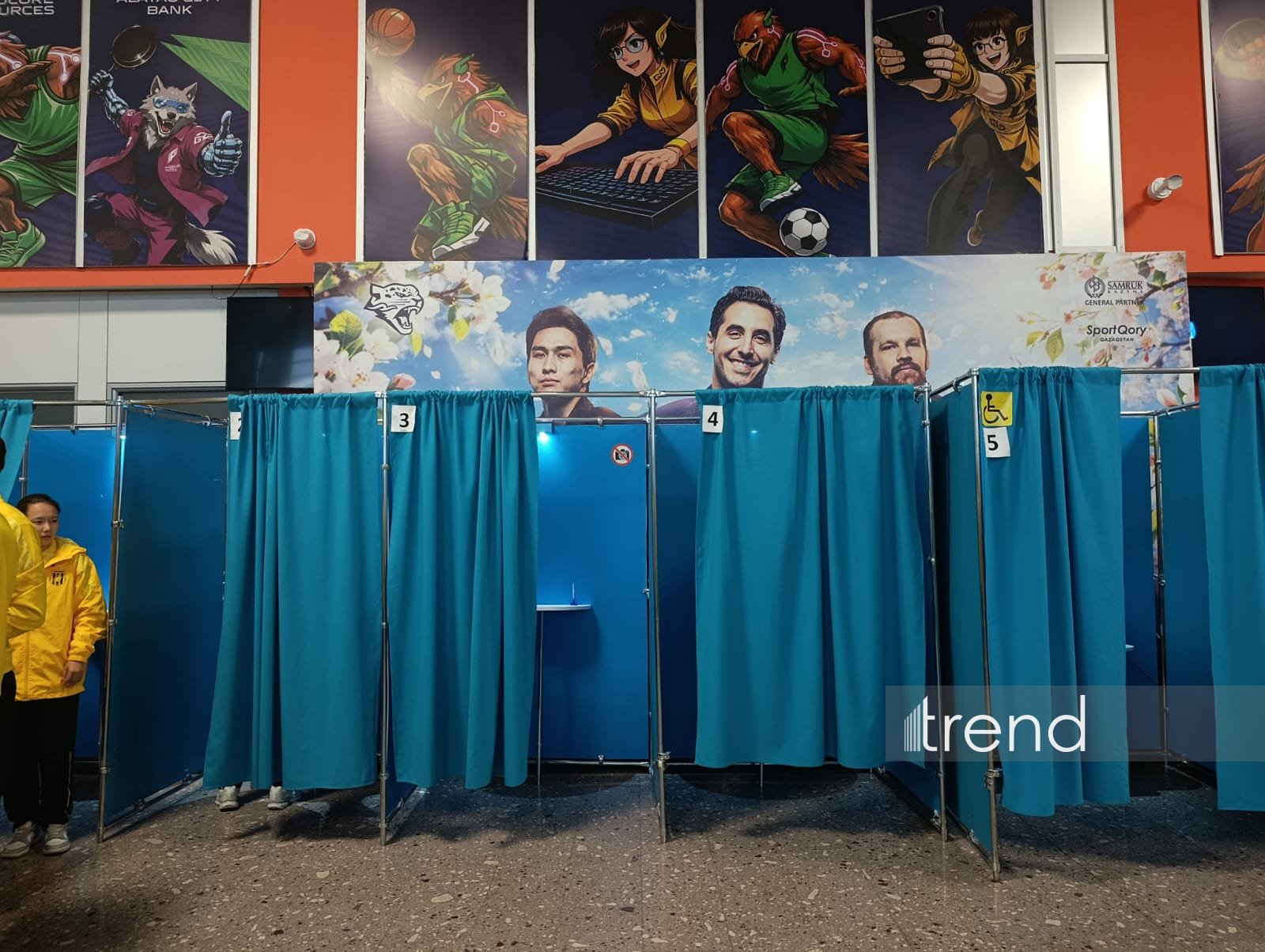
One of the features of the elections was the activity of young voters. This was particularly noticeable against the backdrop of demographic changes in the suburbs of major cities, where new residential areas have emerged in recent years and the population has increased significantly.
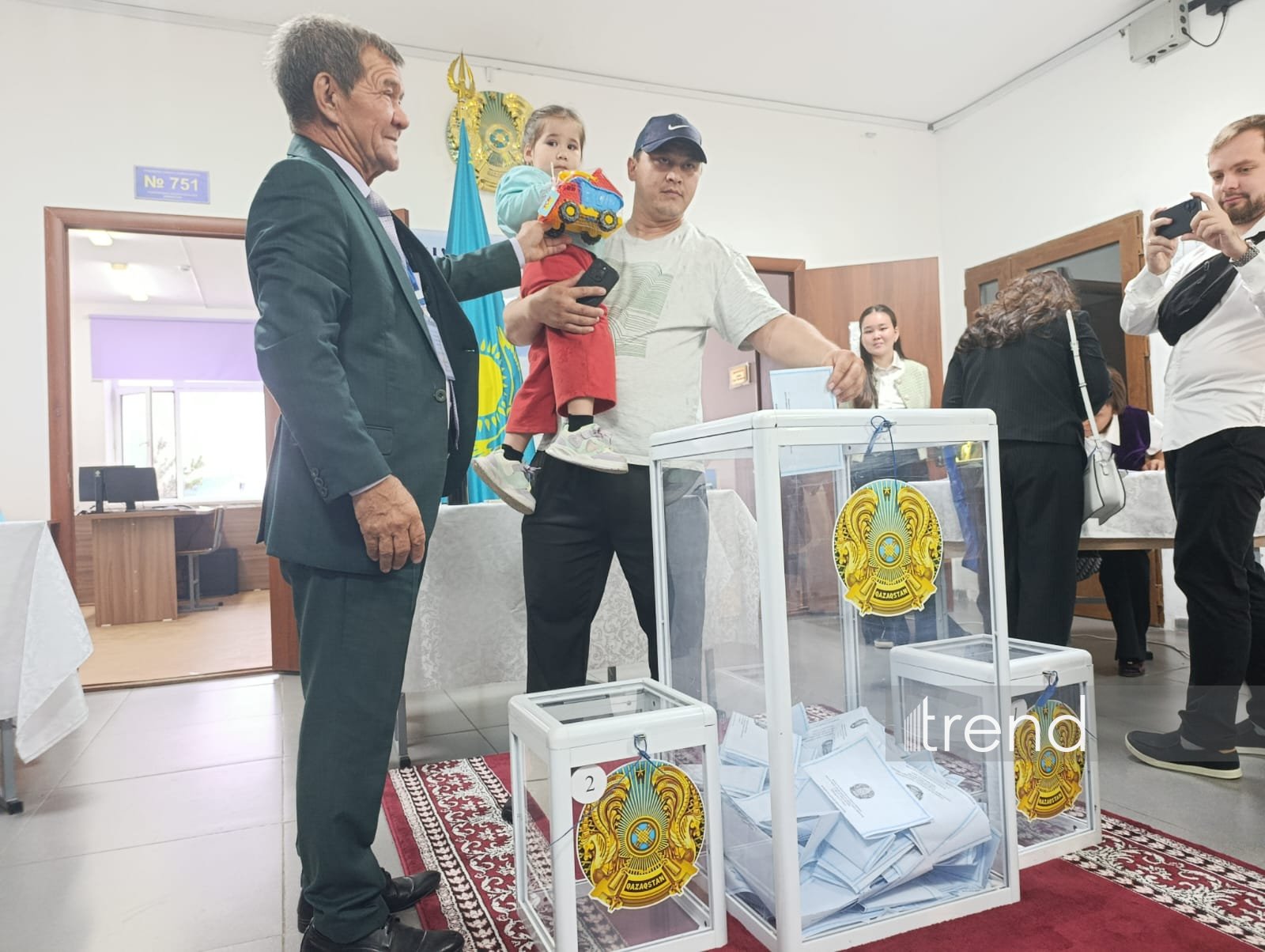
As the chairwoman of polling station No. 225 in Astana, Zhanar Nurgubekova, told Trend, the station saw a large flow of voters. According to her, this indicates that society understands the importance of the first Kurultai for the country's future.

Chairman of polling station No. 751 in the city of Kosshy, Musabek Dosmagambetov, also noted an increase in the number of young voters and independent observers.
Demographic changes are particularly noticeable in suburban areas. In the village of Taitobe, the number of residential houses increased from 86 to 1,200 over the past five to six years. The growth of residential development has been accompanied by an increase in the number of residents, including young families, gradually changing the electoral landscape of the suburbs.
Foreign observers also noted the early activity of young people. Member of the Committee of the Milli Majlis of Azerbaijan Sabina Salmanova and international observer from the CIS Interparliamentary Assembly Kazbek Taisaev noted the presence of young people as early as the opening of polling stations at 7:00 a.m.
"And, honestly, I was struck by the respect and love with which people sang their national anthem. And there were so many young people. For young people to get up at 7:00 a.m. and come to vote - that is really significant," the international observer said.
However, the youth factor was evident not only directly at polling stations. Another important change was the way this audience was engaged.
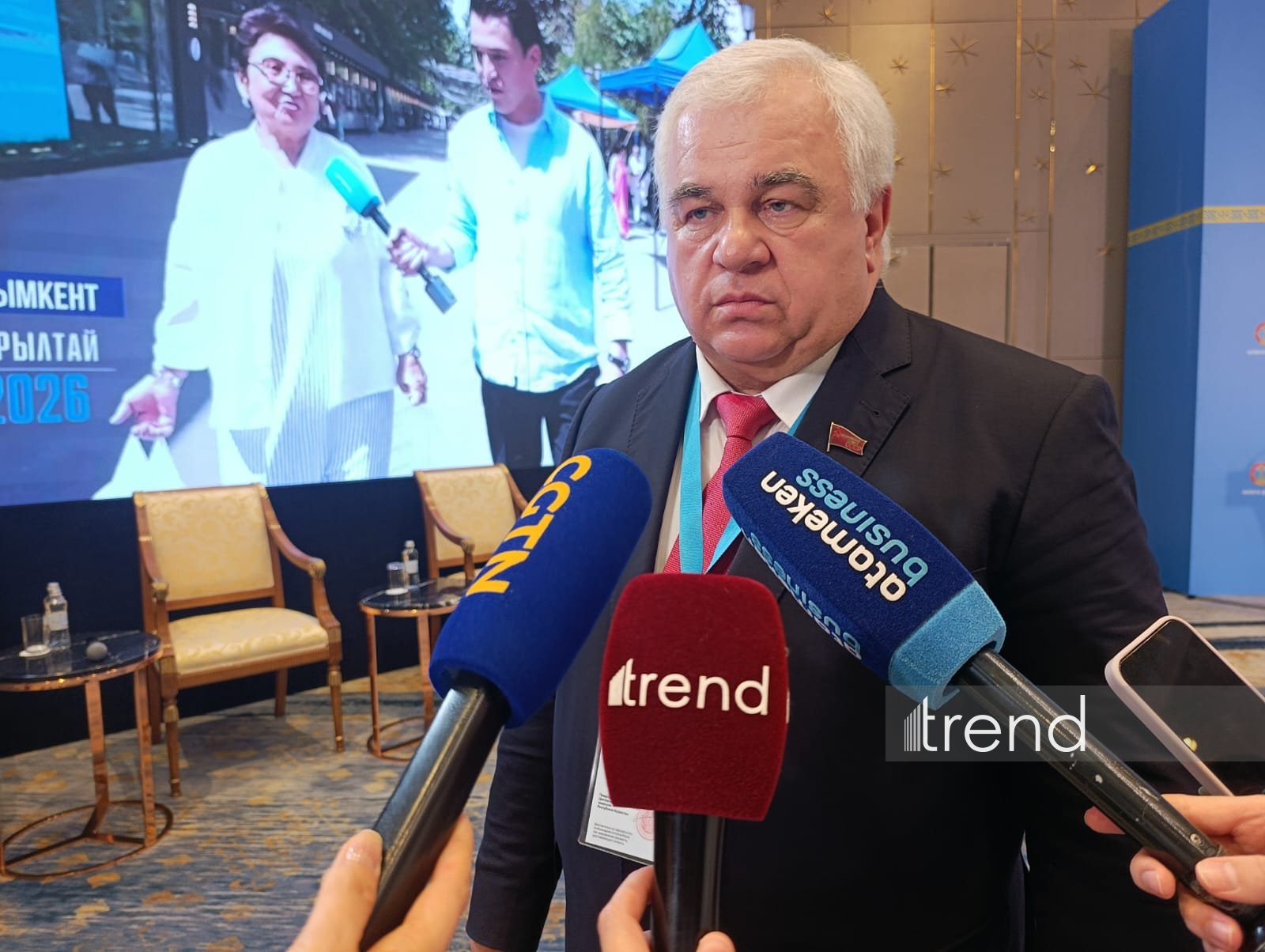
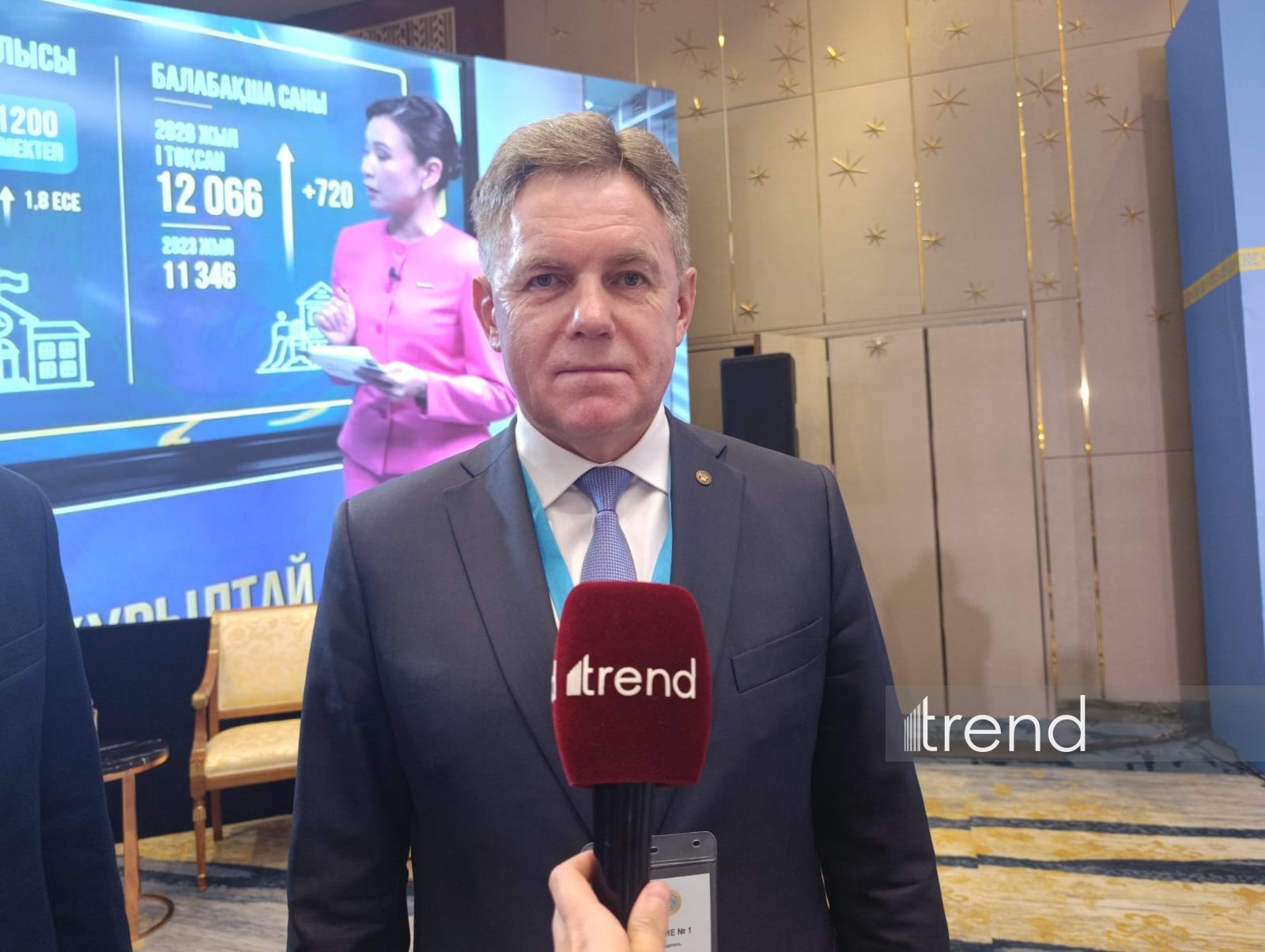
Head of the CIS Observer Mission Igor Petrishenko noted that Kazakhstan is using modern communication methods to encourage young citizens to participate in elections. In particular, social media is being used to engage the youth audience.
"That is, certain means of communication have been selected for target audiences that are potentially taking part in the elections. And here, that particular element of interaction has been identified that is acceptable and provides maximum reach," he said.
Thus, two aspects of youth participation can be identified in the current campaign: the noticeable presence of young people at polling stations and the use of digital channels to engage this audience. The latter is particularly important for the further development of electoral culture, as political communication is gradually adapting to the digital environment familiar to the younger generation.
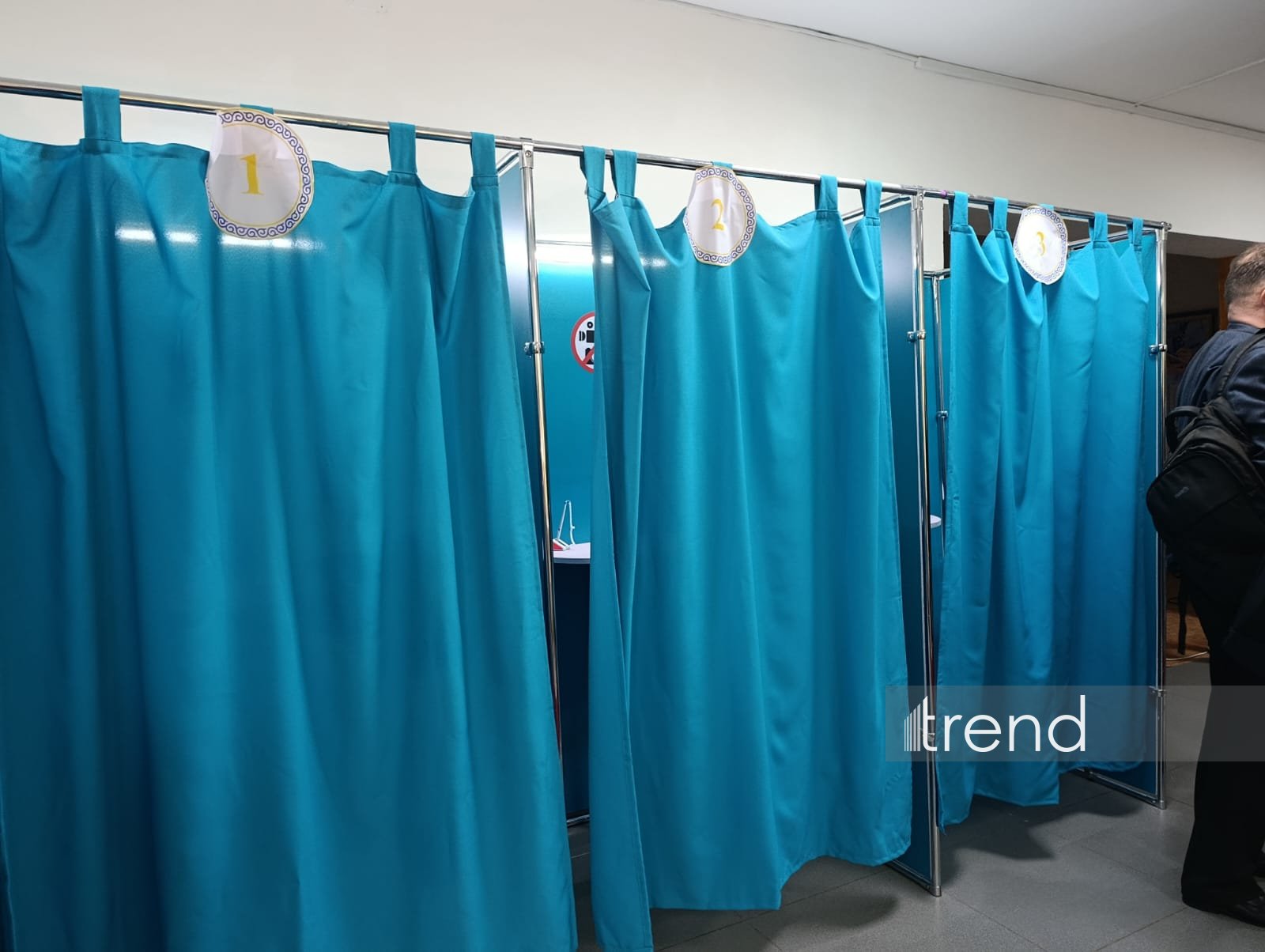
Petrishenko also noted the possibility of voting for citizens working on a rotational basis and at enterprises with continuous production cycles. The head of the CIS Mission also highlighted the use of digital solutions to work with voter lists and verify voter data directly at polling stations.
According to him, the introduction of advanced technologies and standardized nationwide campaigning demonstrates a high level of organizational preparedness for the elections.
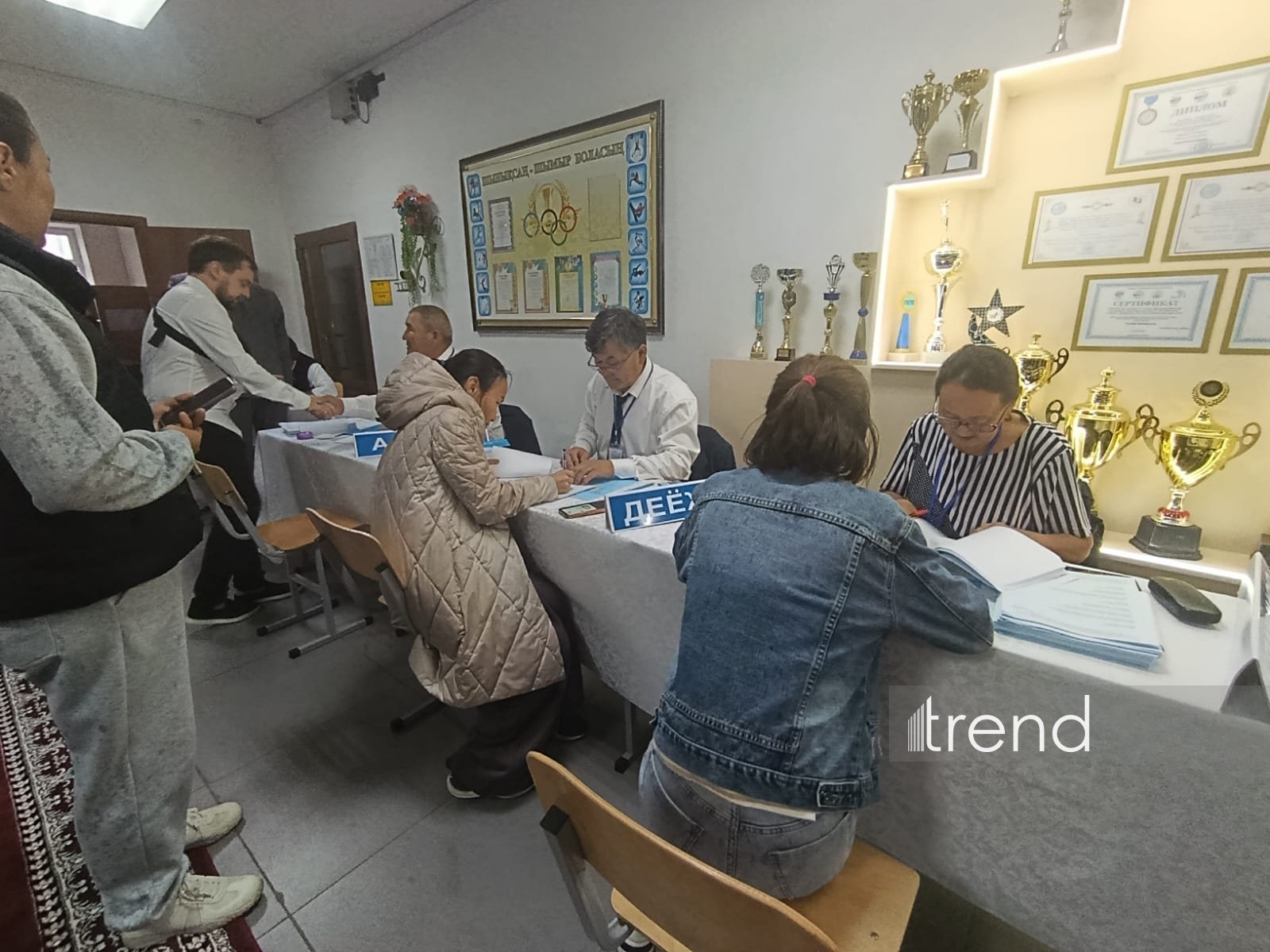
Another important element of the campaign was extensive international observation. On election day, more than 51,000 national observers and 777 observers from foreign countries and international organizations monitored the electoral procedures.
Representatives of domestic and foreign media were also present at polling stations - 1,852 representatives of Kazakh media and 117 foreign journalists.
International observers assessed the organization of voting, accessibility of polling stations and compliance with established procedures.
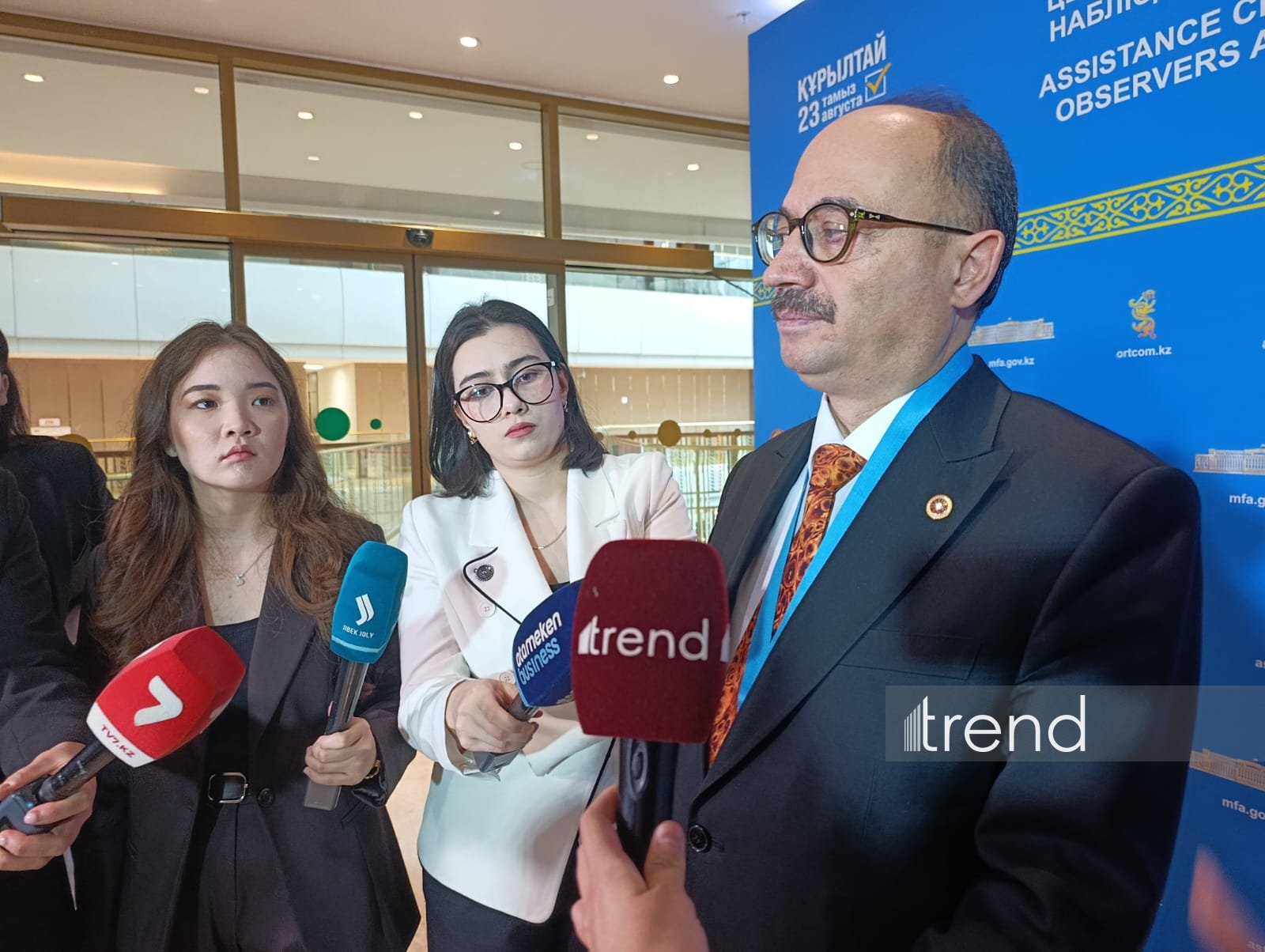
Head of the TURKPA mission, Osman Mesten, stated that voting in Astana and Almaty proceeded calmly and in an organized manner. He separately noted legislative provisions aimed at expanding the participation of women, young people and persons with disabilities in political life.
Member of the Central Election Commission of Russia Alena Bulgakova also emphasized the openness of the electoral process. According to her, access to the elections was provided to both party and independent observers, while the necessary conditions were created for citizens with disabilities.
The Organization of Turkic States mission covered 33 polling stations. Deputy Secretary General of the OTS Nuru Guliyev said there were no cases of interference by administrative or law enforcement authorities.
He also noted that the formation of the Kurultai within a short period following the July constitutional reform contributes to strengthening public trust and institutions of representative democracy.
Thus, in a broader context, 2026 has already become a period of successive political changes for the country. The March referendum established the constitutional foundation of the new system, while the August elections formed the first composition of its unicameral parliament.
The model must now move to the next stage - practical work. The first session of the Kurultai is scheduled for August 28, and its subsequent legislative activity will demonstrate how the new system will operate in everyday political practice.
Ultimately, the August 23 elections became part of Kazakhstan's broader transformation. A new format of legislative power has been established, while the election campaign demonstrated new forms of engagement with citizens, particularly young people.
The new parliament now faces the task of giving practical substance to this institutional model through legislative work, interaction with other state institutions, and representation of citizens' interests.