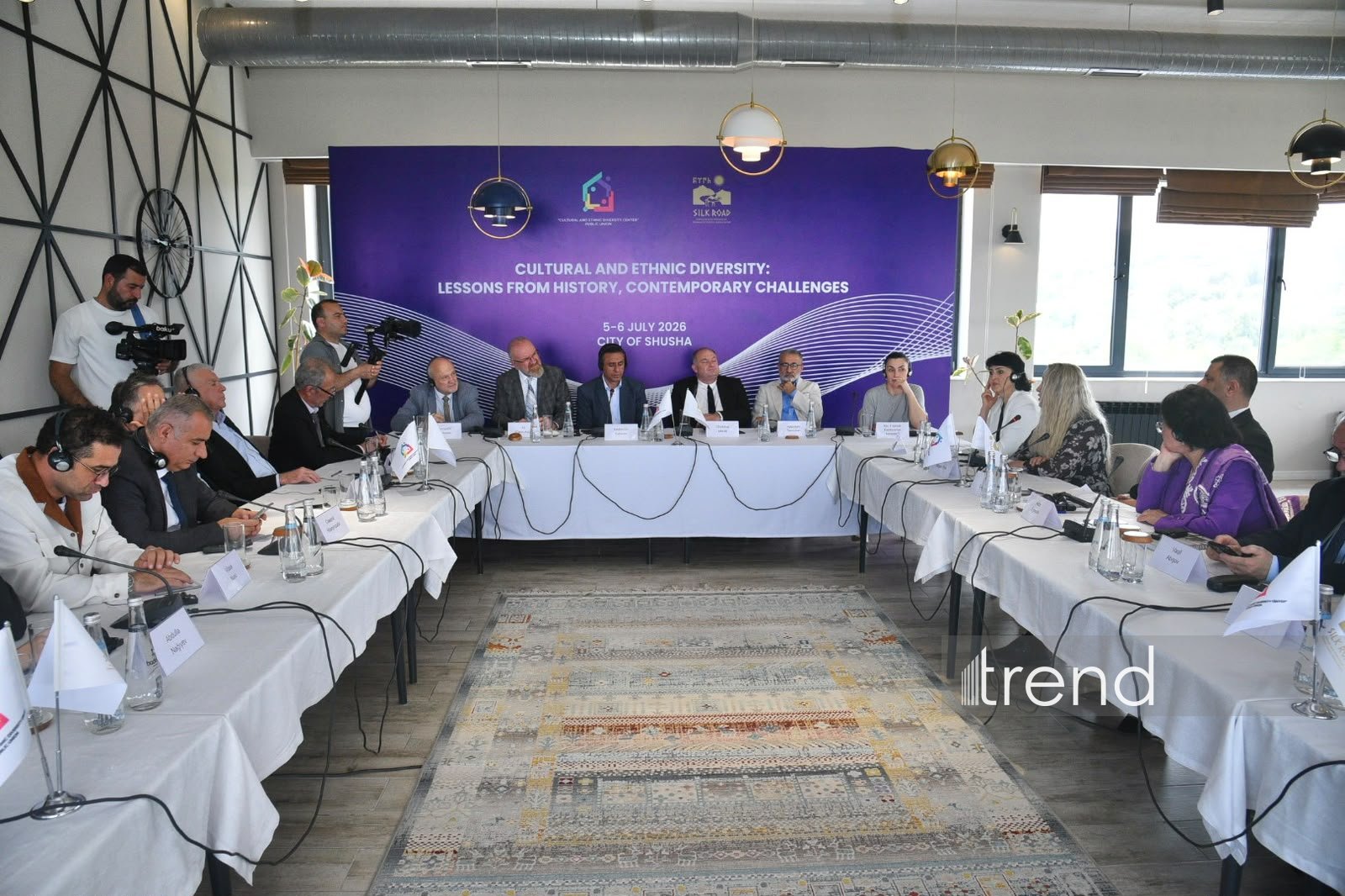
SHUSHA, Azerbaijan, July 6. A panel discussion titled "Ethnic and Cultural Diversity as a Treasure of Humanity" has been held in Shusha as part of the international conference "Cultural and ethnic diversity: lessons from history, contemporary challenges", Trend's correspondent reports from the event.
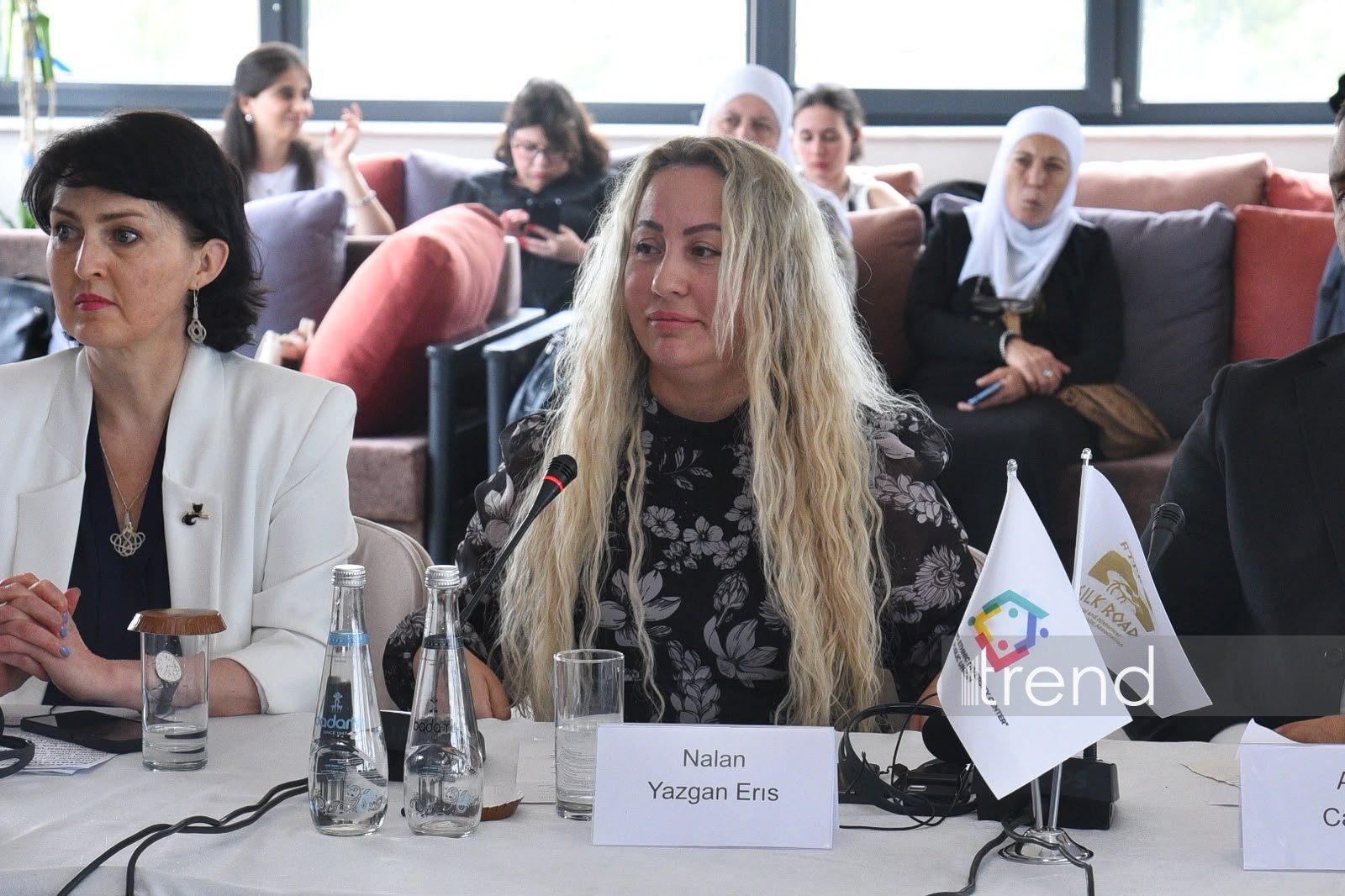
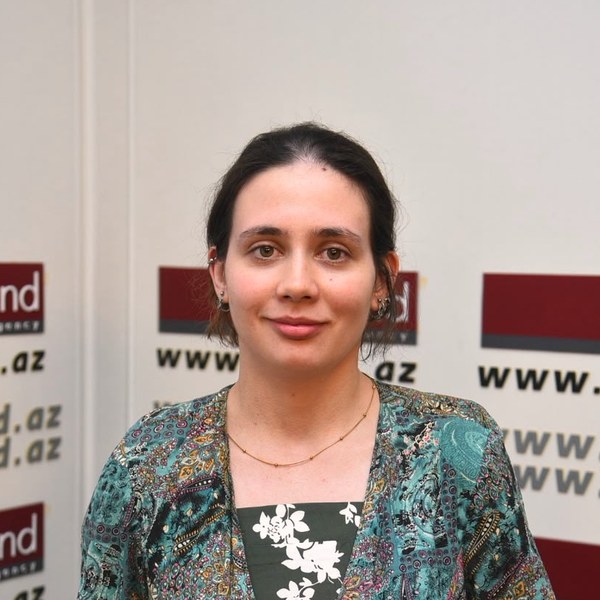
The panel moderator, researcher-journalist, analyst from Türkiye, Nalan Yazgan Eris, said that it's very important to conduct dialogue and find solutions to problems with the participation of all interested parties. In this regard, the tragedy faced by the Circassian people requires special attention.
"The Russian-Circassian War of 1763–1864 was not an ordinary military campaign. It was a policy aimed at the systematic destruction of an entire people. One of the most famous figures of the Russian occupation, General Grigory Zass, gained notoriety for collecting Circassian skulls as booty. Even today, in some regions of the North Caucasus, there are monuments erected in honor of General Zass, and official events dedicated to his memory are held. For the heirs of the victims of the genocide, such public eulogy is a symbol not of reconciliation, but of the continuation of historical violence," he said.
Eris noted that today, conditions are not created for peaceful commemoration events related to the Circassians in Russia, and participants in the silent memorial march held in the city of Nalchik in 2025 were administratively arrested.
"The legal, political, and cultural consequences of the Circassian genocide of 1864 continue to affect the lives of the victims' descendants today," he pointed out.
Professor Cahit Aslan, a researcher at Çukurova University in Türkiye, delivered a report on "Circassian national identity and collective memory" at the panel. He said that millions of Circassians currently living in different countries of the world are trying to keep their collective memory alive through family memories, cultural rituals, and memorial ceremonies.
"Circassian identity has been used in different ways throughout history. Although it refers to the "Adyghe" in a narrow sense, it is a super-identity that includes many indigenous peoples exiled from the North Caucasus in a broad sense," he explained.
Aslan also listed the Kremlin's exiles against the peoples of the North Caucasus, including the Karachays, Balkars, and Chechens during the USSR, and said that these also left deep traces in collective memory.
"Collective memory is not only a form of remembering the past, but also the will to build the future. Identity is alive only when there is memory, and memory is alive through the transmission of cultural heritage. For this reason, Circassian national identity should be evaluated as a dynamic process that is nourished by the past but directed towards the future," he added.
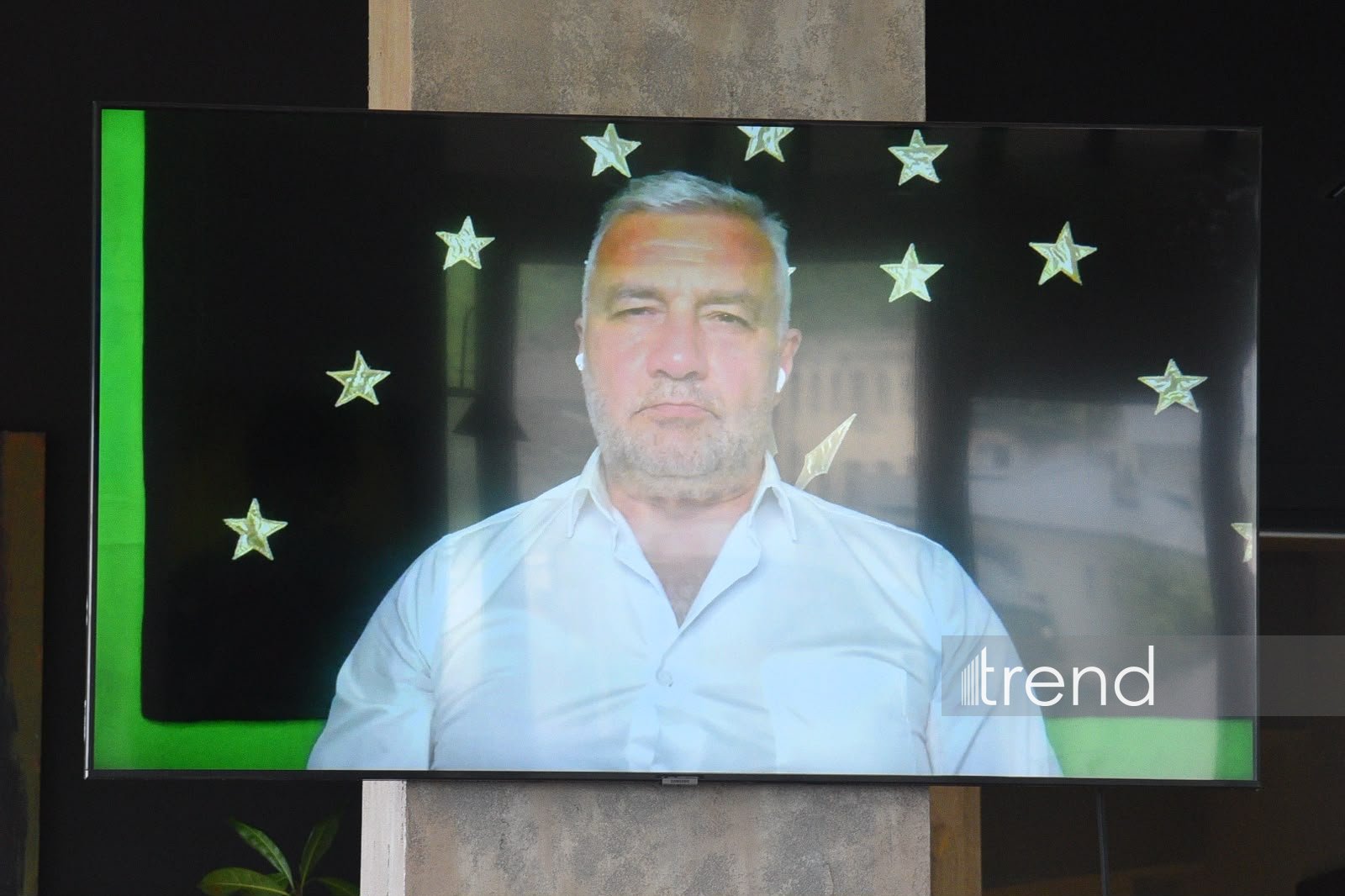
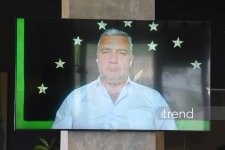
Rustam Khuajev, a member of the Board of Directors of the League of Free Nations, who joined the conference via video link from Germany, spoke on the topic "Discrimination and the fight against it". He described the situation in modern Russia.
"The state is trying to dictate to people how they should think, what should be considered right, and who they should feel like. This is where the most dangerous form of discrimination begins. This is not only a political, but also a systemic discrimination that has a cultural, social, and psychological character. The real political representation of indigenous peoples is weakening, the mechanisms for society to influence power are gradually being eliminated, and the centralized system of governance, where decisions are made without the participation of the people, is being strengthened.
However, institutional discrimination is only one side of the problem. There is another, more serious and dangerous side to it. We are faced with cases of mass detention, arrest, and pressure on young people and their families. The values that people internally experience cannot be changed by any decree or administrative decision. When discrimination takes on a systemic character, there is no chance for development," he mentioned.
Fatima Tlis, a representative of the World Circassian Agency from the U.S., delivered a report entitled "Responding to the challenges of the new era" via video link. She said that ensuring historical justice is the most important challenge.
"If a people preserves its will for freedom and national identity, attempts to erase it from the map of history or assimilate it within artificial administrative borders are doomed to failure. As long as the historical homeland of the Circassians remains a territory of colonial oppression, where the study of their native language is restricted, and the right of return is blocked, and as long as the constitutions of the national republics continue to be deprived of sovereign content, the Circassian issue will remain an open problem and a source of tectonic political change," she said.
The international conference will end with the adoption and reading of the joint declaration of the participants of the conference entitled "Cultural and ethnic diversity: lessons from history, contemporary challenges".