


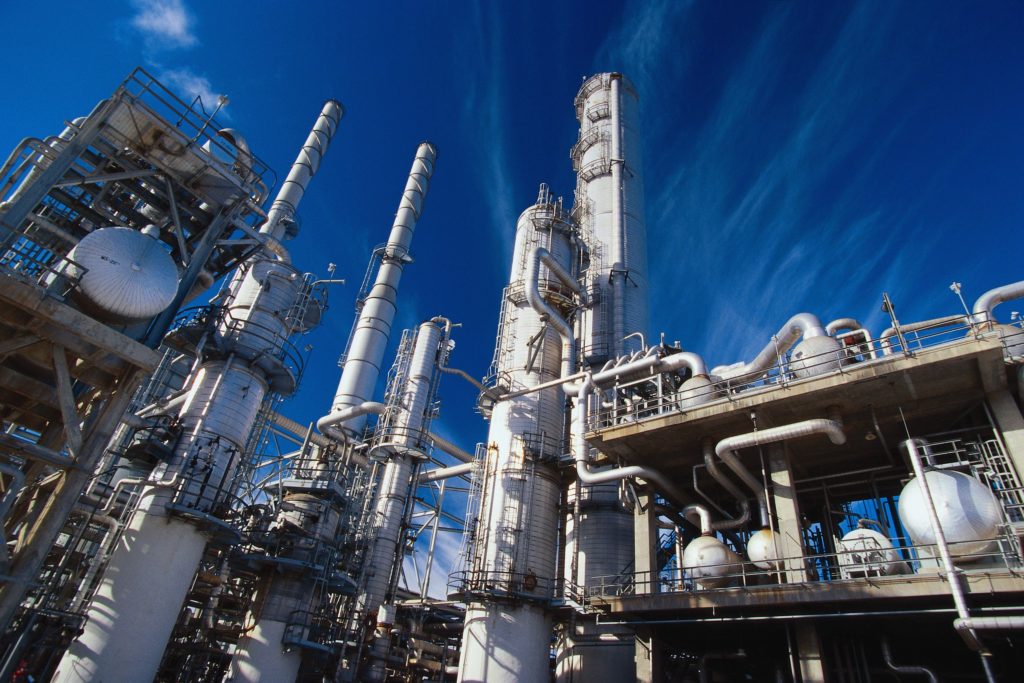

BAKU, Azerbaijan, July 6. Large industrial enterprises in Uzbekistan produced 15.3 trillion soms (about $1.2 billion) worth of chemical products during the first four months of 2026.
This was reflected in the statement published by the National Statistics Committee of Uzbekistan, showcasing an increase of 3.7% comparing to the same period last year.
Navoi Region remained the country's largest chemical production hub, accounting for 4.3 trillion soms (approximately $357 million) in output between January and April. It was followed by the Republic of Karakalpakstan with 2.8 trillion soms (about $232.7 million), Tashkent Region with 2.2 trillion soms (approximately $182.8 million) and Kashkadarya Region with 2.1 trillion soms (about $174.5 million).
The city of Tashkent produced 1.5 trillion soms (approximately $124.6 million) worth of chemical products during the period, while Fergana Region contributed 1.4 trillion soms (about $116 million). Other producing regions included Andijan with 288.4 billion soms (approximately $23.9 million), Samarkand with 263 billion soms (about $21.8 million), Bukhara with 201.4 billion soms (approximately $16.7 million), Namangan with 191.4 billion soms (about $15.9 million), Jizzakh with 110.3 billion soms (about $9.1 million), Khorezm with 27 billion soms (approximately $2.2 million), Syrdarya with 13.1 billion soms (about $1 million) and Surkhandarya with 9.9 billion soms (approximately $823 011).
"The chemical industry continues to play a key role in Uzbekistan's industrial development, with production maintaining steady growth and regional manufacturing centers strengthening their contribution to the national economy," the National Statistics Committee said in the statement.
The latest figures underscore the continued expansion of Uzbekistan's chemical sector, which the government has identified as a strategic industry for industrial diversification, export growth and import substitution. The concentration of production in regions such as Navoi, Karakalpakstan and Tashkent reflects the country's established industrial infrastructure and ongoing investment in chemical manufacturing.
Analysis
The latest figures highlight the growing role of industry in Uzbekistan’s economic development, with the chemical sector benefiting from broader trends in investment, trade, and infrastructure expansion. The 3.7% increase in chemical production comes as businesses continue to invest in new equipment and production capacity, supporting the government’s strategy of industrial diversification and higher-value-added manufacturing.
Recent trade data reinforce this trend. Uzbekistan imported $16.4 billion worth of goods and services during the first four months of 2026, with machinery and transport equipment accounting for $5.5 billion, or roughly one-third of total imports. The strong growth in machinery imports suggests continued modernization of industrial facilities, including enterprises operating in the chemical sector. Rising imports of industrial goods and chemicals also point to growing production activity and demand for industrial inputs across the economy.
At the same time, expanding freight transportation volumes indicate sustained industrial and commercial activity. Uzbekistan’s railways transported 28 million tons of cargo in the first quarter of 2026, up 4.3% year-on-year, with significant volumes of ore, petroleum products, coal, construction materials, and chemical and mineral fertilizers. The movement of nearly 789,000 tons of chemical and mineral fertilizers underscores the importance of the chemical industry in supporting the country’s agricultural and industrial sectors, according to the data recently published by Trend.
The concentration of chemical production in Navoi Region, Karakalpakstan, Tashkent Region, and Kashkadarya reflects the presence of major industrial complexes, access to raw materials, and well-developed transport infrastructure. Strong rail freight activity in these and other industrial regions helps facilitate the movement of raw materials and finished products, supporting both domestic supply chains and export potential.
Taken together, the data suggest that Uzbekistan’s chemical industry is benefiting from rising investment, expanding logistics capacity, and growing industrial demand. As the government continues to prioritize industrial modernization, export development, and import substitution, the sector is likely to remain one of the key drivers of the country’s manufacturing growth, due to Trend's analysis.



