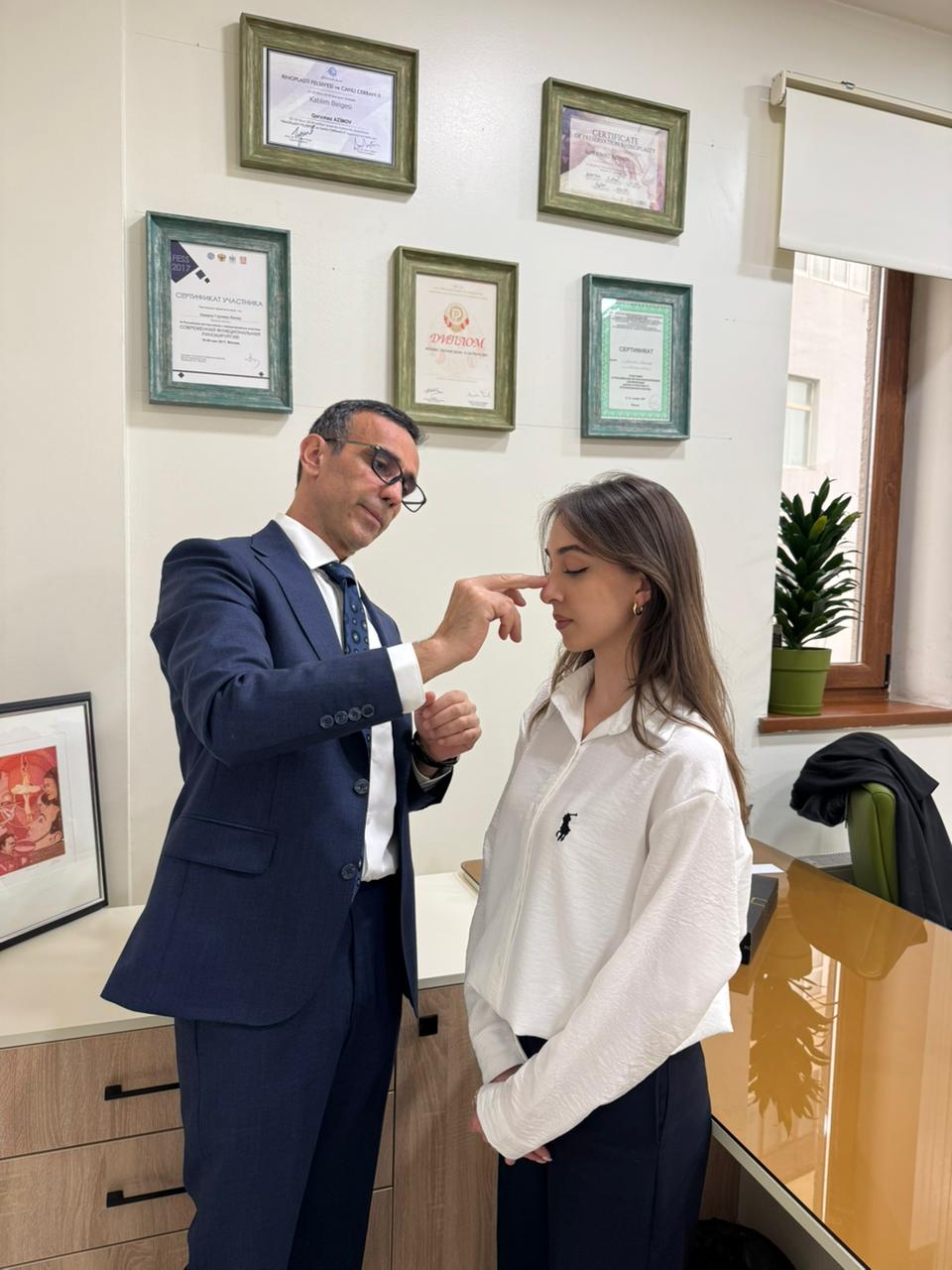
In recent years, the demand for rhinoplasty has been rapidly increasing. Thousands of patients seek this procedure not only to improve their appearance but also to address breathing issues. However, the risks and sometimes unnatural outcomes of traditional techniques have led many to look for more advanced solutions.
As a result, one of the most discussed modern approaches today is dorsal preservation rhinoplasty.
The key advantage of this method is that the most important part of the nose — the dorsum (nasal bridge) — is not cut or shaved. In traditional rhinoplasty, this area is opened and the cartilage and bone structures are modified and reshaped. Once cartilage is cut, it does not naturally reconnect, which may lead to long-term complications such as deformities, collapse, or an artificial appearance.
In dorsal preservation techniques, the natural structural “framework” of the nose is maintained. Instead of aggressive reduction from the top, the shape is adjusted through controlled modification of the underlying structures. This approach helps preserve nasal anatomy and provides more harmonious, long-lasting results.
According to specialists, one of the main benefits of this method is the significant reduction in surgical trauma. In some cases, it is estimated that trauma may be approximately 50–70% lower compared to traditional rhinoplasty. This can result in less swelling, a more comfortable recovery, and greater long-term stability.
Additional advantages include:
* more natural-looking results without an “operated”
appearance
* preservation of nasal anatomy
* reduced risk of long-term deformities
* faster and more comfortable recovery
However, this technique is not suitable for every patient. Nasal structure, skin thickness, and functional factors play a crucial role in determining the appropriate surgical method. Therefore, the final decision should always be made after a professional consultation.
Modern rhinoplasty today is not only about changing shape but also about preserving natural anatomy and function. Dorsal preservation is considered one of the most advanced and physiologically balanced approaches in this field.
About the Author
The article was prepared by Qorxmaz Azimov.
A Moscow-trained specialist with extensive experience in
rhinoplasty. He has published in international medical journals,
including American publications, and is known for applying modern
surgical techniques.