



BAKU, Azerbaijan, December 24. The European Union imported 64 bcm of natural gas in the third quarter of 2024, marking a 6% year-on-year decrease compared to 3Q2023 (68 bcm), Trend reports.
According to the data obtained from the European Commission, this also marked a 19% decline from the same period of 2022 (79 bcm).
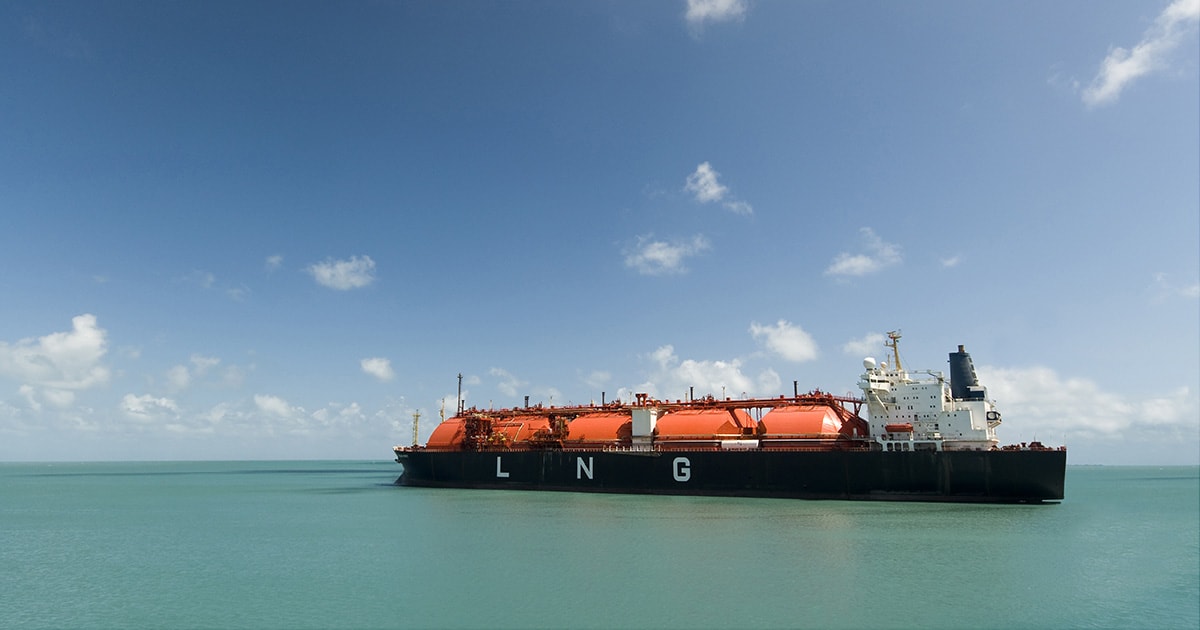
Meanwhile, LNG’s share of total gas imports dropped to 33% in 3Q2024, down from 36% in the previous quarter and significantly lower than the 40% recorded in 3Q2023. This marks a three-percentage-point decline compared to 2Q2024 and a seven-percentage-point drop year-on-year.
Pipeline imports continue to dominate, driven primarily by supplies from Norway, which accounted for 33% of the EU’s total imports (21.3 bcm). Russia remains the second-largest supplier, contributing 20% (12.7 bcm), despite ongoing geopolitical tensions. The United States supplied 13% (8.5 bcm), maintaining its position as a key LNG exporter, while Algeria accounted for 13% (8.4 bcm).
Azerbaijan, Qatar, and Nigeria collectively contributed 10% of total imports, with Azerbaijan providing 4%(2.7 bcm), Qatar 4% (2.5 bcm), and Nigeria 2% (1 bcm). The UK also held a 7% share (4.7 bcm), underscoring its growing role as a reliable supplier of natural gas to the EU.
Dynamics by country
• Norway: Maintained its leadership, providing one-third of total imports despite the overall drop in demand.
• Russia: Its contribution, though still significant, reflects diversification efforts by EU member states.
• United States and Algeria: Show resilience as key LNG suppliers, with Algeria maintaining steady volumes and the U.S. benefiting from LNG infrastructure developments.



