Levels of radioactive iodine rose at water-purification plants near Tokyo Thursday as authorities warned that infants in the area should not be given tap water to drink, DPA reported.
Officials in Matsudo City, 210 kilometres south-west of the stricken Fukushima 1 nuclear power station, said they found around 200 becquerels of radioactive iodine per litre of the city's water.
The recommended maximum is 100 becquerels per litre for children under 1 year of age, and 300 for adults.
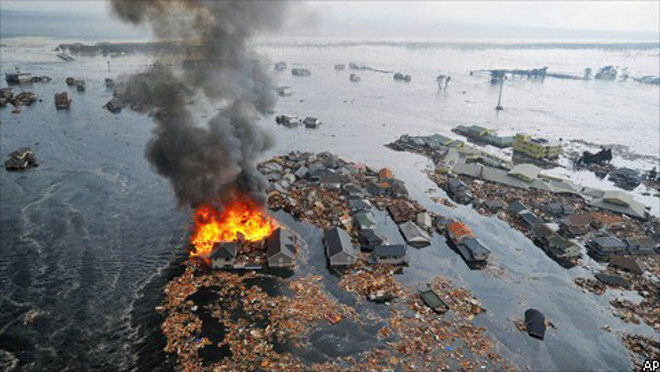
The contamination was thought to have spread from nuclear reactors damaged by the March 11 earthquake and resulting tsunami.
Authorities urged residents in the cities of Ichikawa, Funabashi and Matsudo not to let infants drink tap water.
In Ibaraki, a prefecture hard hit by the disaster and near the stricken power plant at Fukushima, officials of Hitachi Ota city found 245 becquerels of radioactive iodine per litre of water and 188.7 becquerels was detected in water in Tokai Village.
In Iwaki City, Fukushima prefecture, officials also found 103 becquerels of radioactive iodine per litre of water.
Chief Cabinet Secretary Yukio Edano urged an increase in production of bottled water.
The Tokyo metropolitan government said Wednesday infants should not drink tap water in the 23 wards that make up the capital city, and in five cities in the western part of the Tokyo prefecture, after finding radioactive iodine at around 200 becquerels per litre in the water.
The Tokyo metropolitan government decided late Wednesday to provide 240,000 bottles of water to households with infants.
"When we think (radioactive iodine) was in the water yesterday, we were frightened," one mother holding a baby told a programme on public broadcaster NHK.
As fear of radioactive contamination has spread, the government has started monitoring soil, seawater and air around the plant to evaluate the pollution and its impact on agricultural and fishery products.
Earlier Thursday, the plant's operator Tokyo Electric Power Co resumed work to restore power and key cooling functions after it was disrupted by dark smoke from a reactor building on Wednesday.
The government's nuclear safety commission confirmed that the smoke stopped early Thursday, Kyodo News reported. The cause of the smoke was not known, the commission said.
External power was connected to all six reactors at the plant late Tuesday and the operator was struggling to restore power to all functions including the cooling systems.
The operator restored lighting in the control room for reactor 3 Thursday.
Radiation contamination spreads in Japanese tap water
Levels of radioactive iodine rose at water-purification plants near Tokyo Thursday as authorities warned that infants in the area should not be given tap water to drink.