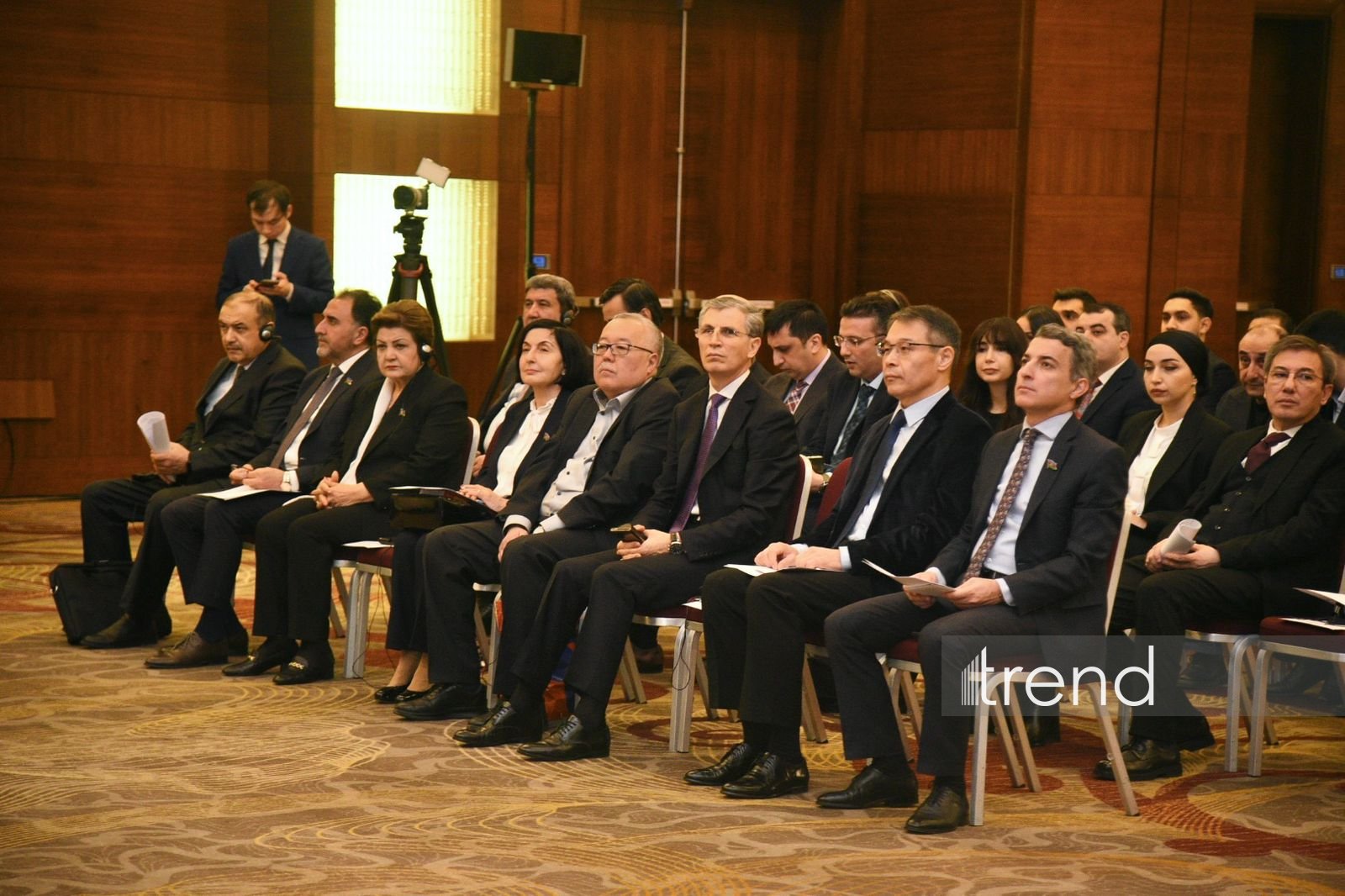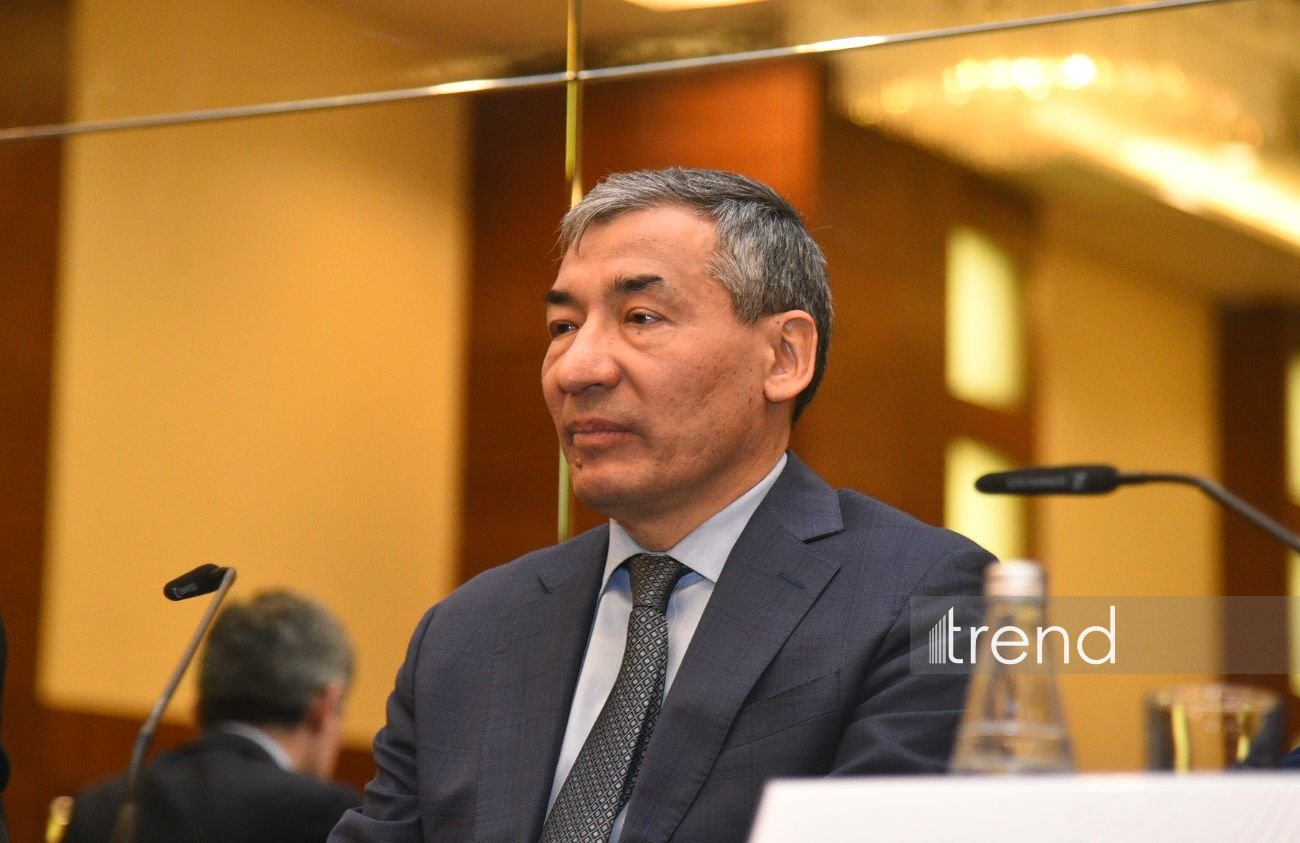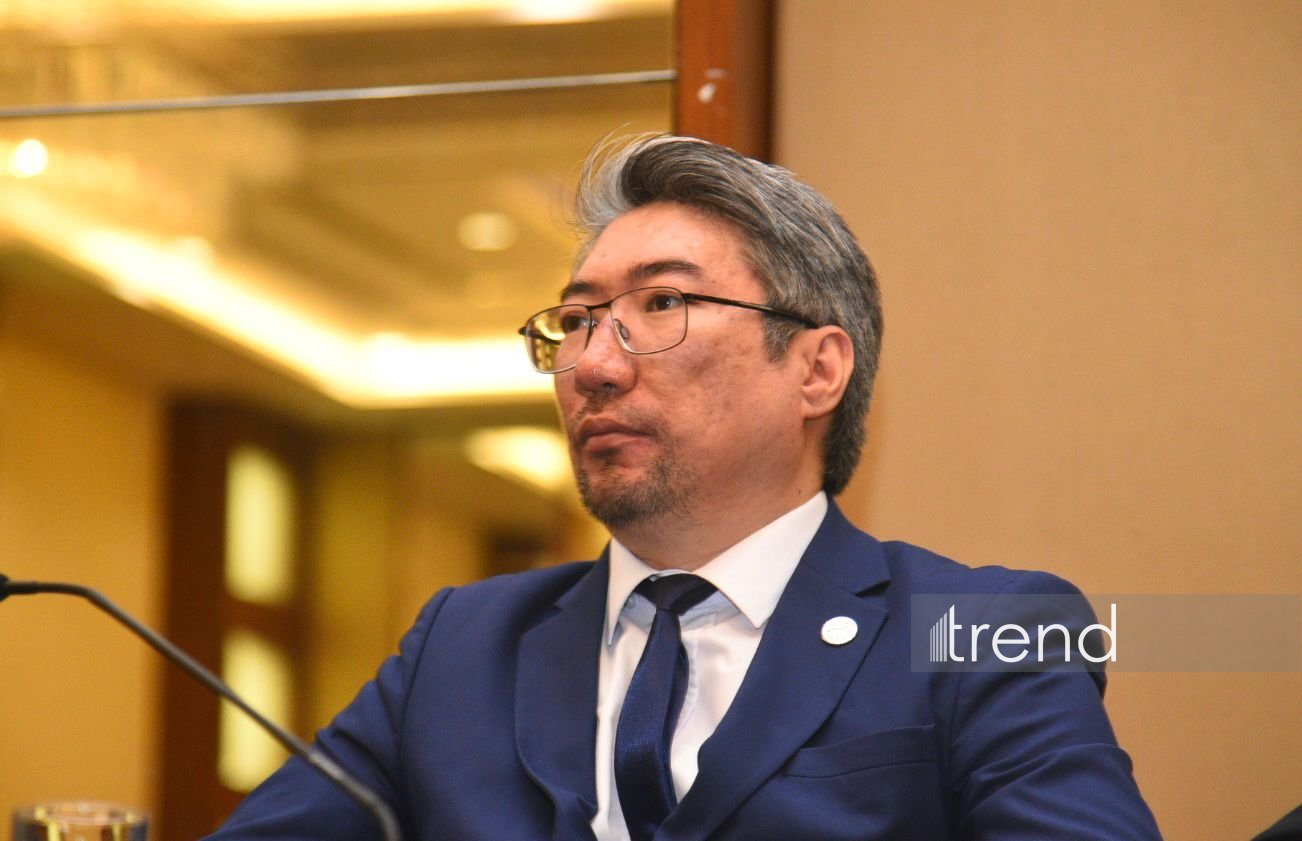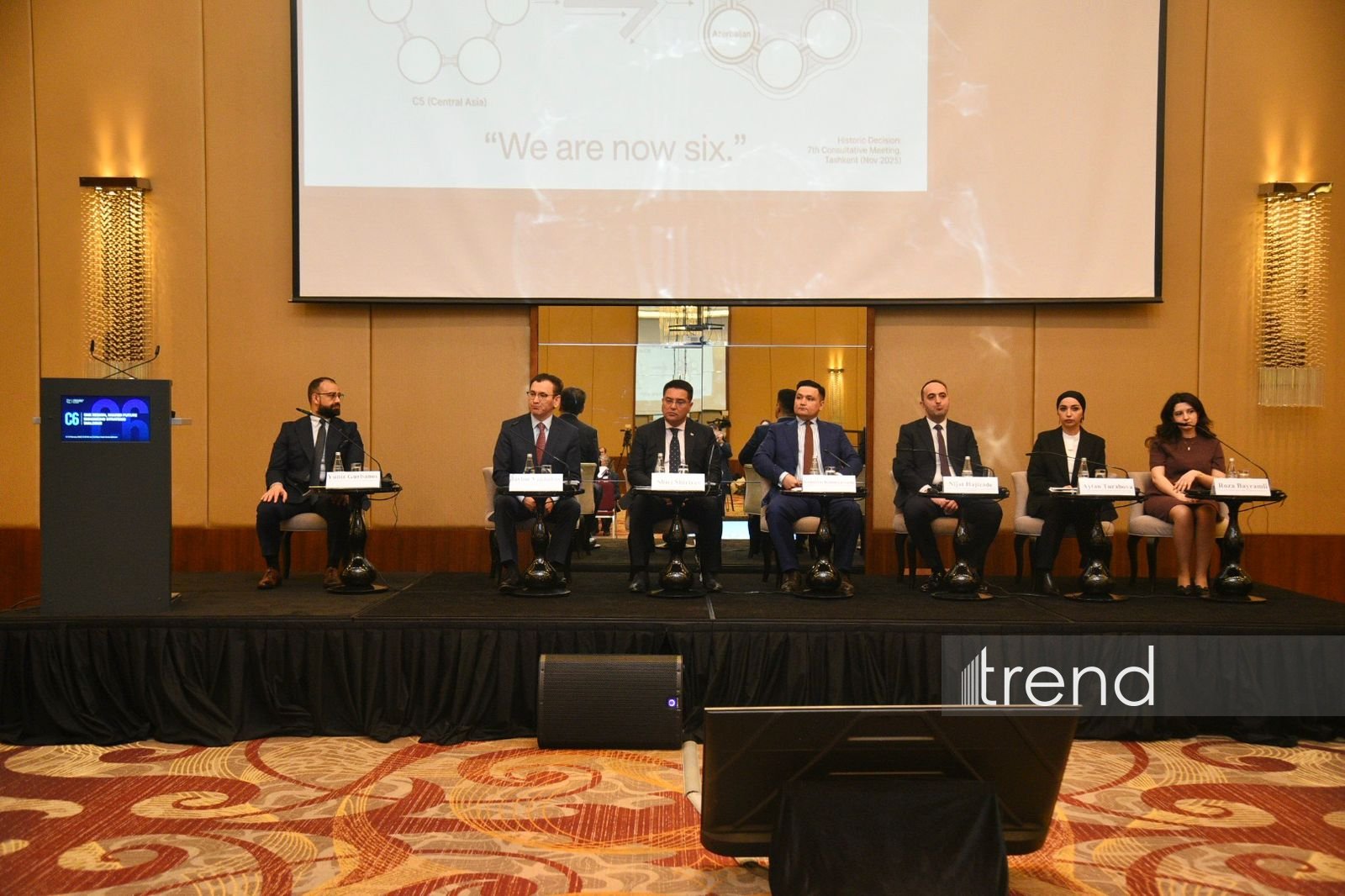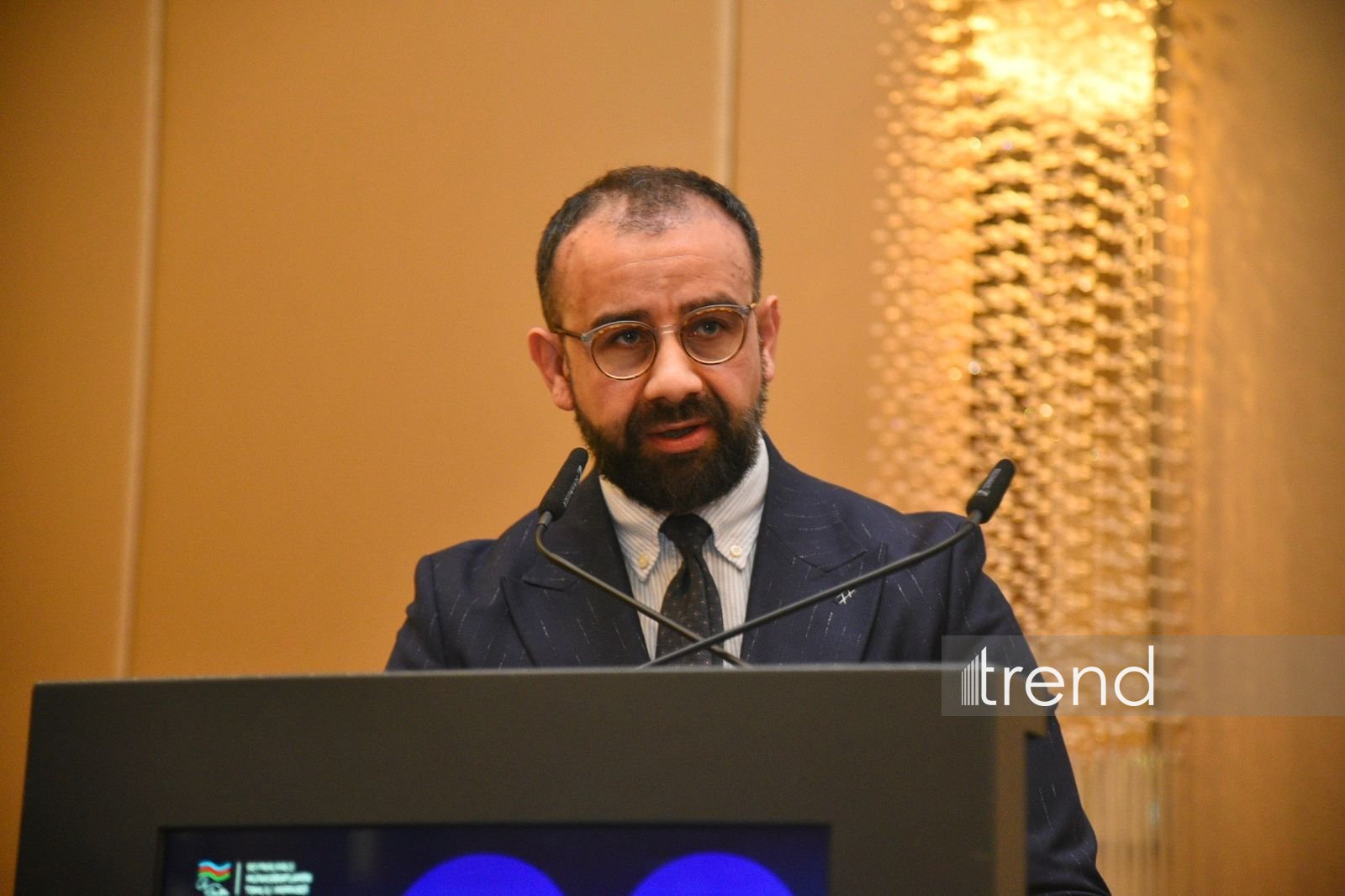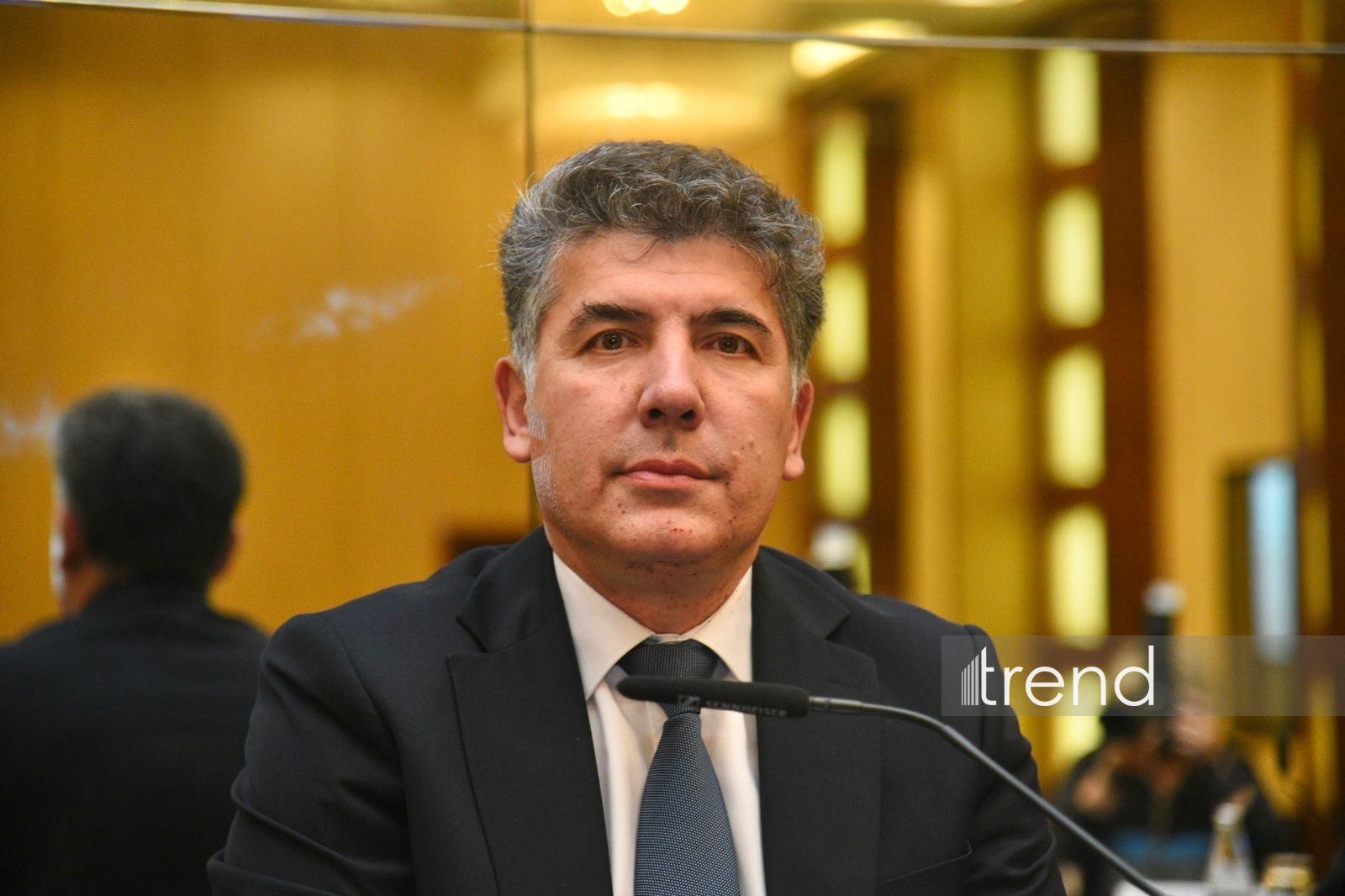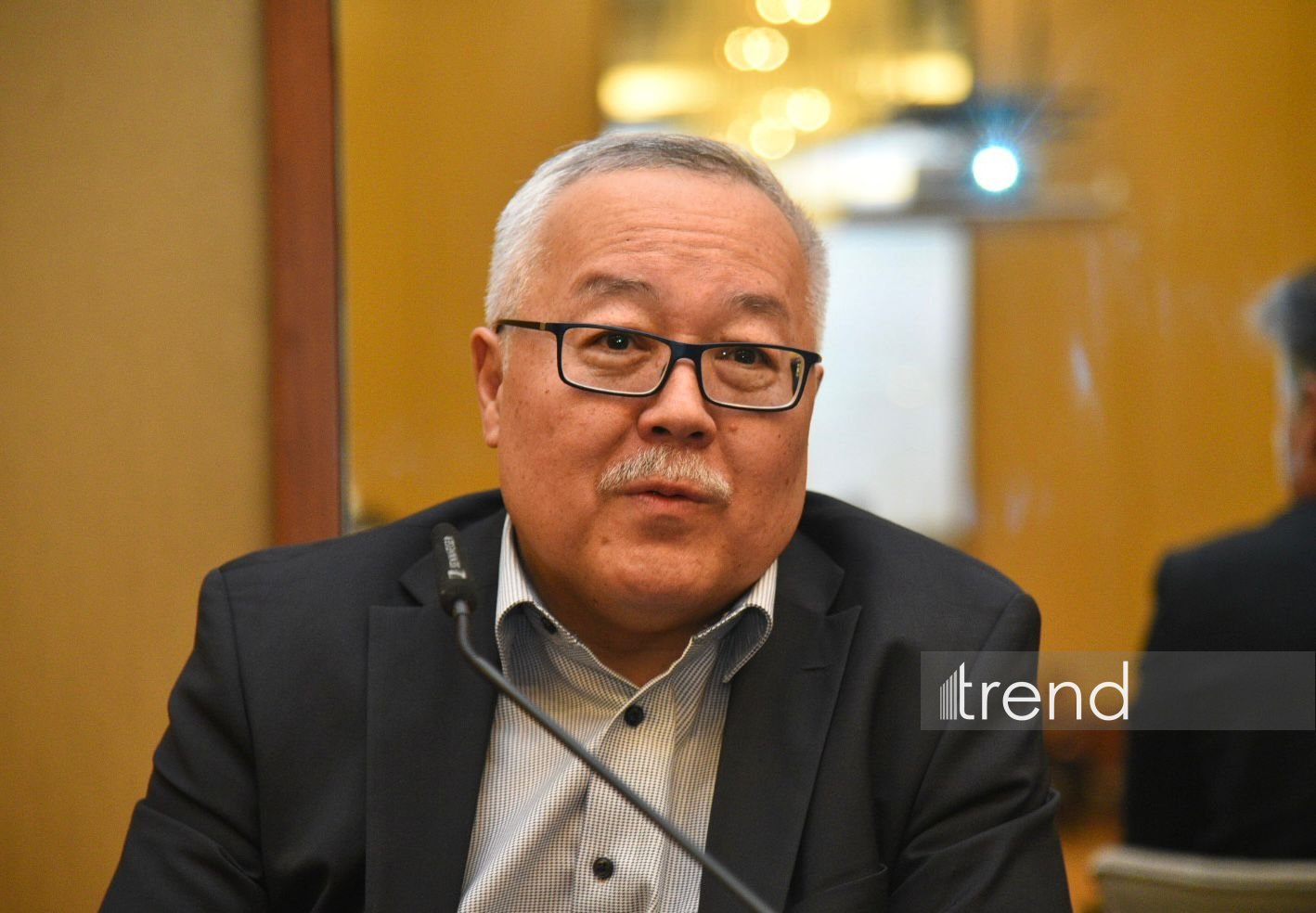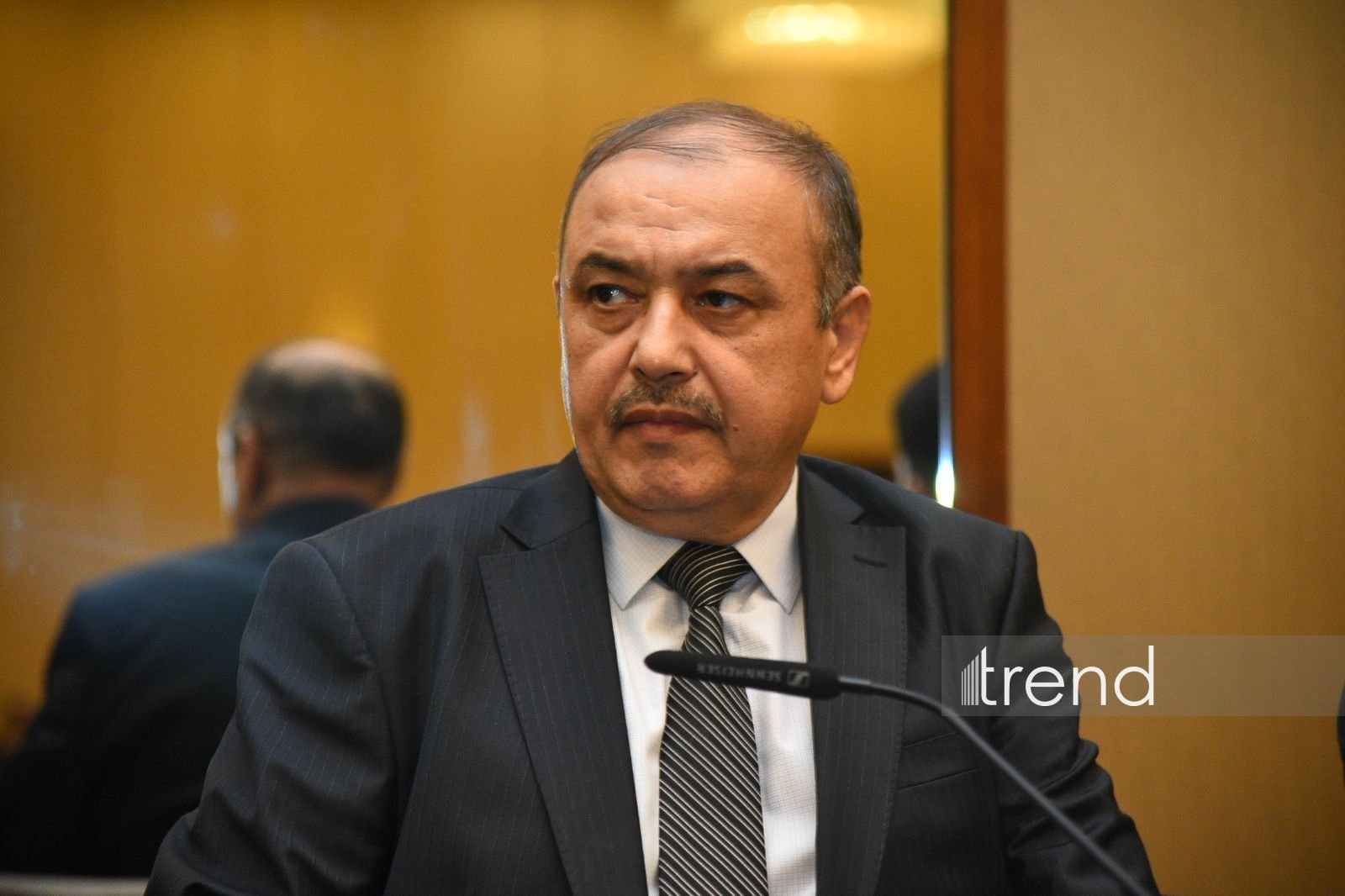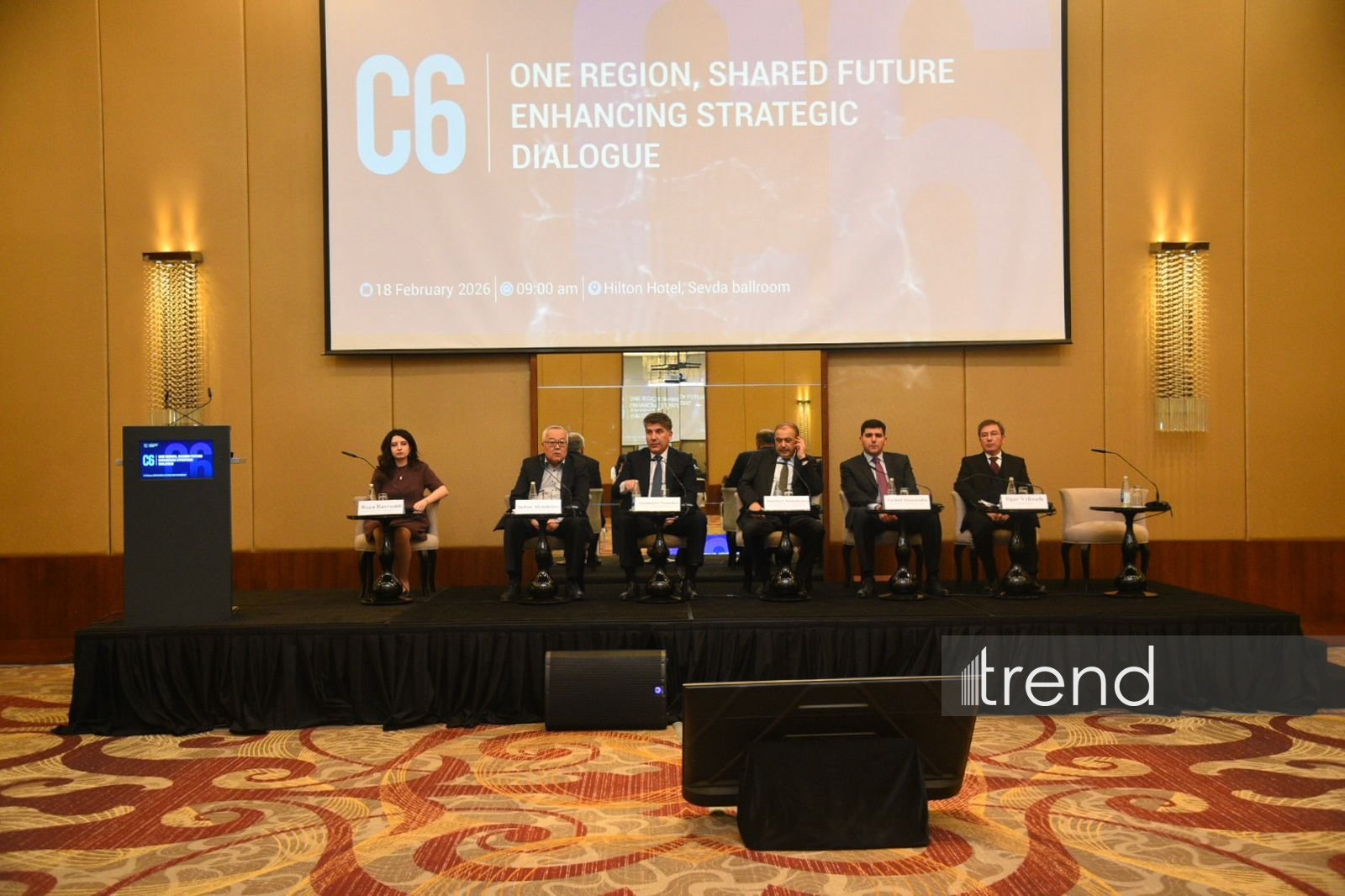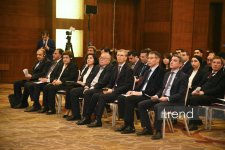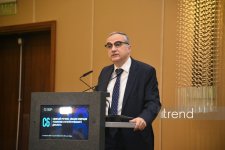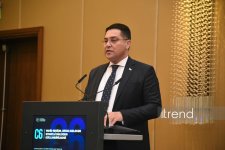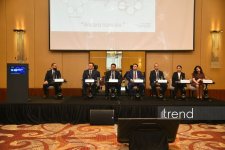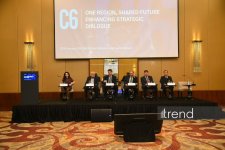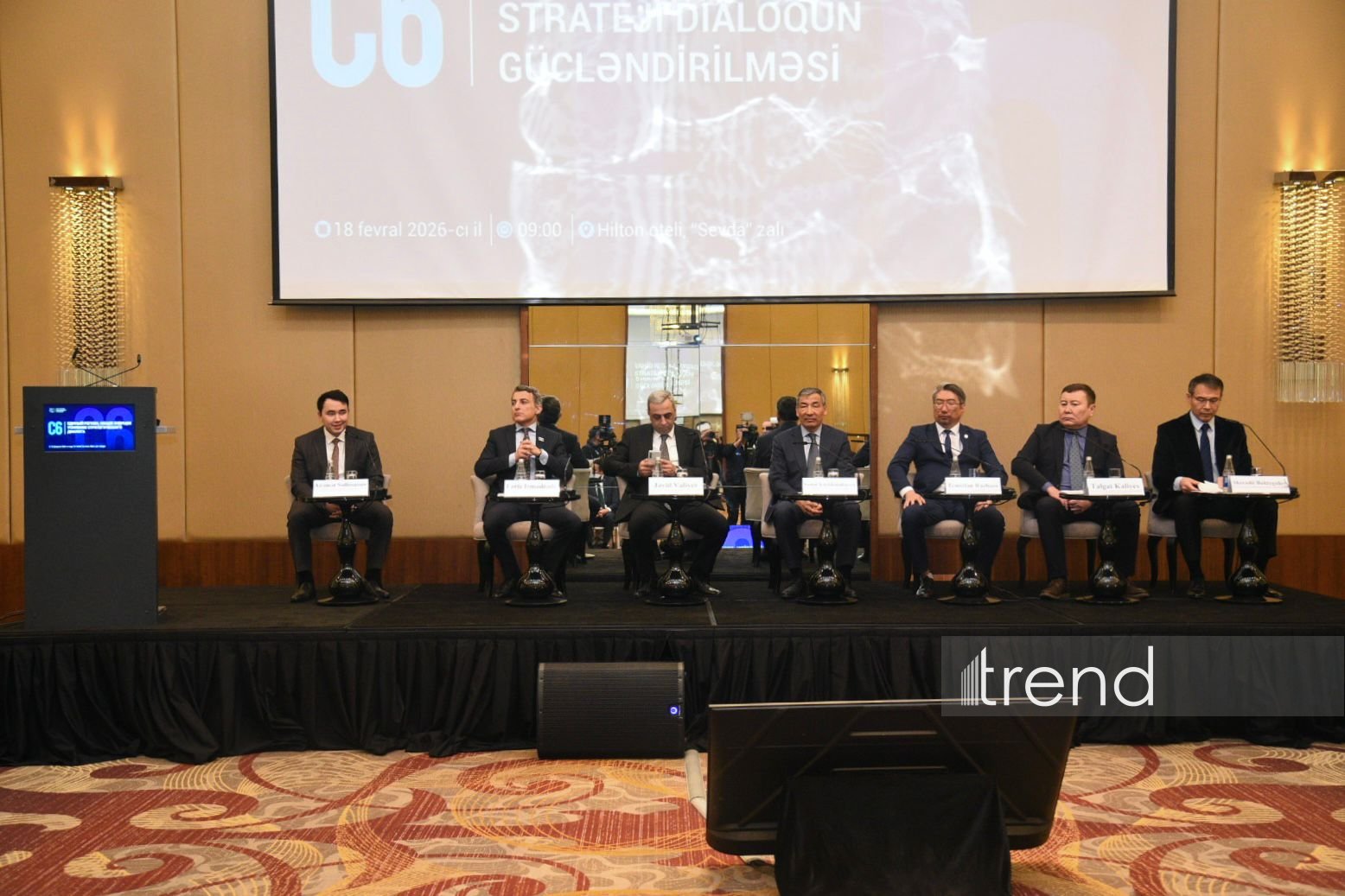
BAKU, Azerbaijan, February 18. An international conference entitled 'C6: One region, shared future – enhancing strategic dialogue' took place in Baku, Trend reports.
The event was organized as an expert dialogue and is dedicated to Azerbaijan's accession to the consultative platform for meetings of Central Asian heads of state.
The event was also attended by Deputy Director General of Trend International News Agency and Deputy Chairman of the Baku Network Research Center, Sahil Karimli.
The conference discussed prospects for expanding regional cooperation and strengthening strategic interaction.
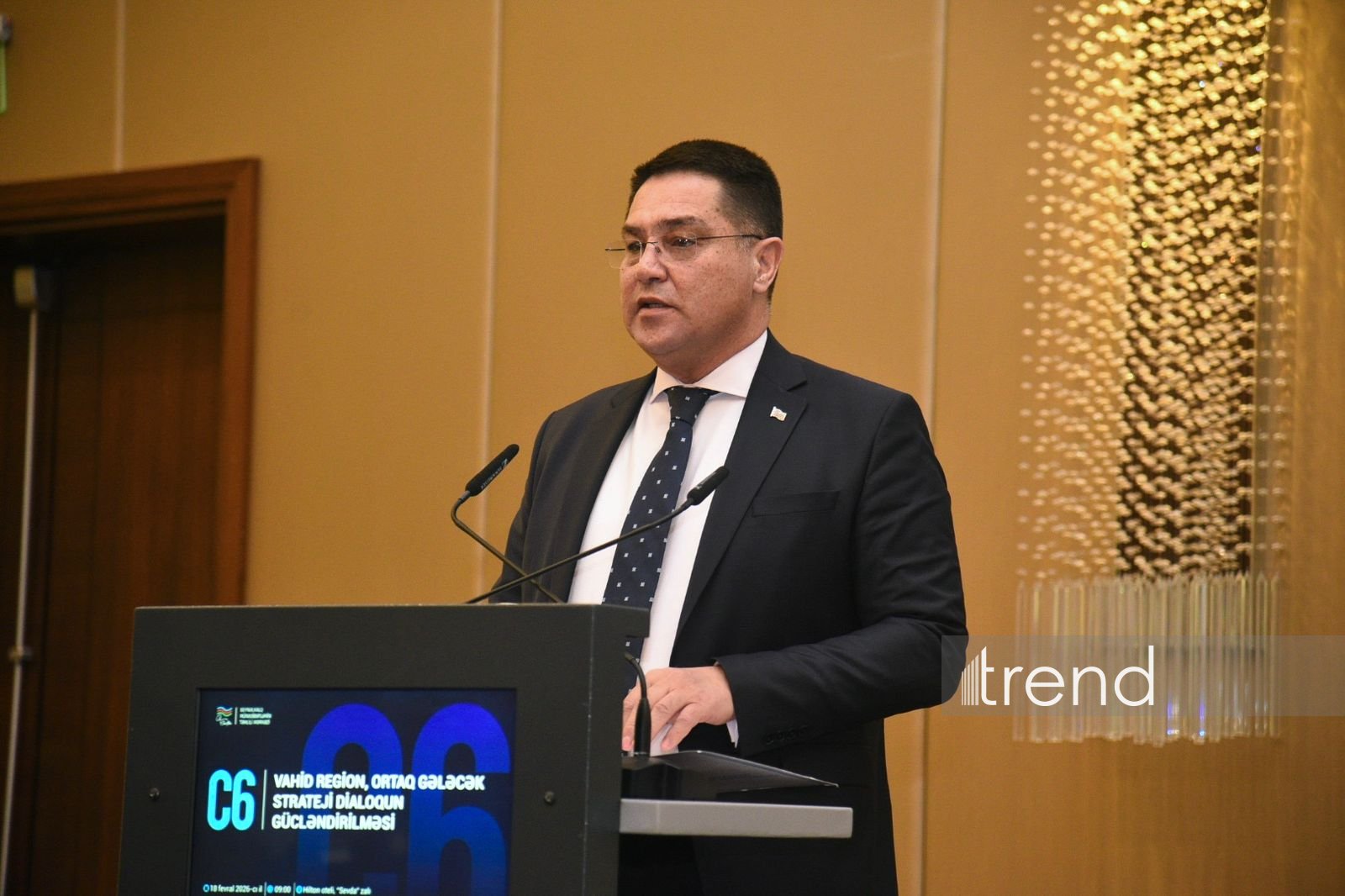
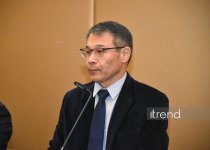
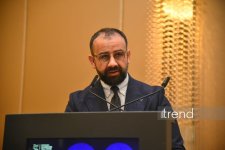
Speaking at the event, Shiri Shiriyev, Director of the Center for Strategic Studies at the Institute of International Relations of the Ministry of Foreign Affairs of Turkmenistan, noted that Azerbaijan's accession to the Consultative Platform for Meetings of Central Asian Leaders opens a new chapter in the history of regional cooperation, and the current meeting is an important step in this direction.
According to him, the strategic importance of the C6 format cannot be overestimated: “It is not just a platform for dialogue, but a living mechanism that allows us to find joint solutions in conditions of global instability and build sustainable economic ties based on mutual benefit, as well as strengthen trust through humanitarian cooperation and exchange of experience.”
Shiriyev noted that the expert community plays a key role in this process.
“It is analysts, researchers, and representatives of think tanks who create the intellectual foundation for making informed decisions,” he added.
At the same time, he noted that expert recommendations help transform ideas into concrete mechanisms for cooperation, allow risks to be anticipated, and enable opportunities to be exploited effectively.
“It is equally important that active interaction between experts from different countries contributes to the formation of a unified agenda that takes into account the interests of all parties,” Shiri Shiriiev emphasized.
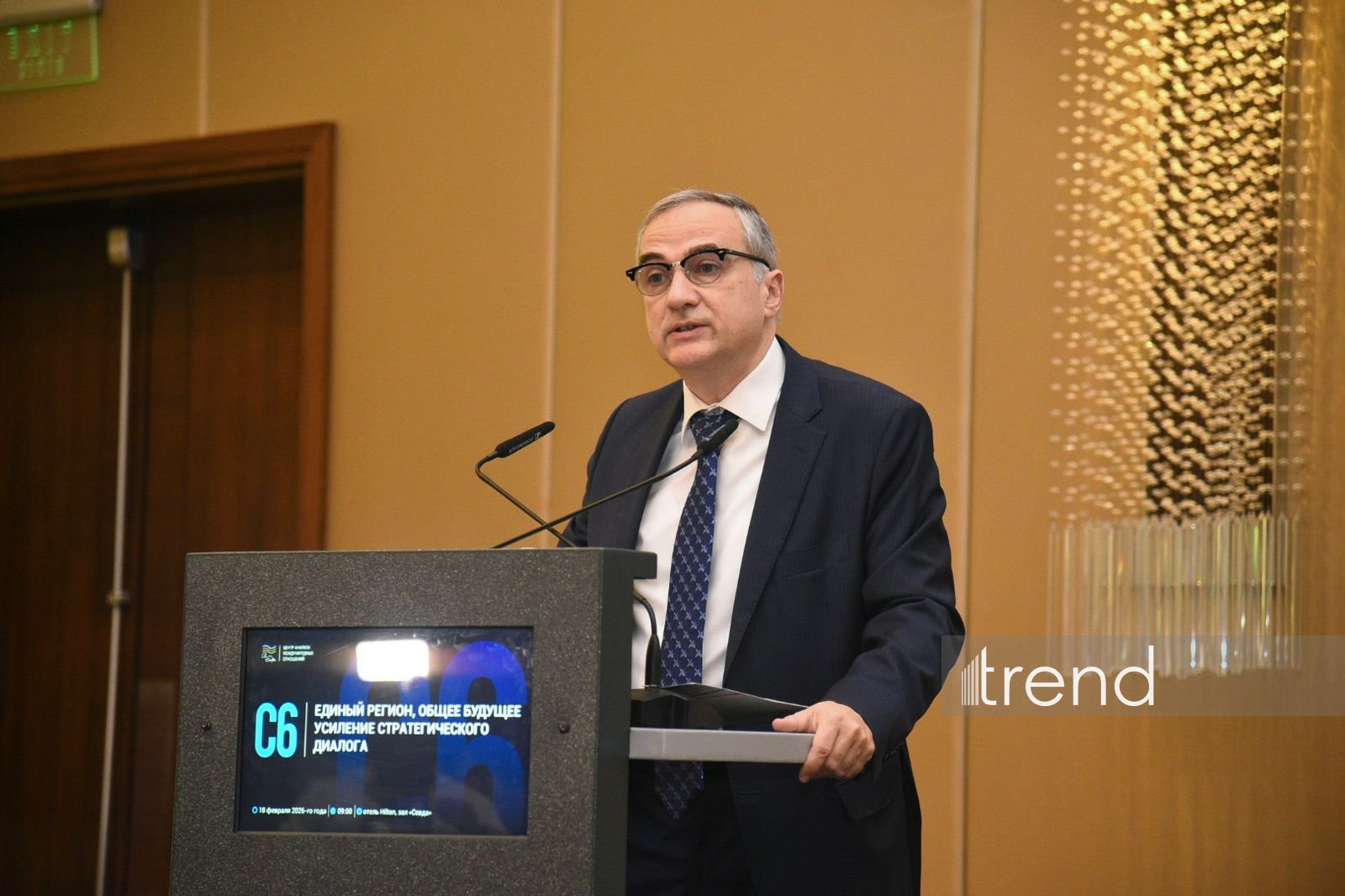
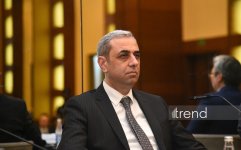
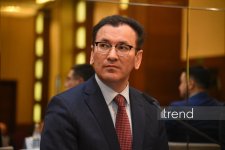
Farid Shafiyev, Chairman of the Board of the Center for Analysis of International Relations, noted that Central Asia is not only a neighboring region for Azerbaijan, but also a natural partner.
According to him, ensuring strategic stability requires strengthening ties between countries, diversifying economic and transport routes, and building cooperation based on common interests. Only such an approach can guarantee stability and sustainable development in the region.
Shafiyev stressed that Azerbaijan's foreign policy over the past six years has been shaped by these realities:
"Expanding cooperation with Asian institutions and deepening strategic partnerships has allowed us to strengthen our country's eastern vector, while maintaining constructive dialogue with the US and its European partners based on mutual respect. This balanced approach helps reduce vulnerability, create new opportunities, and shape additional prospects for both regional and national development."
He also noted that Central Asia is not only a neighbor to Azerbaijan, but also a natural partner.
"Our shared history and rich cultural heritage are important foundations, but the main factor distinguishing our current cooperation is geo-economics—cooperation in the fields of energy, transport, logistics, and infrastructure. At a time when traditional assumptions about the stability of Eurasia are losing their relevance, these ties are taking on new meaning and strategic importance," Shafiyev added.
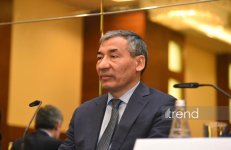
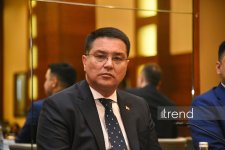
Azamat Sulimanov, head of the Institute for Strategic and Interregional Studies under the President of the Republic of Uzbekistan, noted that Central Asia has now entered a qualitatively new stage of development.
According to him, Central Asia has quickly progressed from dialogue to real partnership: "Territorial issues have been resolved, borders have been opened, and cooperation in energy, transport, and trade has been established. Consultative meetings of the heads of state of Central Asia played a key role in this process, serving as an important pillar of the regional cooperation architecture."
Sulimanov stressed that these meetings have proven their effectiveness as a tool for direct and systematic dialogue between the leaders of the countries.
“I believe that Azerbaijan's accession to this format allows us to talk about a qualitative rethinking of the regional space, in which the Caspian Sea ceases to be a border and becomes a connecting element. This, in turn, entails the interconnection of transport corridors, energy routes, and economic interests,” he noted.
In addition, the expert emphasized that this contributes to strengthening interregional connectivity between Central Asia and the South Caucasus, as well as strengthening the region's international standing.
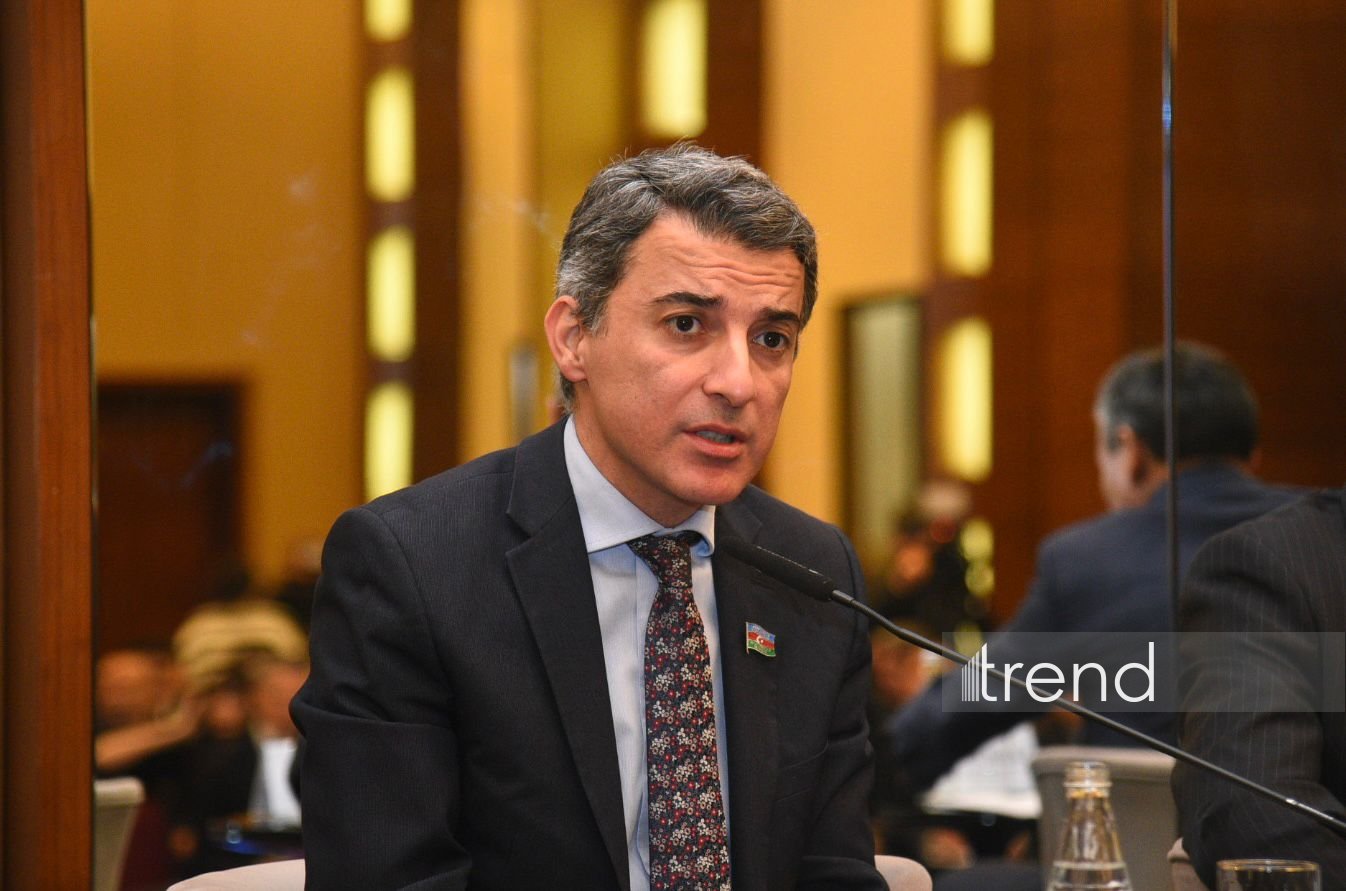
Furthermore, speaking about transport opportunities, Fariz Ismailzade, Deputy of the Azerbaijani Parliament, Vice-Rector of ADA University, and Director of the Institute for Development and Diplomacy, stated that the development of the Middle Corridor has played a major role in the integration processes between Azerbaijan and the countries of Central Asia.
According to him, political, economic, and humanitarian assistance have contributed to strengthening Azerbaijan's ties with Central Asian countries.
“The development of the Middle Corridor has played a very important role in our integration processes, as Russian railways have been under sanctions for the last four years. Transporting European products to China and Central Asia via Russian railways has become more complicated,” Ismailzade said.
He added that Iran has been under sanctions for more than 20 years and, accordingly, the Middle Corridor - a route through Baku and Alat connecting ports with Aktau and Turkmenistan - has become a key integration link for the development of relations.
“I want to emphasize that Azerbaijan is paying more and more attention to China. In April last year, President Ilham Aliyev paid a state visit to China, where a strategic partnership agreement was signed,” he said.
At the same time, Fariz Ismailzade emphasized that the development of Azerbaijani-Chinese relations also contributes to the strengthening of integration processes in Central Asia.
"To access Chinese markets, Azerbaijan must pass through Central Asia. This means the development of infrastructure and transport projects, energy projects, and joint investments. Therefore, Azerbaijan now has bilateral investment funds with Kazakhstan, Uzbekistan, and Kyrgyzstan, which actively contribute to the strengthening of economic ties," he added.
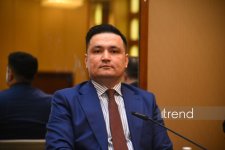
Furthermore, speaking at the event, Sanat Kushkumbayev, chief researcher at the Kazakhstan Institute for Strategic Studies under the President of the Republic of Kazakhstan, stated that Azerbaijan's inclusion in the Central Asian format is not an opportunistic decision, but a restoration of historical ties that existed previously.
According to him, this is about recreating a situation that already existed before.
“This is not some kind of opportunistic, institutional, or other decision to expand the format,” the expert noted.
He recalled that Azerbaijan had already participated in previous Central Asian summits and emphasized historical continuity: the Inter-Republican Consultative Council was established back in 1991.
Talgat Kaliev, a member of the National Kurultai under the President of the Republic of Kazakhstan, noted that Central Asia has the potential to become an analogue of the production sites of China or India.
According to him, Central Asia has its own rare earth resources, a high level of human capital, and labor resources that are cheaper than in the European Union.
“We could attract technology in exchange for this and gradually develop our own production capacities to a whole new level. At the same time, it is extremely important for us to develop our own security and defense capabilities,” he noted.
In addition, Kaliev emphasized the need for coordinated action in negotiations with the European Union and the United States on resource issues.
“Today, we are in a unique position: we can trade not just raw materials, but provide resources in exchange for technology. This will allow us to consistently build up our production and technological base and increase the level of human capital,” he added.