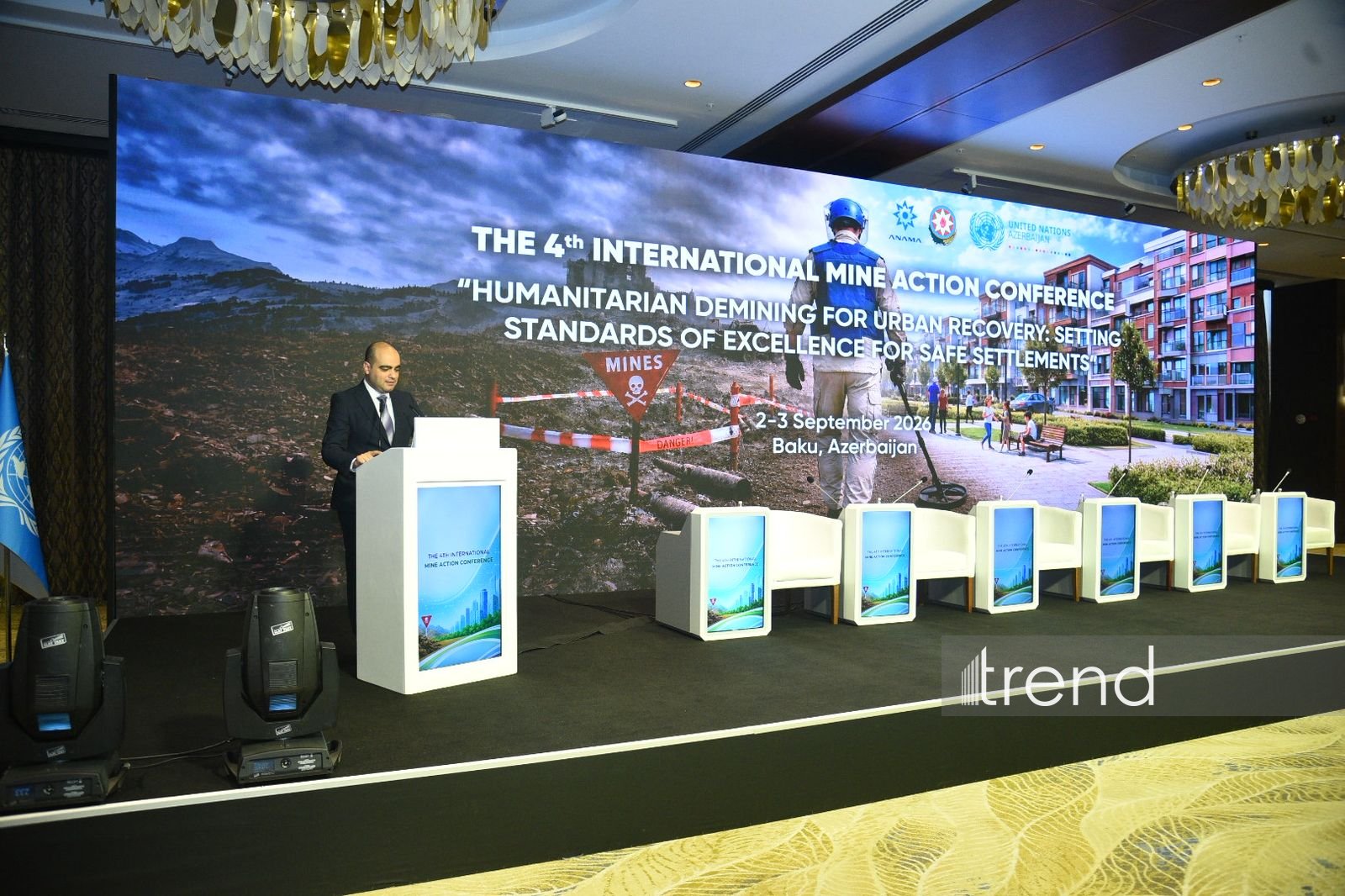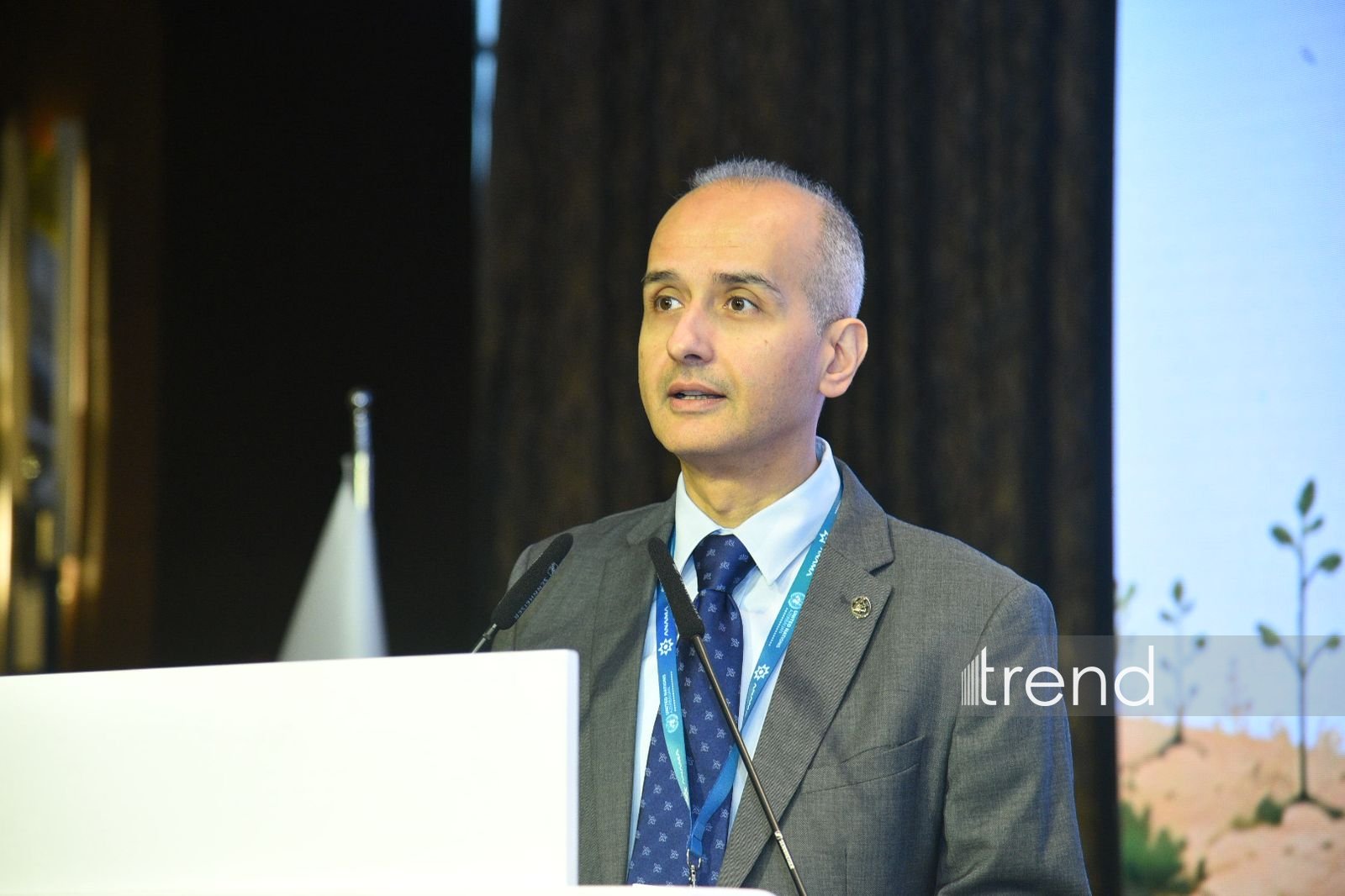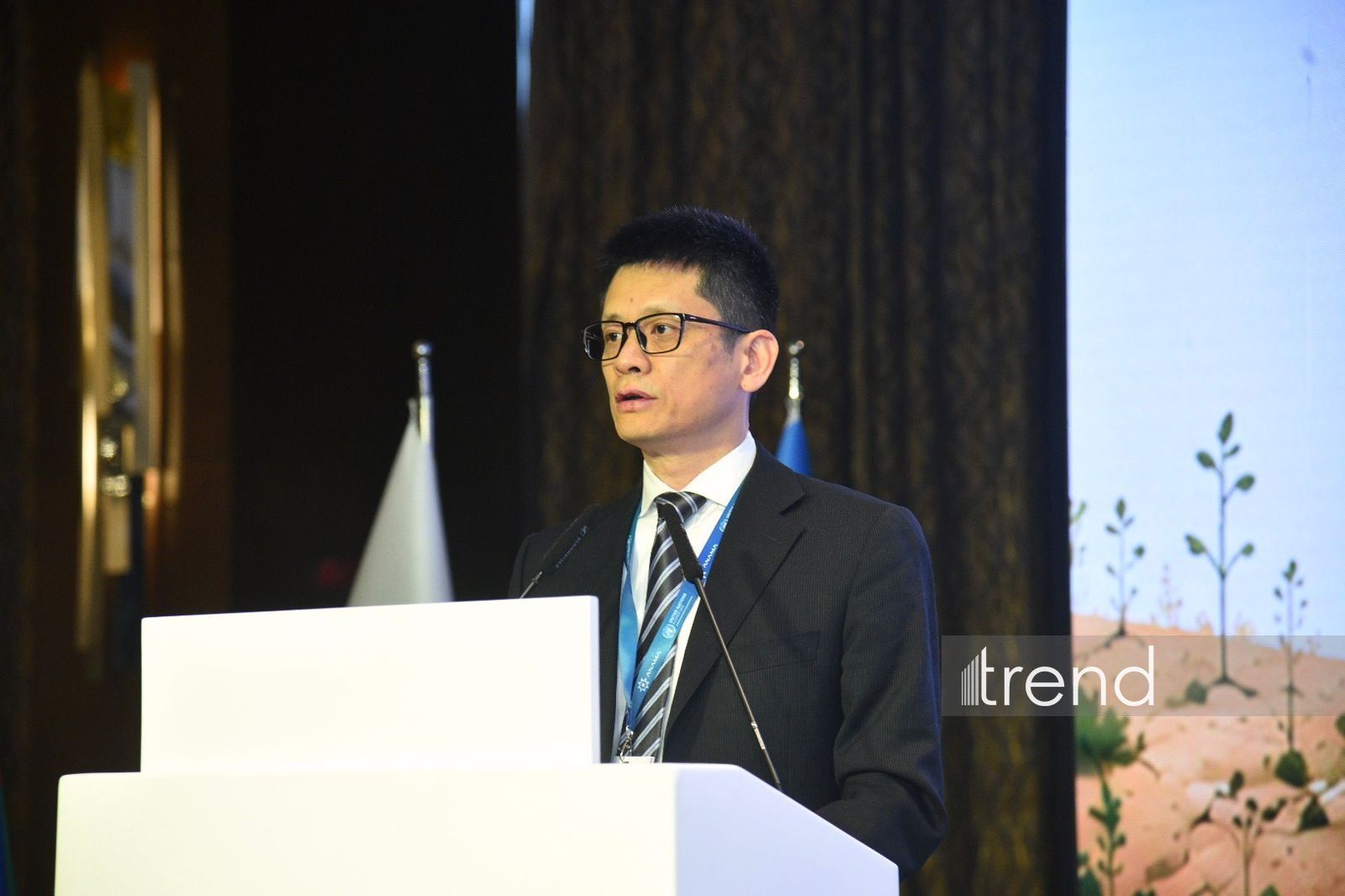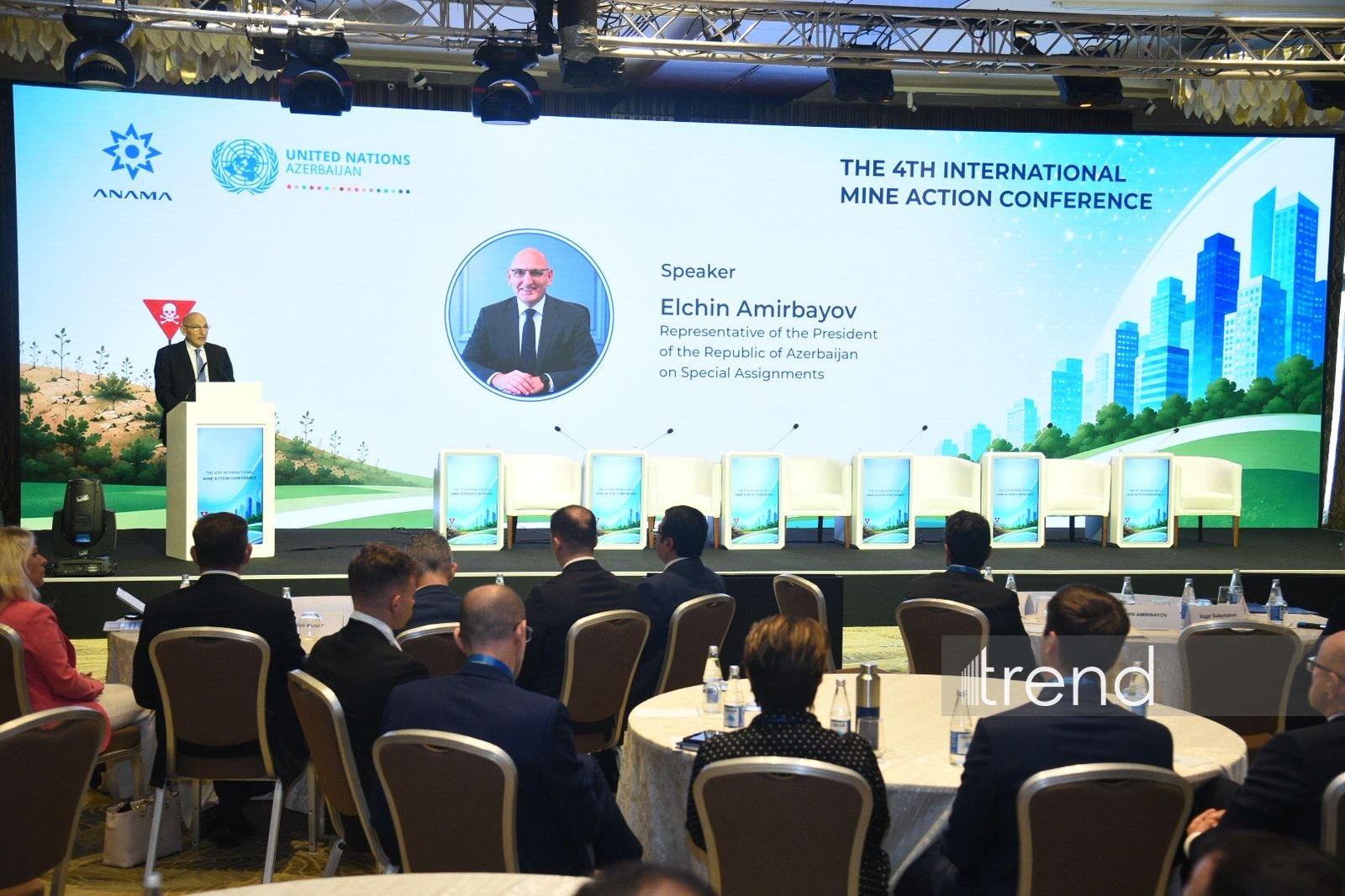

BAKU, Azerbaijan, September 3. The 4th International Mine Action Conference on “Humanitarian Demining for Urban Recovery: Setting Standards of Excellence for Safe Settlements”, jointly organized by the Azerbaijan National Agency for Mine Action (ANAMA) and the UN Office in Azerbaijan, has concluded, Trend’s correspondent reports from the event.
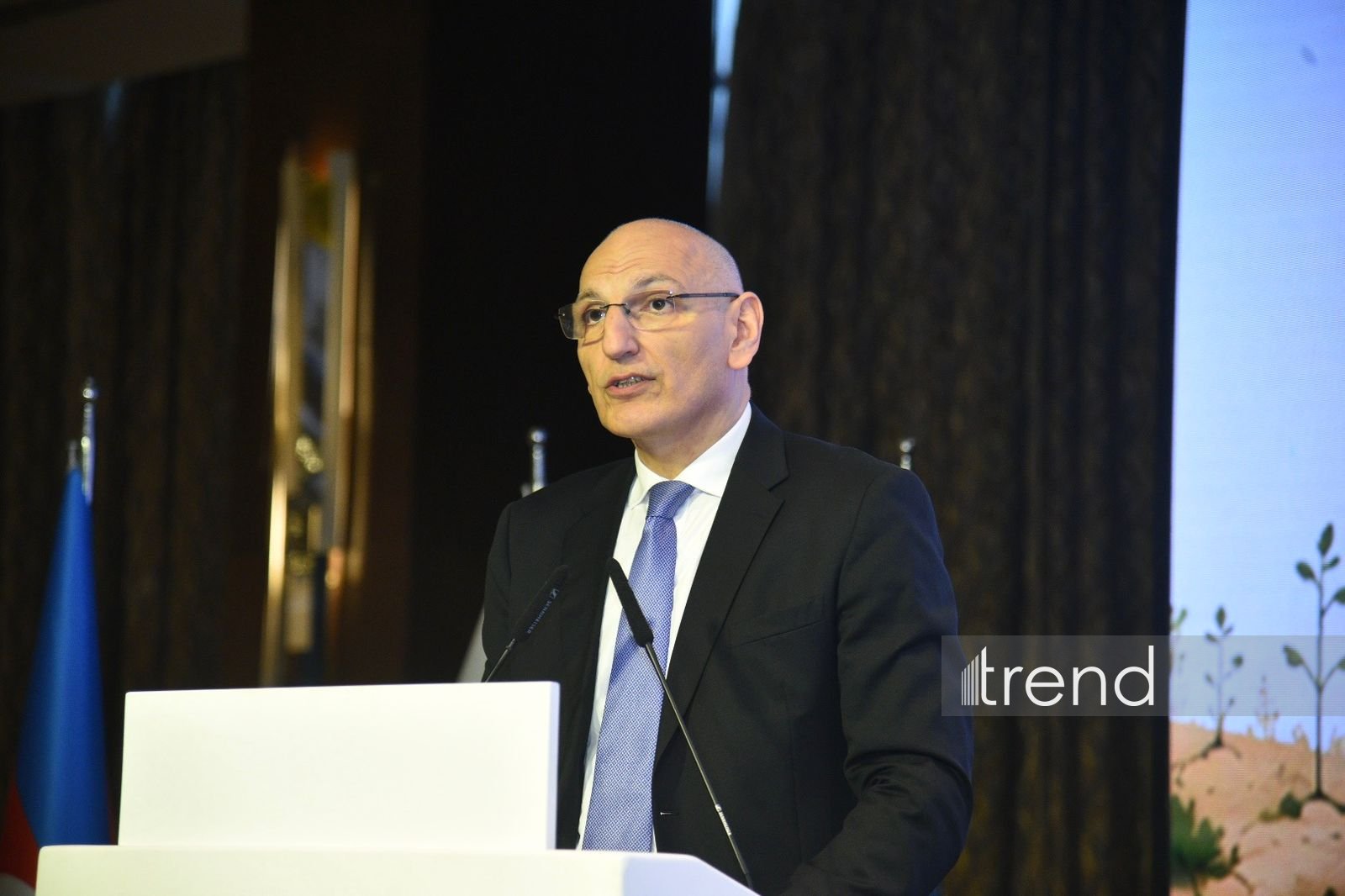
Speaking in the second day of the event, the Representative of the President of the Republic of Azerbaijan on special assignments, Elchin Amirbayov, noted that this year’s conference is dedicated to humanitarian demining for safe settlement and reconstruction.
“This year’s conference is dedicated to humanitarian demining for safe settlement and reconstruction. However, in my remarks, I would like to approach this topic from a slightly different perspective—that of the role demining plays as part of peacemaking.”
The main message here is very simple: as long as the physical consequences of the war continue to threaten people’s lives, restrict mobility, slow economic activity, and hinder the return of former internally displaced persons, peace cannot be considered fully established. Peace is not created by political agreements alone. Peace must be visible on the ground, in real life. But one of the biggest obstacles to making peace visible in Azerbaijan lies underground. “Since the end of 2020, 437 people in Azerbaijan have been affected by mines – either killed or injured,” Amirbayov said.
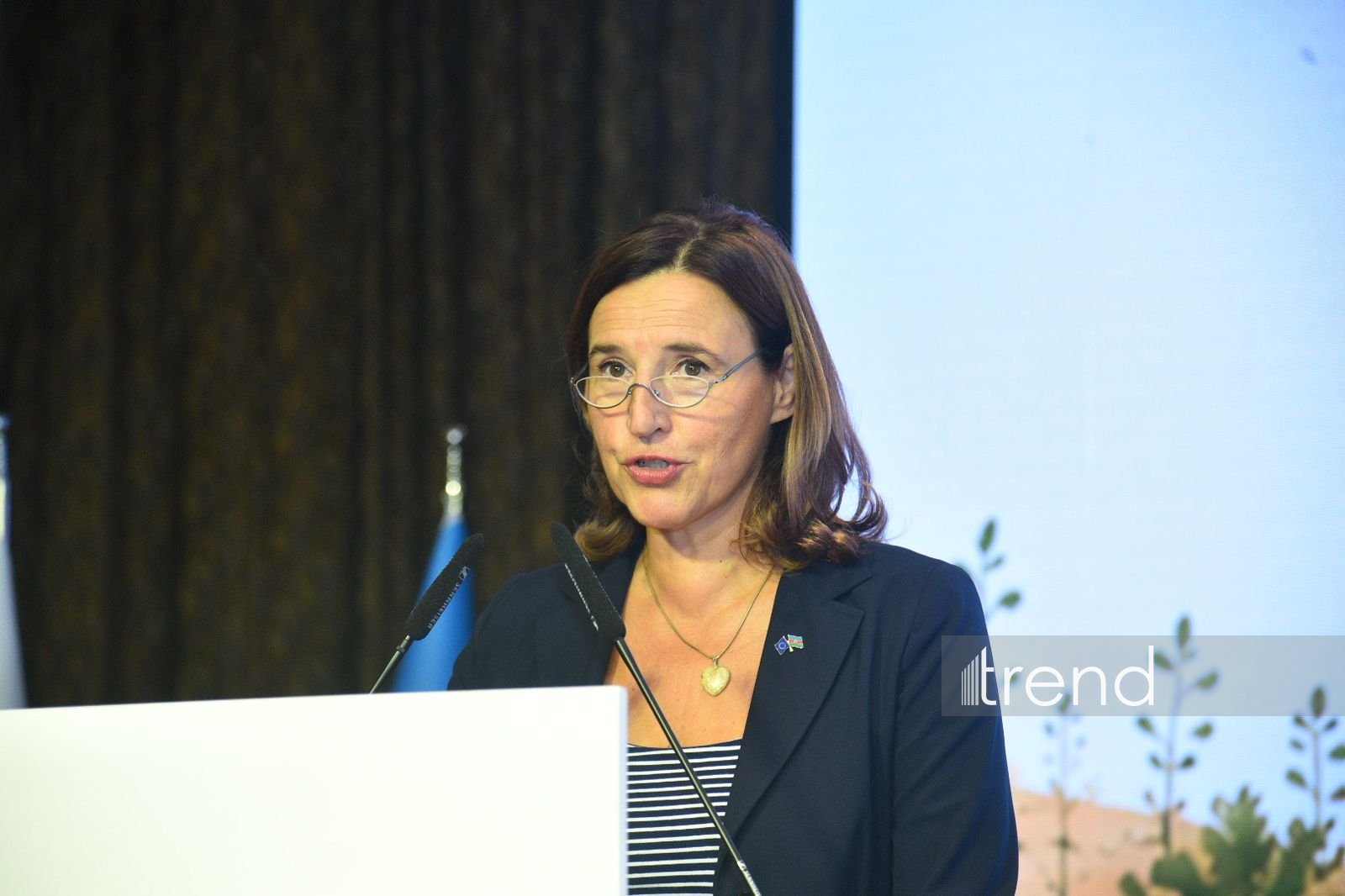
The Head of the European Union Delegation and Ambassador of the European Union to Azerbaijan, Marijana Kujundžić, emphasized that demining creates the necessary conditions for people to return and for homes and public infrastructure to be rebuilt.
Kujundžić noted that demining is not merely the clearance of contaminated areas of mines.
“This work involves creating the necessary conditions for people to return, for homes and public infrastructure to be rebuilt, and for communities to return to normal life, stability, and hope,” emphasized the head of the European Union Delegation to Azerbaijan.
She pointed out that no one should have to live in fear of the ground beneath their feet.
“In this regard, today’s discussions are of particular importance. These discussions allow us to exchange experiences on how demining activities can more effectively contribute to the reconstruction of cities, how standards can be improved, and how partnerships can help achieve more effective results on the ground.
Ultimately, the goal is not simply to clear areas of mines. The goal is to restore security. It’s not just about eliminating risks. It’s about allowing people to return. It’s not just about opening up areas for use. It’s about rebuilding communities,” she said.
Meanwhile, Azerbaijan’s Deputy Minister of Economy, Anar Akhundov, noted that humanitarian demining activities are one of the top priorities of Azerbaijan’s state policy.
“Azerbaijan is working closely with the United Nations to advance the implementation of the Sustainable Development Goals. The transportation infrastructure has been developed, and the return of residents to their ancestral lands has become a reality. For Azerbaijan, demining is not an end in itself.
The ultimate goal is to safely return demined lands to productive economic use, create conditions for people to live and for businesses to operate, and generate sustainable economic value for investments,” he added.
The second day of the conference has featured panel discussions on “Policy Integration in Mine-Affected Urban Recovery,” “Technology & Innovation for Safer and More Effective Humanitarian Demining,” and “Country Case Presentations: National Experiences and Lessons Learned in Humanitarian Mine Action.”
The conference has ended with the adoption of a final statement.
The conference aimed to discuss ways to raise global awareness of Azerbaijan’s mine problem, strengthen international cooperation in humanitarian mine action, highlight the role of mine clearance in ensuring safe and sustainable recovery, promote innovative approaches and the exchange of best practices, and mobilize international efforts to address the threat posed by mines.
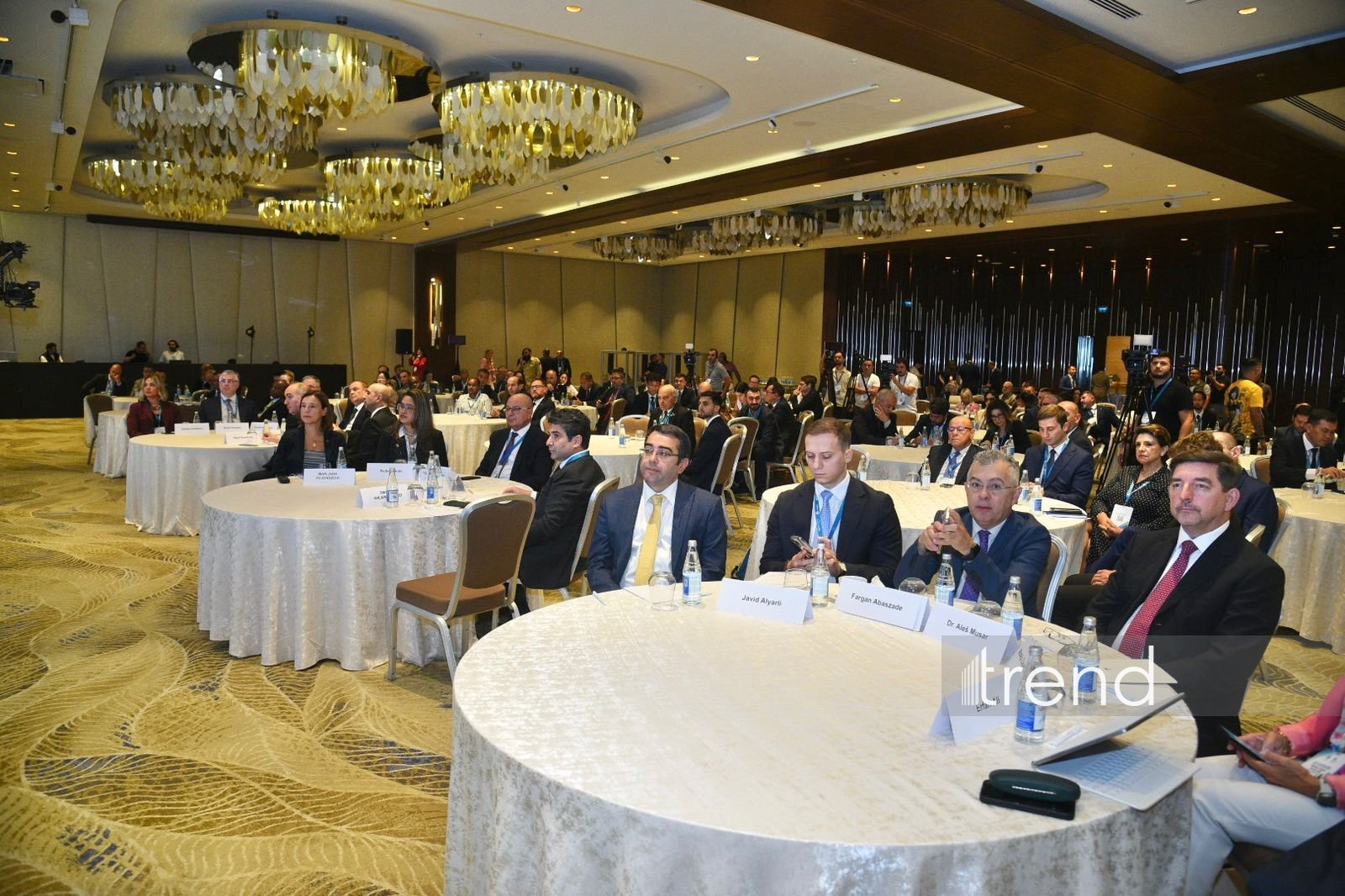
More than 400 representatives from 60 countries have taken part in the 4th International Humanitarian Mine Action Conference hosted by Baku. Participants included senior officials from a number of countries, representatives of UN agencies, officials from leading international organizations and national mine action centers, as well as representatives of diplomatic missions accredited in Azerbaijan.