



BAKU, Azerbaijan, January 29. The future of digital currencies has become one of the key topics of modern times. These currencies have taken the world by storm, and some nations have even rolled out the red carpet for them, giving them legal status. As a result, any updates about the future of electronic money pique the interest of both individuals and governments alike.
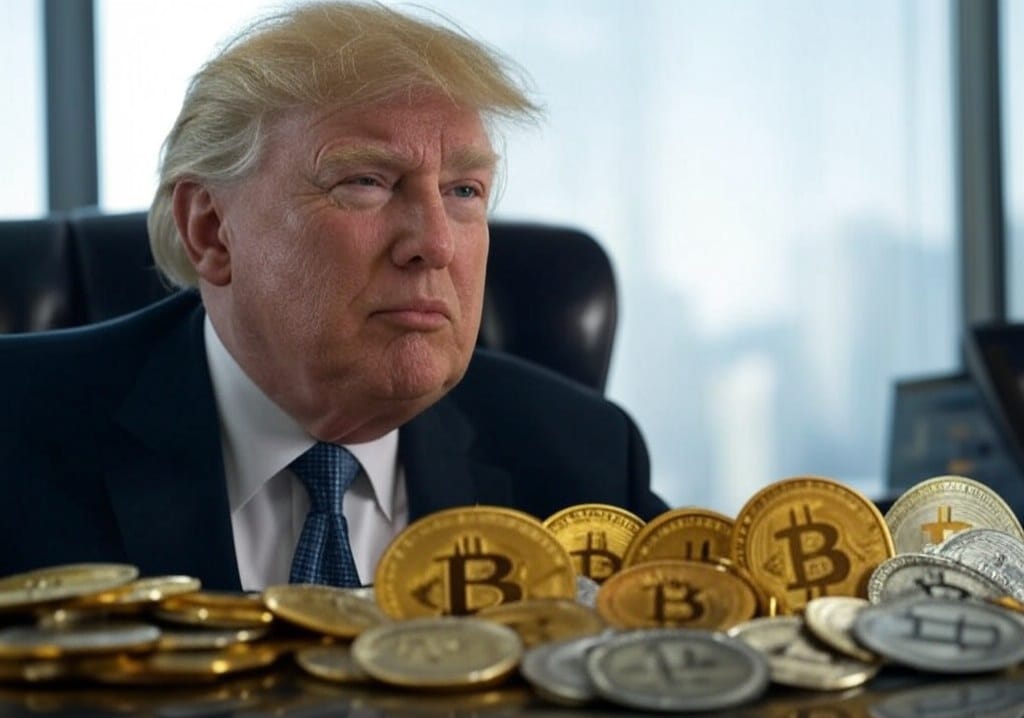
Bitcoin, considered a major currency in the digital world, reached an all-time high on January 20, rising to $109,588, sparking a five-fold increase in interest. Experts attribute this surge to Donald Trump’s inauguration as the 47th president of the United States, believing it may have influenced the price.
Given the growing interest in cryptocurrencies in Azerbaijan, any factors affecting their future are likely to become a topic of serious discussion.
Elnur Guliyev, Director of Crypto Consulting LLC, Head of the cryptoinvest.az portal, and lecturer at UNEC Business School, commented on the matter to Trend, stating that Trump’s failure to mention cryptocurrencies in his inaugural speech did not meet the expectations of the cryptocurrency community.
He also pointed out that, after this, the cryptocurrency market took a hit, with the price of Bitcoin dropping to a mere $99,777.
"According to technical analysis, the current main support level for Bitcoin is between $96,500-$97,000, while the resistance level is between $105,800-106,200. As a result, all attention is now focused on the US government’s decisions regarding cryptocurrency regulation, and further price fluctuations will depend on this fundamental factor," he said.
Guliyev also highlighted that the U.S. government holds cryptocurrencies worth $21. This portfolio includes Bitcoin, USDT, USDC, and UNI, making the US one of the largest cryptocurrency holders in the world. On January 23, Donald Trump signed an executive order titled "Strengthening U.S. Leadership in Digital Financial Technologies." After several days of anticipation, the cryptocurrency sector learned about the first important step in forming cryptocurrency policy, which includes the creation of a working group involving financial and trade ministers, as well as the chairperson of the Securities and Exchange Commission (SEC) and other high-ranking officials.

The expert suggests that the surge in cryptocurrency prices over the last year, coupled with Trump’s election—who is recognized as a Bitcoin advocate in the US—has sparked a heightened interest in digital assets among corporate entities, novice investors, and everyday people in Azerbaijan.
"These factors have motivated people to invest in cryptocurrencies, despite their risks. Despite their volatility, cryptocurrencies are much more profitable than traditional financial instruments.
However, in Azerbaijan, this remains mostly at the level of amateur investors, as the country still lacks clear regulatory mechanisms for cryptocurrencies. I hope that a decision regarding the legal status of cryptocurrencies will be made by the end of this year. This will have a positive impact on financial literacy, employment, and the development of the startup ecosystem in the country and will also serve as an impetus for the creation of new sectors such as mining, cryptocurrency exchanges, and local exchange services," he added.
Notably, the Central Bank of Azerbaijan (CBA), as the regulatory body, is actively analyzing the impact of Central Bank Digital Currencies (CBDC) on the economy and monetary policy of the country. For several years, the CBA has been closely collaborating with a number of central banks and international financial institutions to form a conceptual approach to CBDC and study international experiences in this area. A few years ago, the Central Bank of Azerbaijan received technical assistance from the International Monetary Fund (IMF) to develop an approach to CBDC implementation. All of this confirms that official structures have begun serious initiatives for the implementation of digital currencies in Azerbaijan.
Digital currencies are poised to influence not just the financial sector but also the broader economic landscape, societal frameworks, and regulatory environments.
Stay up-to-date with more news on Trend News Agency's WhatsApp channel



