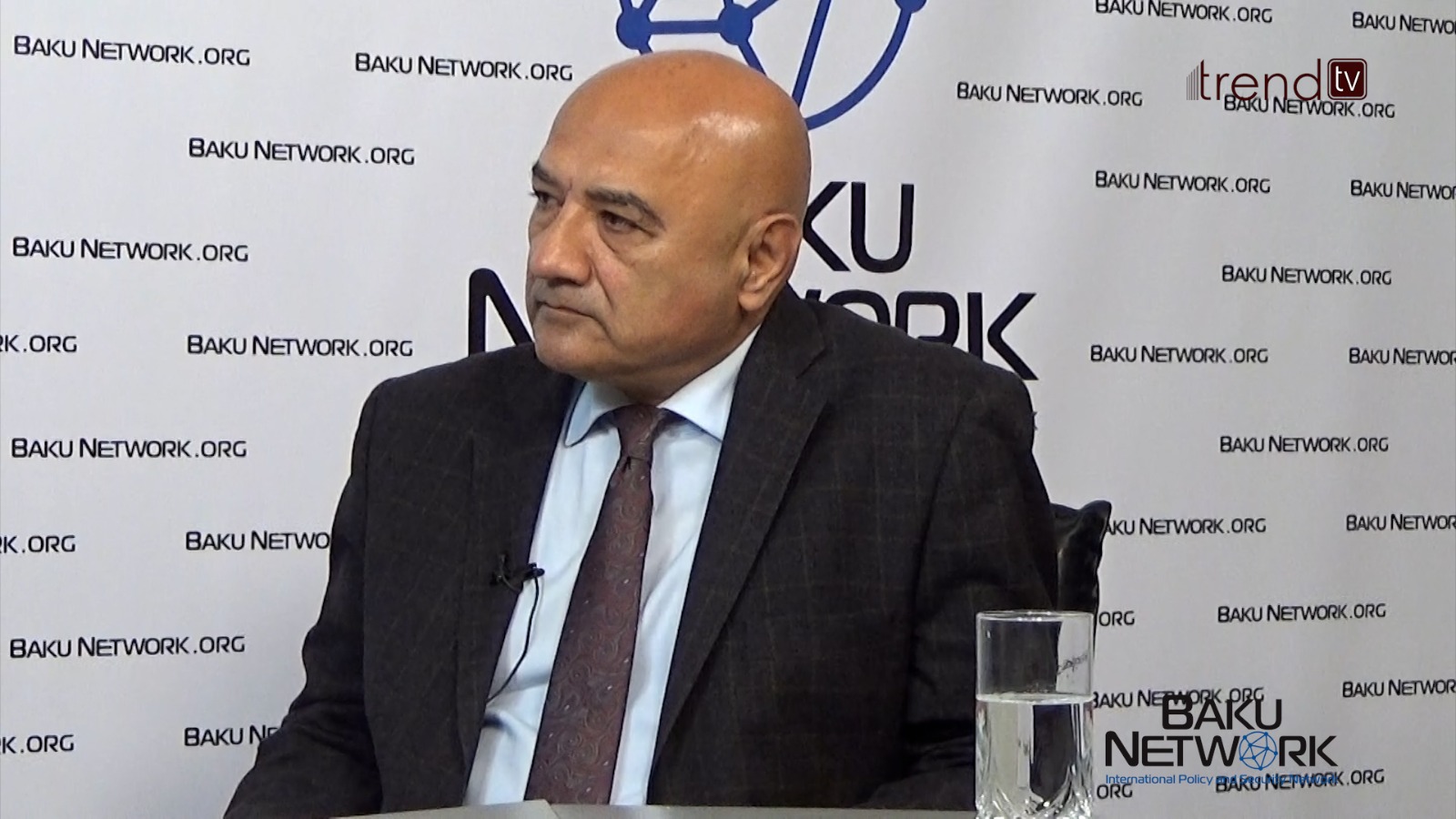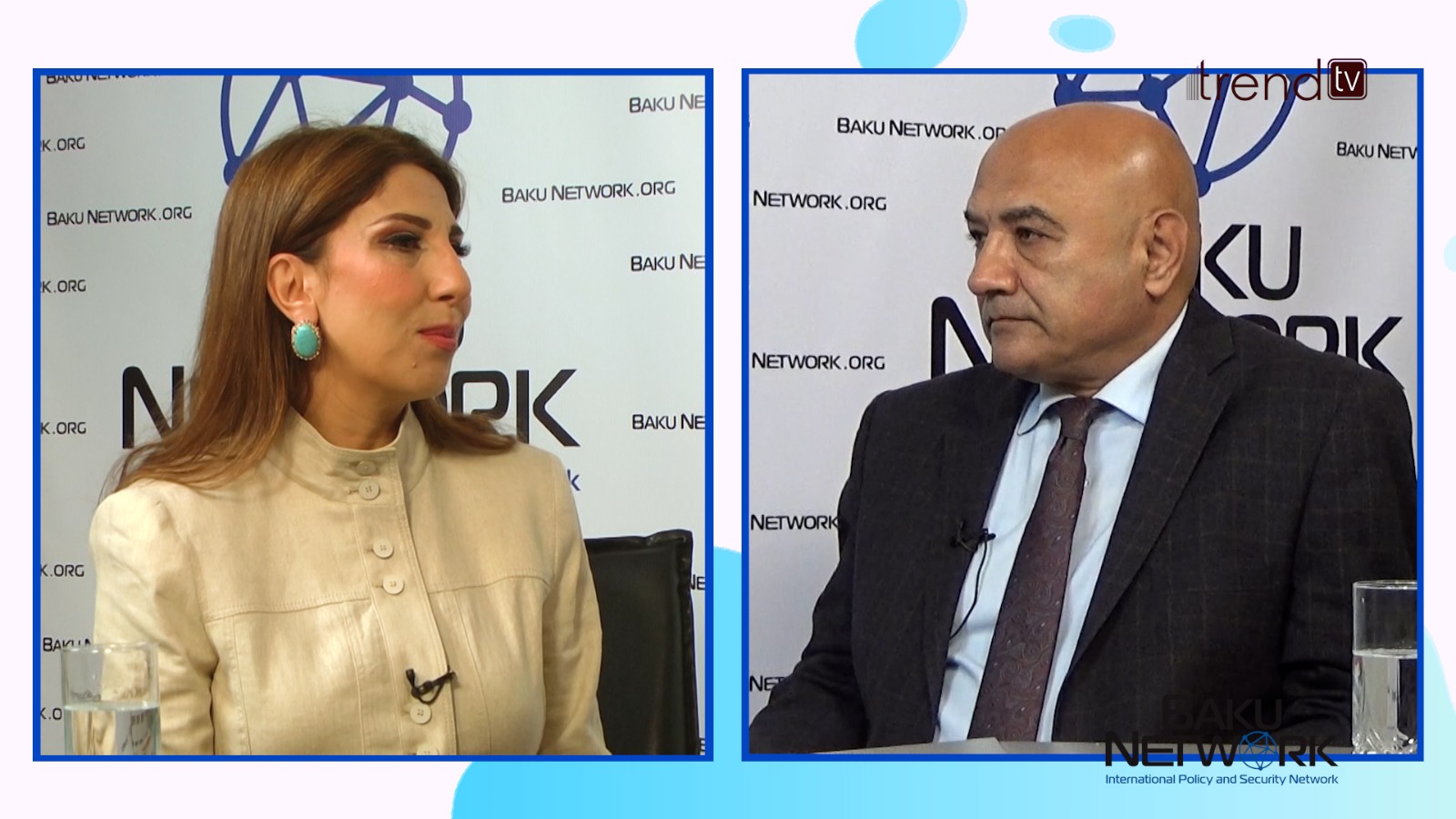
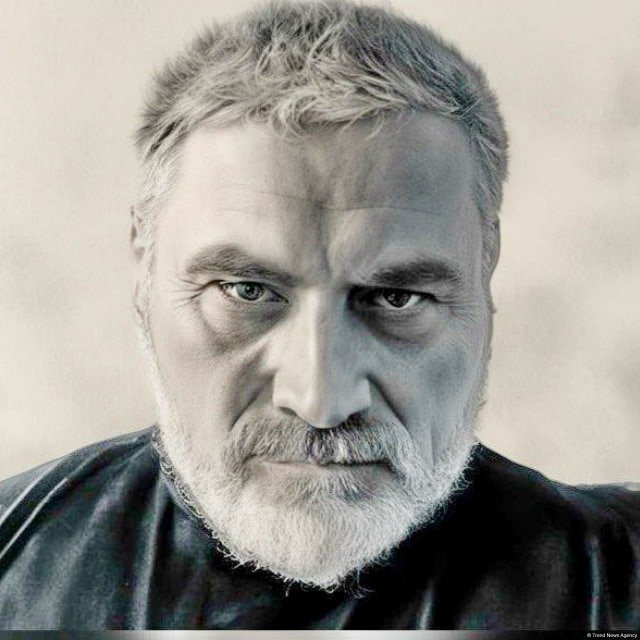
BAKU, Azerbaijan, April 7. The Baku Network platform has released the latest episode of the analytical video project “Dialogue with Tofig Abbasov,” dedicated to issues of culture, history, and statehood, Trend reports.
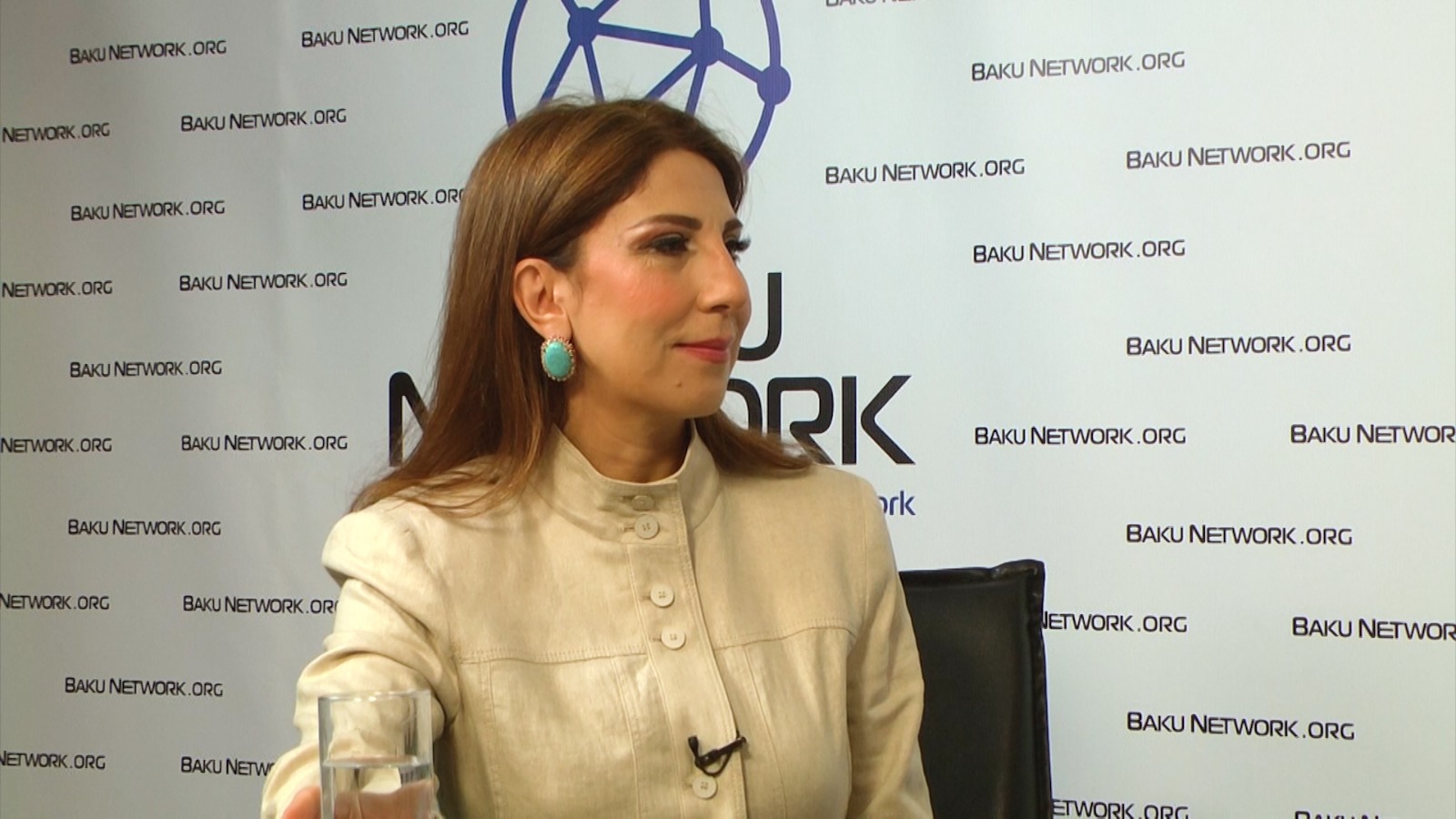
The guest of the program was Fidan Hajiyeva, People's Artist of Azerbaijan and opera singer, who discussed the prospects for long-term peace in the South Caucasus.
"Long-term peace in the South Caucasus is within reach, with culture, art, and humanitarian ties poised to play a defining role alongside politics and diplomacy," she said.
She emphasized that amid the rapid transformations shaping the modern world, it is music, theater, poetry, and authentic culture that sustain inner harmony, reinforce moral resilience, and foster a deeper understanding of unfolding events.
A substantial part of the discussion explored the role of art during pivotal and turbulent moments in history. According to Hajiyeva, during wartime, cultural figures viewed their mission as providing vital moral support to both society and those on the front lines.
“When we were at war, we all sang patriotic songs. Even though I have patriotic songs in my repertoire, at that moment, during that period, we all sang specifically to raise the morale of the soldiers and the people. This was imperative,” she noted.
Addressing the prospects for regional peace, Hajiyeva expressed confidence that the normalization process in the South Caucasus rests on a solid and realistic foundation. In her view, lasting progress toward peace hinges on political will, mutual respect, and the absence of external interference by forces seeking to sustain tensions.
During the conversation, Hajiyeva also highlighted efforts to promote Azerbaijani culture abroad, noting that her students are already gaining international recognition and representing national art on global stages, an encouraging sign of a rising generation of performers.
“My students are already abroad, winners of international awards. And it's very gratifying that they are already representing our art beyond Azerbaijan's borders,” she said.
The interview also addressed the challenges of raising children in an increasingly digital world. According to Hajiyeva, the growing influence of social media and virtual platforms has a profound impact on younger generations, placing greater responsibility on parents, educators, and the broader cultural environment.
In conclusion, Hajiyeva emphasized that Azerbaijan possesses a rich cultural heritage, a strong musical tradition, and a well-established school of performing arts. She stressed that the task at hand is not only to preserve this legacy but to actively promote it on the global stage.
“We have everything. We must value it all. Love it, support it, and promote it,” said Hajiyeva.
The full video recording of the program is presented to readers: