


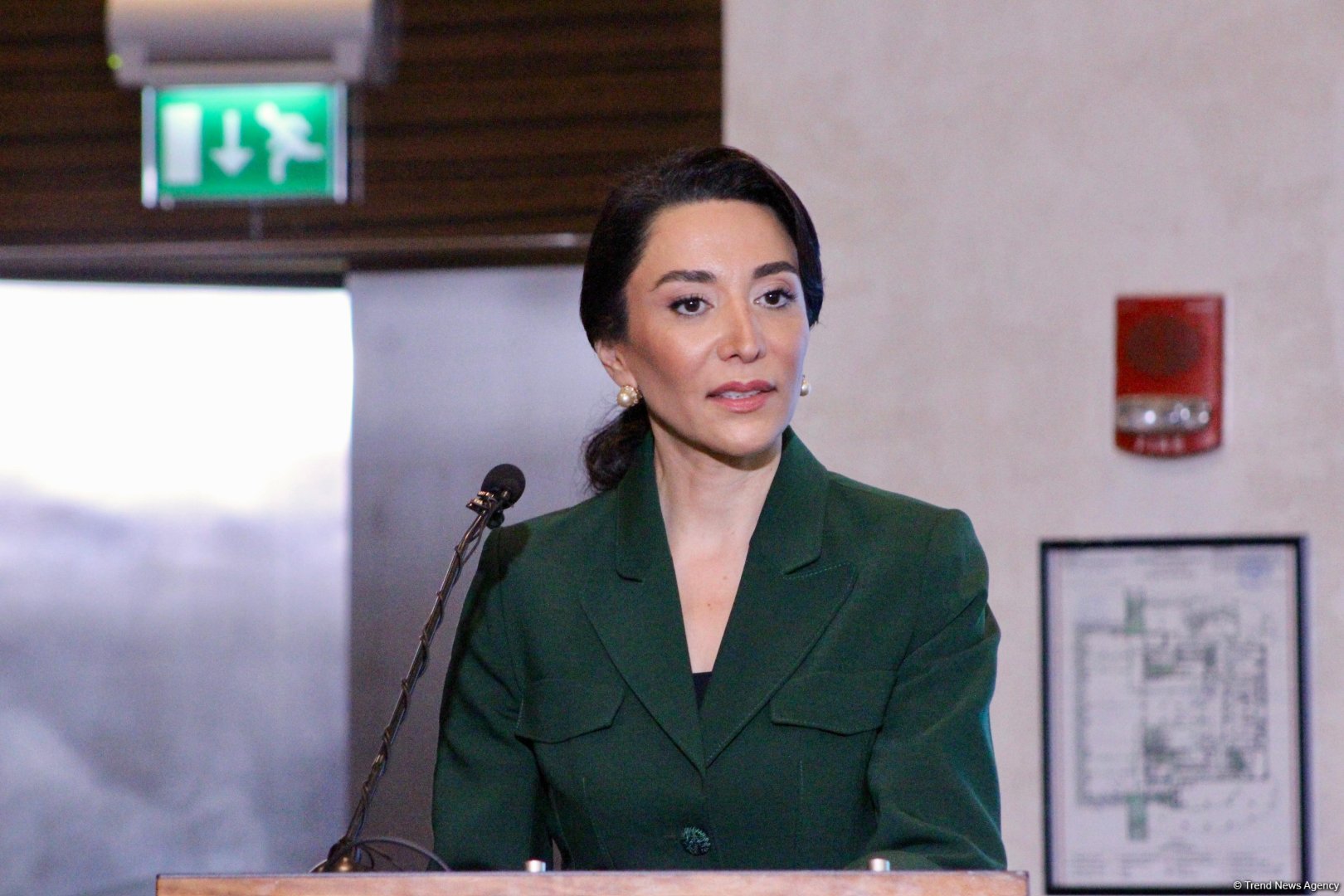

BAKU, Azerbaijan, August 29. Determining the fate of people who went missing as a result of conflicts and ensuring their families’ right to know the truth require stronger international humanitarian cooperation, Azerbaijan’s Human Rights Commissioner (Ombudsman) Sabina Aliyeva said.
Aliyeva made the remarks in a statement marking Aug. 30, the International Day of the Victims of Enforced Disappearances.
The United Nations established the day to raise global awareness of enforced disappearances and commemorate thousands of people who went missing, died during armed conflicts or military operations, or were detained and held in secret locations or secretly killed, the statement said.
The 1949 Geneva Conventions on the protection of victims of war, their Additional Protocols and the International Convention for the Protection of All Persons from Enforced Disappearance establish states’ obligations to investigate the fate of missing persons, ensure families have access to information and help establish the truth, Aliyeva said.
She said the issue remains particularly relevant for Azerbaijan, which faced more than three decades of conflict and what it describes as a policy of aggression.
“Thousands of families have been deprived of their right to receive information about the fate of their loved ones,” Aliyeva said, adding that the uncertainty had caused prolonged emotional, psychological and social suffering.
According to Azerbaijan’s State Commission on Prisoners of War, Hostages and Missing Persons, more than 4,000 Azerbaijani citizens have been registered as missing as a result of the First Karabakh War.
Following the Second Karabakh War and the localized anti-terror operation, state authorities identified 32 mass graves in the liberated territories and carried out systematic searches, exhumations, forensic examinations and identification efforts.
The identities of 328 people have been established through DNA and forensic examinations, while the remains of 250 people have been handed over to their families for burial, the statement said.
Despite the end of the armed conflicts and steps toward peace between Azerbaijan and Armenia, the fate of 3,682 Azerbaijani citizens remains unknown, Aliyeva said.
“This fact requires international humanitarian cooperation in this area to be strengthened through more practical, prompt and results-oriented measures,” she said.
Aliyeva said the passage of time was making the process more difficult as physical evidence could be lost or deteriorate, the number of witnesses could decline and available information could become increasingly limited.
Given the ongoing peace agenda in the region, international humanitarian institutions should work within their mandates, while states that were parties to the conflict should fulfill their obligations under international law, she said.
This should include sharing information on mass graves, expanding cooperation on DNA and forensic examinations, and strengthening efforts to determine the fate of missing persons, according to the statement.
Aliyeva also called on international and regional human rights organizations and national human rights institutions to pay particular attention to the issue and support joint efforts aimed at achieving practical results.



