


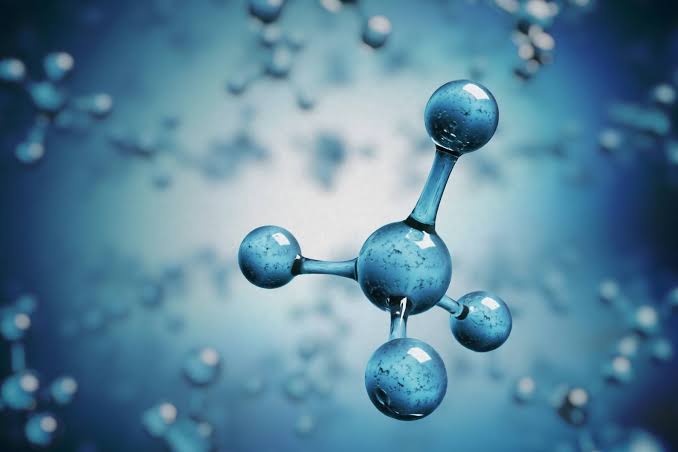
BAKU, Azerbaijan, August 29. Specialists at the International Scientific and Technological Park of the Academy of Sciences of Turkmenistan have developed a new biopreparation designed to neutralize methane emissions directly in soil.
According to an announcement by the Turkmen government, the research was led by Corresponding Member and Doctor of Chemical Sciences Durdymyrat Gadamov and head of the Biotechnology Laboratory Altyn Rakhmanova.
The preparation is based on indigenous strains of methane-oxidizing bacteria adapted to local climatic conditions. The bacteria contain the enzyme methane monooxygenase, which converts methane into carbon dioxide and water. Researchers combined live microbial cultures with locally available materials to create a protective environment for the bacteria and facilitate practical application of the preparation. The product is intended for use in areas with high industrial activity. According to the developers, the use of local raw materials could help reduce its cost compared with imported alternatives. The preparation is also described as safe for humans, animals and the environment.
Trend's analysis shows that the development comes against the backdrop of the scale of methane emissions associated with Turkmenistan's oil and gas sector. According to International Energy Agency estimates cited in the Global Methane Tracker, the country's fossil fuel-related methane emissions amount to around 5.5 million tons per year, equivalent to approximately 154 million tons of CO2 equivalent using a global warming potential of 28. Satellite monitoring has also identified a significant number of major methane-emission events in Turkmenistan. In 2024, 287 super-emission events were detected, while individual methane plumes in some areas were estimated at 10–18 tons per hour.
At the same time, estimates of Turkmenistan's total methane emissions vary considerably depending on the methodology and year, ranging from approximately 1.9 million to more than 15 million tons. Oil and gas operations account for the dominant share of anthropogenic emissions. Against this background, the new biopreparation could represent an additional tool for addressing methane emissions at the soil level, alongside technological measures such as leak detection and repair. However, the developers have not yet disclosed quantitative results from field trials, including the percentage of methane oxidation, application rates or the amount of methane that can be neutralized per unit of area.
Natural methanotrophic bacteria are known to oxidize methane under suitable conditions, but their effectiveness in soil depends on factors including moisture, oxygen availability, temperature and methane concentration. Further testing would therefore be important for assessing the practical potential of the Turkmen preparation. Turkmenistan has also been developing broader measures to reduce methane emissions in the energy sector. The country has joined the Global Methane Pledge, which calls for a collective reduction in global methane emissions of at least 30% by 2030 from 2020 levels. Turkmen authorities have reported an 11% reduction by the end of 2024, while Turkmengaz has reported a 30% decline in methane emissions at its facilities between June 2024 and September 2025 following satellite monitoring and repairs of identified leaks. The country has also been working to reduce emissions at the Darvaza gas crater, with satellite observations indicating that the intensity of burning has declined by more than two to three times following measures to recover gas through newly drilled wells.
Earlier, S&P Global Commodity Insights representative Evgeniya Maiburova told Trend in an exclusive interview that Turkmenistan has significant potential to improve the efficiency of its oil and gas industry by reducing methane emissions. "Reducing methane emissions not only has an environmental impact, but also creates additional value, as methane is a resource that can be commercialized," Maiburova said.
She noted that Turkmenistan is cooperating with European and Central Asian partners on reducing gas flaring. According to Maiburova, S&P Global's office in Istanbul is also coordinating the company's work in Central Asia and strengthening cooperation with Turkmengaz and Turkmennebit. The new biotechnological development therefore complements Turkmenistan's existing monitoring, repair and gas-recovery measures. Its practical contribution will depend on the results of further testing and the ability to apply the technology at industrial sites on a larger scale.



