


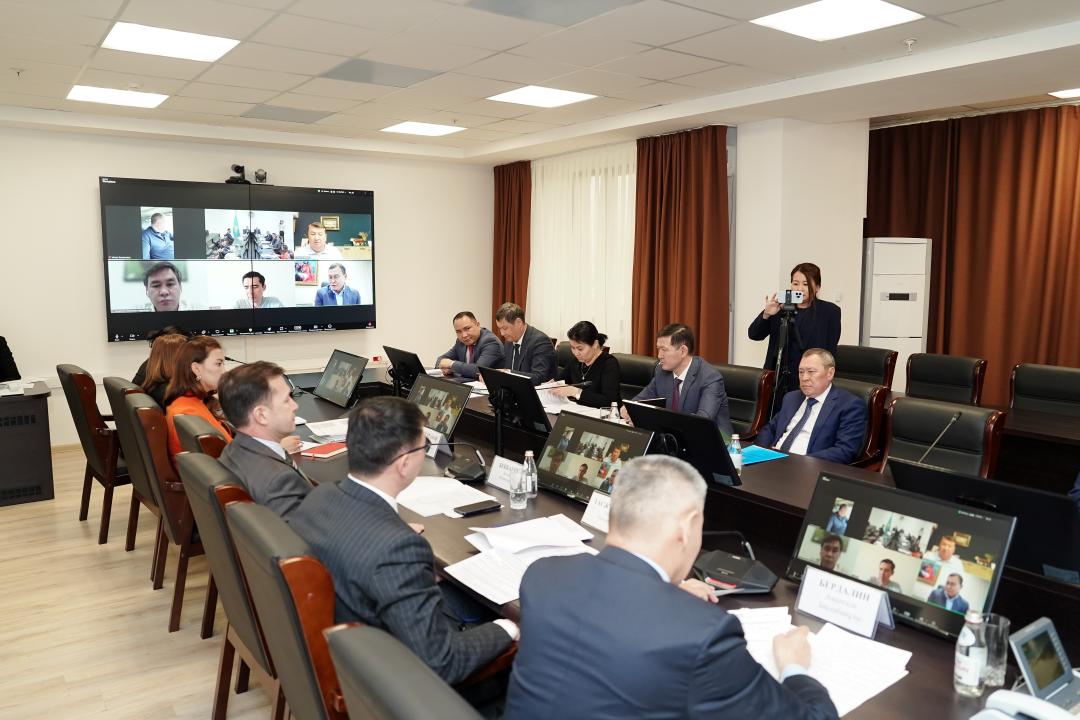

ASTANA, Kazakhstan, April 21. The physical volume index of gross livestock production in 2024 reached 103.6 percent, said Minister of Agriculture of Kazakhstan Aidarbek Saparov during a meeting of the Public Council on the development of the agro-industrial complex, Trend reports.
The convening centered on the prospective trajectory of
livestock subsidy realignment initiatives. During the convening of
the assembly, Minister Saparov underscored the imperative for
continued advancement.
“We must continue to work on improving the sector’s efficiency. The
President and the Government have set us specific tasks, and we
must tackle them with input from the agricultural community,” he
stated.
Deputy Minister of Agriculture Amangali Berdalin introduced new
approaches to subsidies, which were developed to replace the
existing mechanism for subsidizing breeding and genetic work, which
has been criticized for its low efficiency and high corruption
risks.
In particular, in the meat cattle sector, we will introduce higher
subsidy rates for bulls sent to feedlots or meat processing plants.
This is designed to encourage the growth of commercial herds and
improve the quality of livestock," Berdalin explained.
He also mentioned that subsidies would be provided to reduce the costs of raising breeding young stock, addressing organizational challenges for breeding farms when interacting with information systems, purchasing materials, semen, and artificial insemination services.
Moreover, the meeting also highlighted the development of affordable credit products with a fixed interest rate of up to 5 percent annually, available for feedlots, meat processing plants, and the acquisition of breeding cattle and small ruminants.
“It’s crucial that we move to a model where state support is linked directly to actual production. Subsidies should be paid based on the products produced, not just the number of livestock. This approach will allow businesses to take responsibility for the sector’s development and deliver results,” stated Gennadiy Zenchenko, Chairman of the Public Council.
The proposed initiatives garnered endorsement from the Public Council constituents and were advocated for subsequent deliberation involving stakeholders from the agricultural business domain and subject matter experts.
The recent methodologies implemented in Kazakhstan are strategically designed to enhance the efficacy of governmental assistance, augment transparency in the allocation of subsidies, and facilitate sustainable advancement within the livestock sector.



