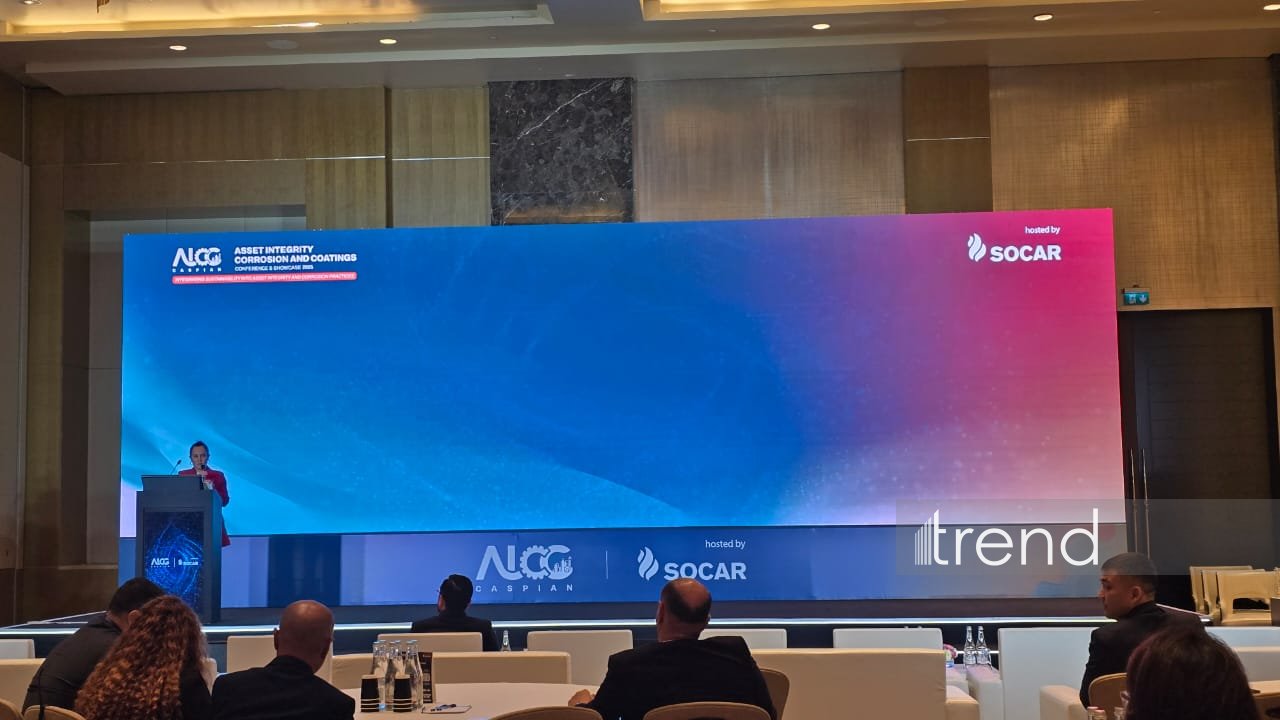

BAKU, Azerbaijan, December 10. The second day of the event "Asset Integrity & Corrosion and Coatings Conference," dedicated to the oil and gas sector, was held in Baku, Trend reports.
The event brought together prominent industry experts, company executives, and technology providers to engage in discussions on the latest advancements in asset integrity protection, corrosion control, and protective coating technologies.
Participants explored the current state of the industry, examining the risks, technical solutions, and global best practices.
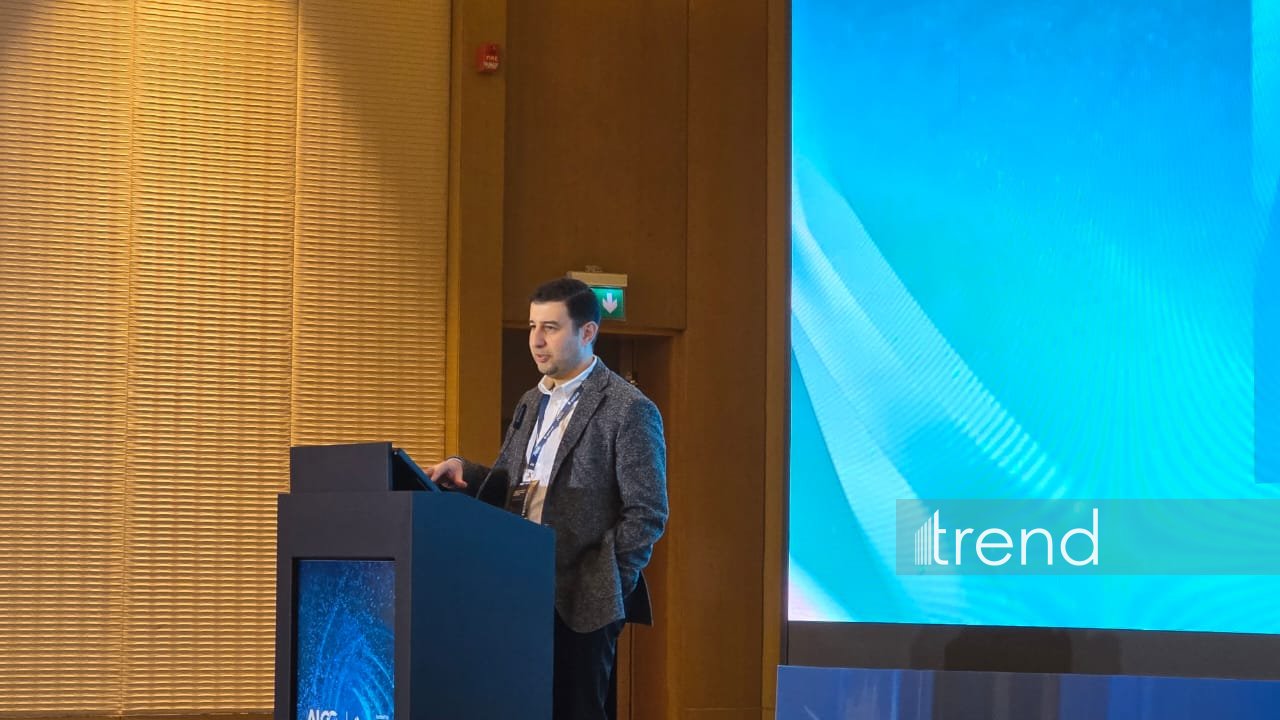
Erkin Aksu, Chief Integration Engineer for Corrosion and Cathodic Protection (CP) at the Trans Anatolian Natural Gas Pipeline (TANAP), emphasized the critical role of corrosion control in ensuring pipeline safety and integrity.
He explained, “As part of the risk-based approach (RBI), corrosion risk is assessed by analyzing cathodic protection measurements, line inspection data, and soil type along the pipeline route. This data is then used to develop a risk matrix, identifying sections that require inspection and the frequency of these inspections. This methodology not only optimizes costs but also extends the service life of the assets.”
Aksu highlighted that the primary challenges for long-distance pipelines include both internal and external corrosion, as well as the degradation of coatings.
“Failure to address these issues promptly can result in accidents, production interruptions, environmental hazards, and substantial financial losses. At TANAP, engineers continuously monitor the performance of coating and cathodic protection systems, coordinate field measurements and external surveys, and analyze inspection data to assess external corrosion and metal loss. All findings are digitally recorded and monitored through a GIS platform,” he added.
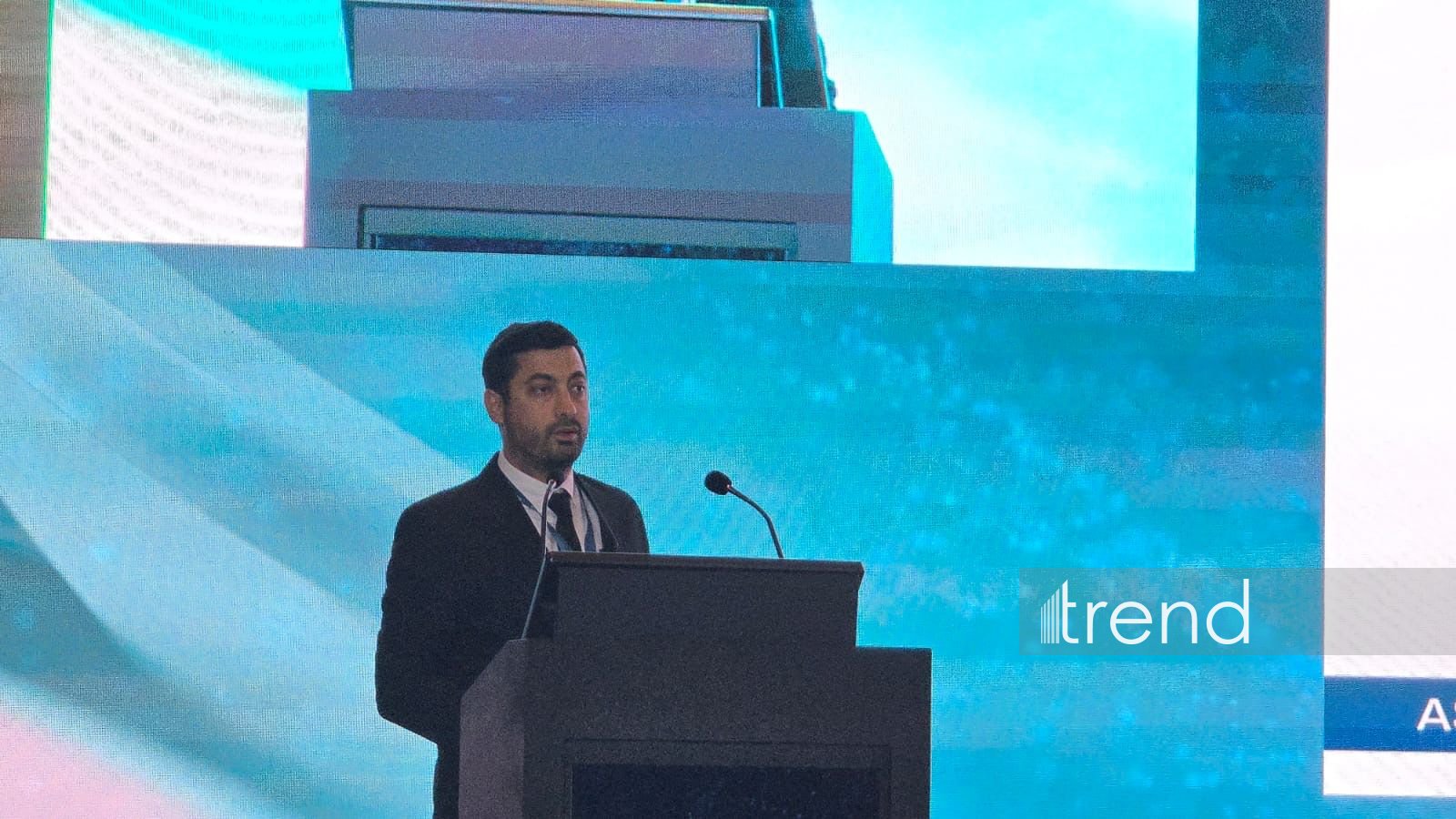
Meanwhile, Suleyman Suleymanov, head of the integration management department at Energizer Azerbaijan, stated that Azerbaijan has broad prospects for developing energy efficiency.
According to him, analysis of the country's energy market in recent years shows that energy efficiency, energy monitoring, and sustainable development are becoming the next important stage:
"Companies operating in the energy supply and rental sectors have focused on making more efficient use of existing resources. As part of a tender announced by the Ministry of Energy last year, energy audits were planned in the residential and industrial sectors, including factories. To this end, data was collected from more than 40 energy-intensive enterprises, and some of them underwent a detailed energy audit as a pilot project.
The conducted analysis showed that the country has significant potential in the field of energy efficiency. Currently, work is underway on cogeneration projects in collaboration with the Ministry of Energy.
He also emphasized that, in addition to this, local companies are participating in a technical assistance project on decarbonization of heating systems and integration of renewable energy sources, financed by the Asian Development Bank. The expert also noted that energy efficiency, unlike renewable energy projects, is not a visually tangible area:
“Although solar or wind power plants can be seen physically, the results of energy efficiency are more evident in the form of reduced consumption and economical use of resources. At the same time, while renewable energy projects usually require high capital investments, energy efficiency is achieved through proper analysis and optimization of existing infrastructure.”
“Projects implemented within the framework of public-private partnerships contribute to the development of energy efficiency, and we plan to continue working in this direction,” Suleymanov added.
According to the director/general manager of the Azerbaijani division of the international corporation National Oilwell Varco (NOV), one of the world leaders in the production of equipment and technologies for the oil and gas industry, NOV Azerbaijan LLC, Gerard Dennehy, Azerbaijan has geothermal resources, especially in Karabakh, and the use of a special coating for pipes improves the efficiency of drilling these geothermal wells.
According to him, the technology of thermal insulation of pipes using a special coating is recommended for deep and high-temperature wells, and also increases the efficiency of drilling in geothermal projects.
“I believe that Azerbaijan has resources, especially in Karabakh, that can be used. And thanks to special pipe coating, it is possible to obtain significantly more benefits when drilling geothermal wells,” he stated.
Gerard Dennehy recalled that the TK-liner system, developed by Tuboscope more than 25 years ago, is widely used, and today, about 70 million feet of pipe are equipped with similar liners.
He also noted the importance of the TK-Ring, which ensures unobstructed flow and safe descent of tools into the well.
More than 500 representatives from over 20 countries participated in the event. Over 50 speakers presented at the conference, and more than 25 companies showcased their technological solutions. In total, there were over 50 technical sessions, several panel discussions, and various networking events.